×


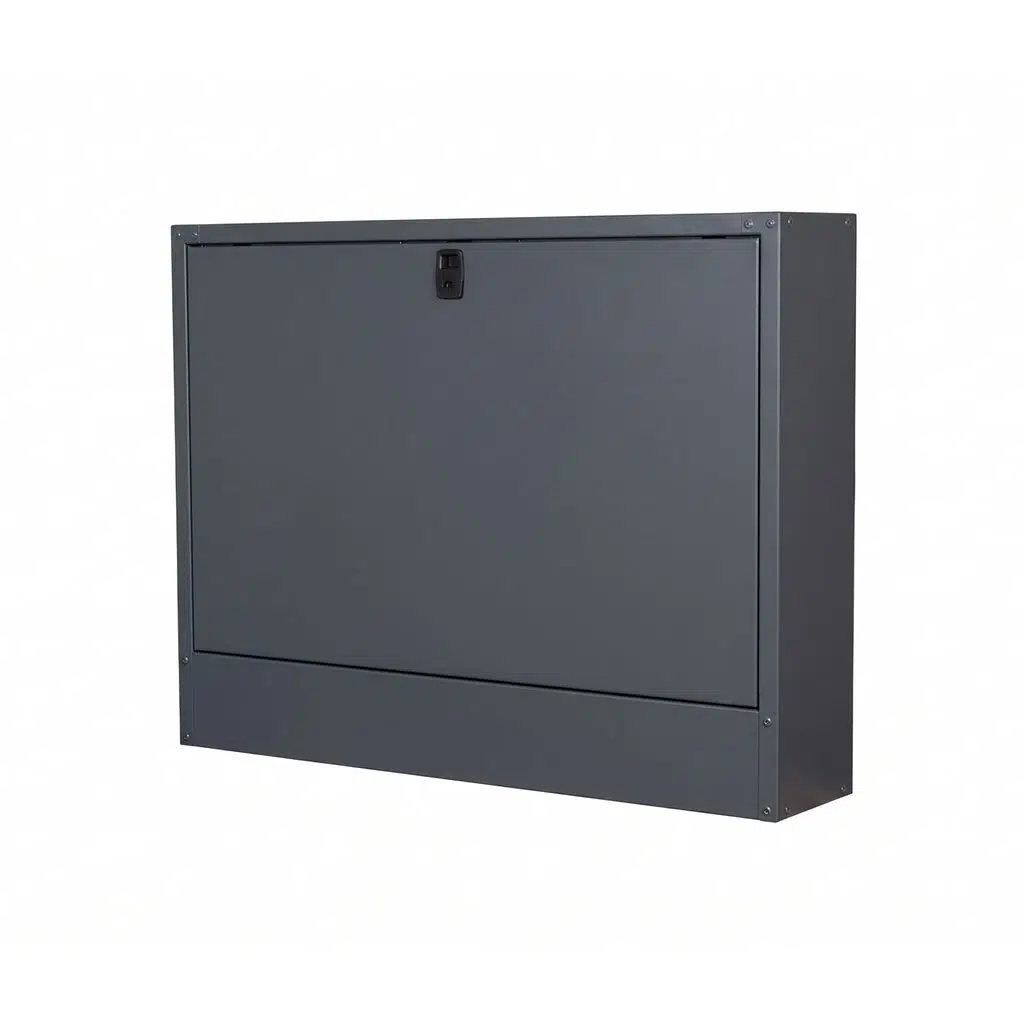
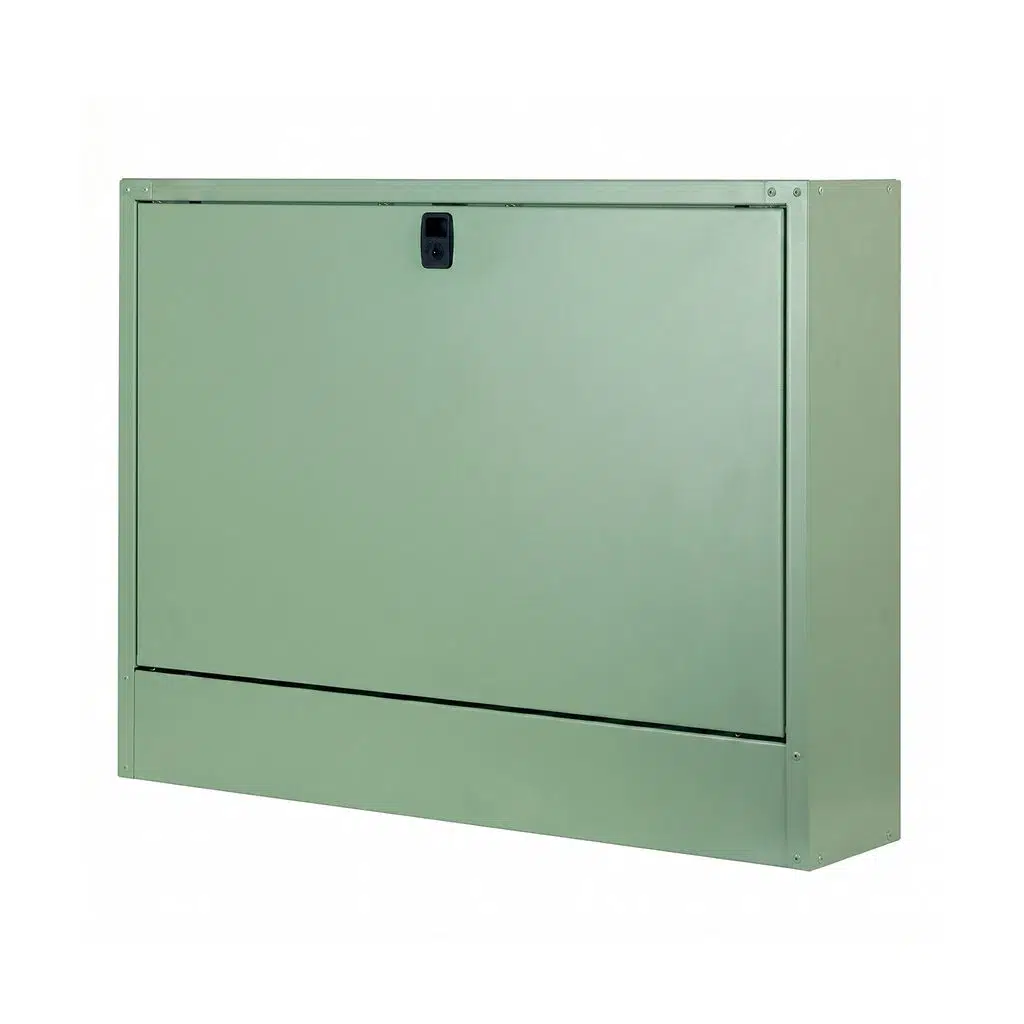
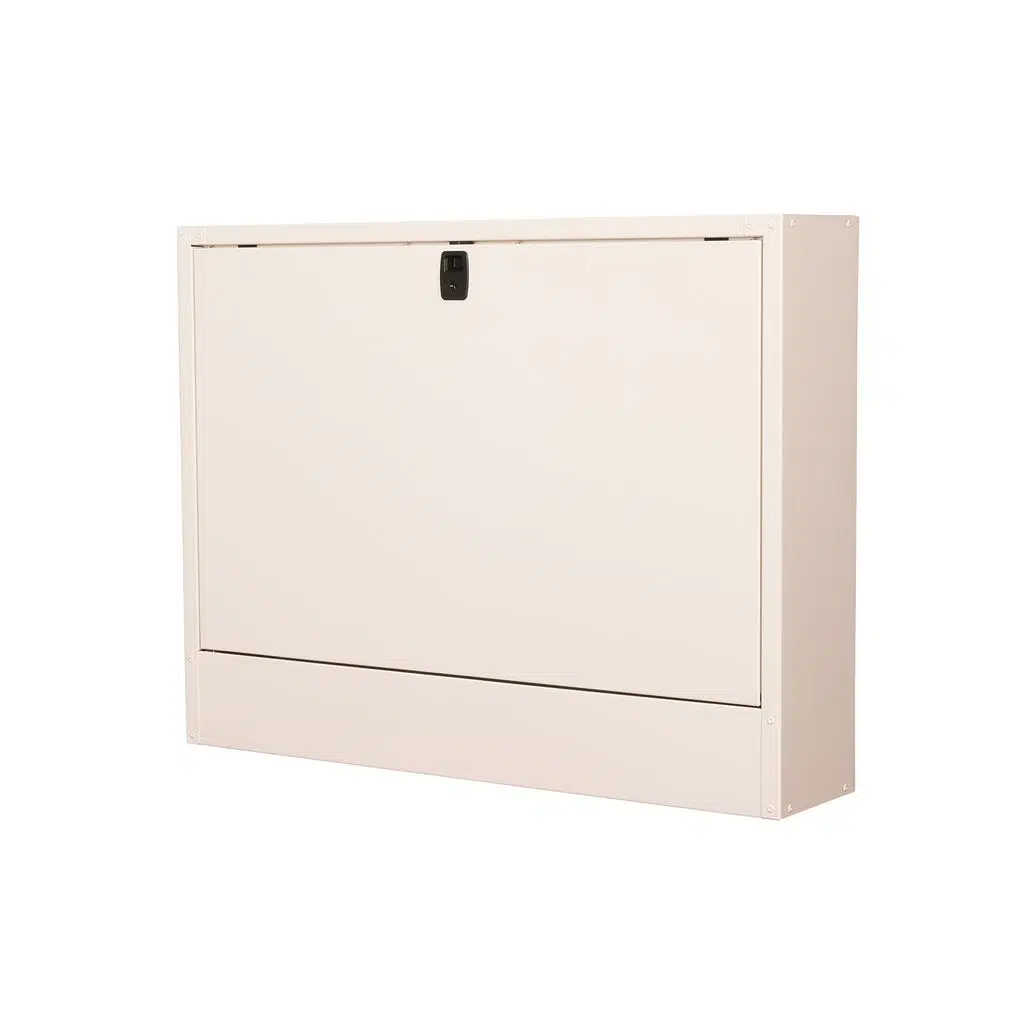
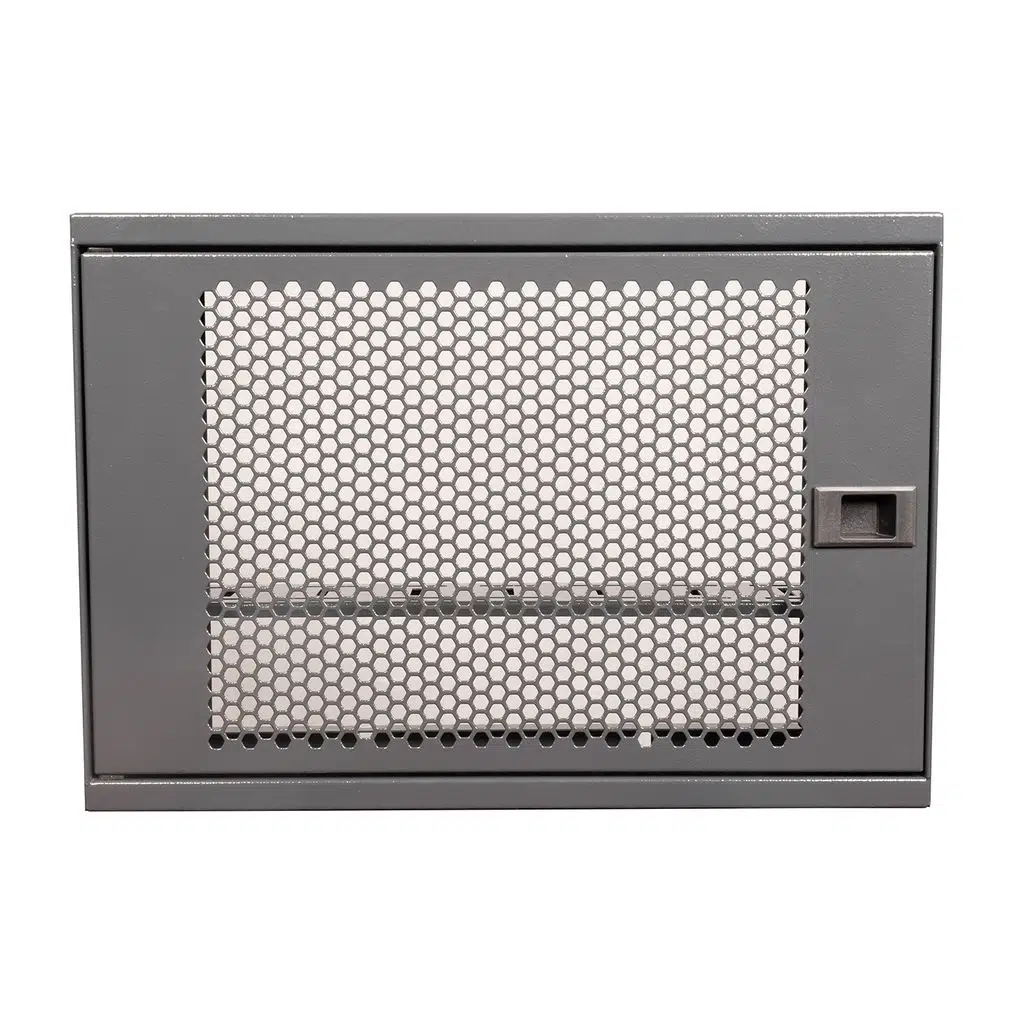
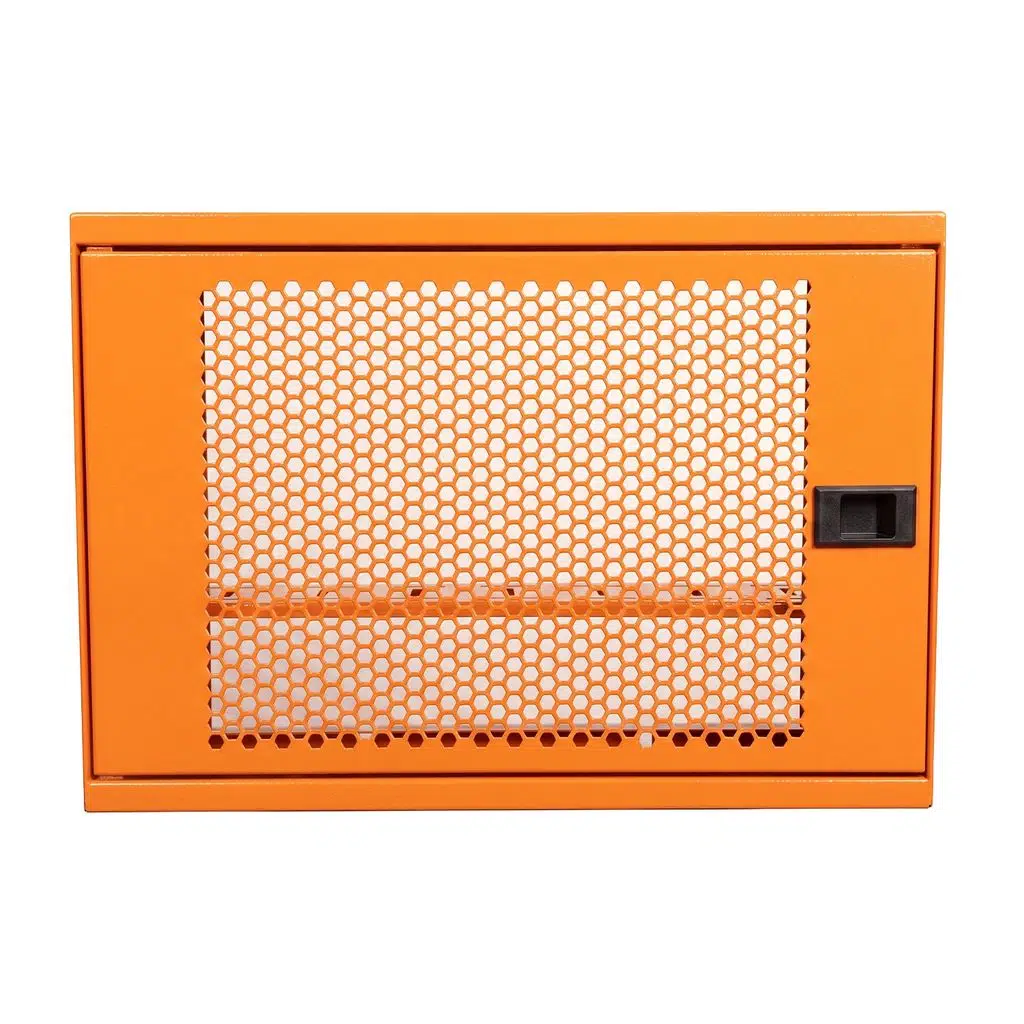
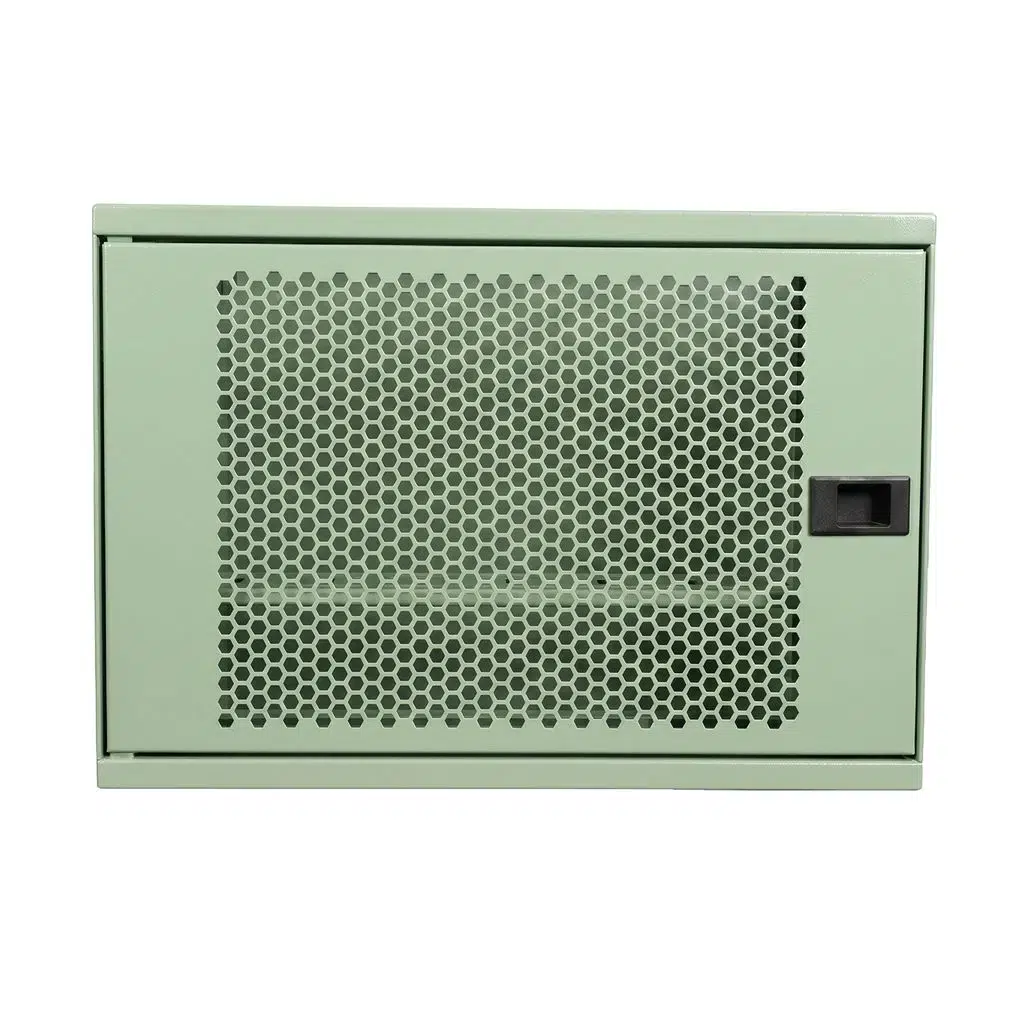
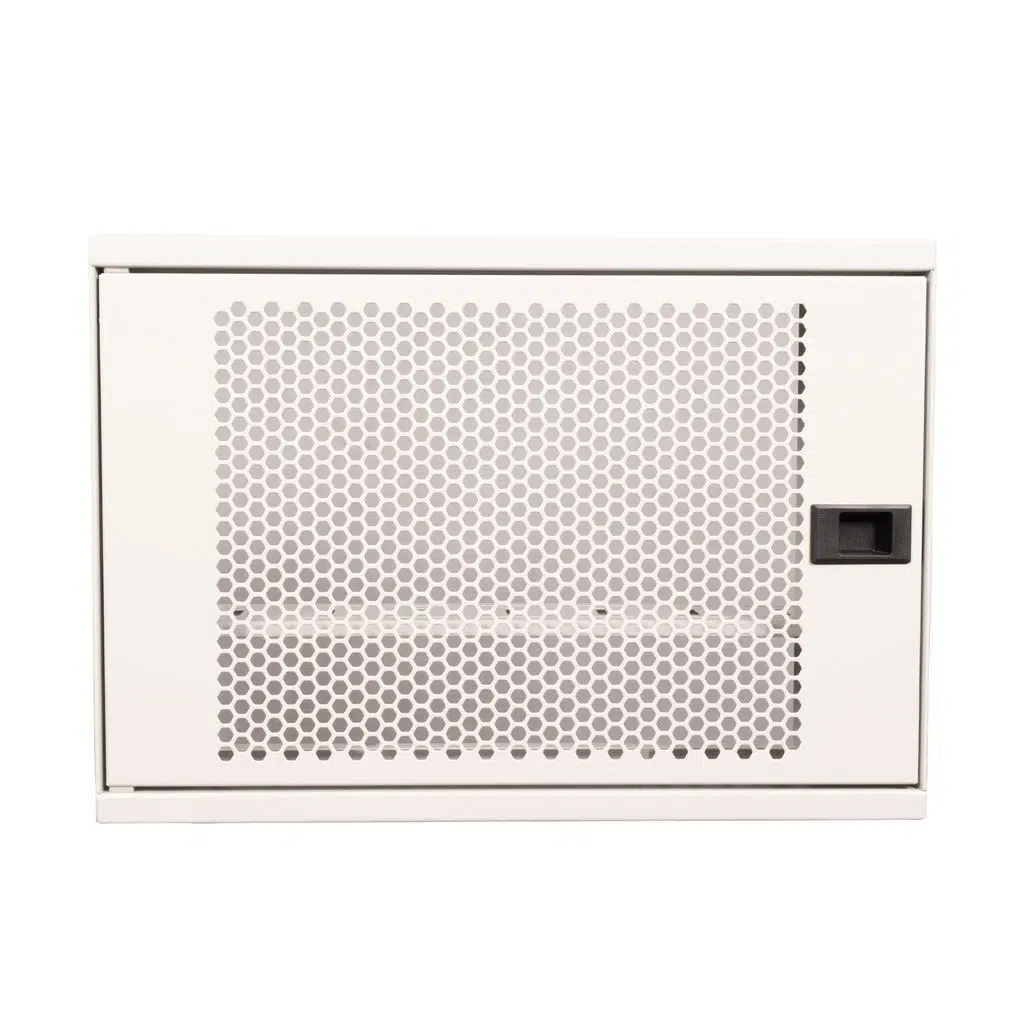
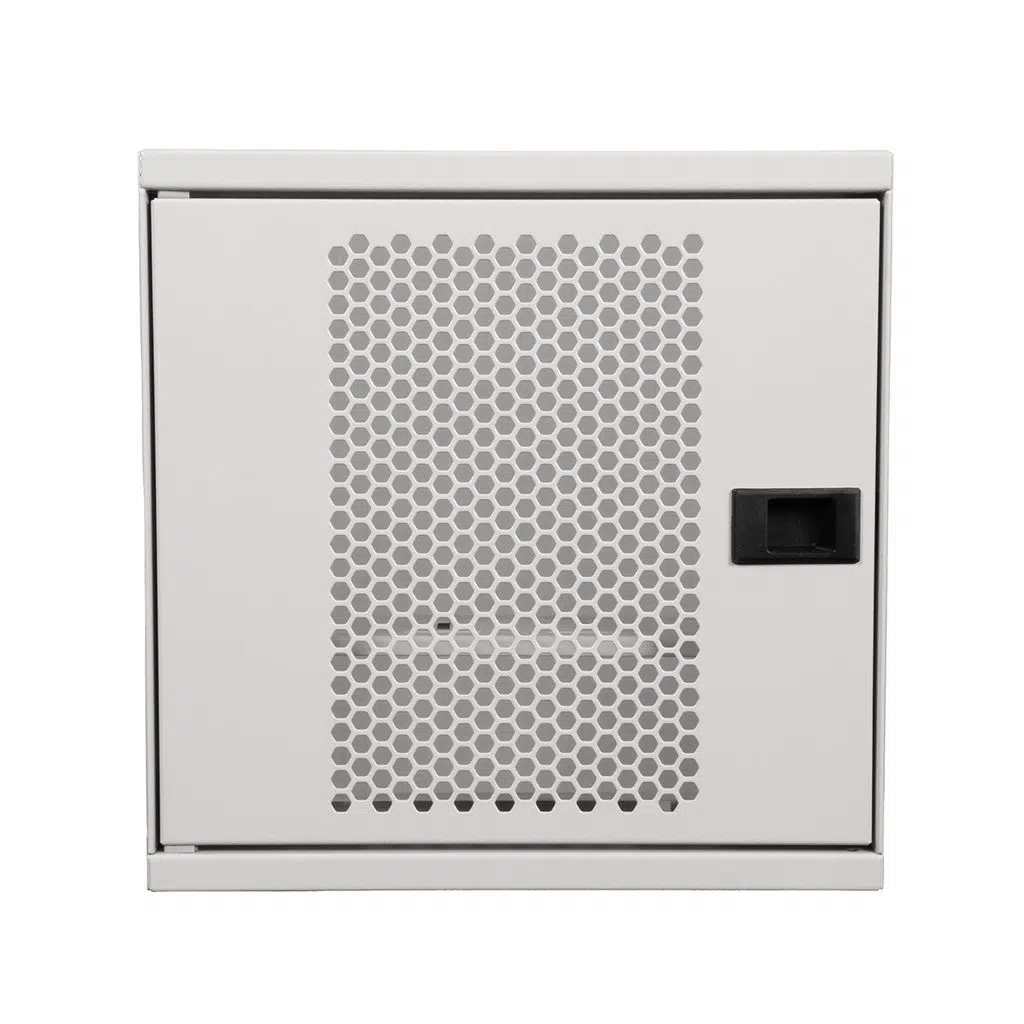
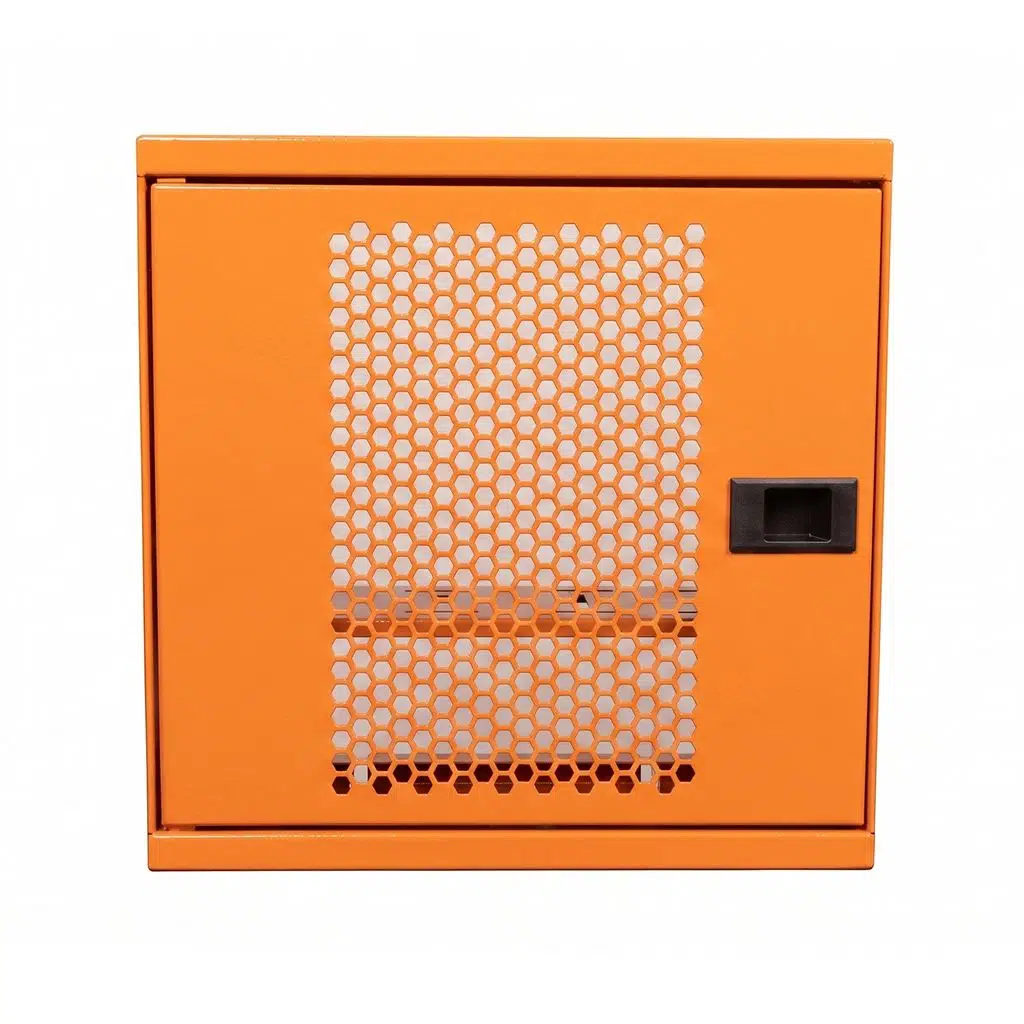
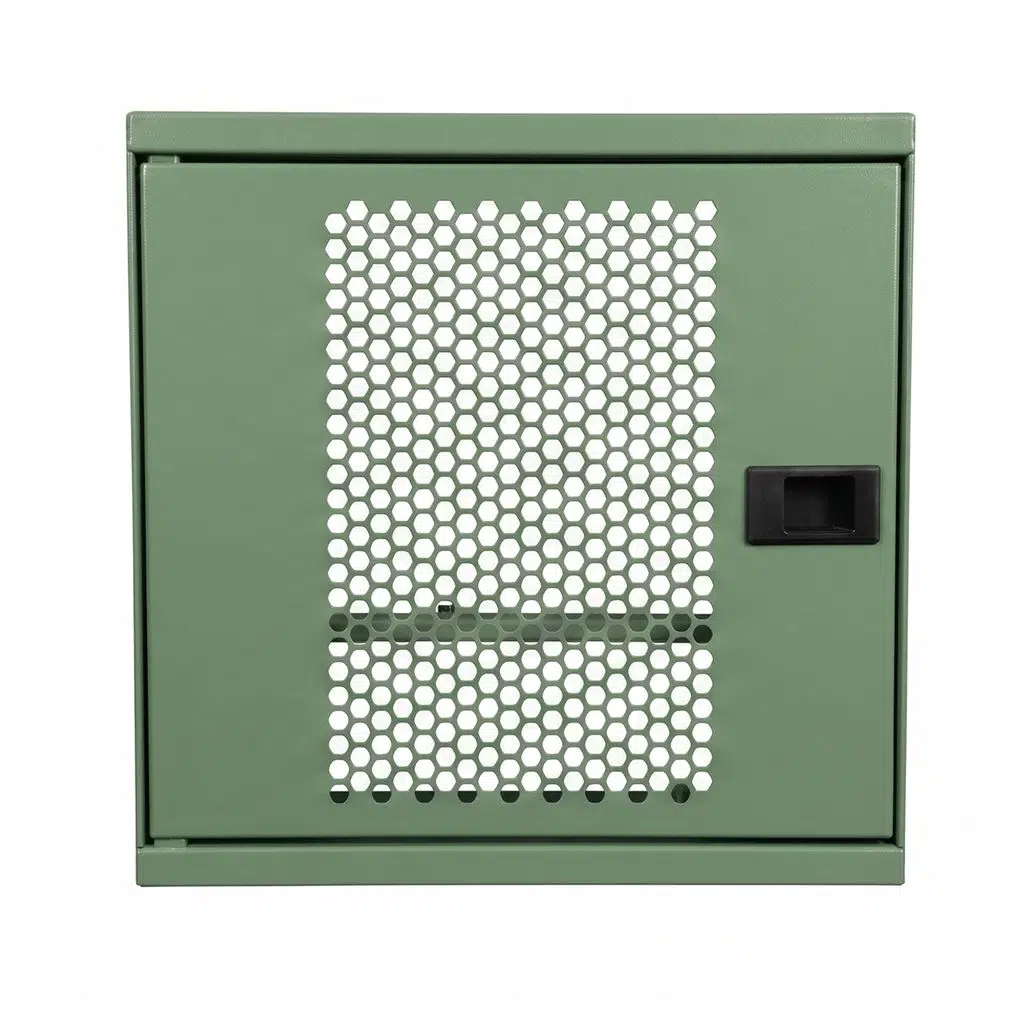
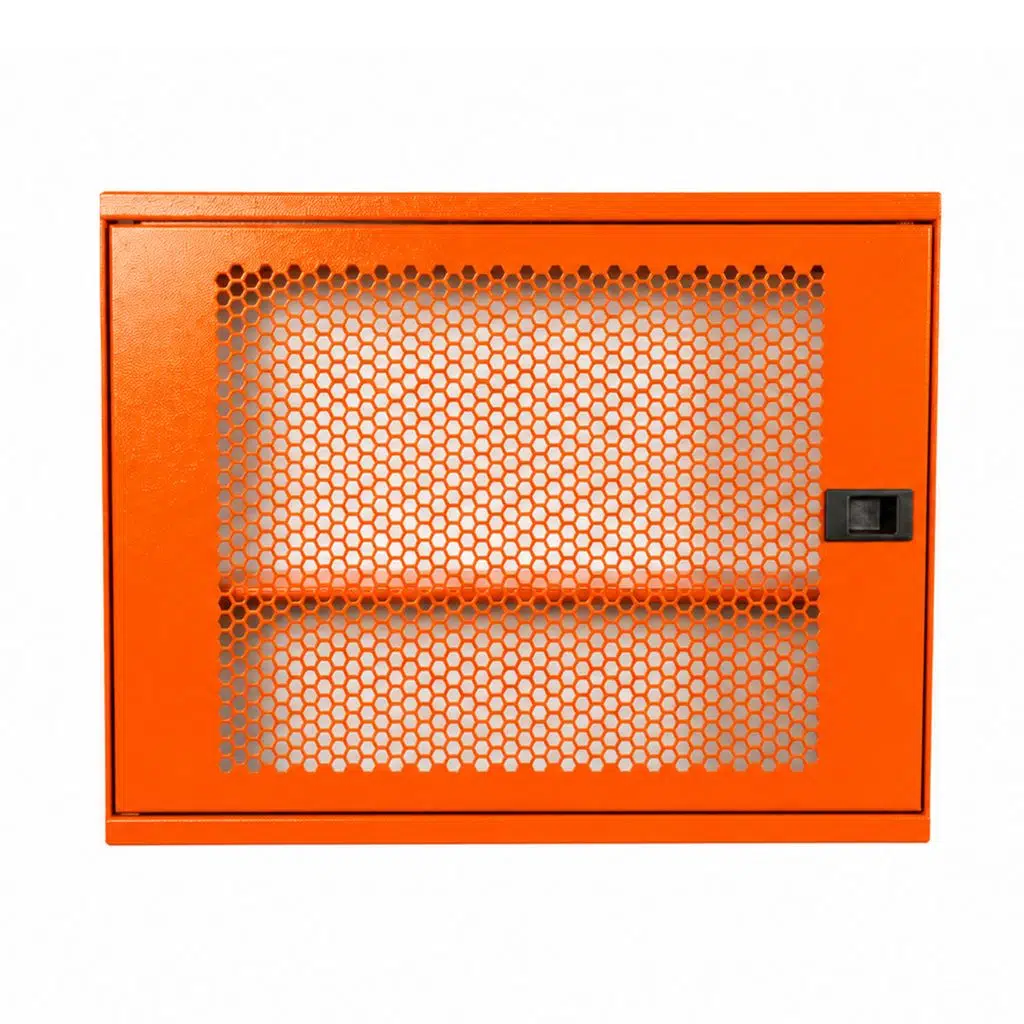
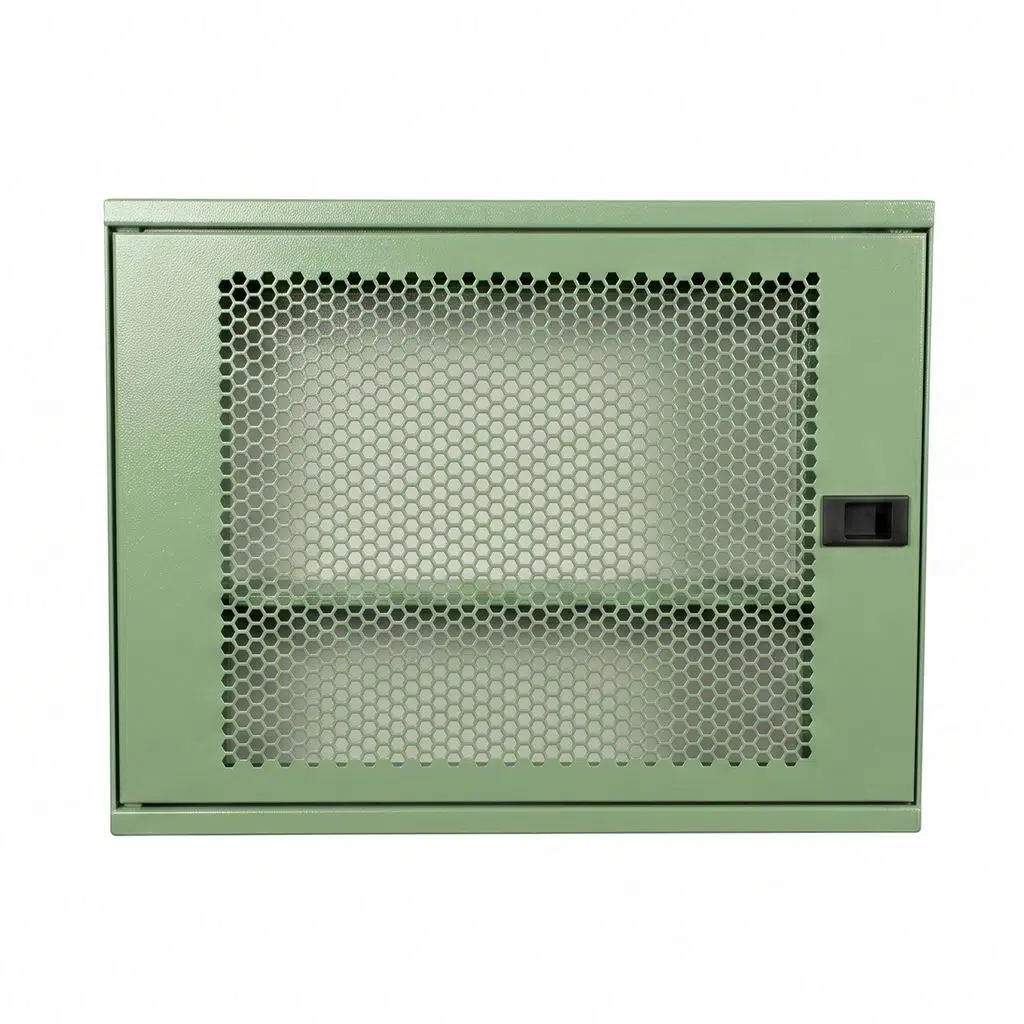
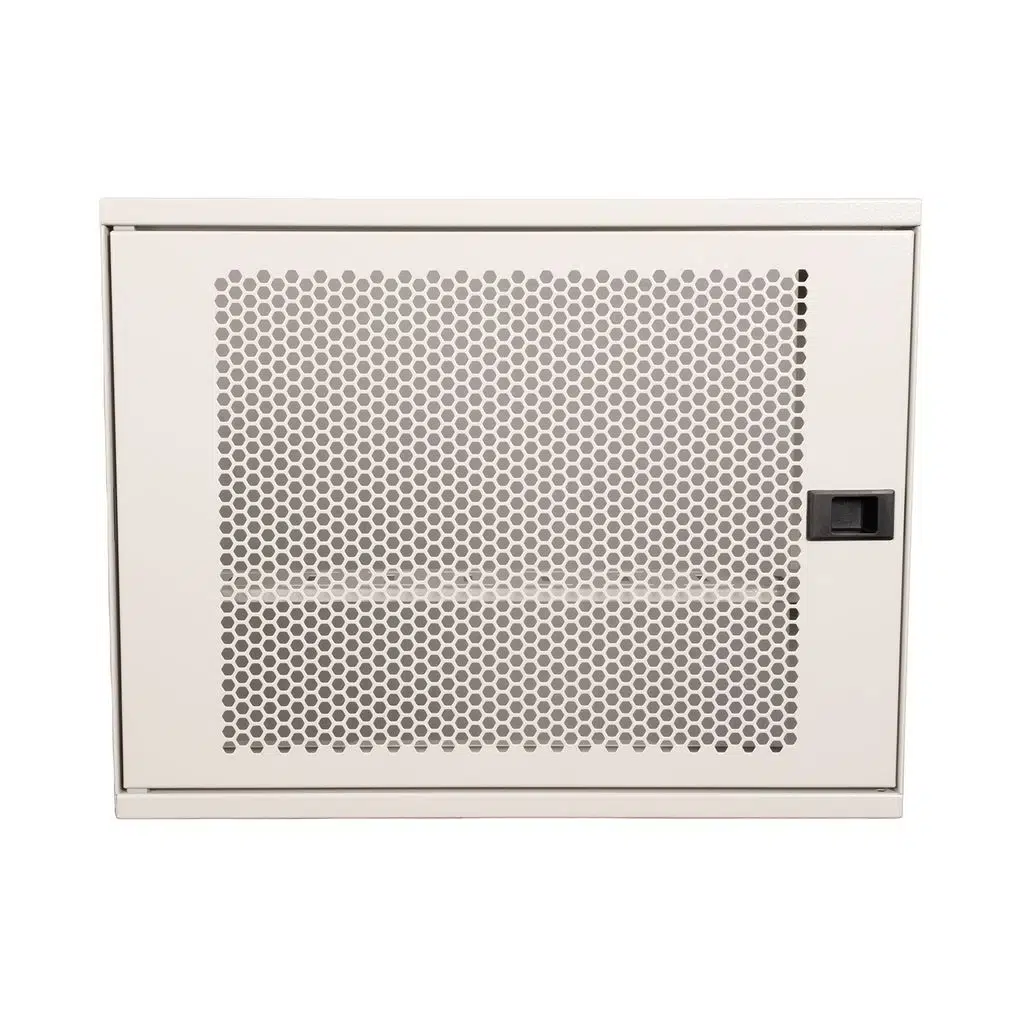
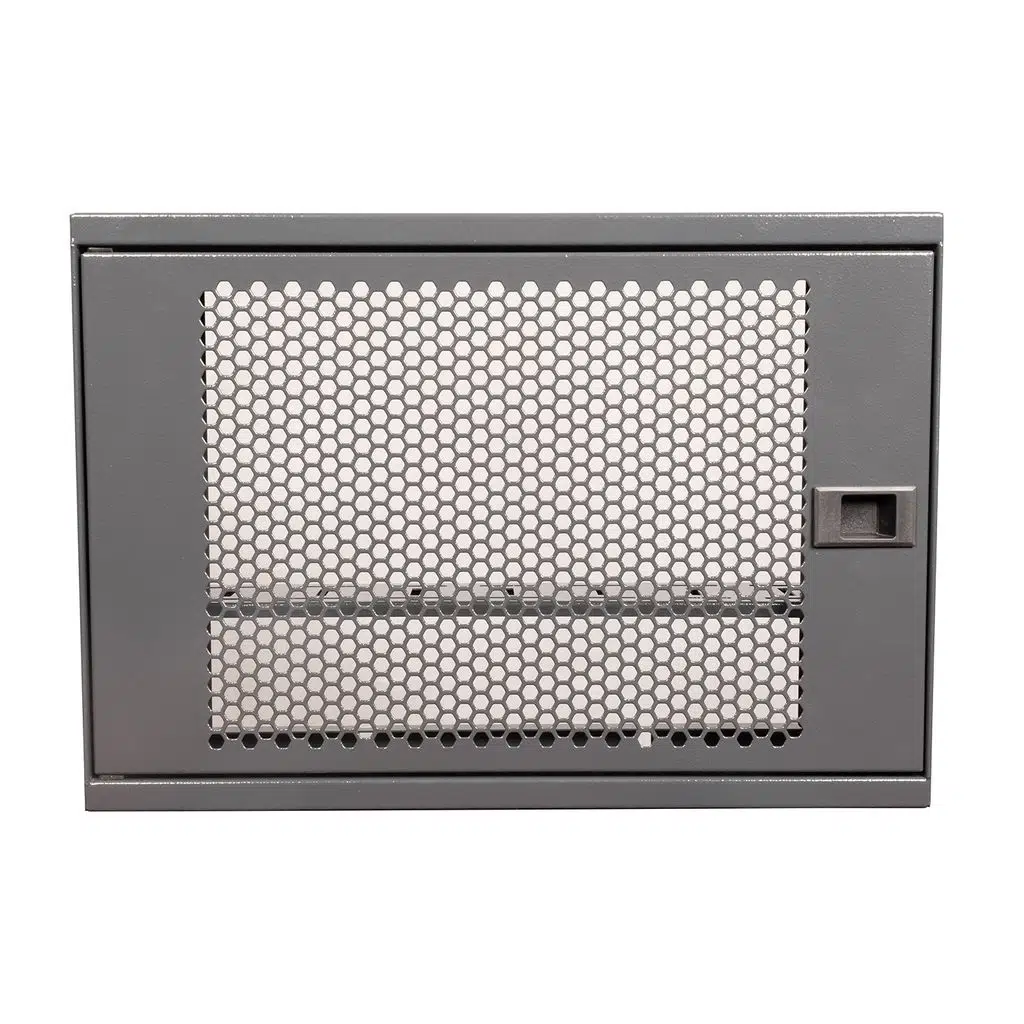
Making efficient use of available surfaces in working environments is particularly important in offices and technical areas with limited floor space. For those who want to organise equipment without taking up additional floor space, wall-mounted cabinet models provide a functional solution.
These wall-mounted products help keep modems, routers, network devices, electronic equipment and various technical materials stored in a designated location. By making use of vertical surfaces, they can reduce clutter on desks and floors, helping create a more organised working environment.
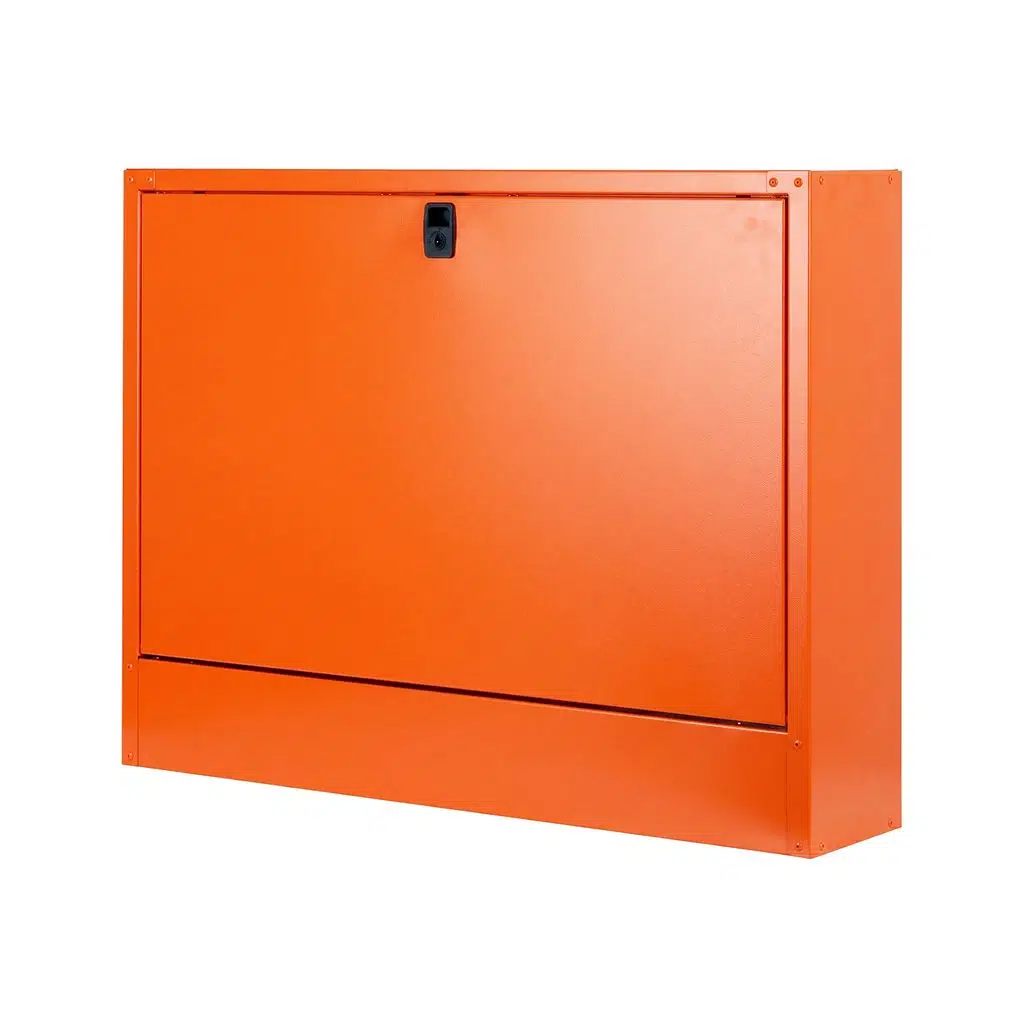
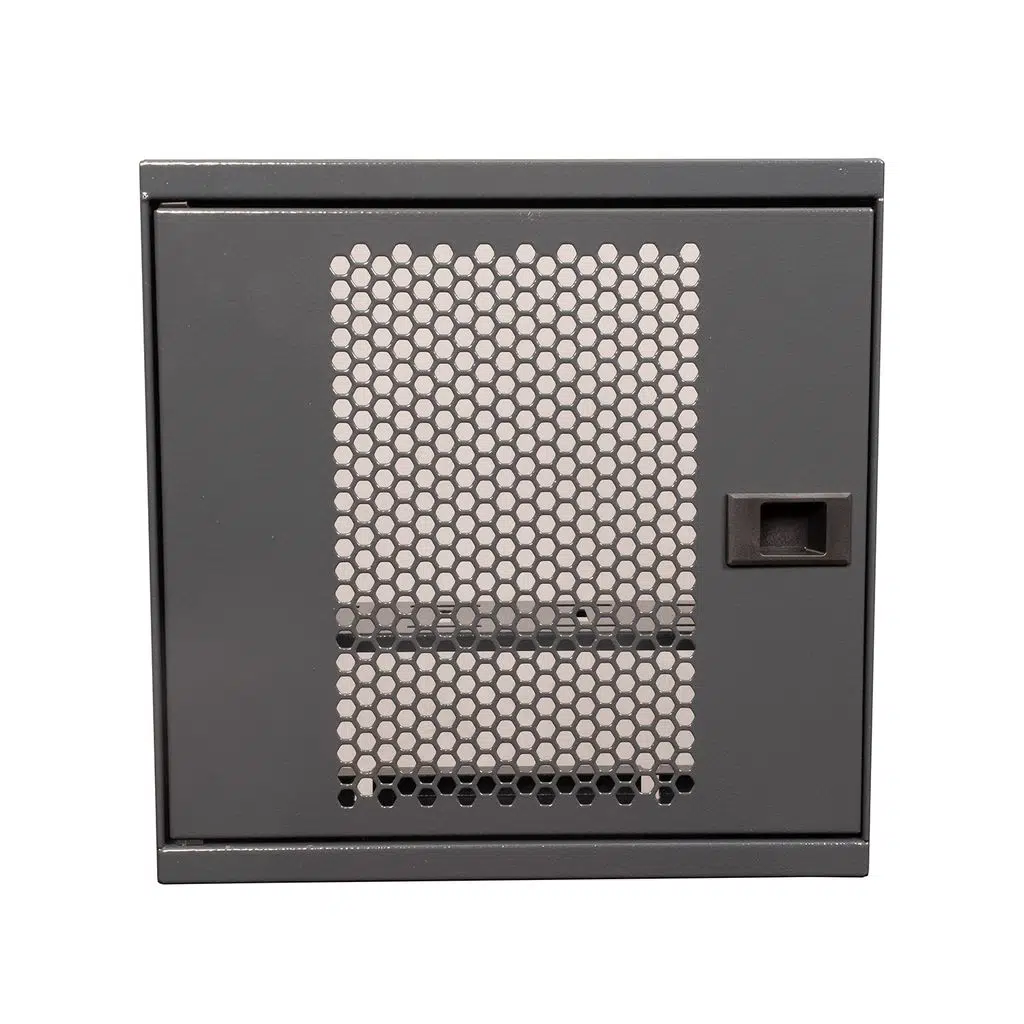
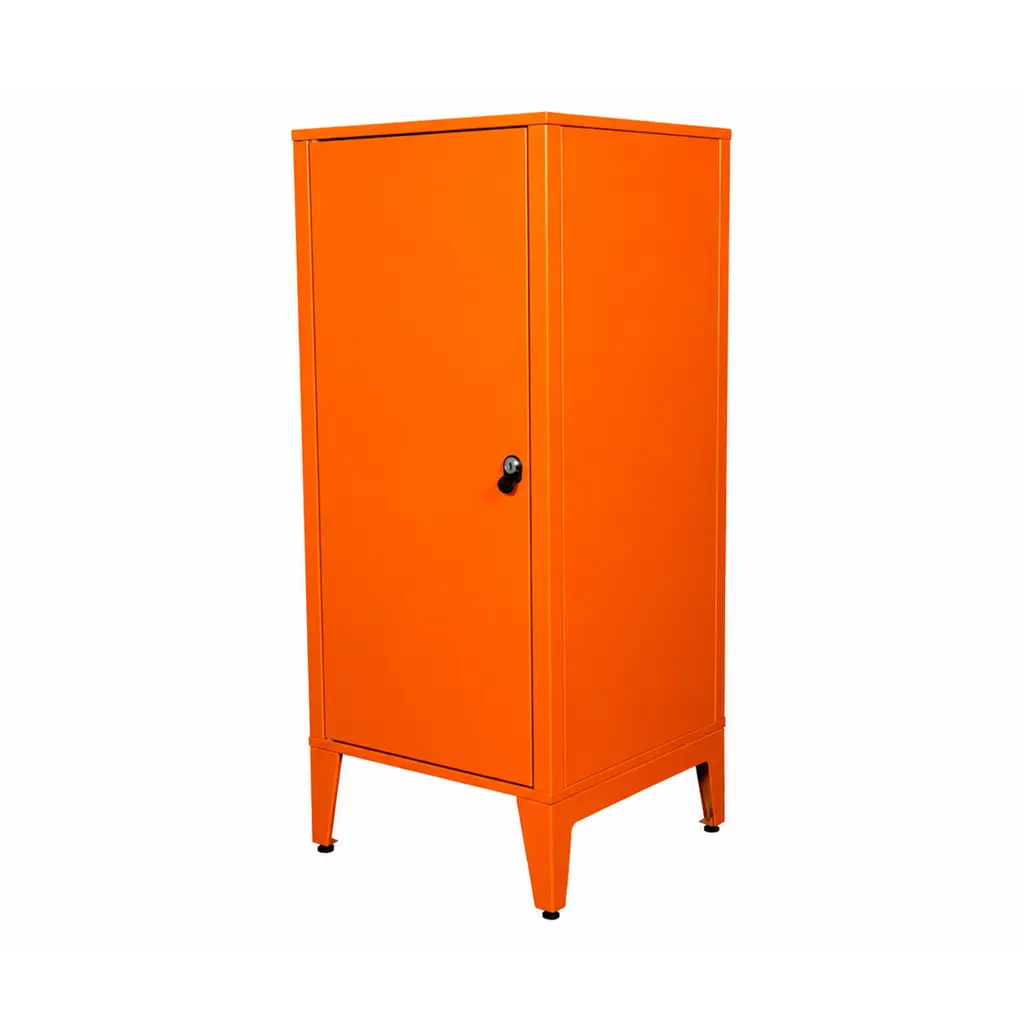
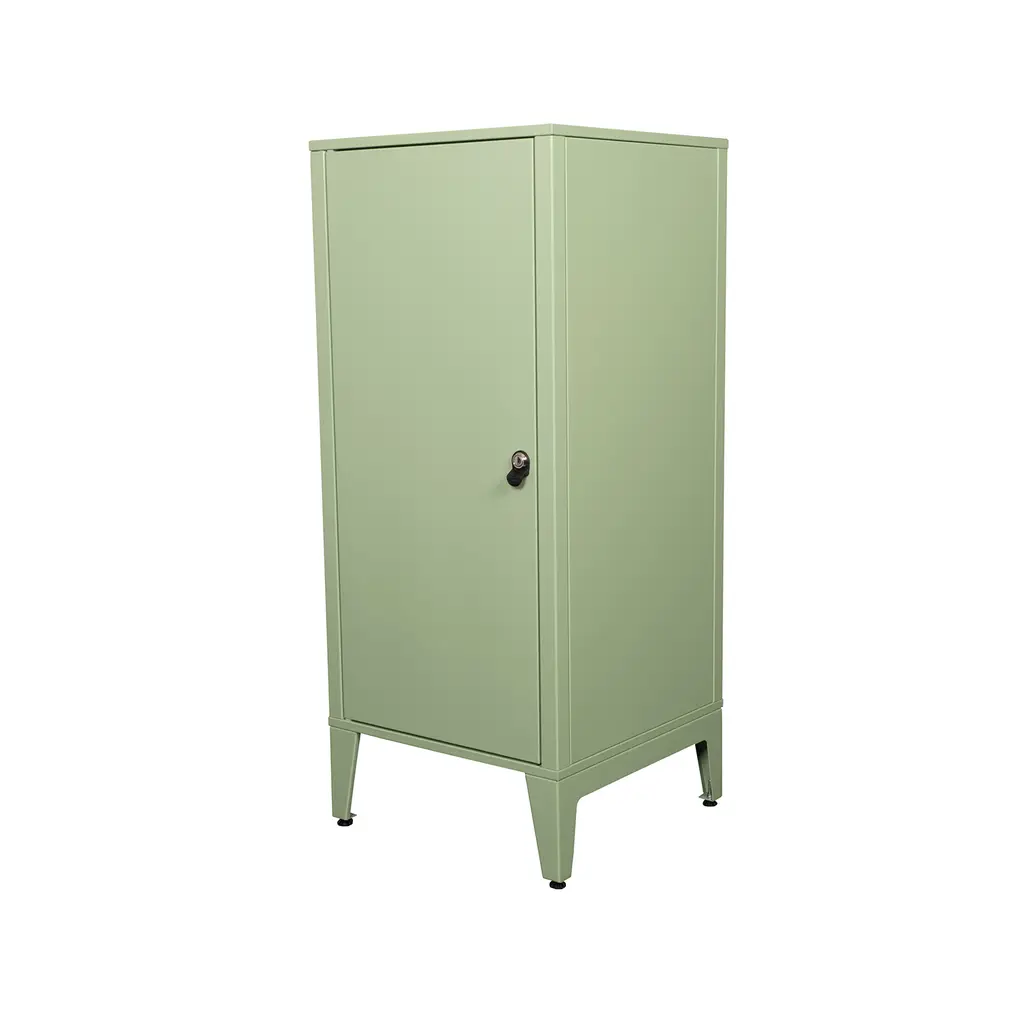
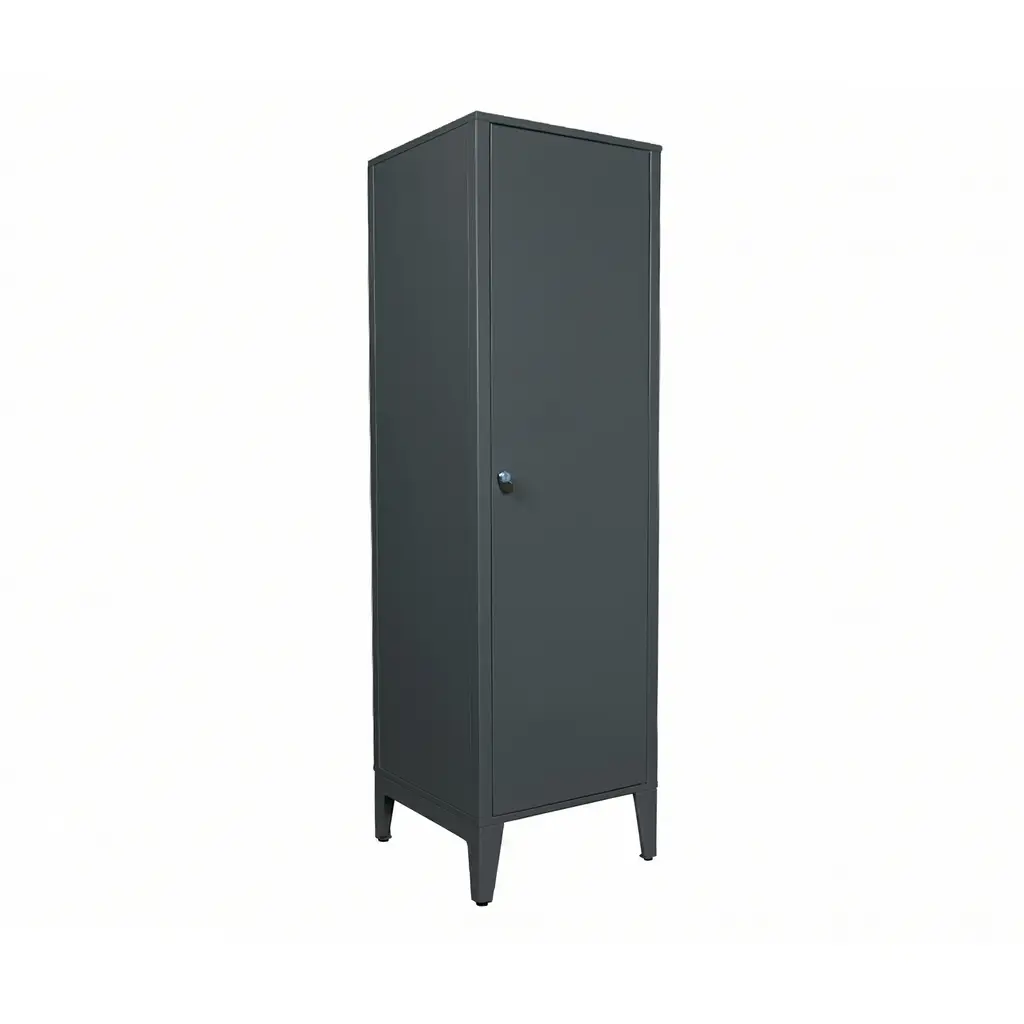
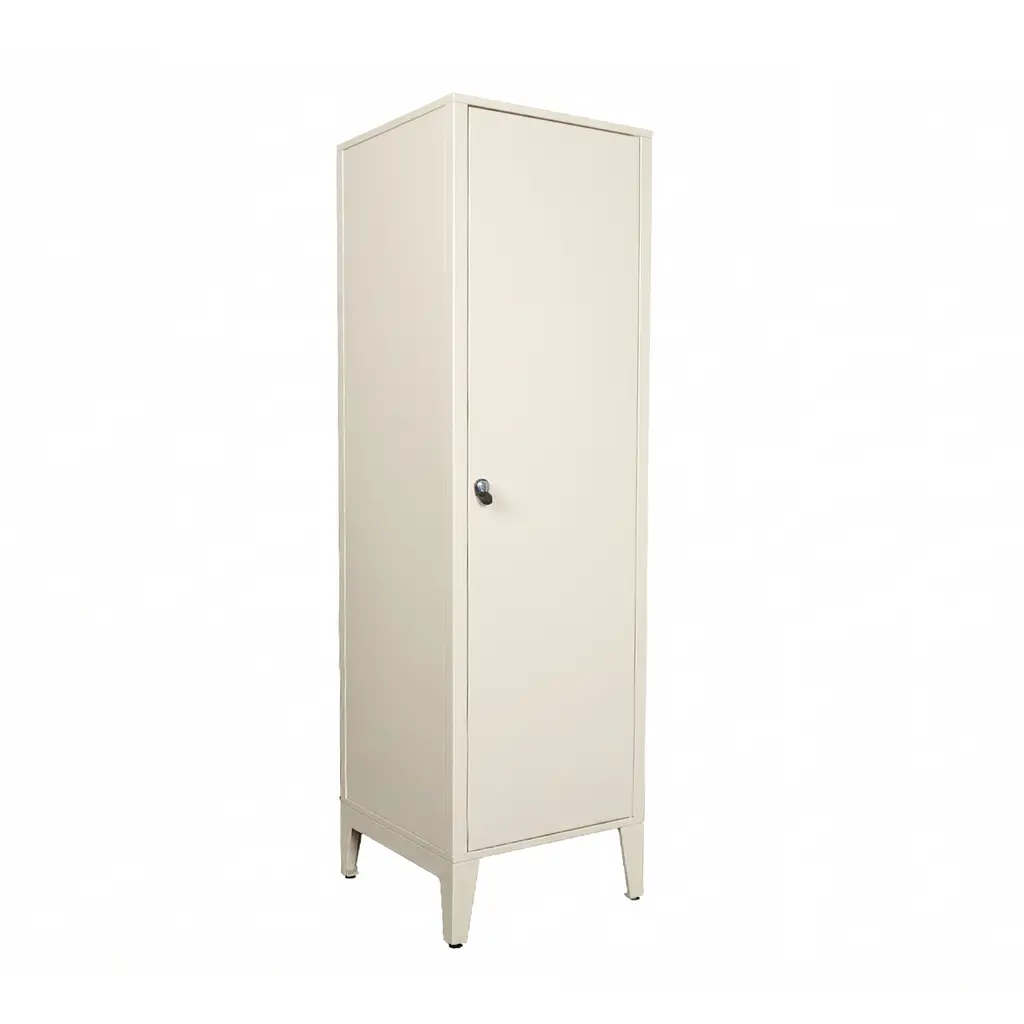
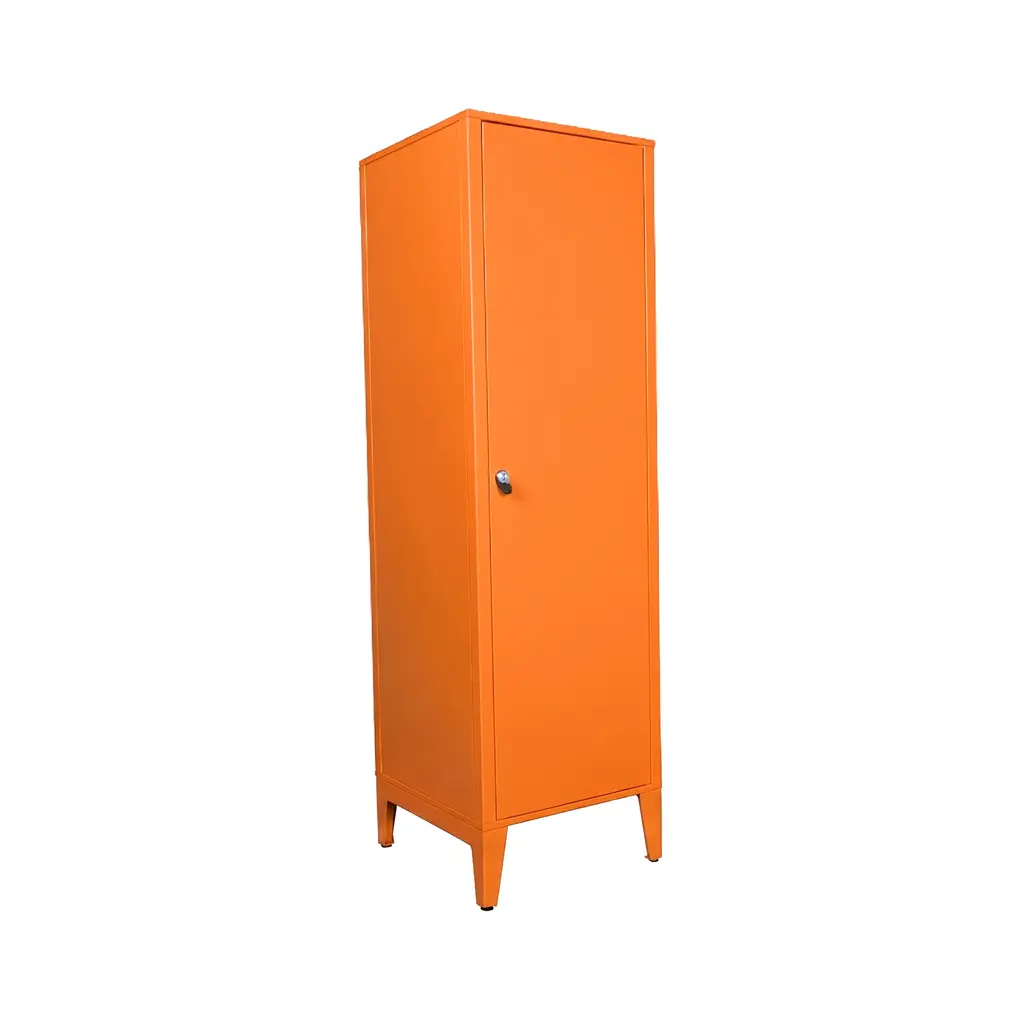
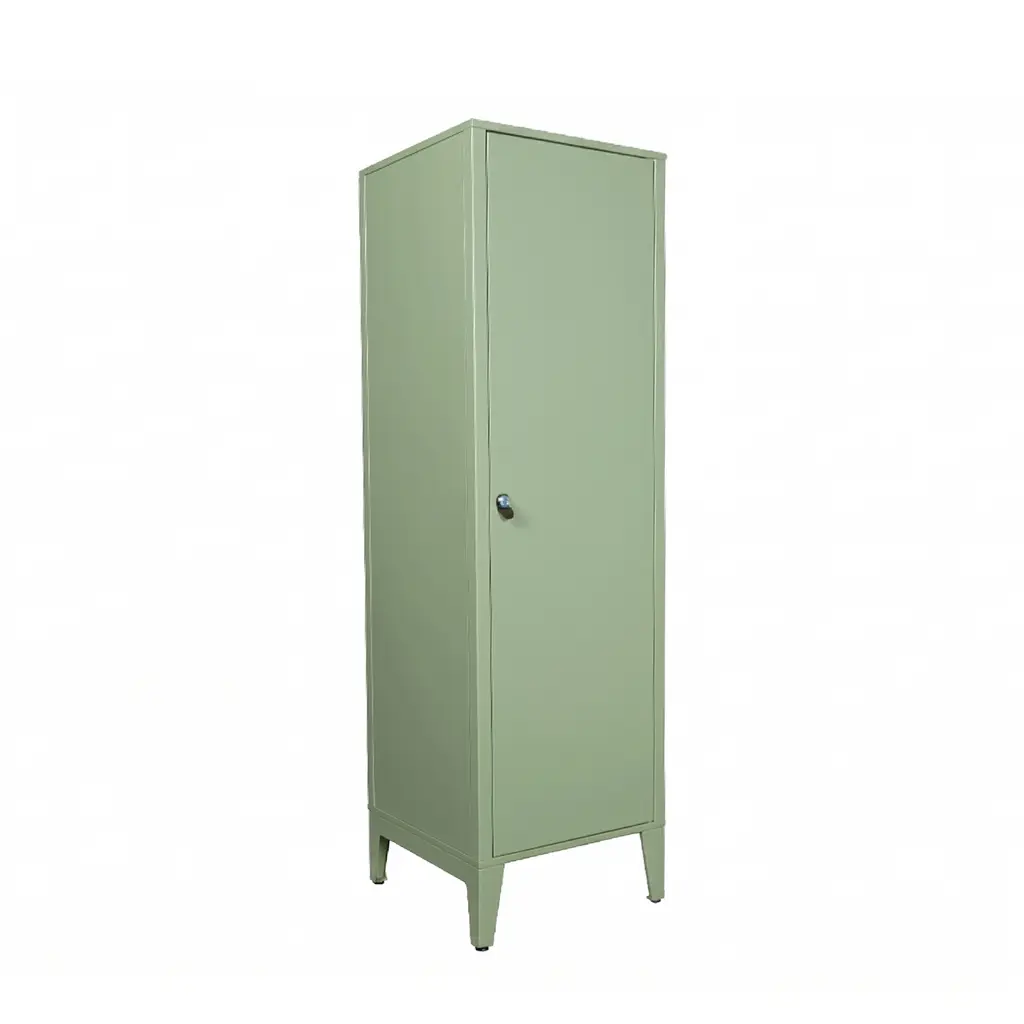
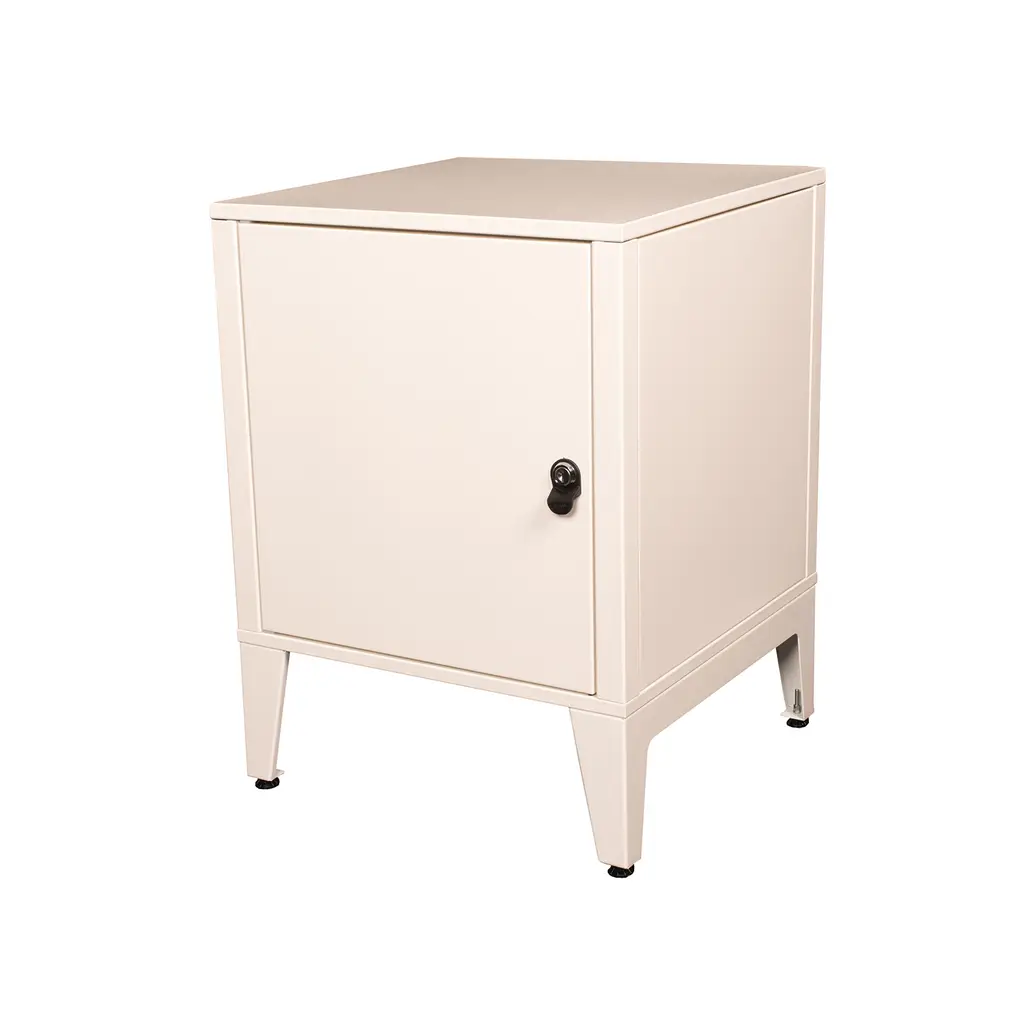
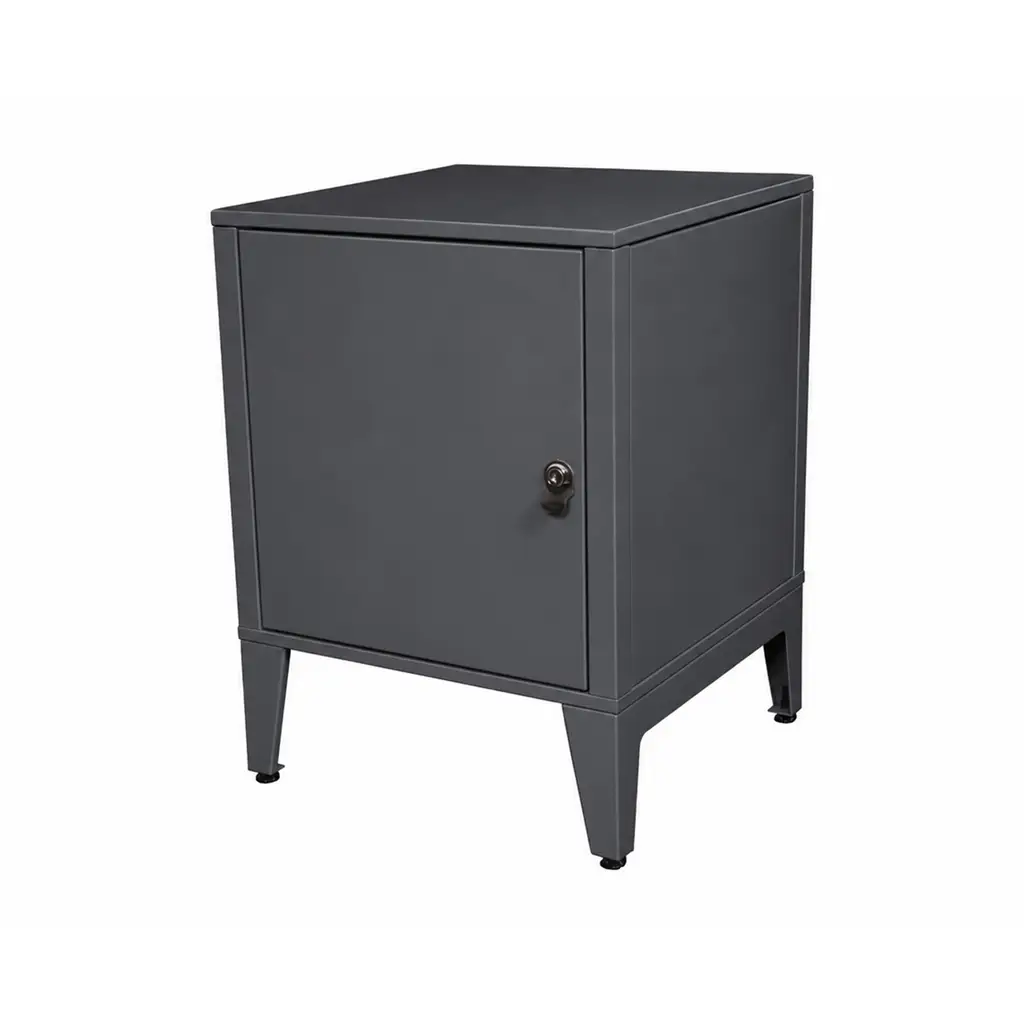
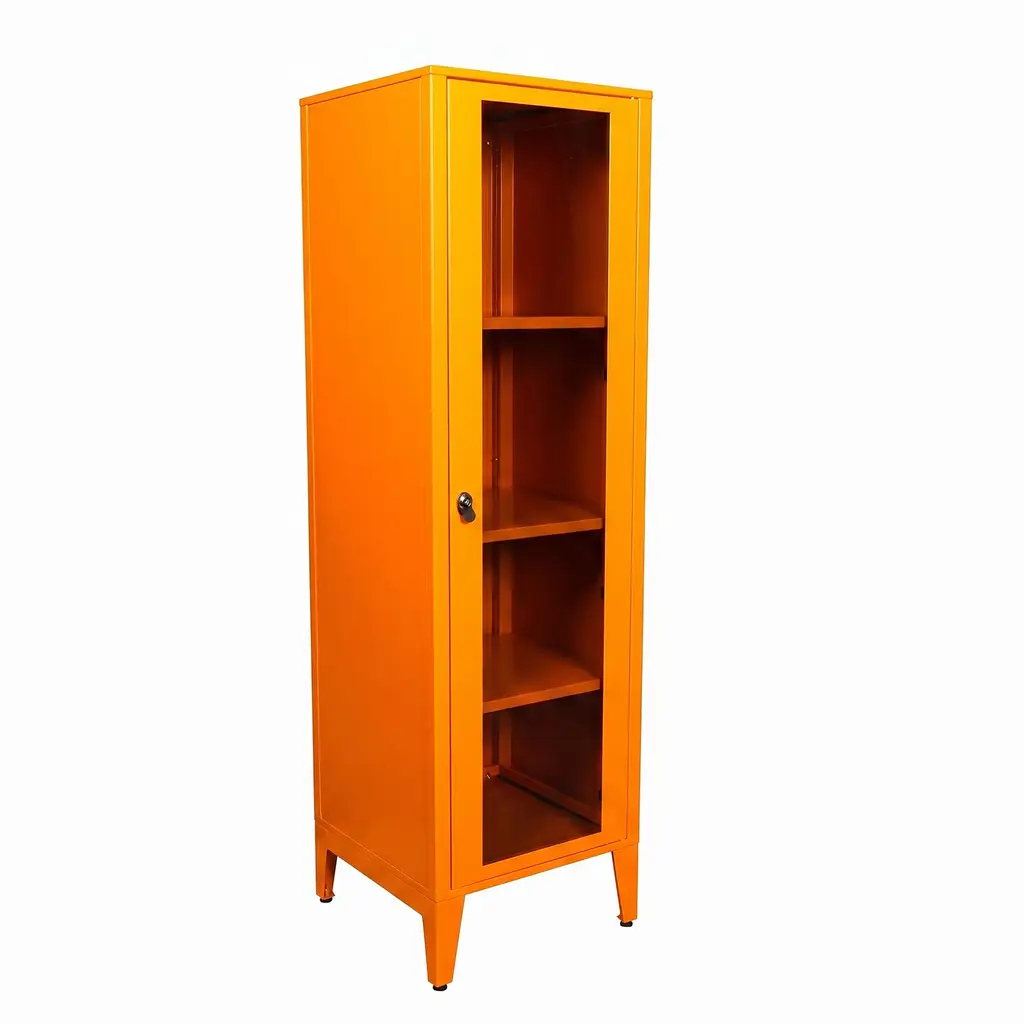
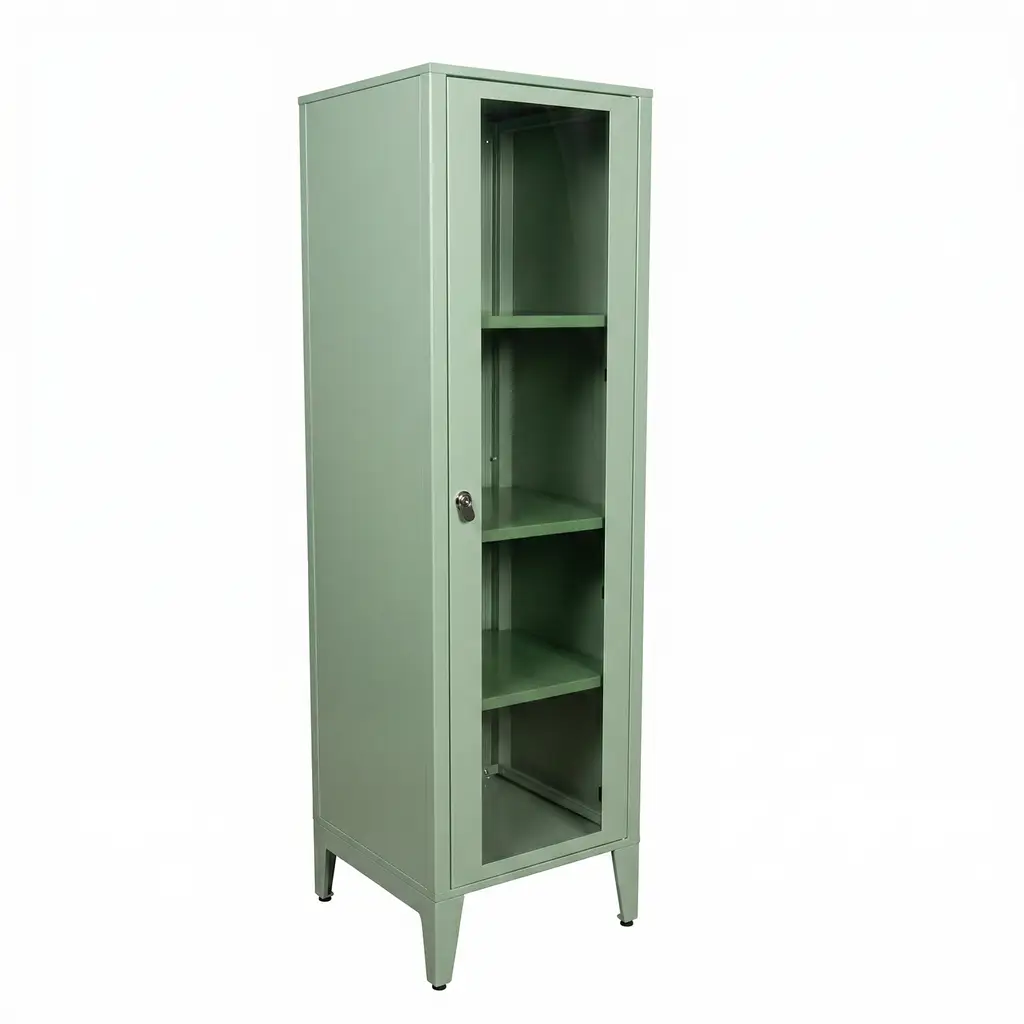
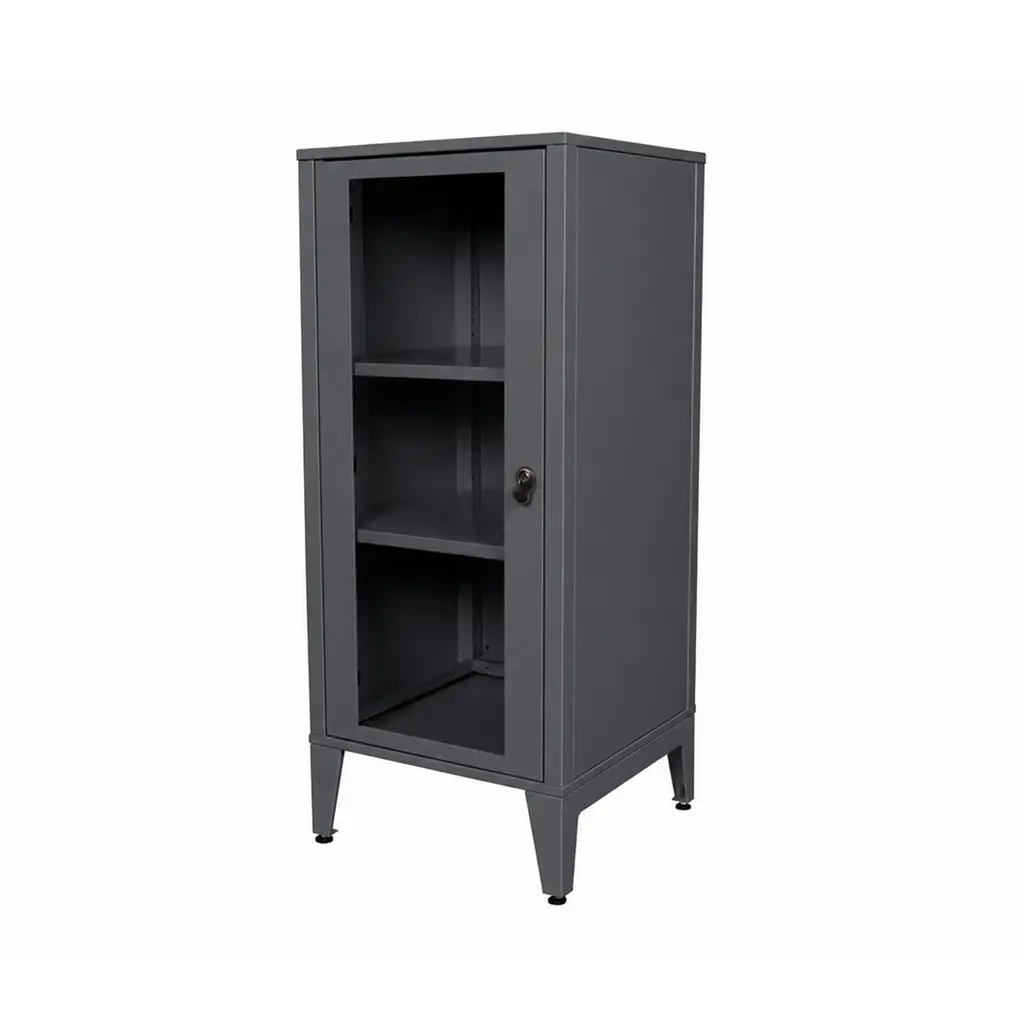
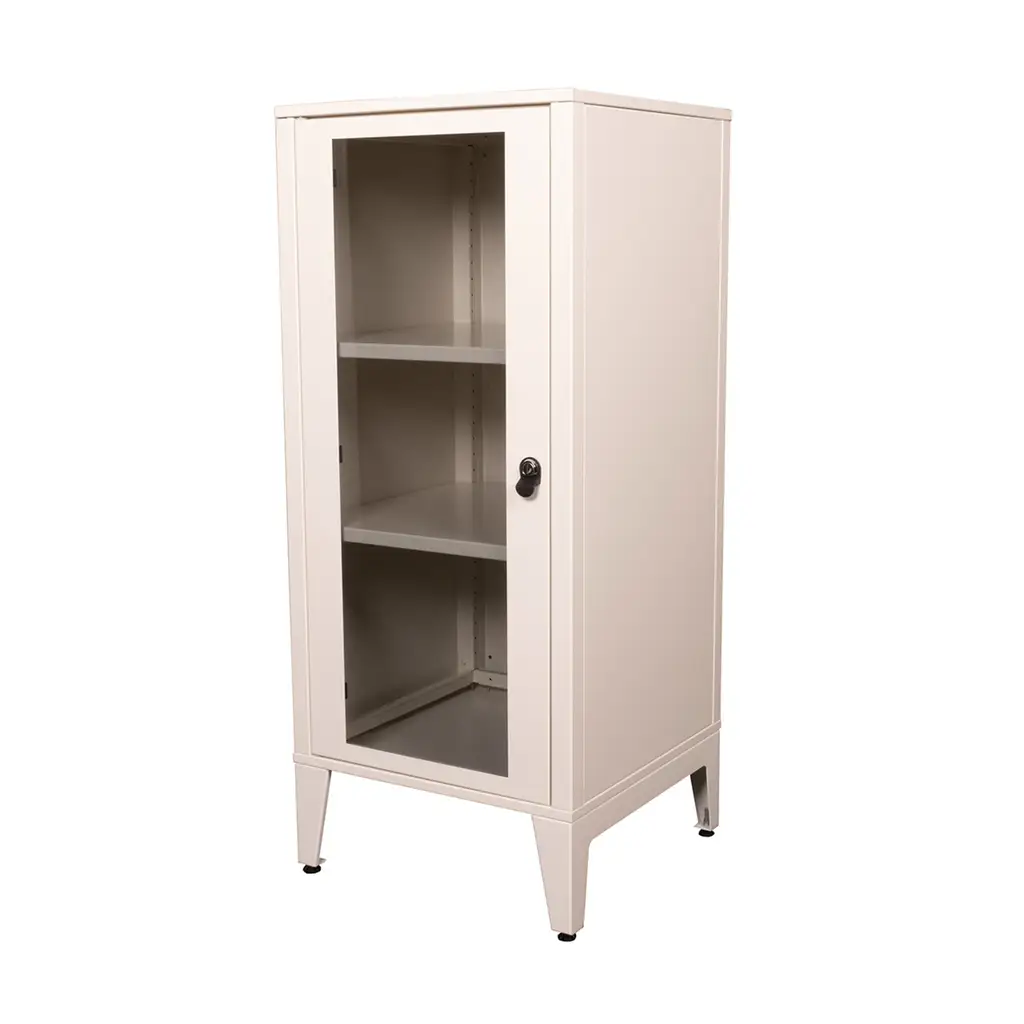
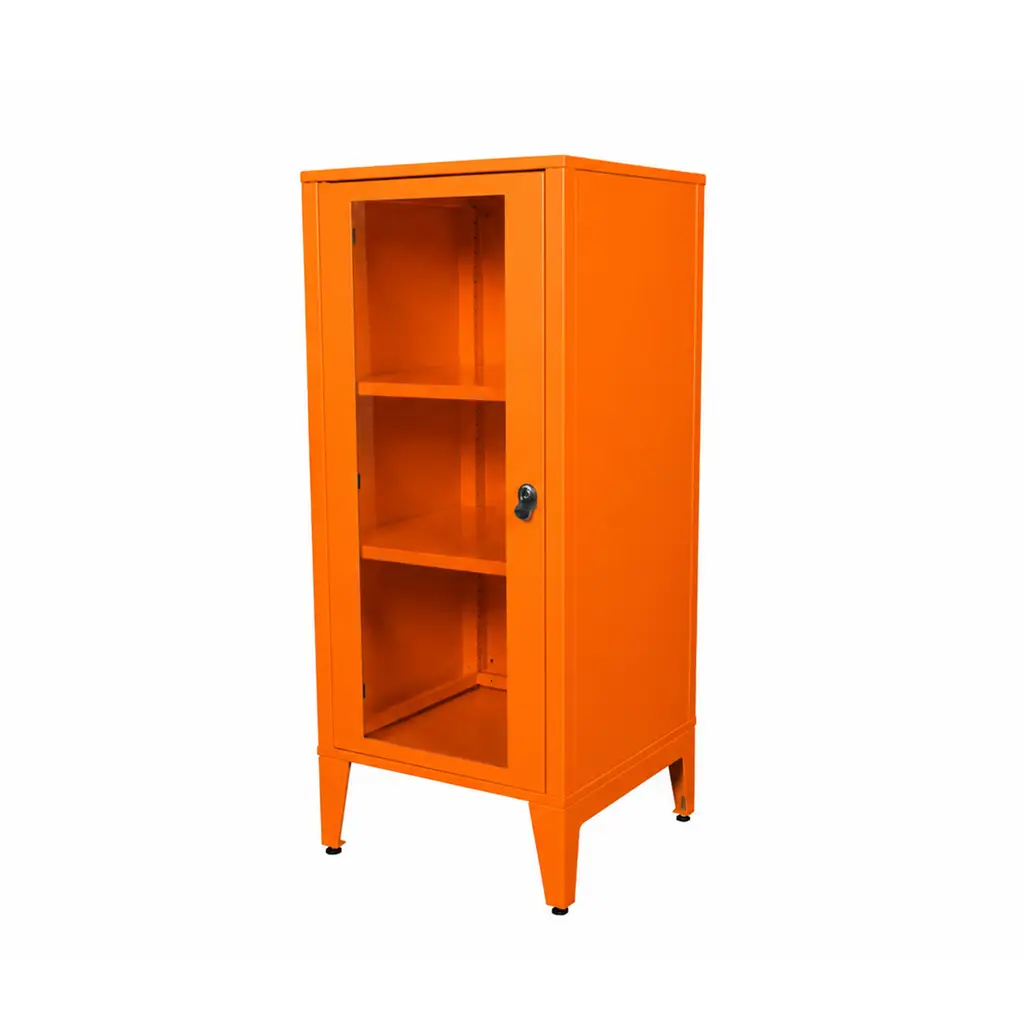
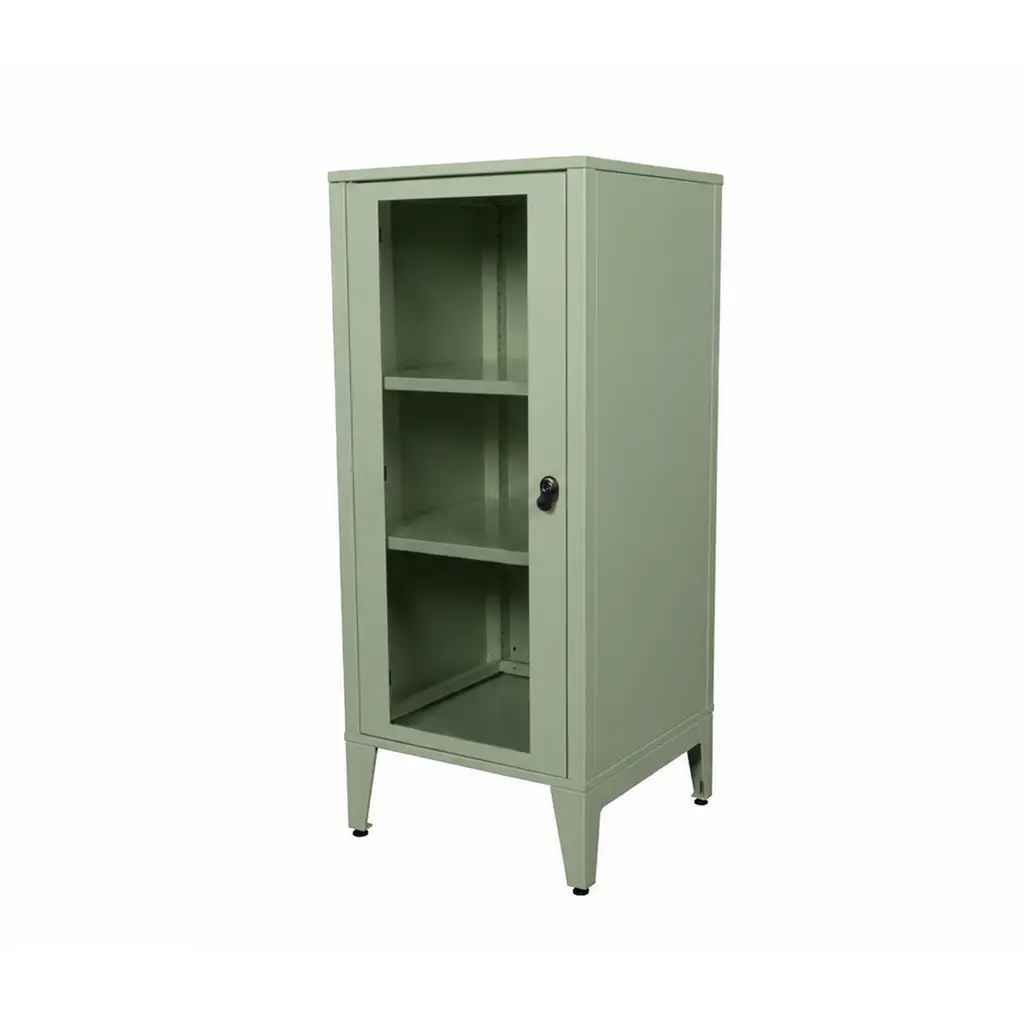
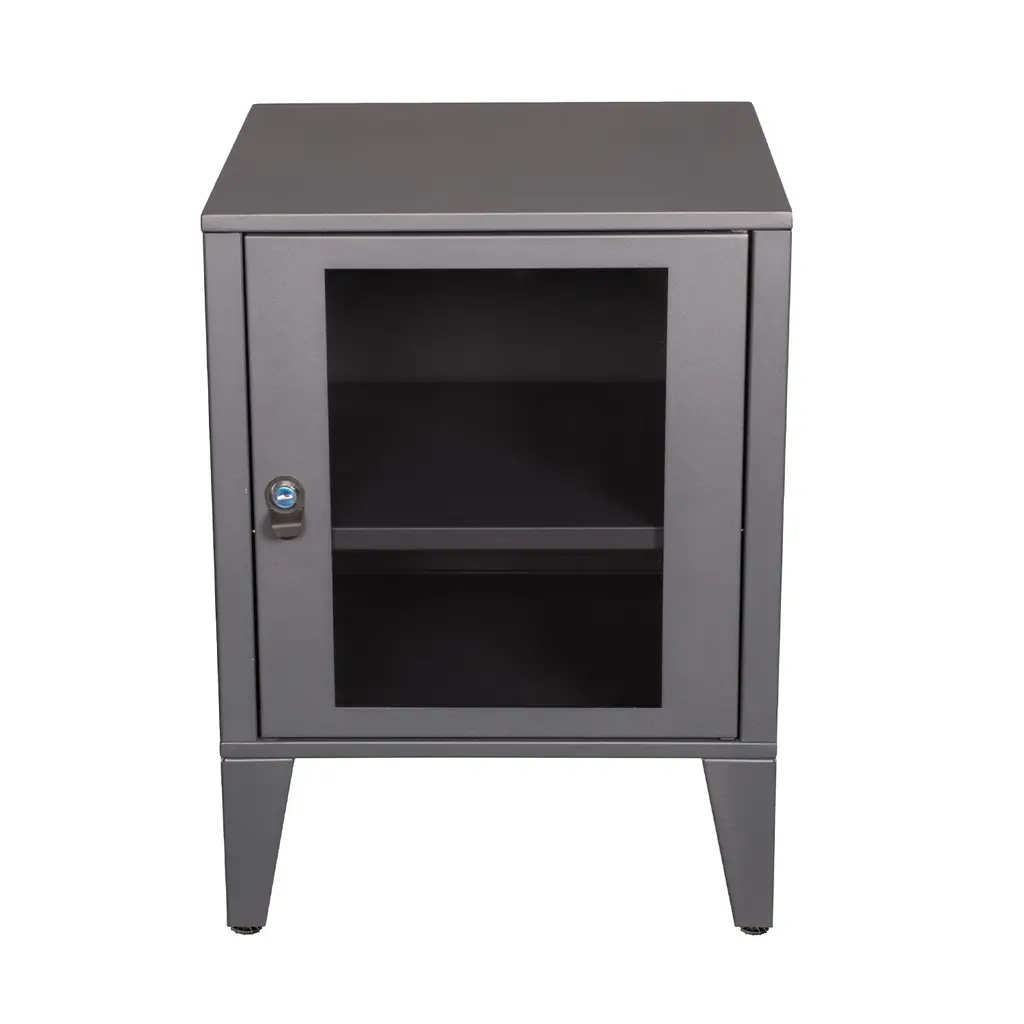
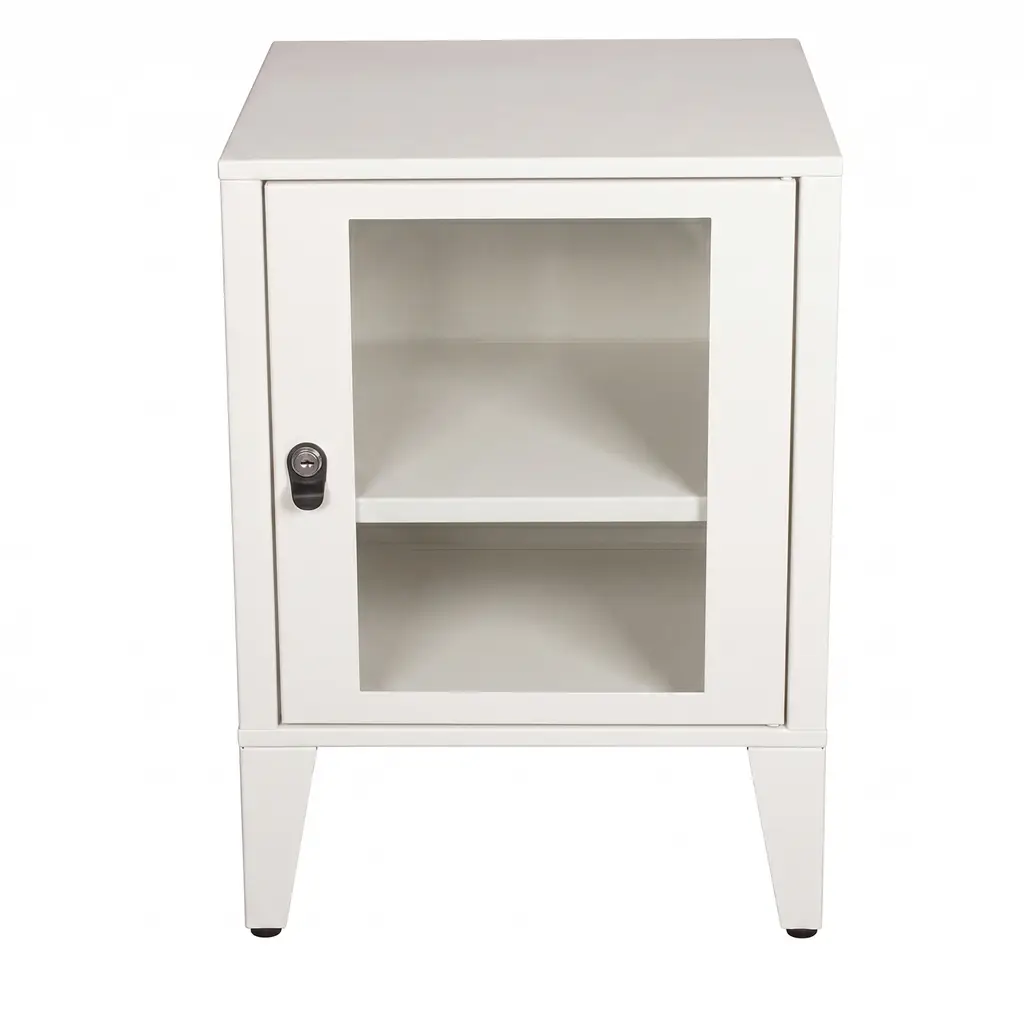
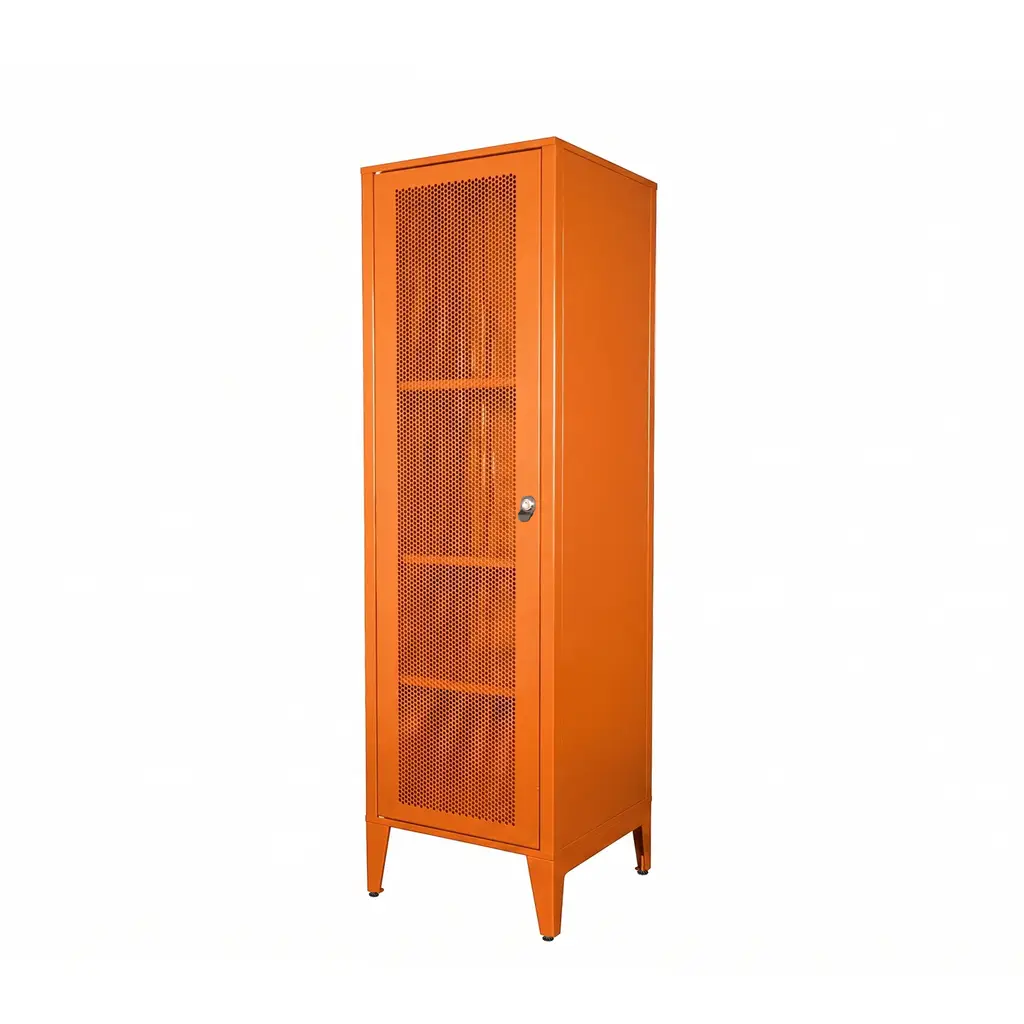
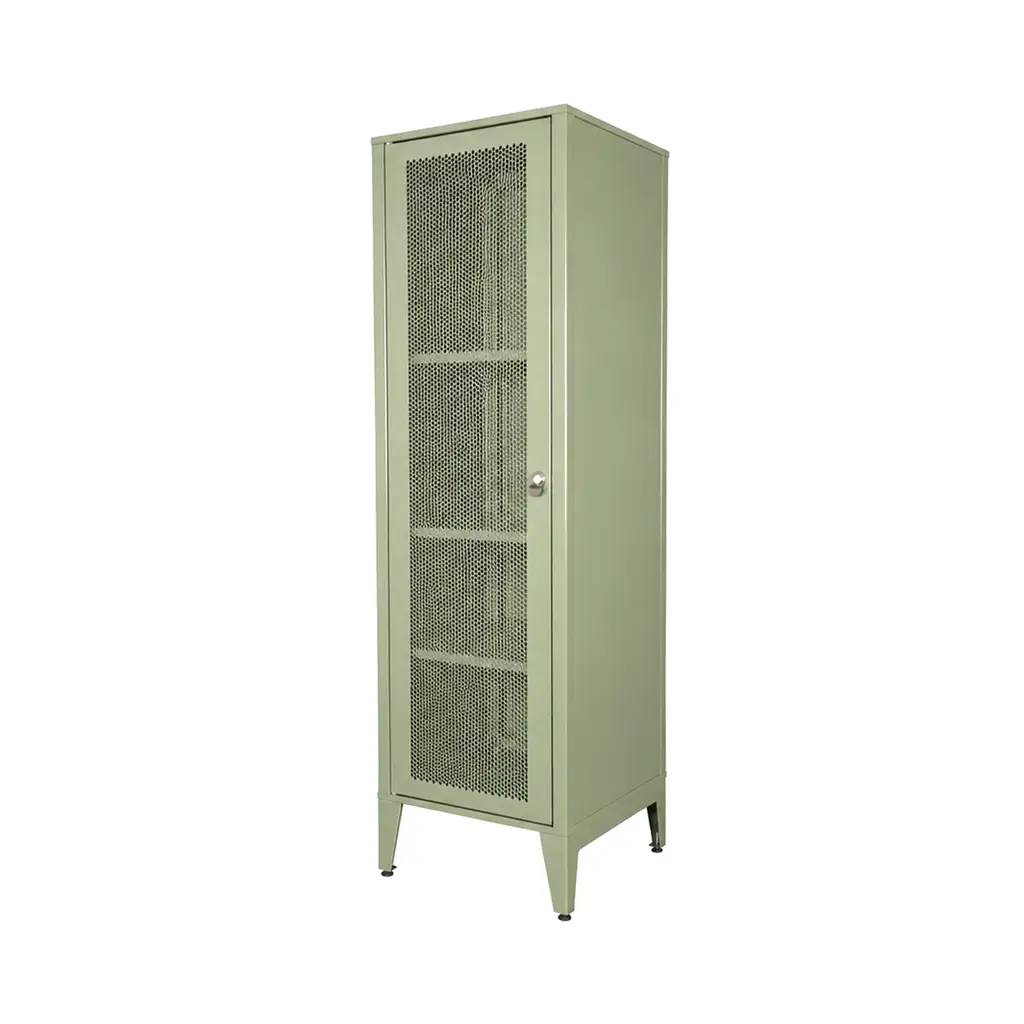
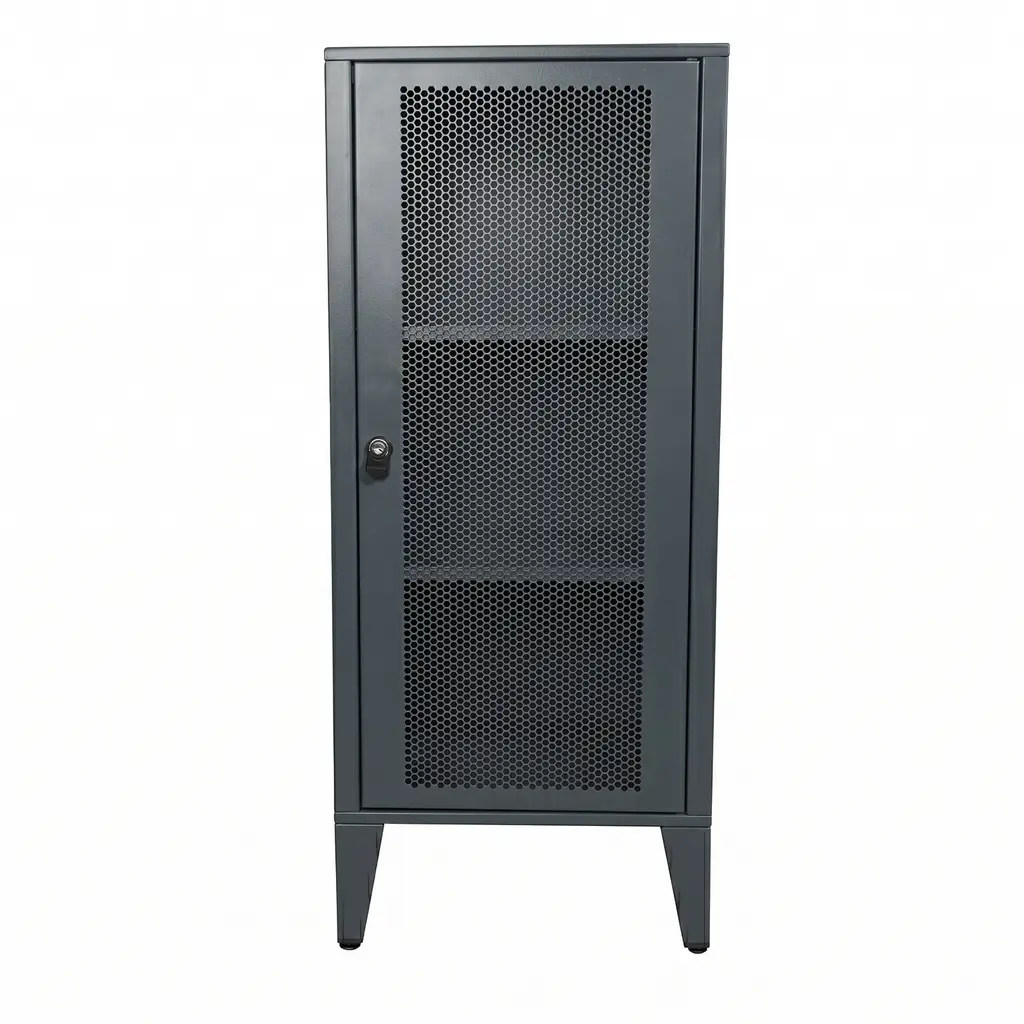
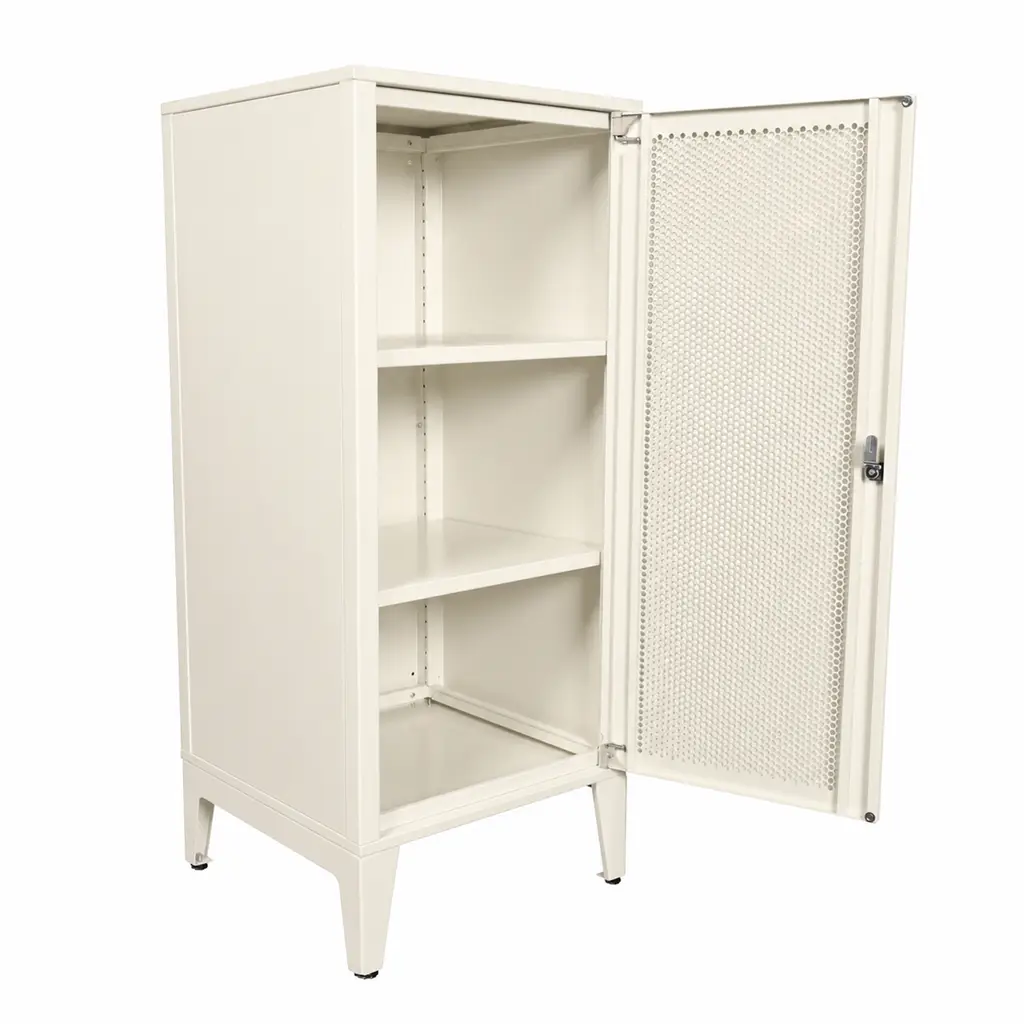
ALFAHOME, the new brand of ALFAFONET, brings together wall-mounted metal cabinet options with different dimensions and functional features. Models in the Ziglat series provide solutions for a range of requirements, from offices and technical working environments to educational facilities and spaces containing electronic equipment.
A wall-mounted cabinet is a storage or equipment housing product that is installed on a suitable surface rather than being placed on the floor.
The key feature of this design is that storage space is moved onto a vertical surface. This makes it possible to keep various devices, materials and equipment in a designated location without requiring additional floor space for furniture.
Wall-mounted cabinets can be particularly useful in environments containing electronic and technical equipment, helping keep devices positioned in a more controlled and organised manner.
Depending on the intended use and model, these products may offer the following features:
Wall-mounted installation
Metal construction
Reduced use of floor space
Vertical storage
Different size options
Lockable options
Technical equipment storage
Organised positioning of electronic devices
Suitable for offices and technical environments
These features make metal wall cabinet models particularly practical for working environments where floor space is limited.
Wall-mounted products can be used not only for general storage but also for organising electronic and technical equipment.
In offices, modems, routers, connectivity devices and various supplementary pieces of equipment can create clutter when left on desks or floors.
Office wall cabinet models can help bring this type of equipment together in a designated location, making more efficient use of the working environment.
Technical equipment cabinet solutions can be used in environments containing electronic devices, connectivity equipment and technical materials.
The dimensions and functional features of the product should be assessed according to the equipment that needs to be stored.
Suitable network cabinet models can be considered for positioning routers, switches, modems and similar network equipment in a designated area.
When selecting a product for this purpose, the dimensions of the devices, connection points and cable routing requirements should be checked in advance.
Wall-mounted solutions can be used in educational areas containing computers, electronic devices and supplementary equipment.
Making use of vertical surfaces can be particularly beneficial in laboratories and working environments with limited floor space, helping to make more efficient use of the available area.
Unlike conventional floor-standing furniture, a wall-mounted product transforms an available wall surface into storage space.
One of the main advantages of using a wall-mounted cabinet is that it does not require additional furniture space on the floor.
This can leave more floor space available for desks, chairs, equipment and other working essentials.
Unused wall surfaces can be utilised for storage. This approach can be particularly useful in small offices and busy technical environments where saving space is important.
Keeping modems, routers, connectivity equipment and various electronic devices together in a designated location can help reduce clutter within the working environment.
Models featuring a locking mechanism can help keep equipment within a designated area while providing controlled access.
Technical devices left on desks, shelves or floors can reduce available working space and negatively affect the overall organisation of the environment.
Technical equipment cabinet models can be considered for positioning this type of equipment in a suitable and designated area.
For modems, routers, switches and similar network devices, the internal dimensions of the product should be compatible with the equipment.
When selecting a network equipment cabinet, cable connections and the access space required during use should also be considered alongside the dimensions of the devices.
Keeping electronic equipment in a designated location can help make better use of desks and other working surfaces.
When choosing an electronic equipment cabinet, the dimensions and total weight of the devices should be considered together with the technical specifications of the product.
Cables, connectors and supplementary technical materials can also be organised inside models with suitable internal capacity.
For this type of use, it is important to ensure that the product's load capacity and mounting features meet the requirements.
Some equipment may need to be accessible only to specific users. In such situations, lockable wall-mounted cabinet models can be considered.
They can help keep network devices, electronic products and supplementary equipment stored in a controlled manner.
They can be used in working environments where devices need to be kept in a designated location and access needs to be restricted.
Lockable models can be preferred in working environments where technical equipment should only be accessible to authorised users.
They can help keep computers and electronic devices stored in a controlled manner in classrooms, laboratories and similar environments.
Every space has a different amount of available wall surface and a different equipment storage requirement. For this reason, it is important to consider not only the external dimensions of the product but also its usable internal capacity.
Compact wall-mounted technical cabinet models can be considered for areas where a small number of electronic devices or compact equipment needs to be stored.
Medium-sized products can be preferred in offices and technical working environments where several devices need to be kept in the same location.
Models with greater internal capacity can be considered where several pieces of equipment need to be stored together.
When selecting dimensions, it is important to consider not only the width of the wall surface but also the depth of the product, door opening clearance and the space required to access the equipment.
When selecting a product to be installed on a wall, both its appearance and its installation and usage requirements should be considered.
The construction and load-bearing capacity of the wall where the cabinet will be installed should be assessed. Using suitable mounting hardware is important for safe installation and use.
The width, height and depth should be checked according to the available space.
For models intended to house technical devices, the dimensions of the equipment should be determined in advance.
The total weight of the devices and materials stored inside the cabinet should be compatible with the product's specified load capacity.
If access to the equipment needs to be controlled, lockable models can be considered.
For products intended to house electronic devices, the position of cable connections and their compatibility with the available space should be taken into account.
It should be determined in advance whether the product will be used for general storage, electronic device housing or technical equipment organisation.
Unused wall surfaces can provide valuable storage potential, particularly in small offices and busy technical environments.
Positioning modems, routers, connectivity equipment and similar devices inside a suitable wall-mounted cabinet can help reduce clutter on desks and floors.
Positioning the cabinet correctly in relation to desks, worktops and other equipment can make access easier while helping make more efficient use of the available space.
For this reason, it is important to consider not only the product dimensions but also the position of the mounting surface and the access space required during everyday use.
For safe use of wall-mounted products, the technical specifications of the product and the installation conditions should be considered together.
The total load stored inside the cabinet should be compatible with the specified load capacity. The structure of the mounting surface should be checked and suitable fixings should be used.
When determining the installation height, users' access to the equipment, the door opening clearance and the space required during operation should all be considered.
When electronic devices are stored inside the cabinet, their dimensions, connections and cable routing should also be assessed before selecting a product.
Keeping technical equipment in an organised area can help create a more controlled working environment.
An electronic equipment cabinet or a suitably sized wall-mounted model can be used to position modems, routers, switches, connectivity devices and various supplementary materials in a designated location.
For this type of application, it is important to consider not only the physical dimensions of the product but also its load capacity and the conditions required for accessing the equipment.
The ALFAHOME wall-mounted cabinet collection provides solutions for offices, technical working areas and electronic equipment environments where efficient use of floor space is important.
The Ziglat series includes models with different dimensions and load capacities. Lockable options can also be considered according to the intended application.
Thanks to their wall-mounted design, these products help bring various devices and equipment together in a designated location without requiring additional floor space.
Particularly in offices, network infrastructure areas, technical working environments and spaces containing electronic devices, ALFAHOME wall-mounted cabinet models provide an option for making more efficient use of the available space.
When selecting a product, the dimensions of the wall surface, the size of the equipment to be stored, the total weight and the intended use should all be considered together.
Relying solely on floor-based storage can quickly reduce the available space, particularly in small working environments.
A vertical storage approach makes it possible to utilise otherwise unused wall surfaces.
Wall-mounted metal cabinets can help organise technical devices, network equipment and supplementary materials in a designated location without taking up additional floor space.
This approach can reduce clutter around desks and contribute to a more spacious and functional working environment.
When a product with suitable dimensions and load capacity is selected, wall-mounted storage can provide a practical solution that supports both efficient space utilisation and equipment organisation.
Environments containing electronic and network equipment may require storage solutions with different characteristics from conventional furniture.
A suitable wall-mounted product can help organise modems, routers, switches, cables and supplementary equipment in one designated location.
Wall-mounted metal cabinets can be particularly useful in offices and technical working areas where floor space is limited, helping make better use of existing surfaces.
When selecting a product, the intended use, device dimensions, load capacity, mounting surface and access requirements should all be considered together.
A wall-mounted cabinet is a storage or technical equipment housing product installed on a suitable surface rather than placed on the floor.
They can be used in offices, technical working areas, network environments, educational facilities, laboratories and various working environments containing electronic equipment.
It helps keep electronic devices, network equipment, cables and various technical materials organised in a designated location.
Yes. As it is installed on a wall, it does not require additional floor space for furniture and can help preserve the available floor area.
Provided that the product's dimensions and functional specifications are suitable, it can be used to position modems, routers, switches and similar network equipment.
It helps control access to the equipment stored inside. It can be particularly useful in areas containing technical devices.
The wall structure, product dimensions, internal capacity, load capacity, mounting features, locking requirements and dimensions of the equipment to be stored should all be considered together.
For safe use, attention should be paid to the product's load capacity, the mounting surface and the use of suitable mounting hardware.
Yes. As they can be positioned independently of the floor, they can help make more efficient use of the available space in offices with limited floor area.




Alfafonet Complete Connectivity Solutions © 2026 All Rights Reserved.


0
)