×

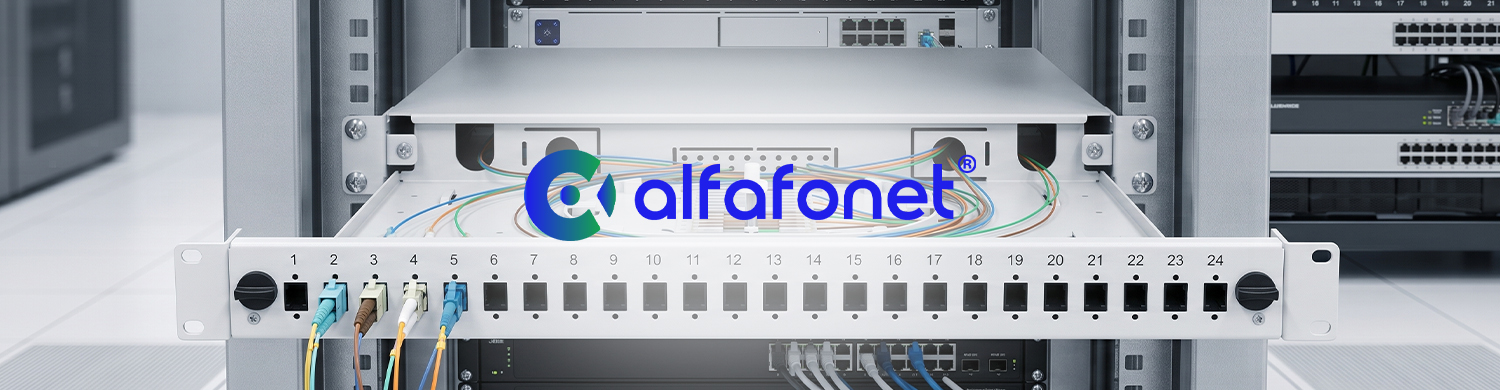
Fibre optic patch panels are passive fibre infrastructure products used to organise connection points where fibre optic cables are terminated and to centrally manage them within racks or cabinets. Used in telecommunications, data centres, server rooms, enterprise networks and fibre infrastructure applications, patch panel systems help ensure that fibre connections are managed in an organised, accessible and controlled manner.
A fibre optic patch panel is a fibre infrastructure product used to terminate fibre optic cables and organise connection points on a single panel. Rack-mounted models help position fibre connections in an organised configuration within cabinets, making cable management and access to connections easier.
Patch panels are available in different models depending on the port configuration, adapter type, connection capacity and mounting method. Therefore, when choosing a patch panel, it is important to consider the rack or cabinet structure in which it will be installed, as well as the required port capacity and connection type.
Fibre optic patch panels help organise and manage fibre connections at a central point. They are particularly useful in infrastructures with a large number of fibre connections, helping to position cables and ports in a more organised manner.
The main purposes of patch panels include:
Organising the termination of fibre optic cables
Bringing fibre connection points together in a centralised structure
Maintaining an organised connection layout within racks and cabinets
Making access to ports and maintenance operations easier
Helping manage fibre connections in a more organised manner
Fibre optic patch panel models are selected according to different requirements based on port capacity, mounting configuration and connection options. The ALFAFONET product range includes models with different port capacities for rack-mounted applications, as well as solutions for SC/LC connection configurations, including SC-SX/LC-DX and SC-DX/LC-QD options.
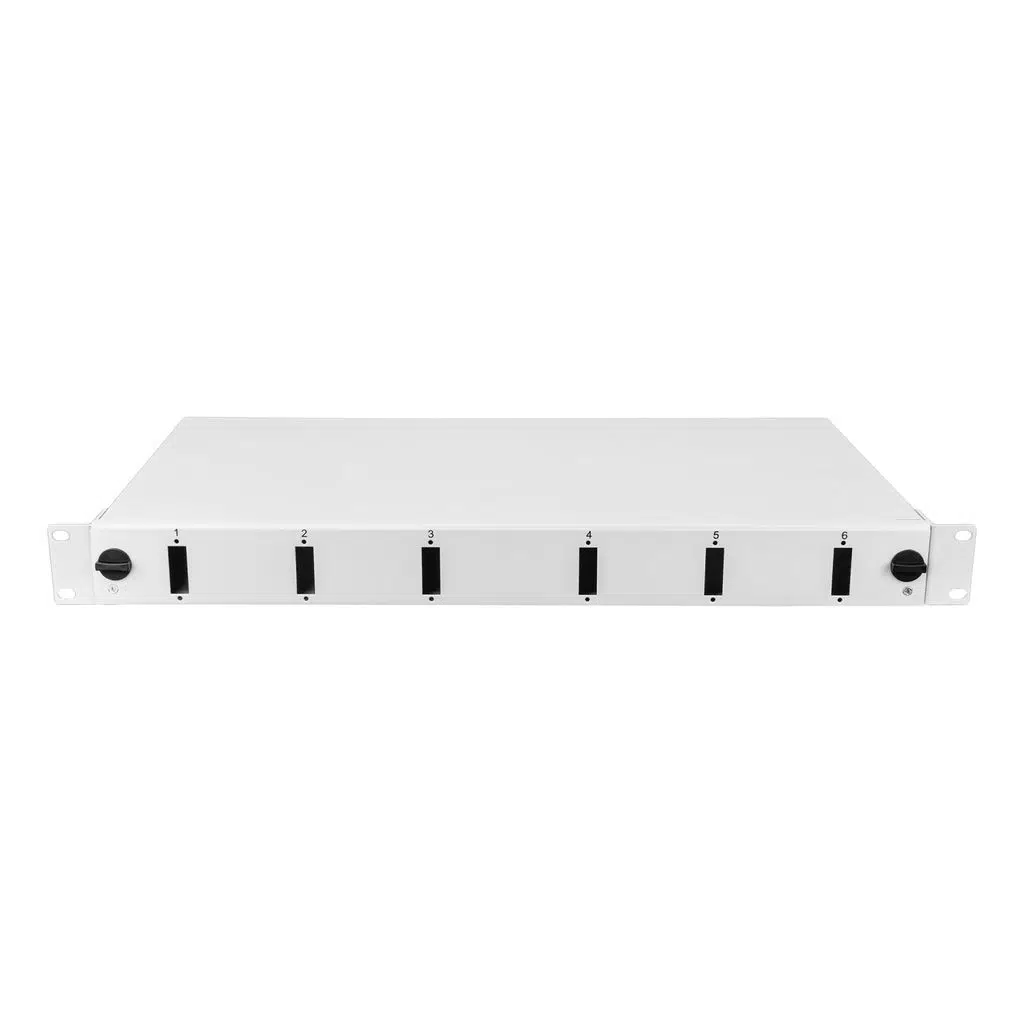
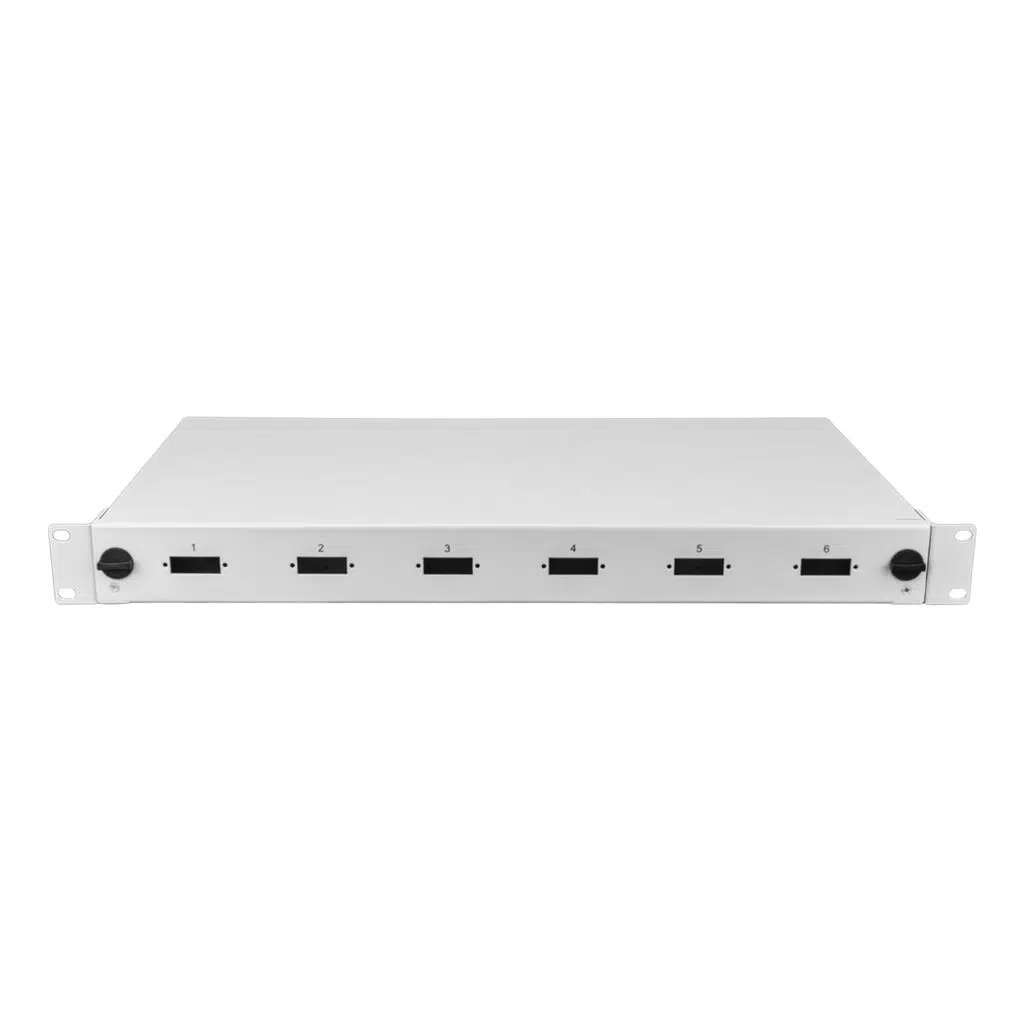
6-port patch panel models can be used in fibre infrastructures where a lower connection capacity is required, helping to organise a limited number of fibre connections within a rack.
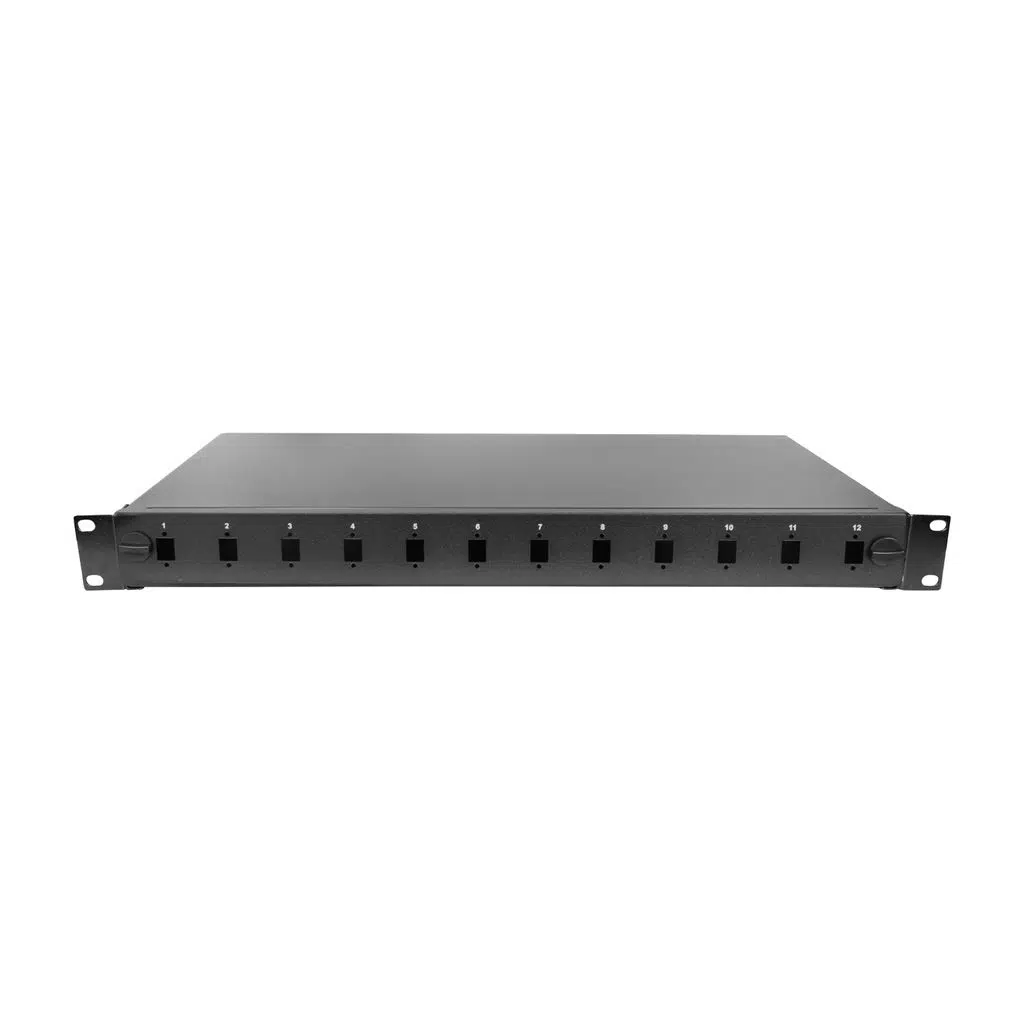
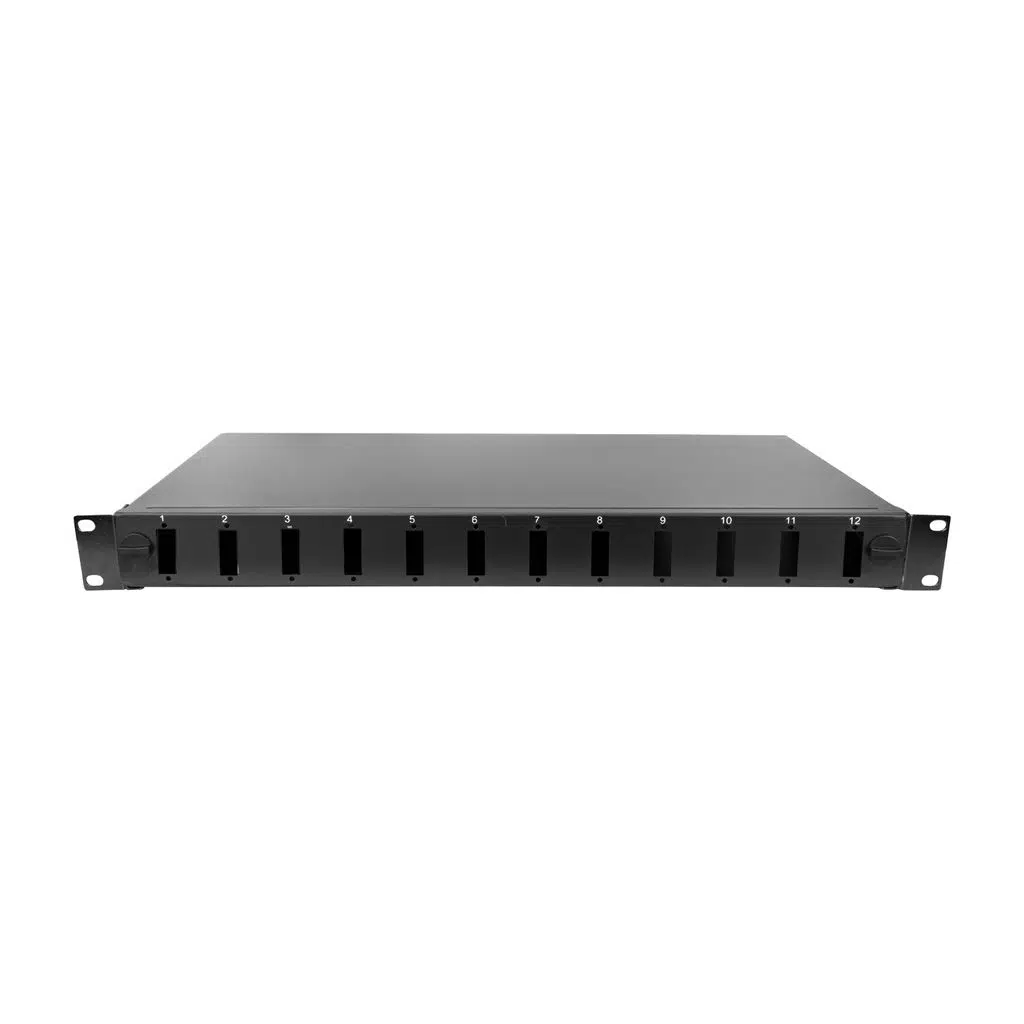
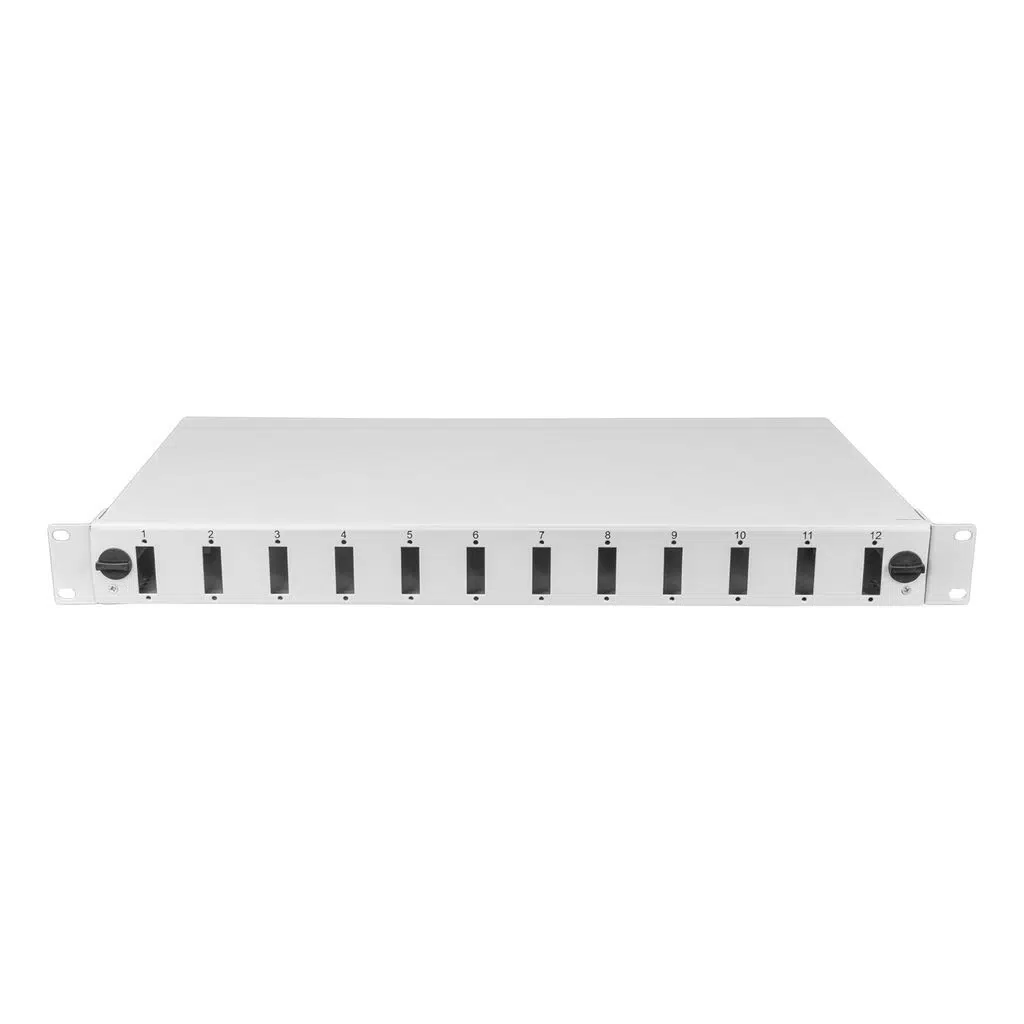
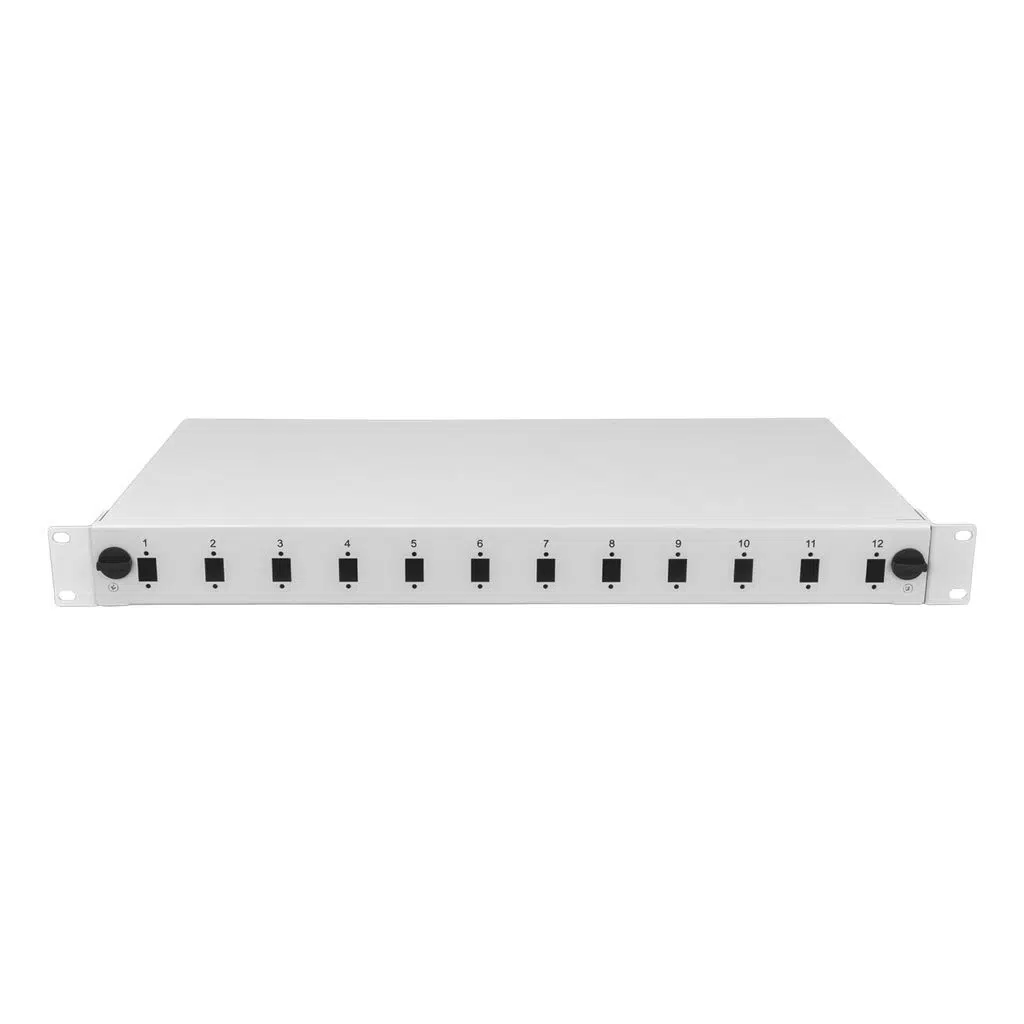
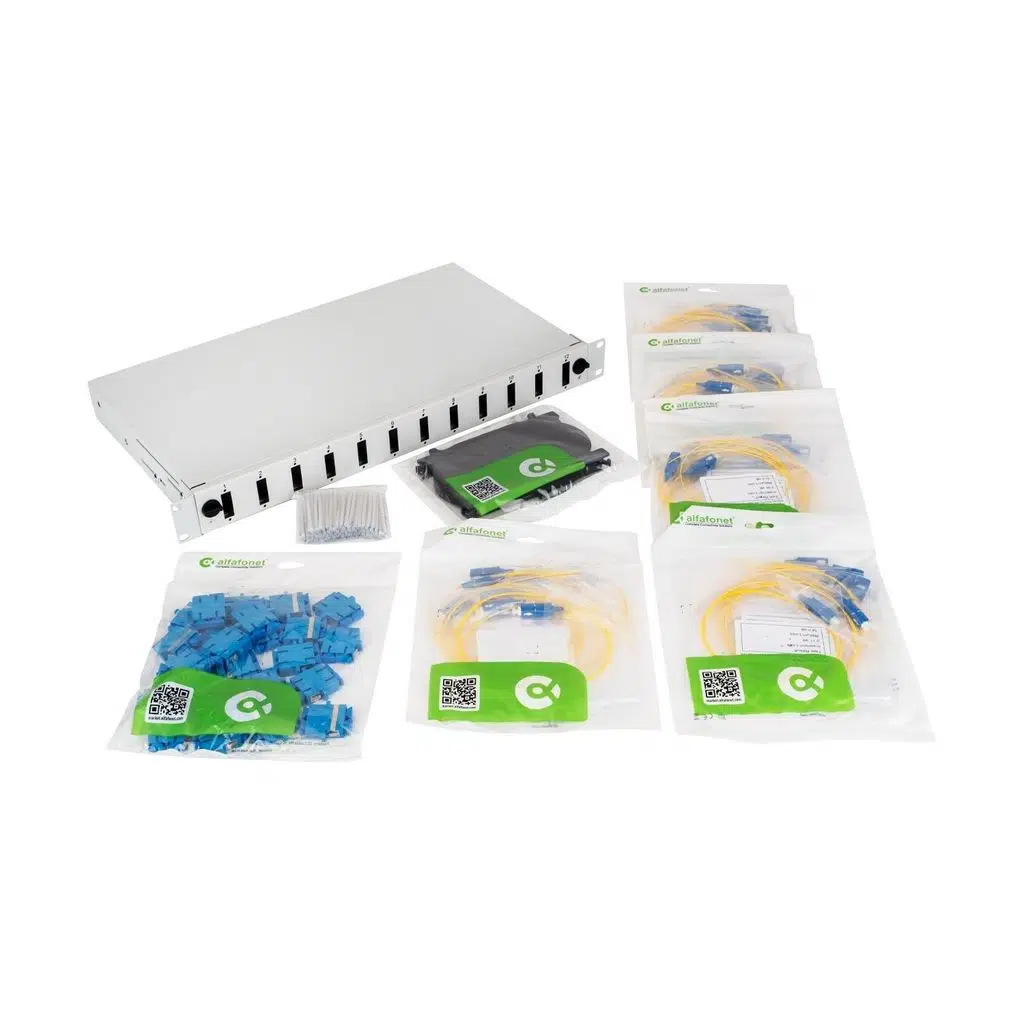
12-port fibre optic patch panels can be preferred for medium-level fibre connection requirements. They enable fibre connections within rack cabinets to be positioned and managed in an organised manner.
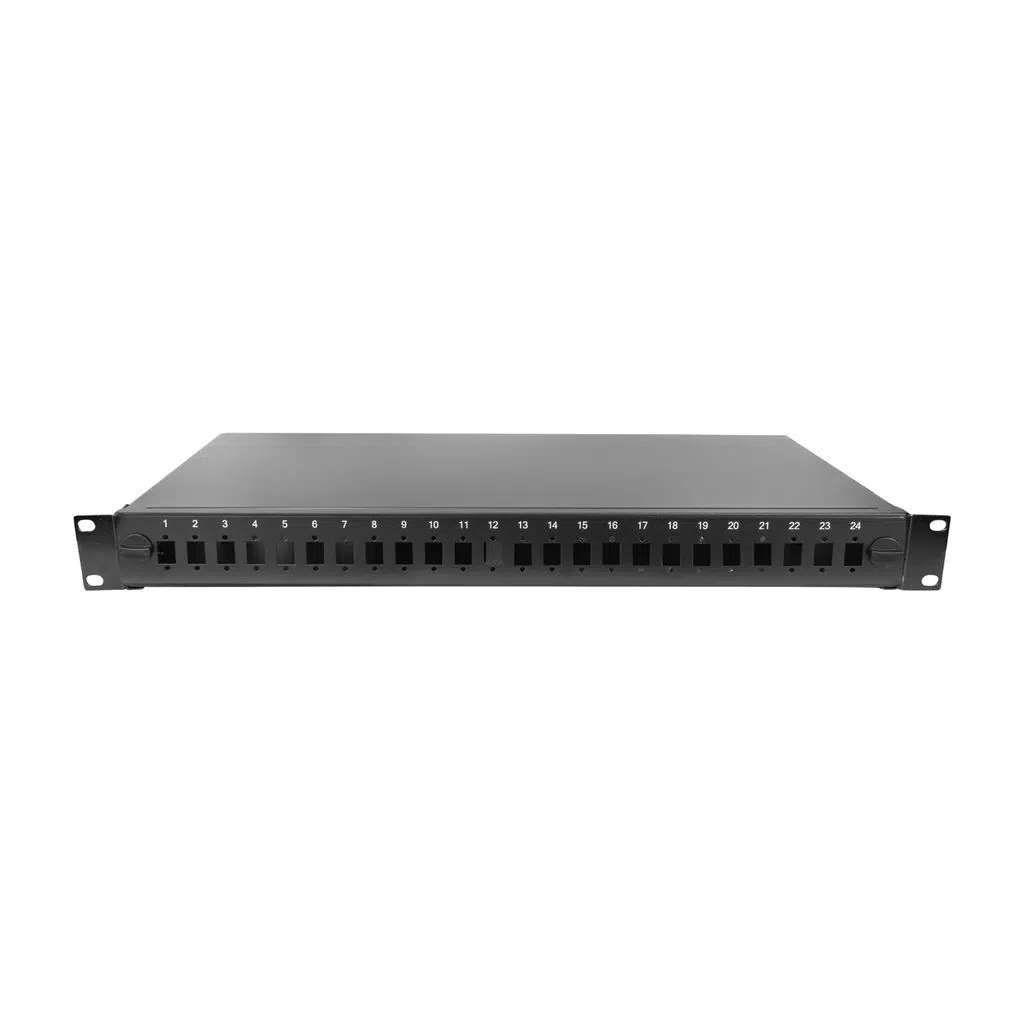
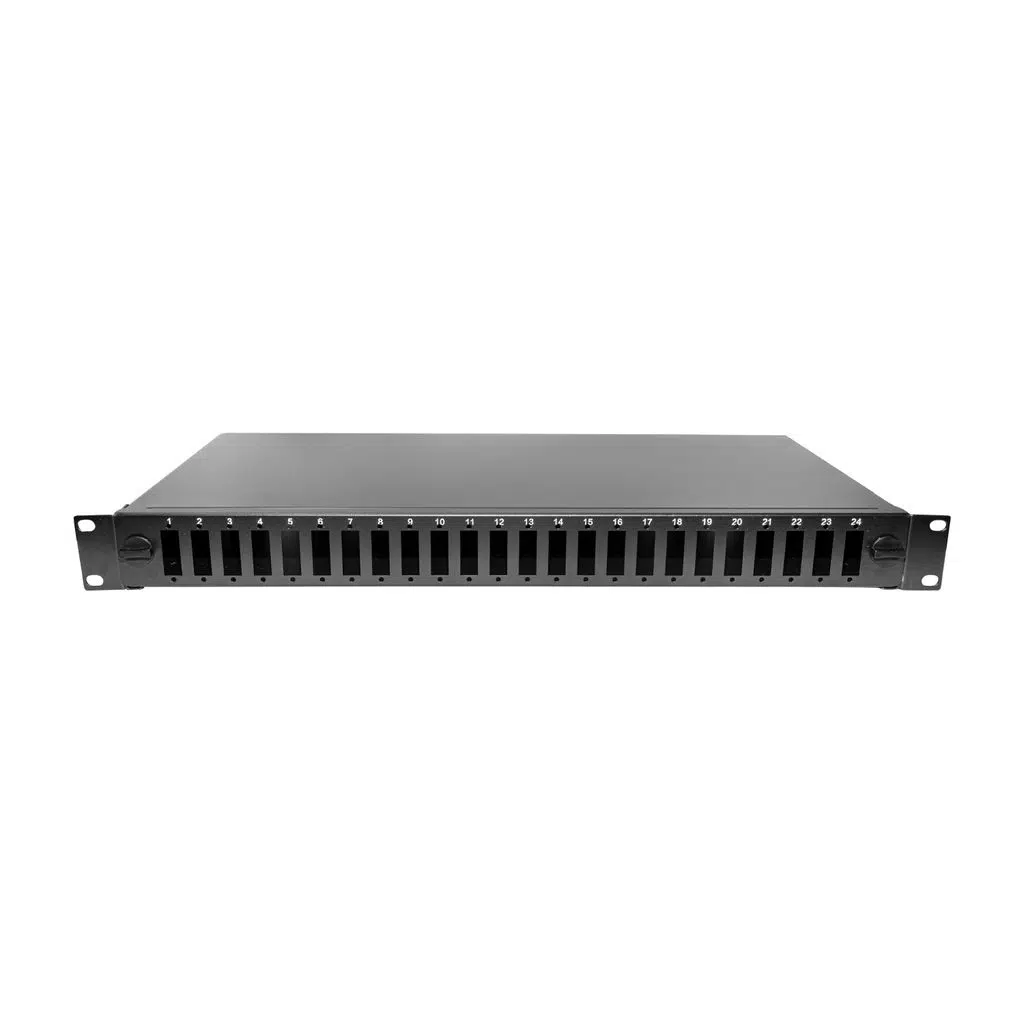
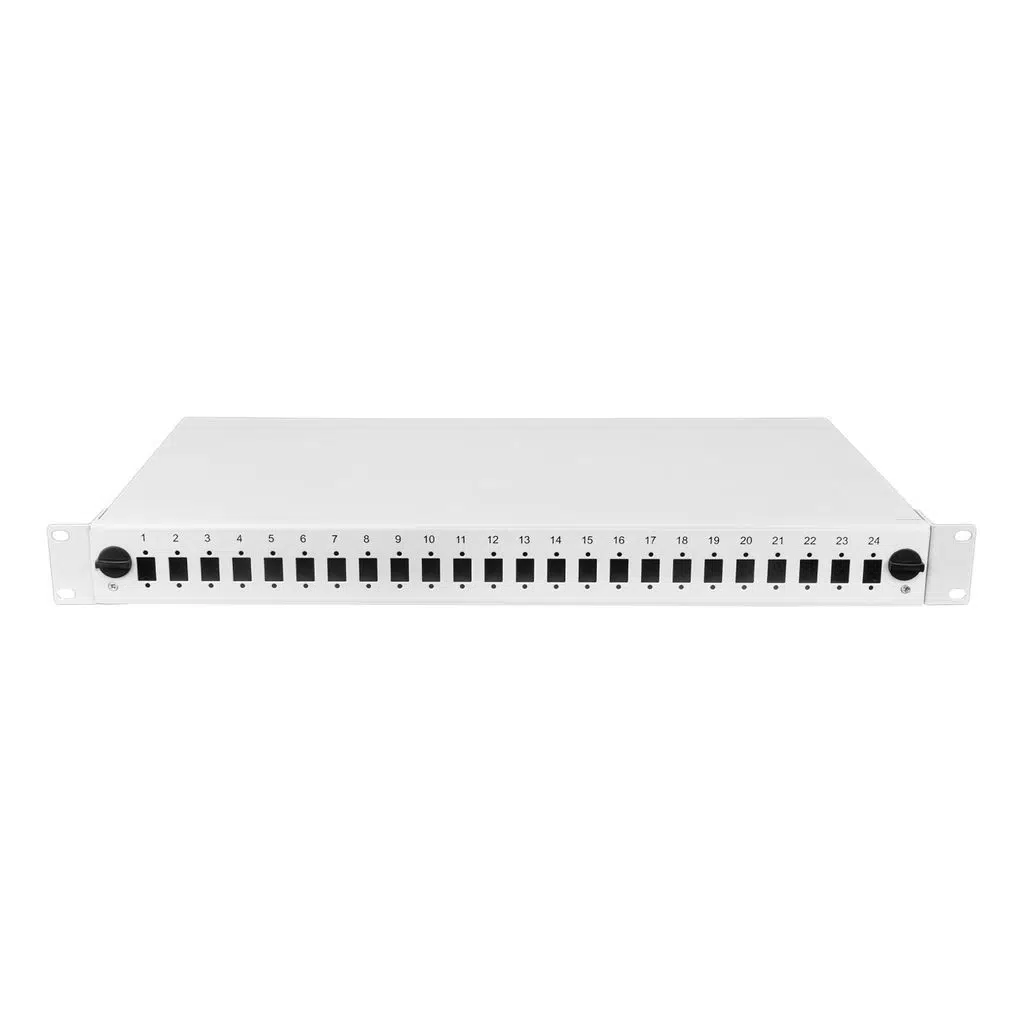
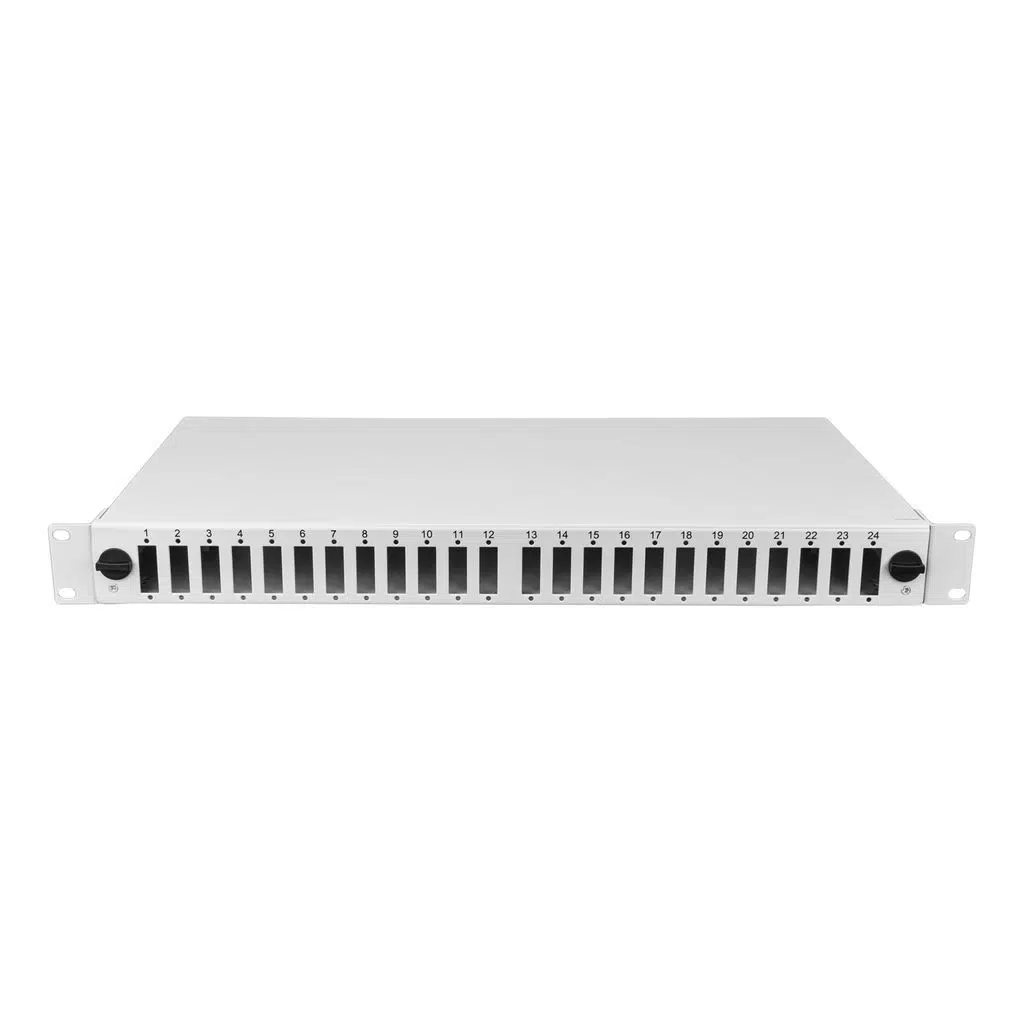
24-port patch panel models provide solutions for managing a larger number of fibre connections on a single panel. They are particularly suitable for rack and cabinet applications where the number of connections is higher, helping to create an organised infrastructure.
Models with an SC-SX and LC-DX connection configuration provide options for different fibre adapter arrangement requirements.
Models featuring an SC-DX and LC-QD combination can be selected according to connection density and the type of adapters used.
Rack-mounted fibre optic patch panels are installed in standard rack and cabinet systems to provide centralised management of fibre connections. Models with a 1RU design can be preferred for creating an organised layout within the rack.
When selecting a fibre optic patch panel, the adapter and connection type used on the panel must be compatible with the existing fibre infrastructure. The ALFAFONET fibre optic patch panel range includes models designed for SC and LC connection options.
SC and LC options should be evaluated according to the fibre optic cable, connection equipment and existing port configuration within the infrastructure.
To choose the right fibre optic patch panel, the connection capacity and physical structure of the system in which it will be installed should first be determined.
Port capacity: A model with a port capacity suitable for the number of fibre connections required by the system should be selected.
Rack compatibility: The rack or cabinet structure and mounting dimensions where the panel will be installed should be checked.
Connection type: Connection options such as SC and LC must be compatible with the existing fibre infrastructure and the adapters to be used.
Cable management: A panel design suitable for routing fibre optic cables in an organised manner and providing easy access to connection points should be preferred.
Application area: The requirements of the application, such as a data centre, telecommunications infrastructure, server room or enterprise network, should be taken into consideration.
Fibre optic patch panels can be used in various infrastructures where fibre connections need to be managed centrally and in an organised manner.
Main application areas include:
Telecommunications infrastructures
Data centres
Server rooms
Rack and network cabinets
Enterprise network systems
Fibre infrastructure applications
Particularly in systems with a large number of fibre connections within a rack, patch panels help manage connection points in a more organised and accessible manner.
Although fibre optic patch panels and fibre termination boxes belong to the same broader product group, their applications and mounting configurations differ.
Fibre optic patch panels are primarily used to organise and centrally manage fibre connection points within racks or cabinets.
Fibre termination boxes, depending on the application area and model, provide solutions for terminating fibre connections within a dedicated enclosure using wall-mounted, outlet-type or other mounting configurations.
Therefore, when selecting a product, it is important to consider not only the number of ports but also the mounting method and the physical structure of the infrastructure in which it will be used.
ALFAFONET fibre optic patch panels provide solutions for the organised management of fibre infrastructures with different port capacities, rack-mounted designs and SC/LC connection options.
The product range includes 6-, 12- and 24-port options with different connection capacities, as well as OptiSlide and EcoSlide patch panel models. You can explore the fibre optic patch panel models to find the solution suited to your requirements and select according to port capacity, connection configuration and rack compatibility.
A fibre optic patch panel is a passive fibre infrastructure product used to organise connection points where fibre optic cables are terminated and to centrally manage them within racks or cabinets.
It helps organise fibre connections on a dedicated panel, provides easier access to ports and enables a more organised connection layout to be managed within the rack.
Patch panels are available with different port capacities. The ALFAFONET product range includes 6-, 12- and 24-port options.
Port capacity, rack compatibility, connection type, physical mounting configuration and the requirements of the fibre infrastructure in which the panel will be used should all be considered together.
They can be used in telecommunications, data centres, server rooms, rack cabinets and enterprise network infrastructures to manage fibre connections in an organised manner.




Alfafonet Complete Connectivity Solutions © 2026 All Rights Reserved.


0
)