×

Today, high speed, reliable connectivity and uninterrupted data transmission have become essential requirements for internet, telecommunications and data communication infrastructures. As one of the key components of these infrastructures, fibre optic cables transmit data using light signals, providing high bandwidth and long-distance communication capabilities. Choosing the right fibre optic cable directly affects not only connection performance but also the long-term usability of the infrastructure.
ALFAFONET fibre optic cable solutions are designed for a range of applications, including telecommunications infrastructure, FTTH applications, LAN backbone connections, and both indoor and outdoor cabling systems. When selecting a cable, considering factors such as fibre structure, core count, installation environment and the required transmission distance together can help determine the most suitable solution for the infrastructure.
A fibre optic cable is a communication cable that transmits data through optical fibres using light signals. Unlike copper cables, fibre optic cables use optical transmission technology rather than electrical transmission. This structure provides significant advantages, particularly in systems where large amounts of data need to be transmitted quickly and with low signal loss.
Fibre optic cables can be used in a wide range of applications, from internet infrastructure and corporate network systems to telecommunications networks and data communication backbones. The cable should be selected according to the technical requirements of the system and the installation environment.
Fibre optic cables can be classified into different types according to their intended use and structural characteristics. Singlemode and multimode fibres are two of the main classifications.
Singlemode fibre optic cables are particularly suitable for long-distance data transmission and telecommunications infrastructure. Their low attenuation characteristics make them suitable for long-distance fibre optic communication applications.
Multimode fibres, on the other hand, can be used for shorter-distance connections and in certain corporate network or data centre applications.
The installation environment is also an important consideration when selecting a cable. Indoor and outdoor fibre optic cables may have different structures depending on the environmental conditions to which they are exposed.
In fibre optic cables, core refers to the number of individual optical fibres contained within the cable. The core count is one of the key characteristics determining the fibre capacity that a fibre optic cable can provide within a single cable. The appropriate core capacity can be selected by considering the number of connection points required for the project as well as potential future expansion requirements.
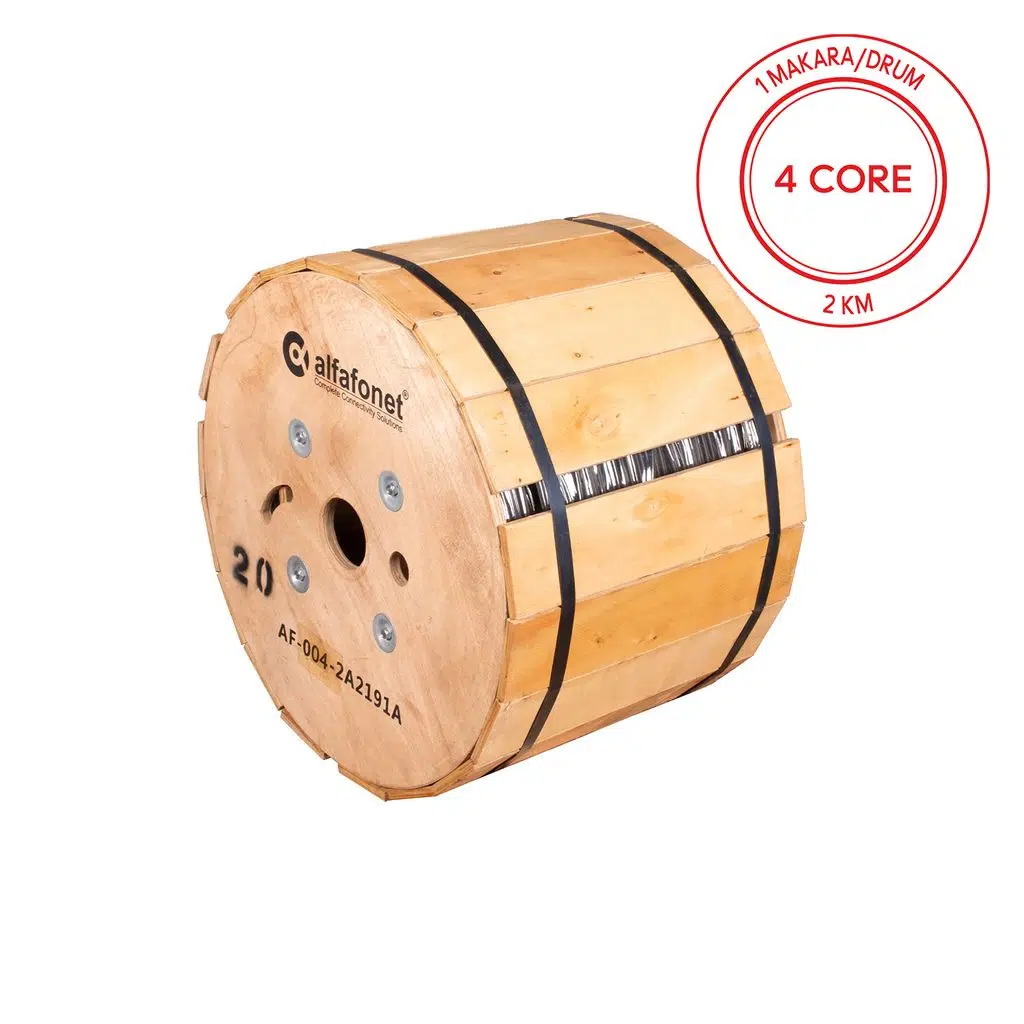
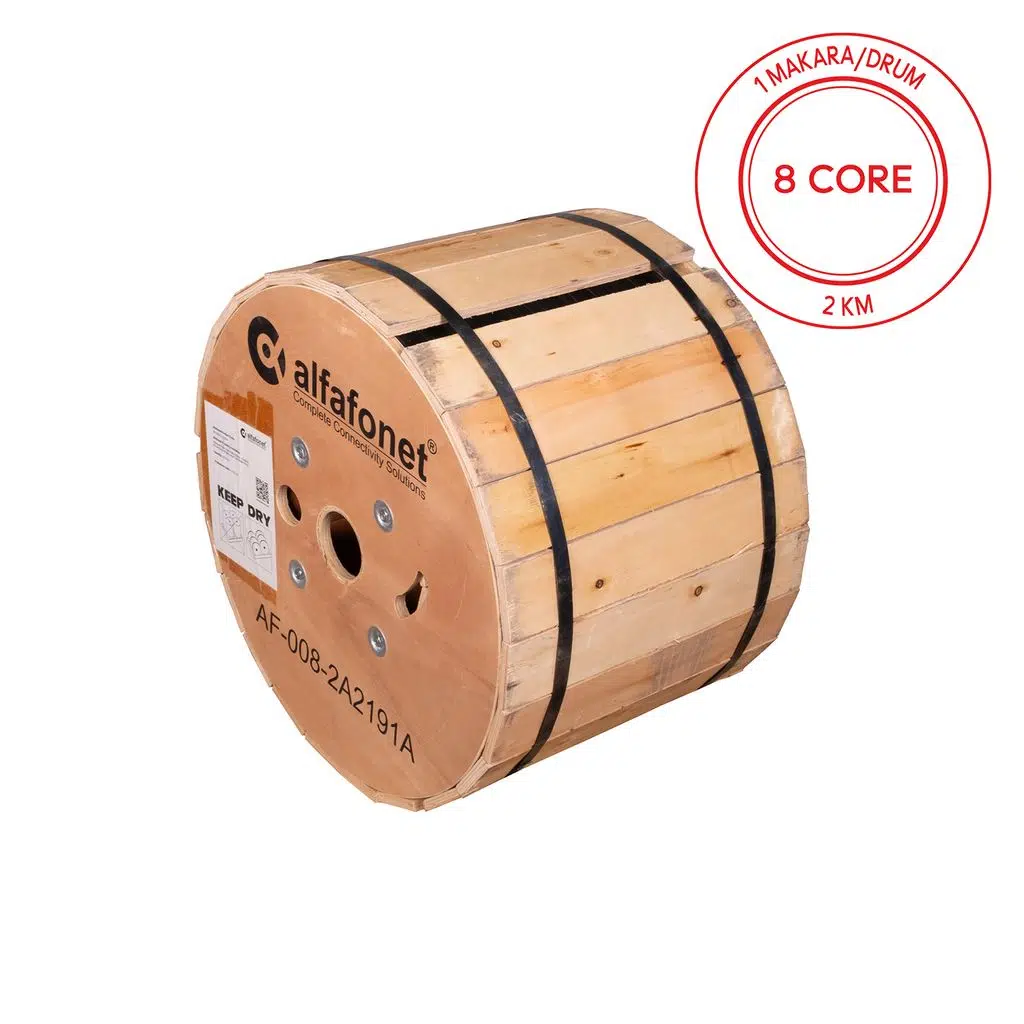
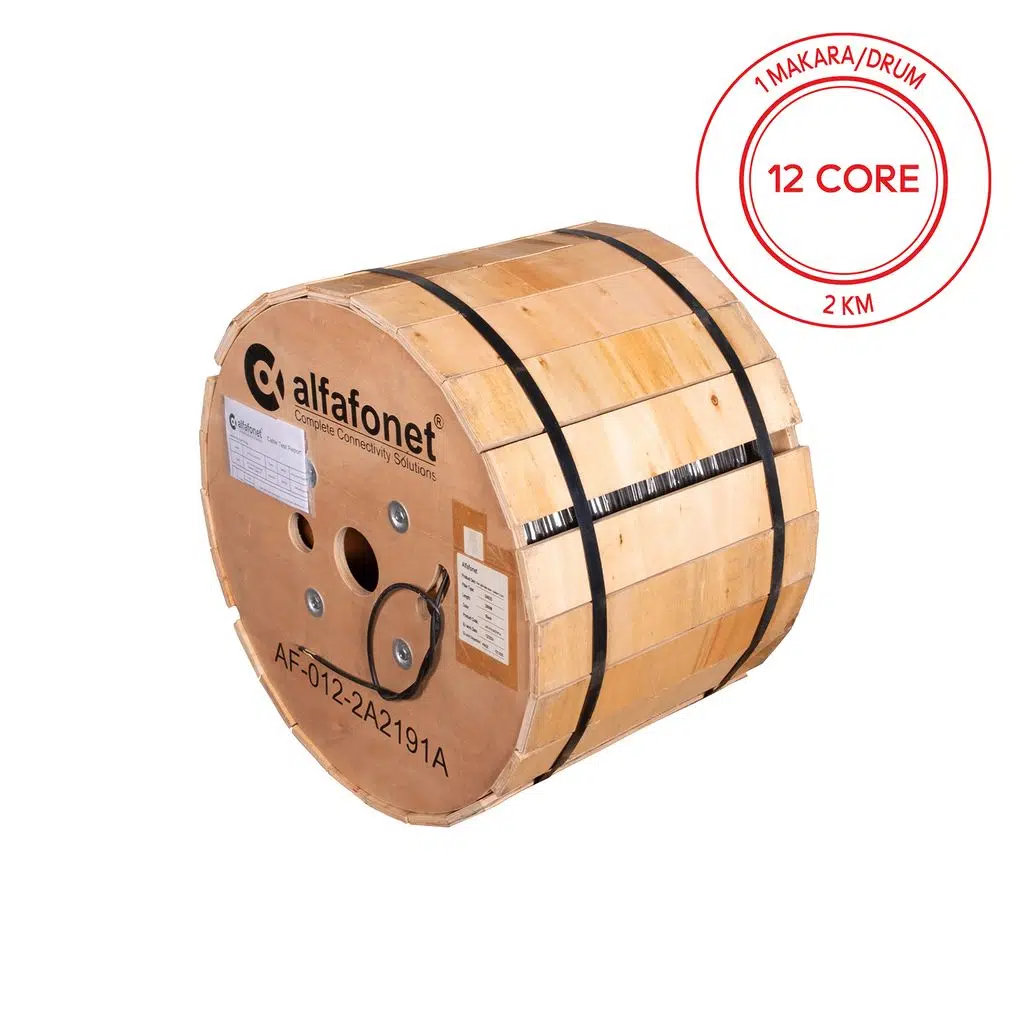
Fibre optic cables are available with different core counts. Options such as 4 Core, 8 Core and 12 Core can be evaluated according to the required fibre capacity. When selecting the core count, it is important to consider not only the current connection requirements but also the potential for future infrastructure expansion.
When selecting a cable for a fibre optic infrastructure, the intended application should be identified first. The cable requirements for telecommunications infrastructure, FTTH connections, LAN backbones or other fibre communication systems may differ.
Fibre type should be compatible with the transmission distance and the equipment being used.
Core count is one of the key factors determining the fibre capacity required by the infrastructure. In addition to the project's current connection requirements, potential future expansion should also be taken into consideration.
Installation environment is another important factor when selecting a cable. Cables intended for outdoor use should have a construction suitable for field conditions such as moisture, temperature variations and mechanical influences.
Cable length is also particularly important for long-distance infrastructure. Choosing an appropriate reel length can help reduce unnecessary splice points and contribute to a more organised cabling installation.
Fibre optic cables can be used in a wide range of infrastructures where high-speed data communication is required. These include telecommunications networks, FTTH systems, LAN backbone connections, campus networks, building connections and various fibre backbone applications.
In systems requiring low latency and high bandwidth, the advantages provided by fibre technology can support infrastructure performance. Particularly for long-distance connections, selecting a suitable fibre optic cable can contribute to reliable and continuous data transmission.
ALFAFONET's range of fibre optic cables offers solutions for different core capacities and application requirements. The Universal Single Loose Tube product range includes 4 Core, 8 Core and 12 Core options, which can be considered for infrastructure projects requiring different fibre capacities.
These products, supplied on 2 km reels, can help reduce the number of splice points required, particularly in long-distance outdoor cabling installations. Their singlemode fibre structure and loose tube design also contribute to fibre protection and stable use in field conditions.
When selecting the most suitable fibre optic cable for your requirements, you can evaluate the intended application, transmission distance, required core count and environmental conditions of the project together.
Fibre optic cables transmit data using light signals at high speeds and over long distances. They can be used in telecommunications, internet, LAN and fibre backbone infrastructures.
Singlemode fibre is a type of optical fibre that allows light to travel through a single mode. It is widely used for long-distance communication and telecommunications applications.
Core count refers to the number of optical fibres contained within the cable and therefore indicates its fibre capacity. Depending on the project's connection requirements, options such as 4 Core, 8 Core or 12 Core can be considered.
The selected product must be specifically designed for outdoor conditions. Factors such as moisture, temperature variations and mechanical influences should be considered when selecting an outdoor fibre optic cable.
A 2 km reel length can help reduce the number of splice points required for long-distance cabling. This can support a more organised installation and help maintain connection continuity.




Alfafonet Complete Connectivity Solutions © 2026 All Rights Reserved.


0
)