×


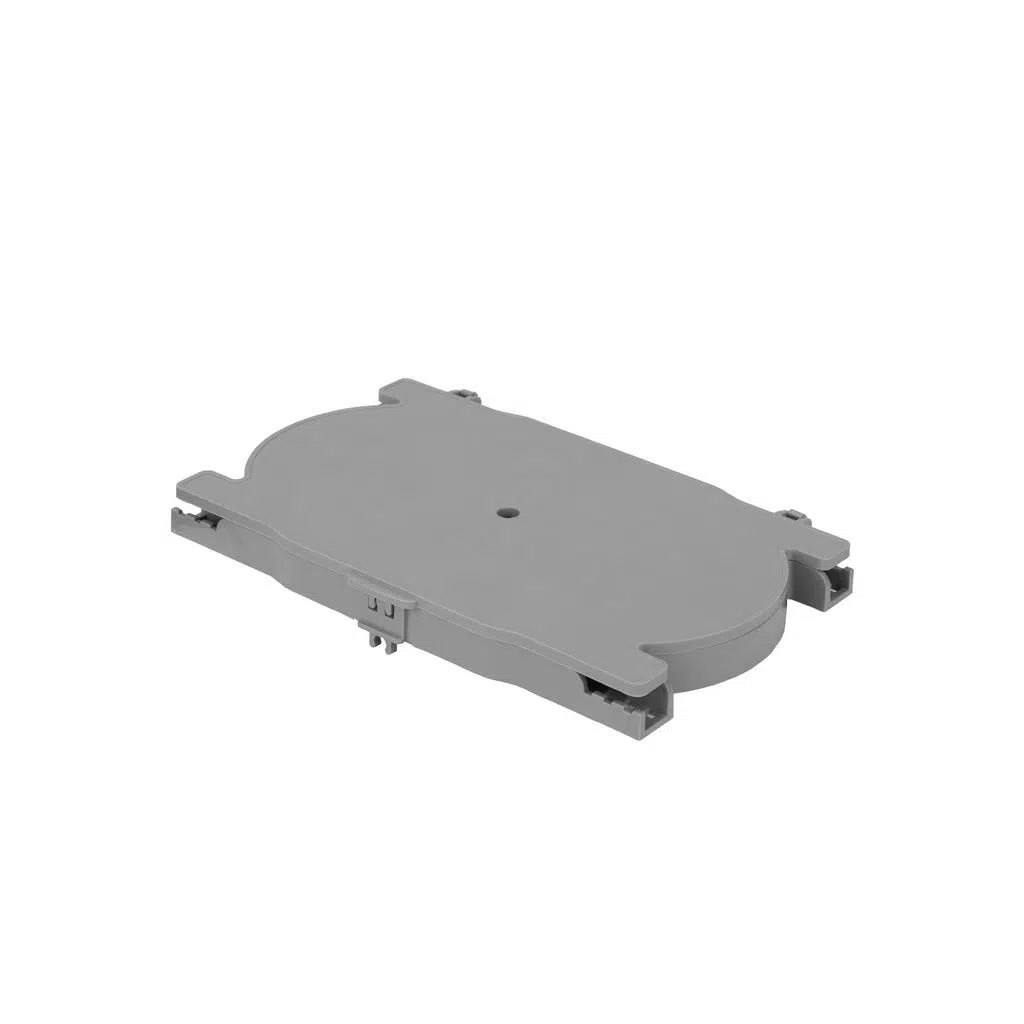
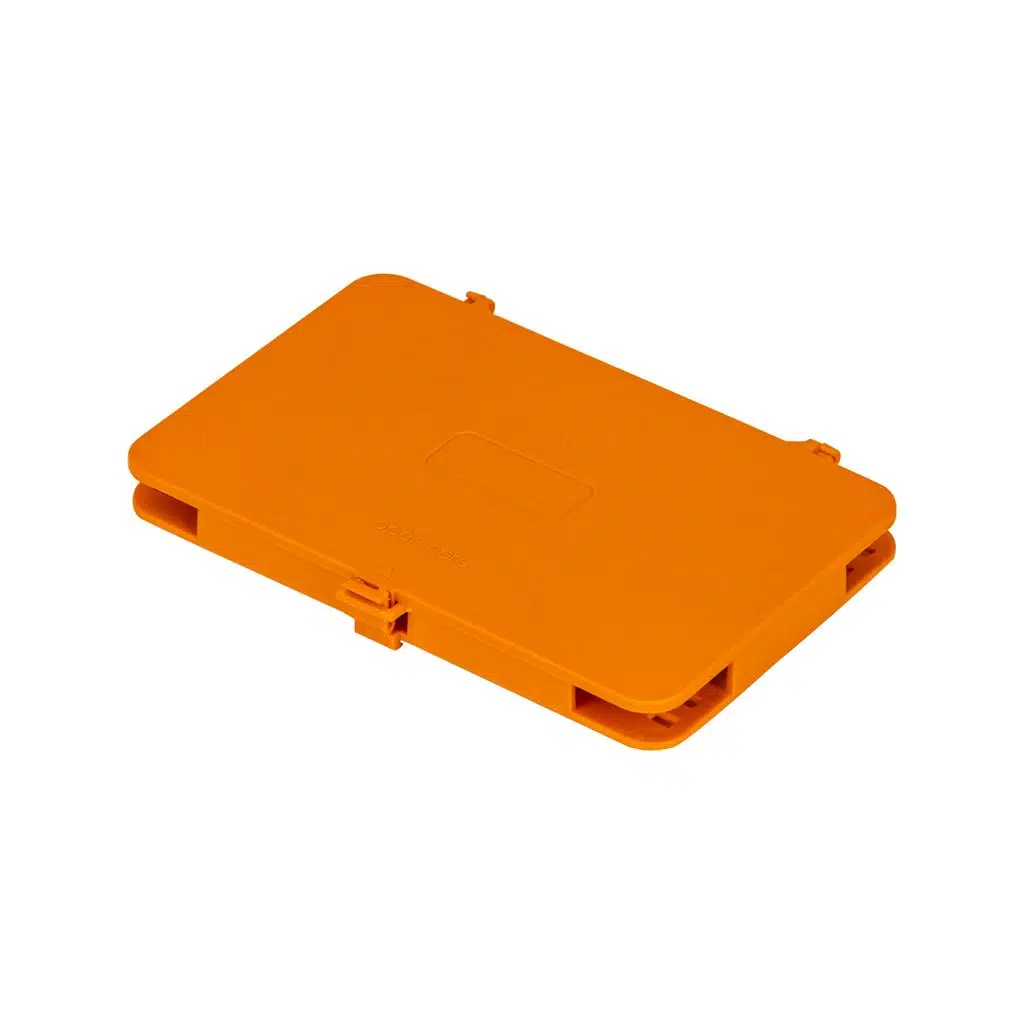
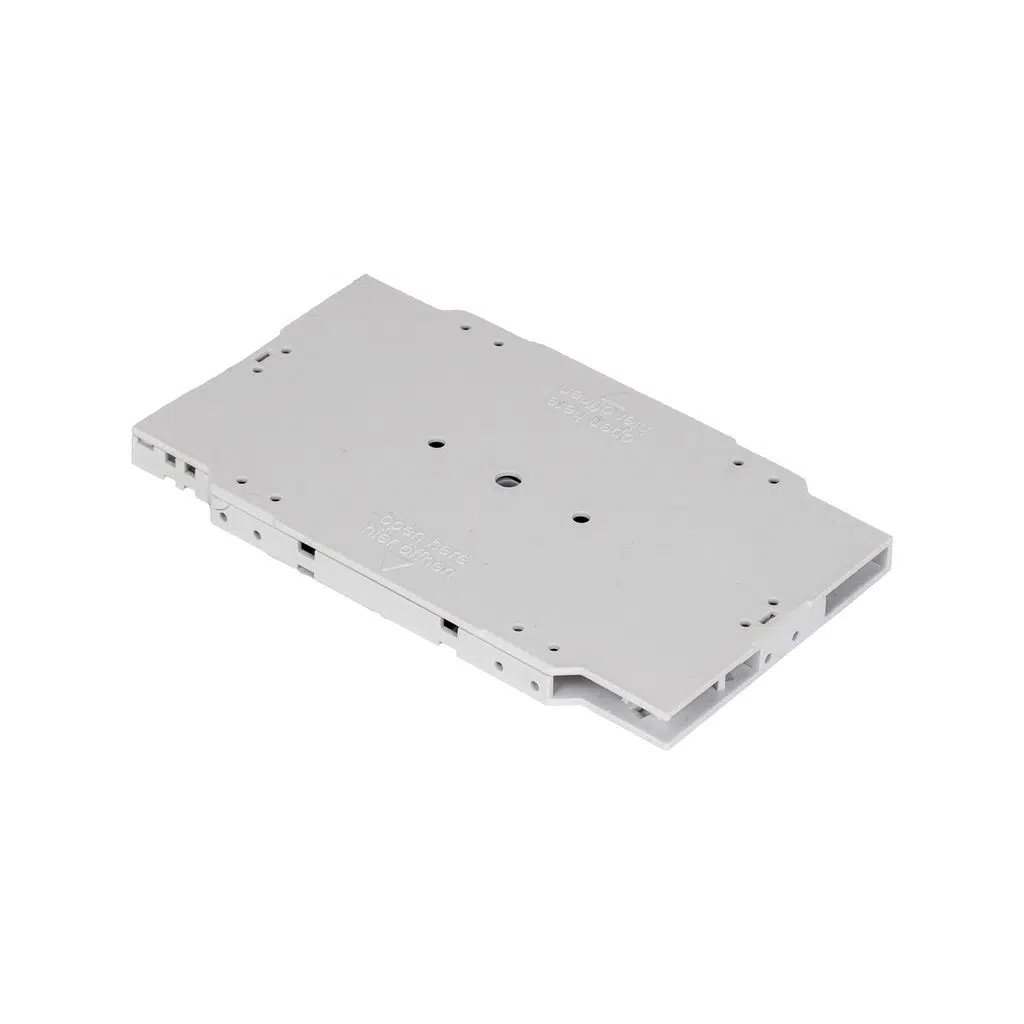
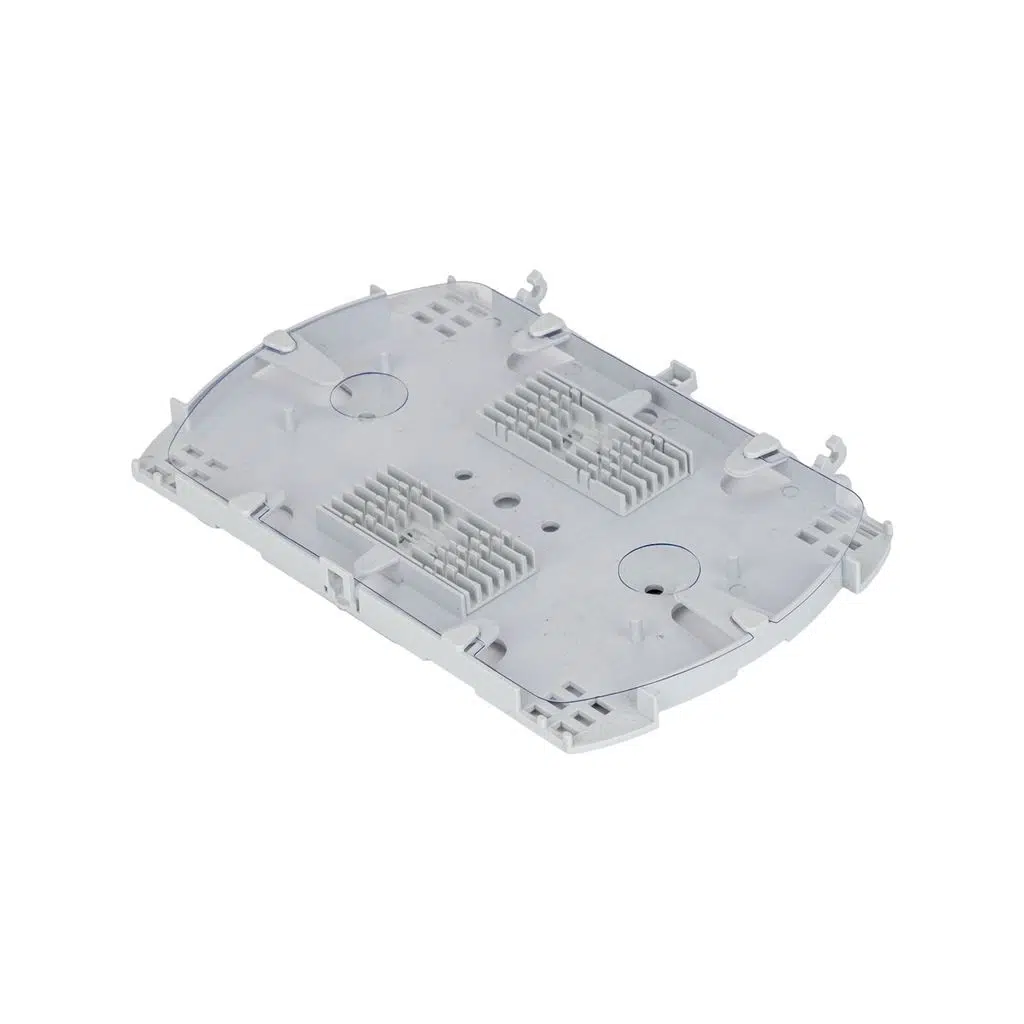
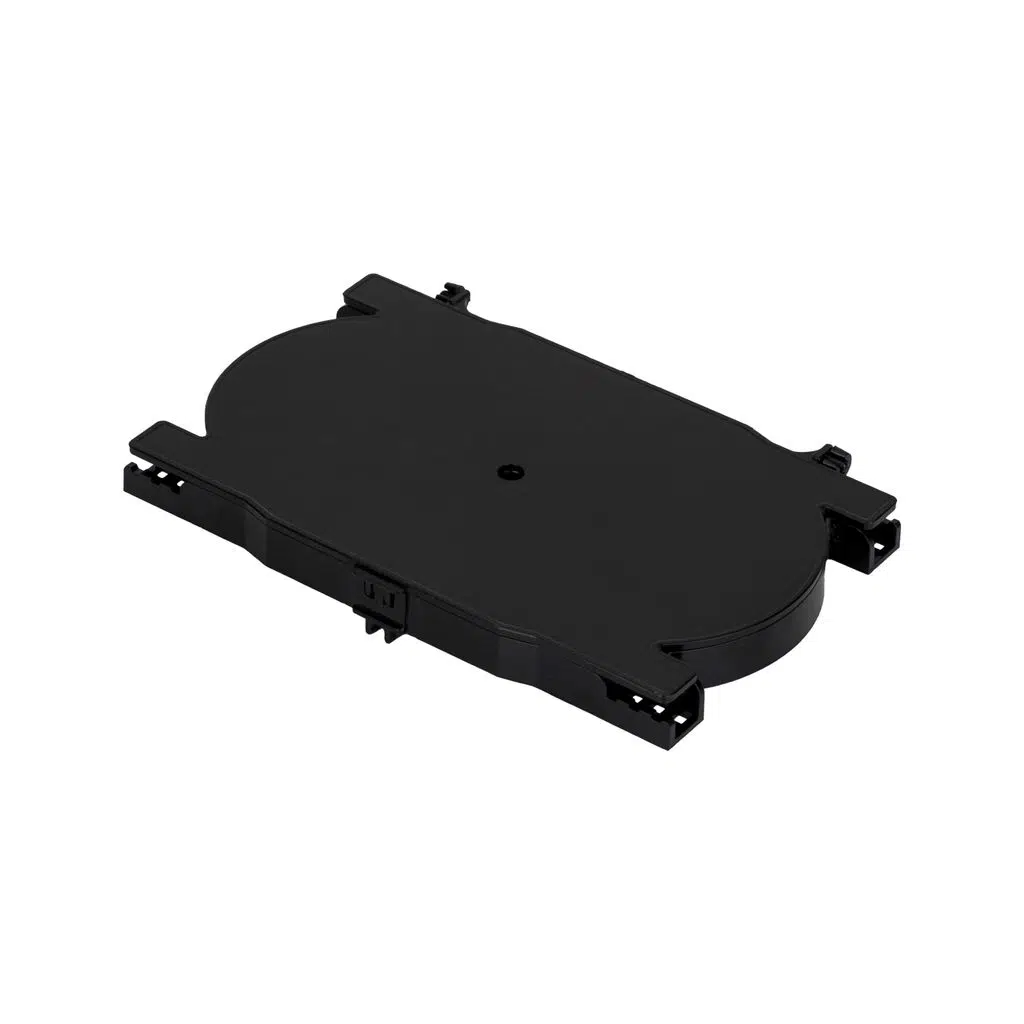
ALFAFONET Fibre Optic Splice Trays are passive fibre infrastructure components that help fibre splice points within fibre optic cables to be positioned in an organised manner, fibres to be routed appropriately, and the splice area to be kept organised. Used in termination and splicing systems where fibre splices are located, splice trays facilitate fibre management and help maintain organisation during maintenance and intervention processes.
ALFAFONET fibre optic splice tray options include models with 12, 24 and 12/24 fibre capacities to meet different fibre capacity requirements. By selecting a suitable splice tray according to the capacity of the system and the number of splice points, fibres can be managed in a more organised manner.
A fibre optic splice tray is a passive fibre infrastructure component used to position fibre splice points created by joining fibre optic cables in an organised manner and to route the fibres appropriately.
Splice trays help keep fibre splices organised and are used for the internal organisation of fibre optic splicing systems. This can make fibres easier to manage during maintenance, inspection or reorganisation.
The main purpose of fibre optic splice trays is to help position fibre splices in an organised manner within the system.
Key functions include:
Helping fibre splice points to be positioned in an organised manner
Routing fibres along a defined path
Helping keep fibres organised within the splice area
Facilitating maintenance and intervention procedures
Helping maintain the internal organisation of the fibre infrastructure
Supporting fibre organisation within the splicing or termination system being used
Therefore, a fibre optic splice tray is not primarily a fibre connection component in itself, but an infrastructure component used to organise and manage fibre splices.
One of the most important criteria when selecting a fibre optic splice tray is its fibre capacity. The number of splice points to be used and the amount of fibre to be organised within the system should be considered when determining the appropriate tray capacity.
The ALFAFONET product range includes options for different capacity requirements:
12 fibre capacity splice trays can be used in applications where a lower number of fibre splices need to be organised. They can be suitable for systems requiring compact fibre splice organisation.
24 fibre capacity splice trays can be preferred for applications where a greater number of fibre splices need to be organised within the same system. They help organise splice points in infrastructures with a higher fibre count.
12/24 fibre capacity models provide flexible options for different capacity requirements. They allow the appropriate capacity to be considered according to the number of fibres in the system being used.
When selecting the right fibre optic splice tray, not only the fibre count but also the overall structure of the system in which it will be used should be considered.
Fibre capacity: The number of fibre splices to be organised within the system should be determined and an appropriate capacity should be selected.
System compatibility: The compatibility of the splice tray with the structure of the fibre splicing or termination system in which it will be used should be checked.
Fibre routing: A design that allows fibres to be routed in an organised manner within the tray should be preferred.
Mounting compatibility: The dimensions and mounting conditions within the equipment, enclosure or system where the tray will be installed should be taken into account.
Maintenance access: Easy access to fibre splices when required is important for maintenance processes.
Fibre optic splice trays can be used in various infrastructure applications where fibre cable splice points need to be organised.
Key applications include:
Telecommunications infrastructures
Fibre optic network systems
FTTH applications
Field fibre infrastructures
Fibre termination systems
Fibre splicing systems
Data communication infrastructures
Fibre optic distribution and connection applications
Depending on the application area, the splice tray's capacity, mounting structure and compatibility with the system in which it will be used should be considered.
In fibre infrastructures, splice trays, splice protectors and splice closures perform different functions.
A fibre optic splice tray is used to organise and route fibre splices within the system.
A fibre optic splice protector is a component that helps physically protect the splice point created when fibre optic cables are joined.
A fibre optic splice closure is a more comprehensive enclosure and protection solution that houses fibre splices and related components.
Therefore, these three products do not serve the same purpose. The splice tray is primarily associated with the internal organisation of fibre splices, the splice protector with protecting the splice point, and the splice closure with housing and protecting the overall splicing system.
ALFAFONET Fibre Optic Splice Trays offer different capacity options that help fibre splices to be positioned in an organised manner and maintain organisation within the fibre infrastructure.
Suitable products can be selected from 12, 24 and 12/24 fibre capacity options according to the fibre splicing system being used and the required capacity.
You can explore ALFAFONET fibre optic splice tray options designed to support the organised management of splice points within your fibre infrastructure.
A fibre optic splice tray is a passive fibre infrastructure component that helps fibre splice points within fibre cables to be positioned in an organised manner and fibres to be routed appropriately.
It helps keep fibre splices organised within the system, route fibres appropriately, and facilitate maintenance or intervention procedures.
A splice tray is used to organise and position fibre splices, while a splice protector helps physically protect the splice point.
The main difference is the fibre capacity available for organising splice points. 12 fibre capacity models can be preferred for systems with fewer splice points, while 24 fibre capacity models can be used where a greater number of splice points need to be organised.
They can be used in telecommunications, FTTH, field fibre infrastructures, fibre network systems, and fibre termination or splicing applications.
A fibre splice tray is the technical English term for a splice tray used to organise and position fibre optic splice points.




Alfafonet Complete Connectivity Solutions © 2026 All Rights Reserved.


0
)