×

Fibre optic pigtail products are used for cable termination and establishing fibre connections in fibre optic infrastructures, making them an important connection component in fibre termination applications. ALFAFONET fibre optic pigtail models offer solutions for different fibre infrastructure requirements, with single-mode and multimode fibre options, various connector types, and tight buffer or loose buffer constructions.
When selecting a pigtail, the fibre type, connector construction, buffer type and intended termination application should be considered together.
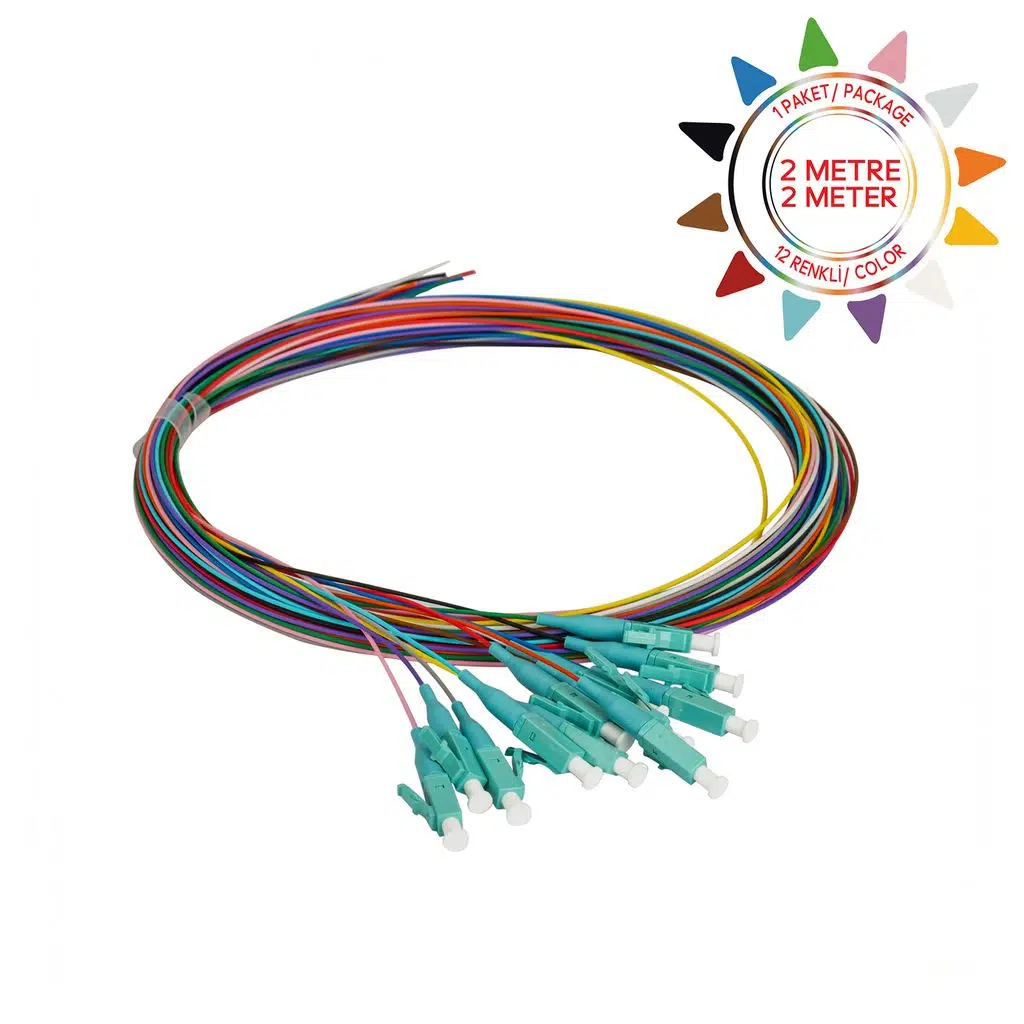
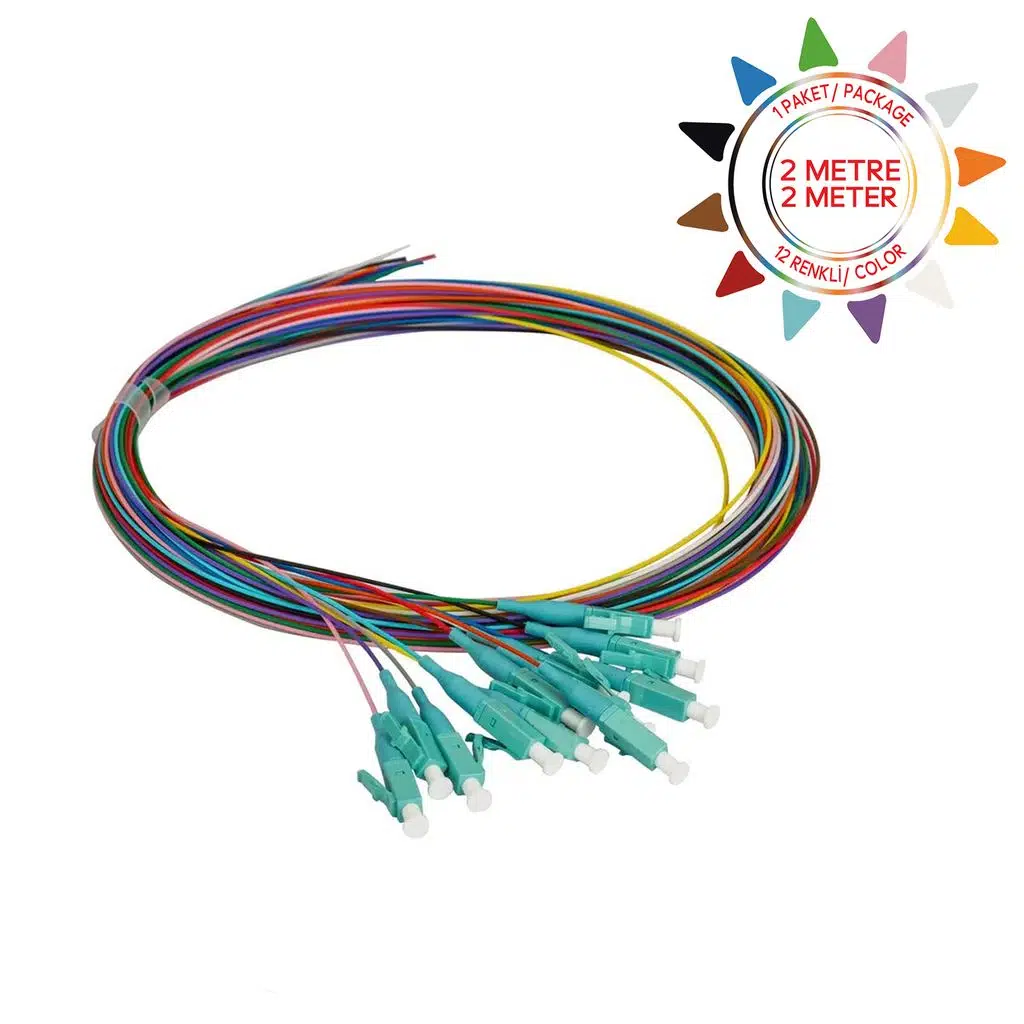
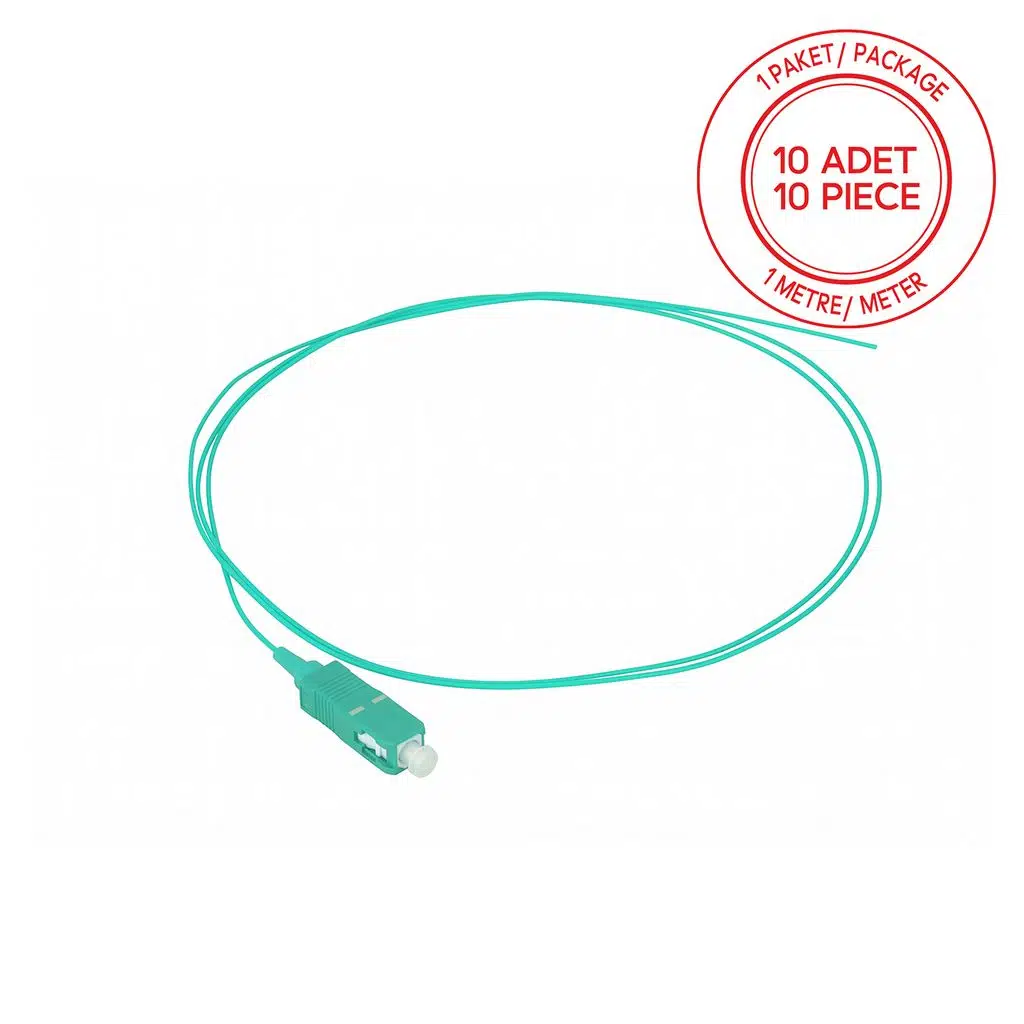
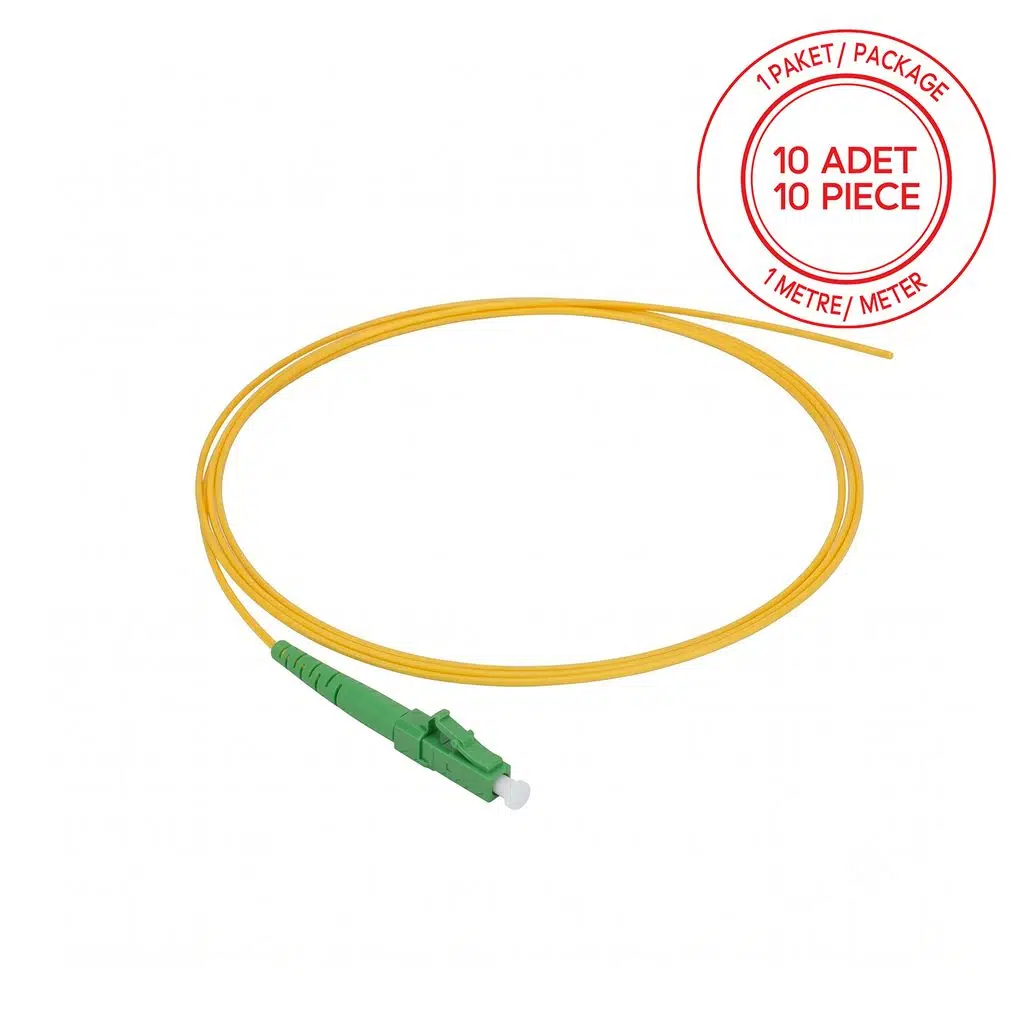
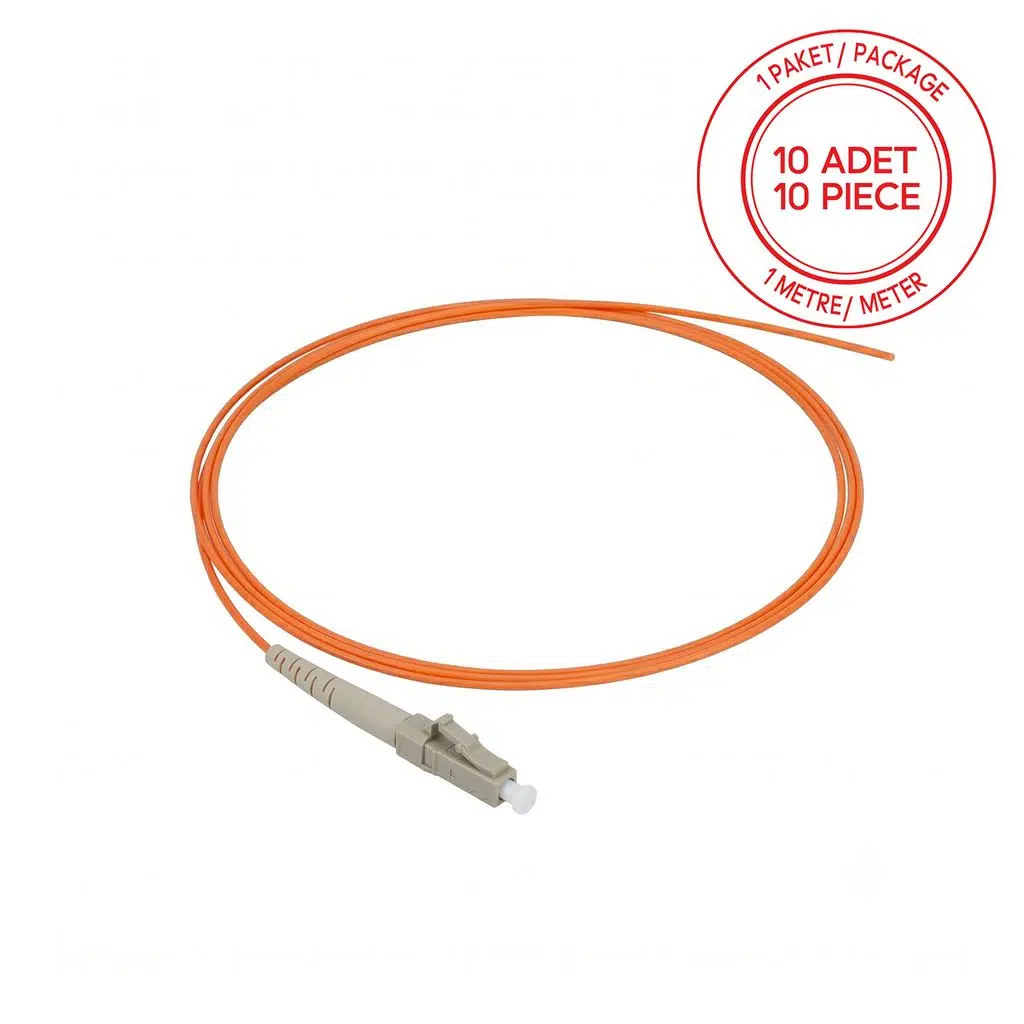
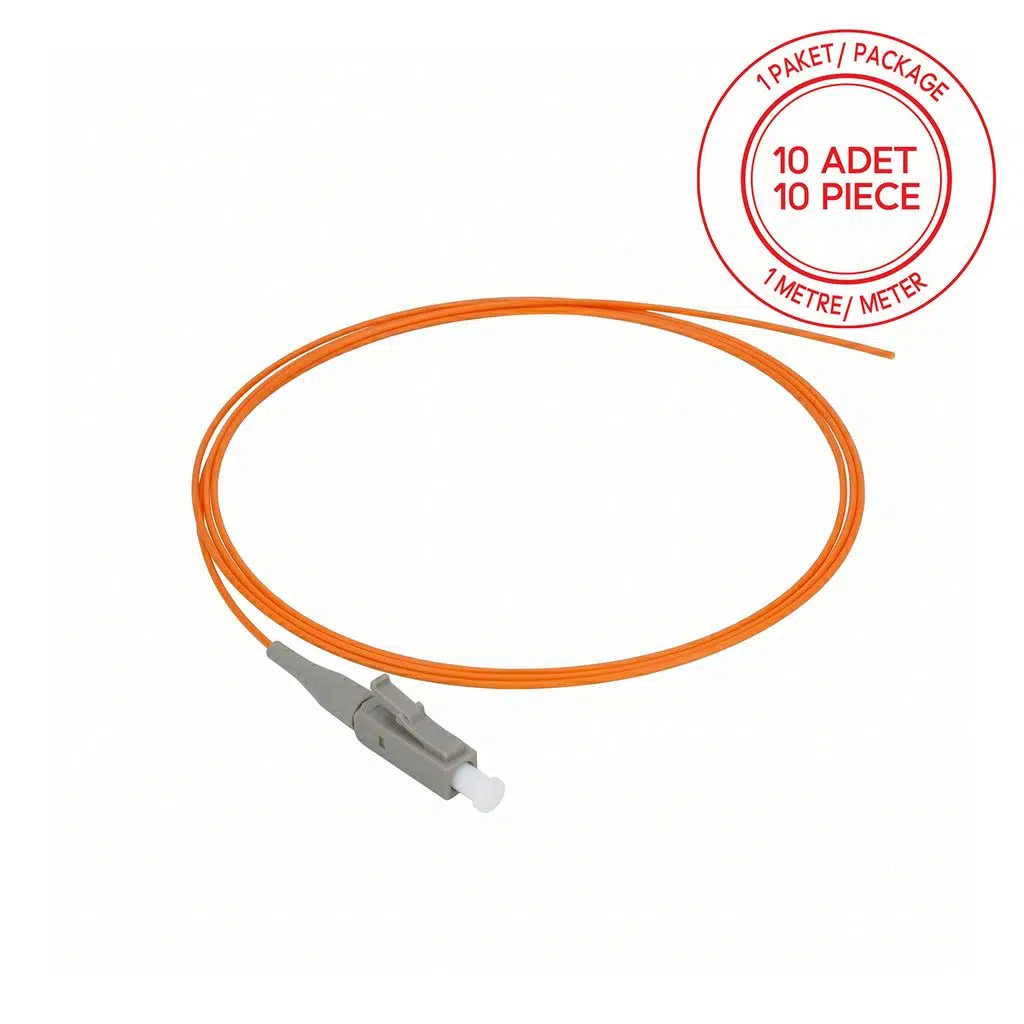
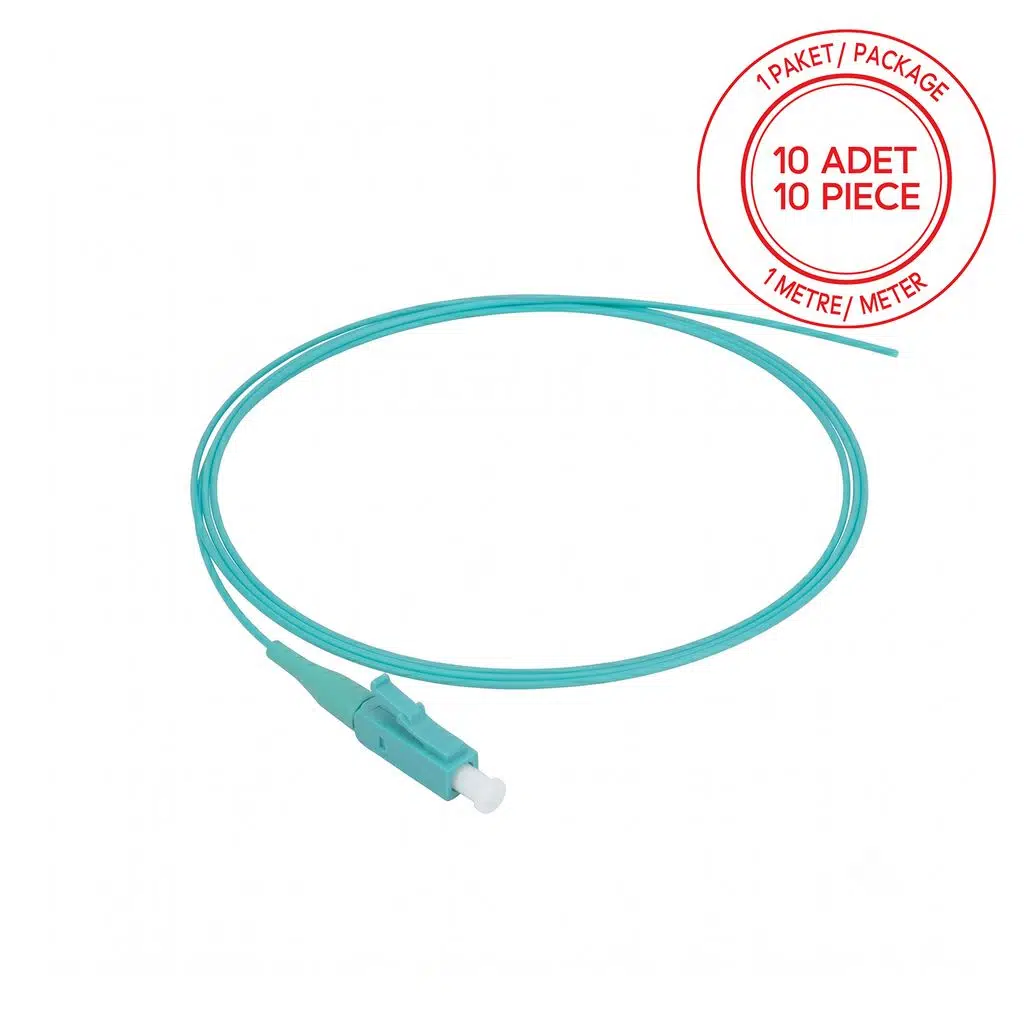
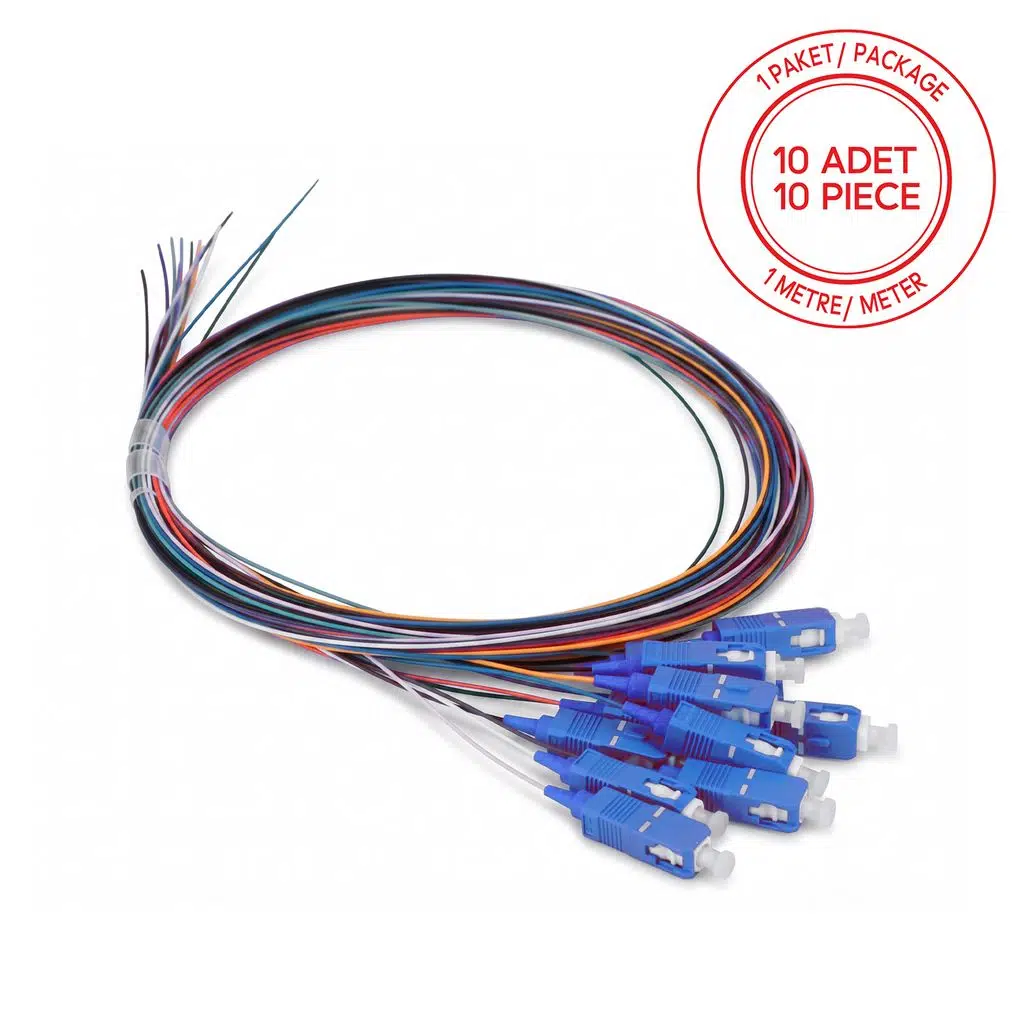
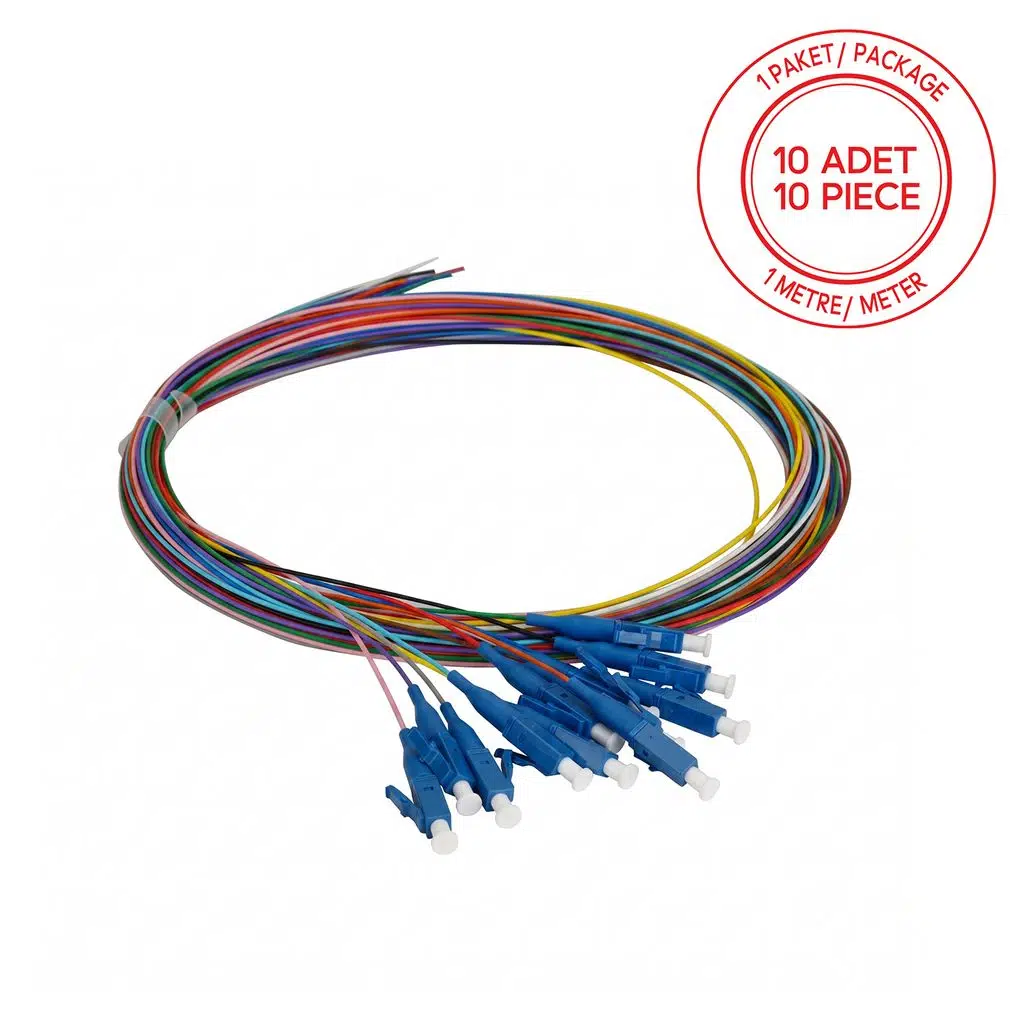
A fibre optic pigtail is a fibre connection product with a fibre optic connector at one end, while the other end is used for fibre termination or splicing applications.
Pigtails are used to connect fibre cables to termination equipment or relevant connection points. They are particularly useful for establishing fibre connections in ODFs, fibre optic patch panels, termination boxes and splicing applications.
One of the key features that distinguishes a pigtail from connection cables such as patchcords, which have connectors at both ends, is that a pigtail has a connector at one end and a construction suitable for termination at the other.
The main purpose of a fibre optic pigtail is to enable fibre optic cables to be connected appropriately to termination and connection equipment.
In applications where a fibre cable needs to be terminated, a pigtail can be used to route the fibre to the relevant connection point, carry out splicing and establish an organised connection structure.
Main applications include:
Fibre optic ODF systems
Fibre optic patch panels
Fibre termination boxes
Fibre splicing applications
Telecommunications infrastructures
Data centre fibre systems
Corporate fibre network infrastructures
Fibre cabling applications
Fibre optic pigtail products are classified according to different technical specifications. The right product should be selected based on the characteristics of the existing fibre infrastructure and the intended termination application.
A single-mode fibre optic pigtail is a connection product used in single-mode fibre infrastructures. It is preferred for termination and connection applications in telecommunications and various fibre communication infrastructures.
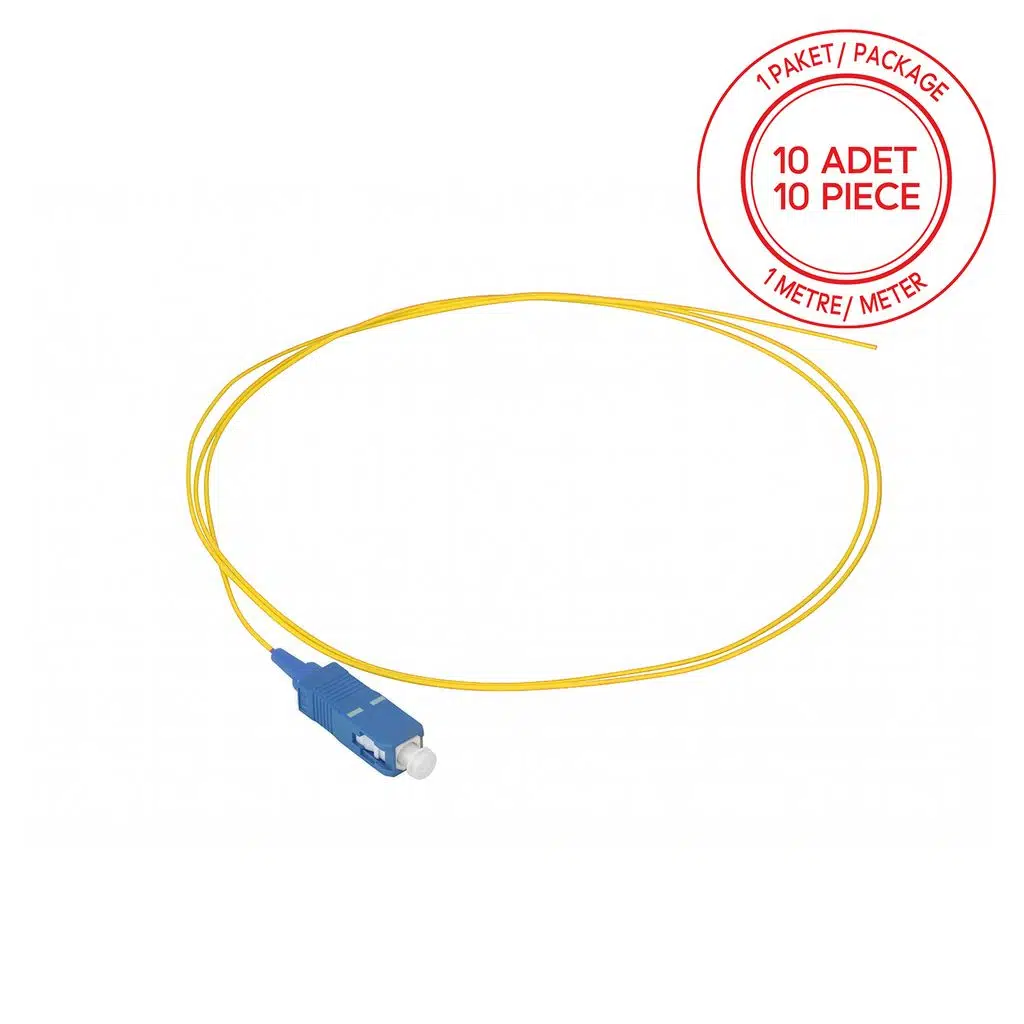
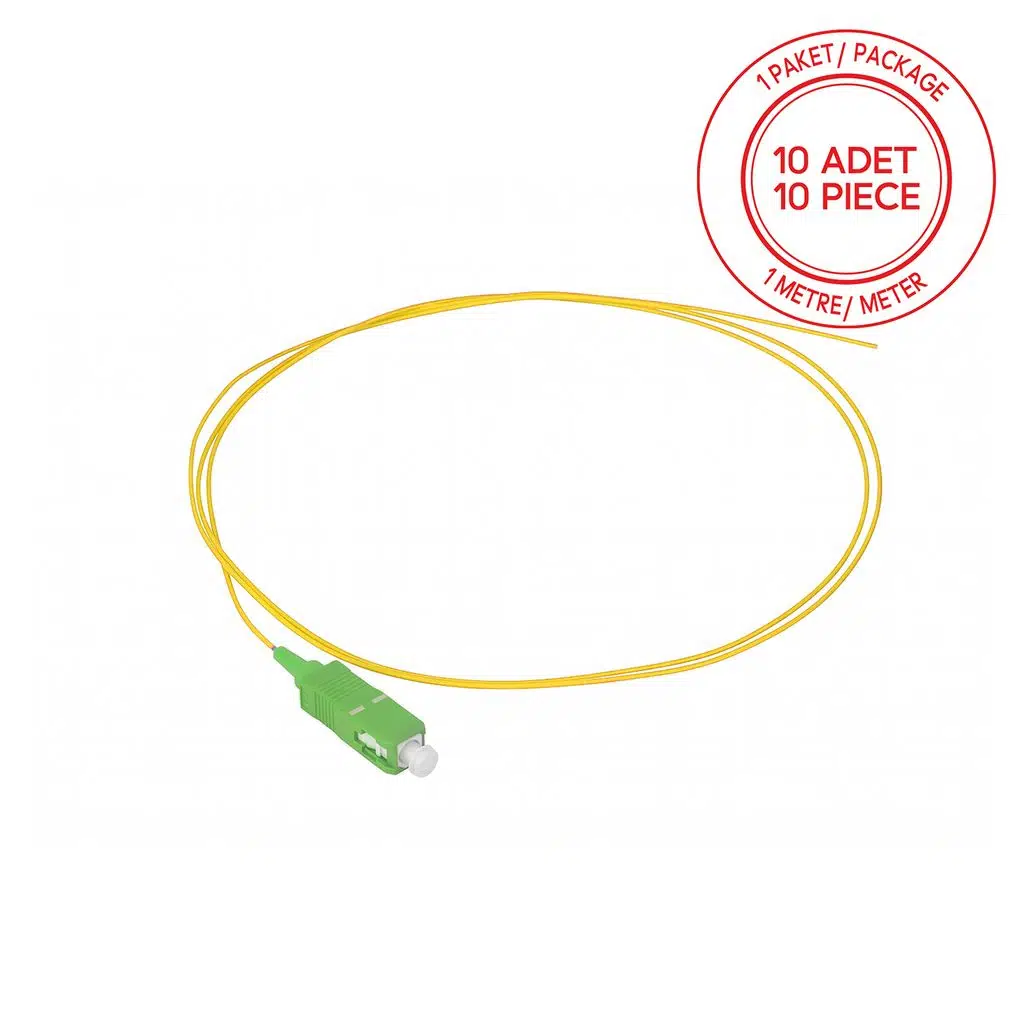
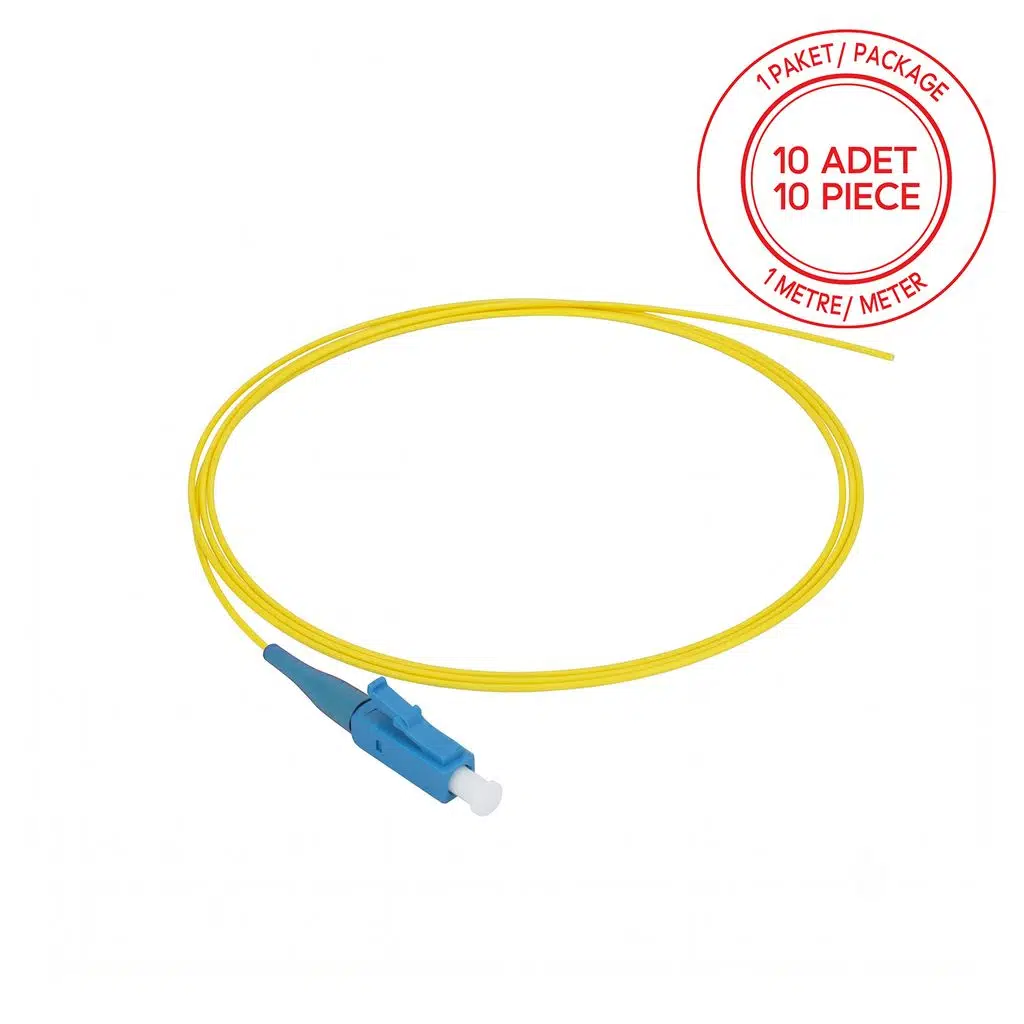
The ALFAFONET product range includes different single-mode pigtail options such as SC/UPC, SC/APC, LC/UPC and LC/APC.
A multimode fibre optic pigtail is a connection product used in multimode fibre infrastructures. Depending on the characteristics of the existing fibre system, it can be selected with different OM classifications.
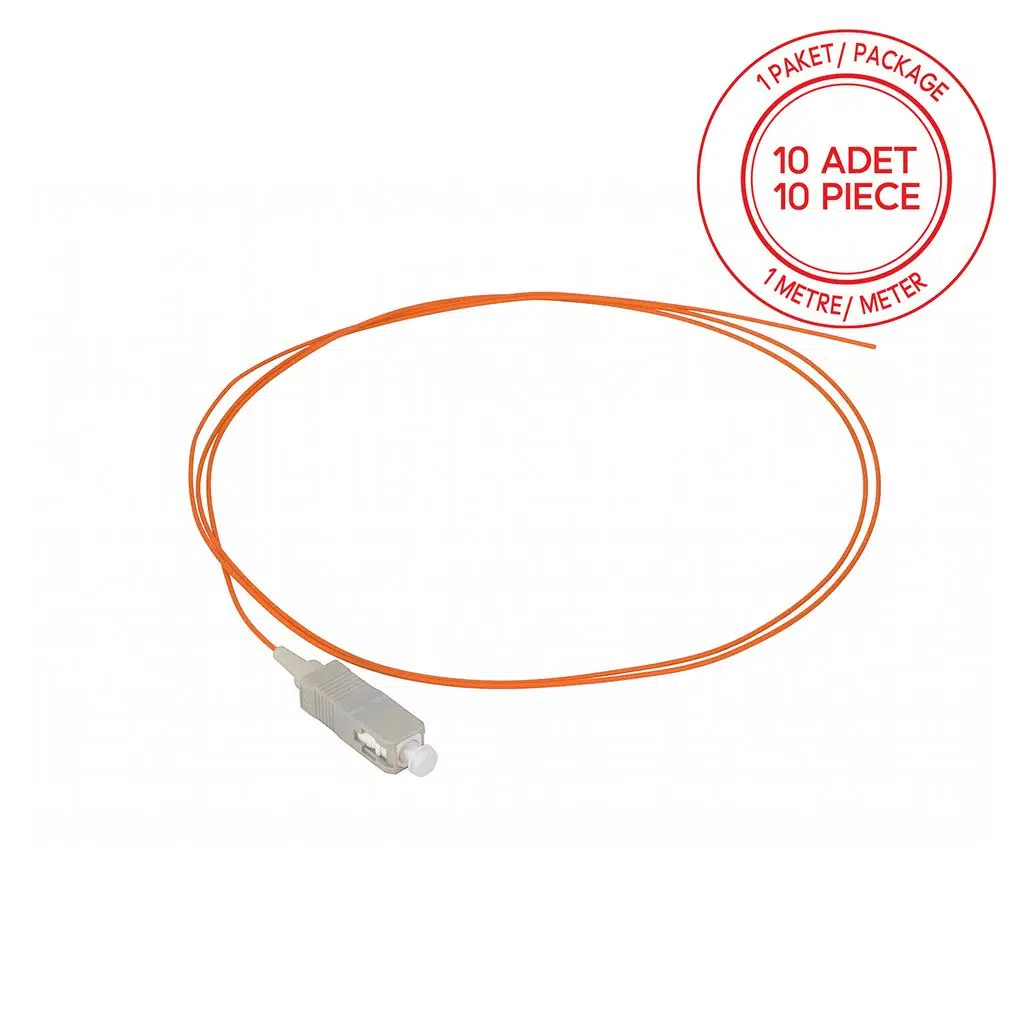
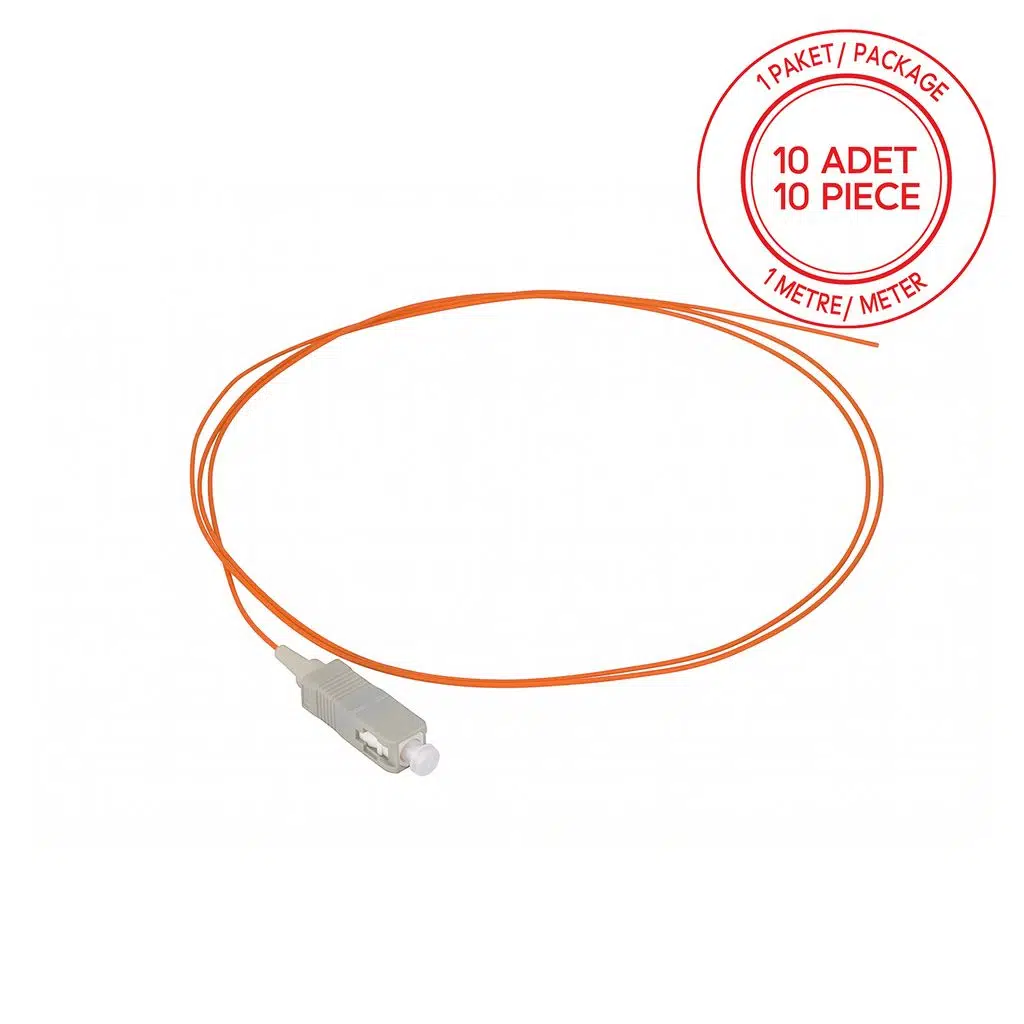
The ALFAFONET product range includes OM1, OM2, OM3 and OM4 multimode pigtail options.
When selecting a pigtail, it is important to ensure that the OM classification of the existing fibre cable is compatible with the product.
The buffer construction is also an important selection criterion for fibre optic pigtail products.
A tight buffer pigtail is a type of pigtail with a more compact protective structure around the fibre. It can be used particularly in organised and controlled termination applications.
A loose buffer pigtail, on the other hand, has the fibre within a more flexible protective structure. Depending on the application, it can be preferred for different termination and fibre management requirements.
When making a selection, the construction of the termination equipment and the characteristics of the existing fibre infrastructure should be taken into consideration.
When selecting a fibre optic pigtail, the connector type is a key criterion for compatibility with the equipment to which it will be connected.
The ALFAFONET fibre optic pigtail product range includes options with SC and LC connectors, as well as products designed for different connection types.
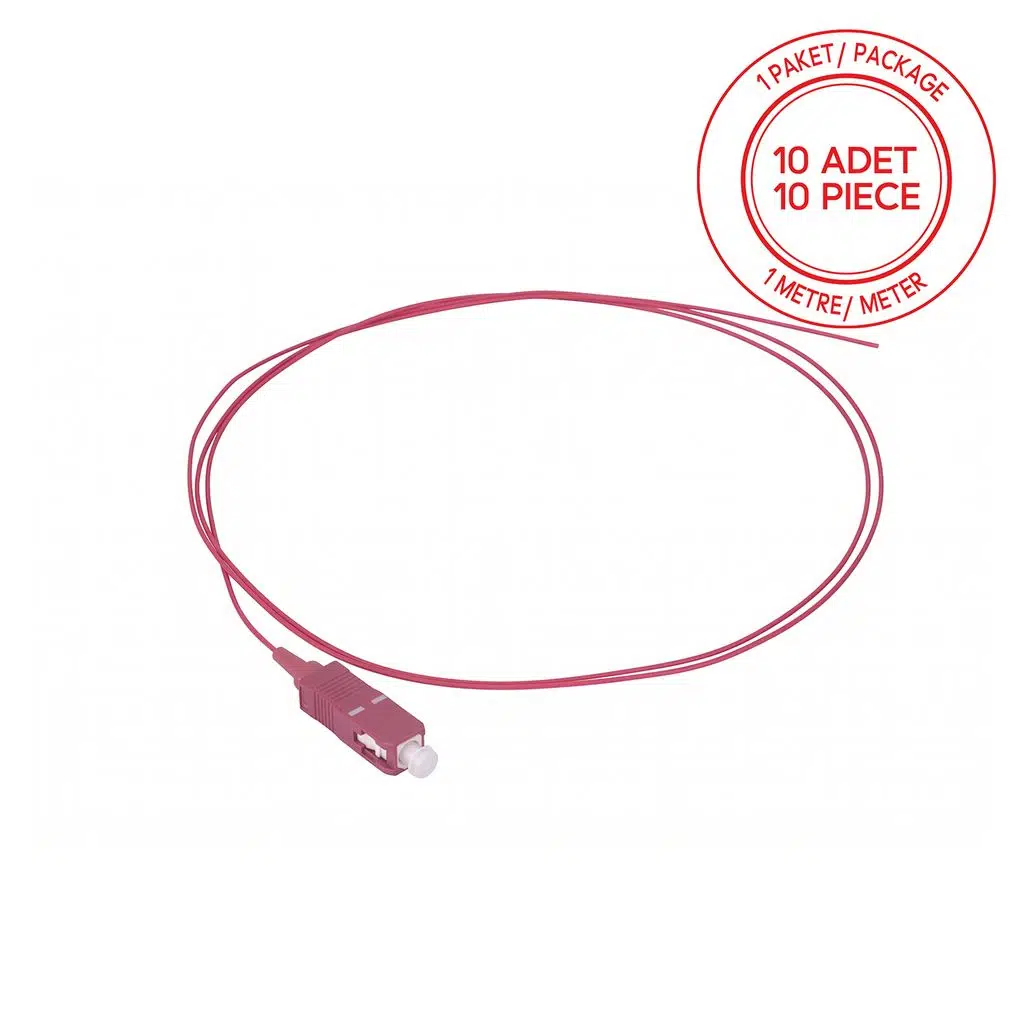
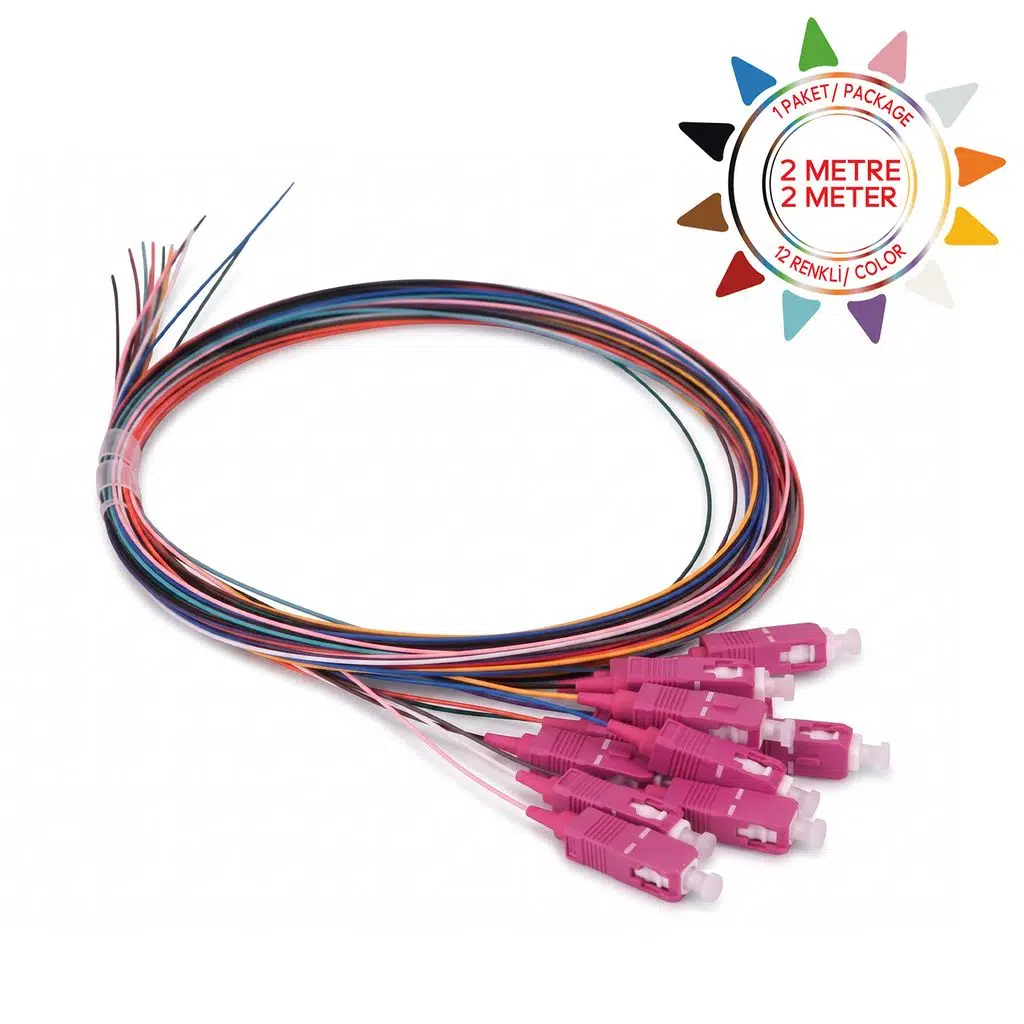
An SC pigtail is used to establish connections with fibre equipment featuring an SC connector interface. SC/UPC, SC/APC and multimode SC/PC options can be considered according to the requirements of different fibre infrastructures.
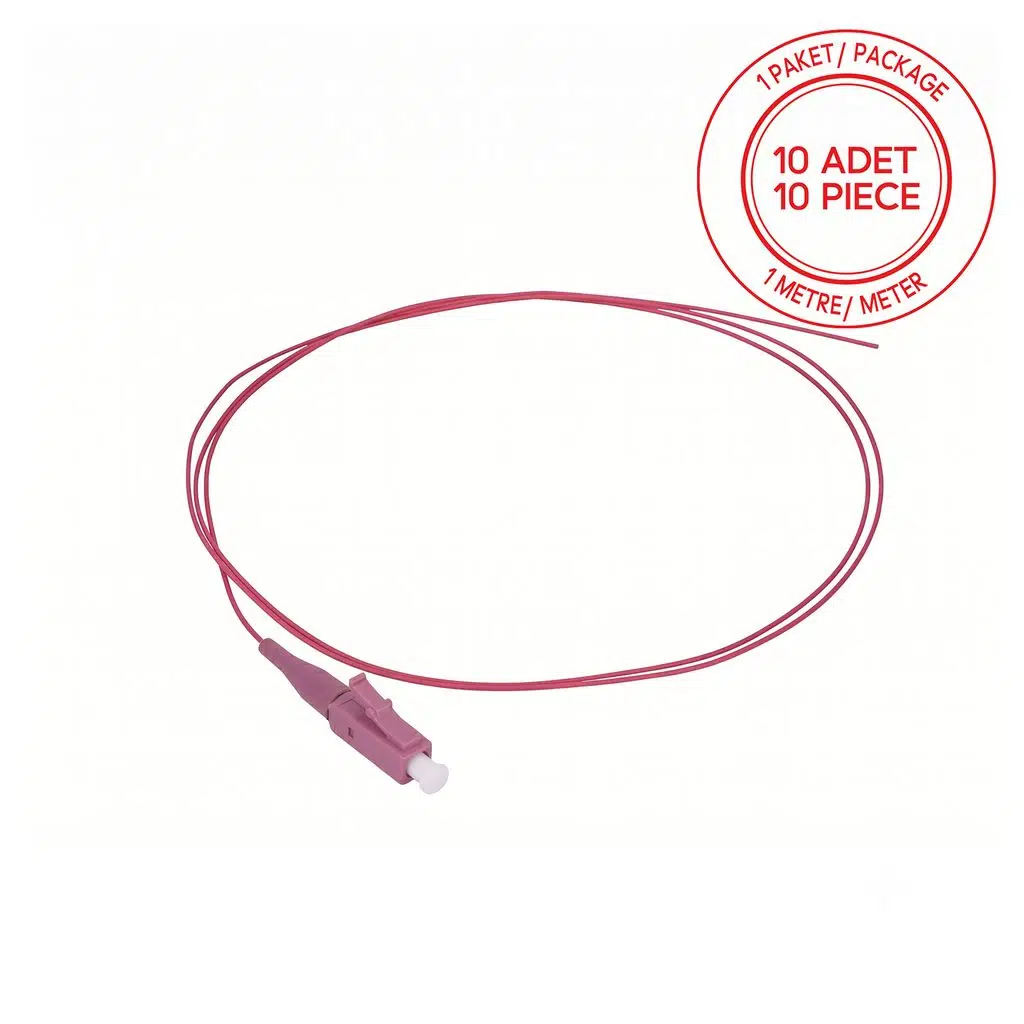
An LC pigtail establishes a connection through the more compact LC connector interface. LC/UPC, LC/APC and multimode LC/PC options can be selected according to the application area and fibre type.
When selecting a connector, the connection interface of the patch panel, ODF or other fibre equipment to which the pigtail will be connected should be checked.
Several technical criteria should be considered together when selecting the right fibre optic pigtail.
First, it should be determined whether the existing infrastructure uses single-mode or multimode fibre. In multimode systems, the OM classification should also be checked.
The connector type of the pigtail should be compatible with the connection interface of the equipment to which it will be connected. An appropriate product should be selected from connector options such as SC and LC according to the existing infrastructure.
The connector polishing type should also be considered in terms of connection compatibility. The connector type appropriate for the requirements of the equipment and existing fibre infrastructure should be selected.
A tight buffer or loose buffer pigtail can be selected according to the requirements of the application. The termination method and equipment to be used should be considered when making this choice.
The appropriate length and fibre construction should be selected according to the application. In particular, sufficient working length is important during termination and splicing operations.
Pigtails and patchcords are both used in fibre optic connection applications, but their intended uses are different.
A fibre optic pigtail generally has a connector at one end, while the other end is incorporated into a fibre termination or splicing application.
A fibre optic patchcord, on the other hand, generally has connectors at both ends and is a pre-assembled fibre cable used to establish a direct connection between two fibre connection points.
Therefore, pigtails are particularly preferred for fibre termination and splicing applications, while patchcords are used for ready-made connections between equipment.
Fibre optic pigtail products can be used in various infrastructures where fibre cables need to be terminated and connected to connection equipment.
Main applications include:
ODF and fibre distribution systems
Patch panel applications
Fibre termination boxes
Fibre splicing applications
Telecommunications systems
Data centre infrastructures
Corporate network systems
Fibre optic cabling projects
The appropriate fibre type, connector and buffer construction should be selected according to the application area.
Using the right termination and connection products in fibre optic infrastructures can help establish an organised and compatible fibre connection structure.
The ALFAFONET fibre optic pigtail product range offers solutions for various fibre termination requirements, with single-mode and multimode options, SC and LC connector alternatives, different buffer constructions and OM classifications.
When selecting the right pigtail for your requirements, you can consider the existing fibre type, connector interface, buffer construction and termination application requirements together.
A fibre optic pigtail is a fibre connection product with a connector at one end, while the other end is incorporated into a fibre termination or splicing application.
A pigtail helps connect fibre optic cables to termination equipment and establish fibre connections. It can be used in ODFs, patch panels, termination boxes and splicing applications.
A pigtail generally has a connector at one end and is used in termination or splicing applications. A patchcord, on the other hand, generally has connectors at both ends and is a pre-assembled fibre cable used between two connection points.
Single-mode pigtails are used in single-mode fibre infrastructures, while multimode pigtails are used in multimode fibre infrastructures. When selecting a multimode product, its OM classification should also be compatible with the existing infrastructure.
Tight buffer and loose buffer refer to the fibre protection construction of the pigtail. The appropriate buffer construction should be selected according to the termination method and equipment to be used.
SC and LC are different types of fibre optic connectors. When selecting a pigtail, the SC or LC connector should be compatible with the interface of the equipment to which it will be connected.
The fibre type, OM classification, connector type, UPC/APC/PC construction, buffer type, length and termination equipment should all be considered together when selecting a fibre optic pigtail.




Alfafonet Complete Connectivity Solutions © 2026 All Rights Reserved.


0
)