×

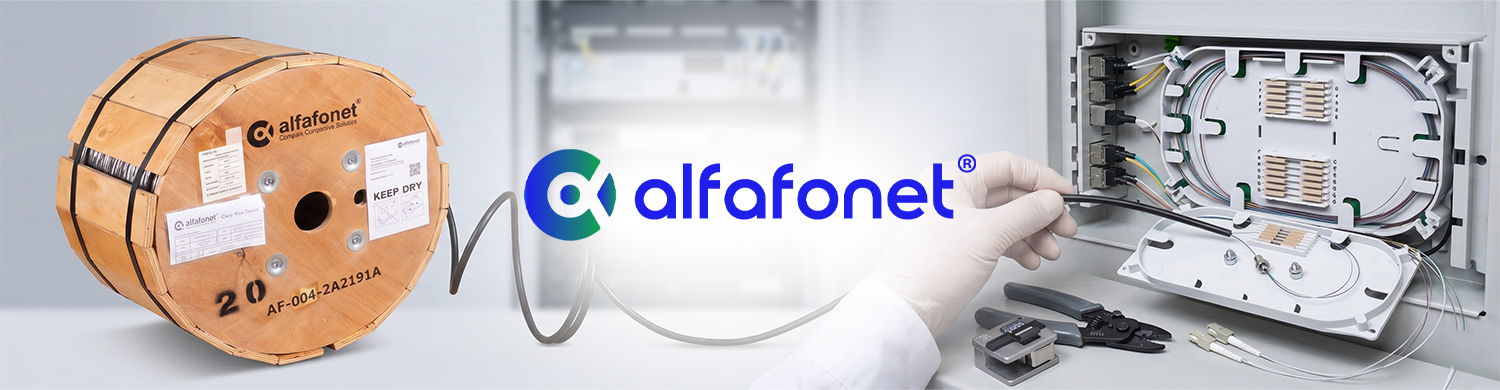
Reliable data communication in fibre infrastructure depends not only on the performance of active devices but also on the cabling solutions used between connection points. The right fibre optic connection cable helps establish connections suited to the requirements of the infrastructure, supports continuous data communication and contributes to an organised fibre network installation.
ALFAFONET fibre optic connection cables cover connection solutions suitable for use in telecommunications, fibre networks, LAN, FTTH and various optical communication infrastructures. When selecting a cable, the connection configuration, intended use, characteristics of the fibre infrastructure and the technical requirements of the project should be considered together.
A fibre optic connection cable is a cabling solution used to help establish optical communication between two connection points within a fibre optic infrastructure. Unlike electrical transmission, fibre technology transmits data using light. This makes it widely used in modern communication infrastructures due to advantages such as high bandwidth, low signal loss and long-distance communication.
The choice of connection cable should be based on the structure of the infrastructure in which it will be used and the technical requirements of the connection. Factors such as cable type, fibre structure, connection points and installation environment can be assessed to determine the most suitable solution for the project.
When choosing a fibre optic connection cable, it is important to consider more than just the cable length. The requirements of the system in which the cable will be used should also be taken into account. The intended use and technical characteristics of the infrastructure should first be identified to make the right selection.
In particular, the following criteria should be considered:
Connection purpose: The devices, panels or infrastructure points between which the cable will be used
Fibre structure: The fibre characteristics required by the project
Core capacity: The number of fibre cores required
Cable length: The installation distance and application conditions
Installation environment: The physical environment in which the cable will be installed
Infrastructure compatibility: Compatibility with the existing fibre system and connection components
Installation requirements: The cable route and application requirements
Considering these criteria together can help prevent unnecessary capacity requirements or the selection of incompatible products.
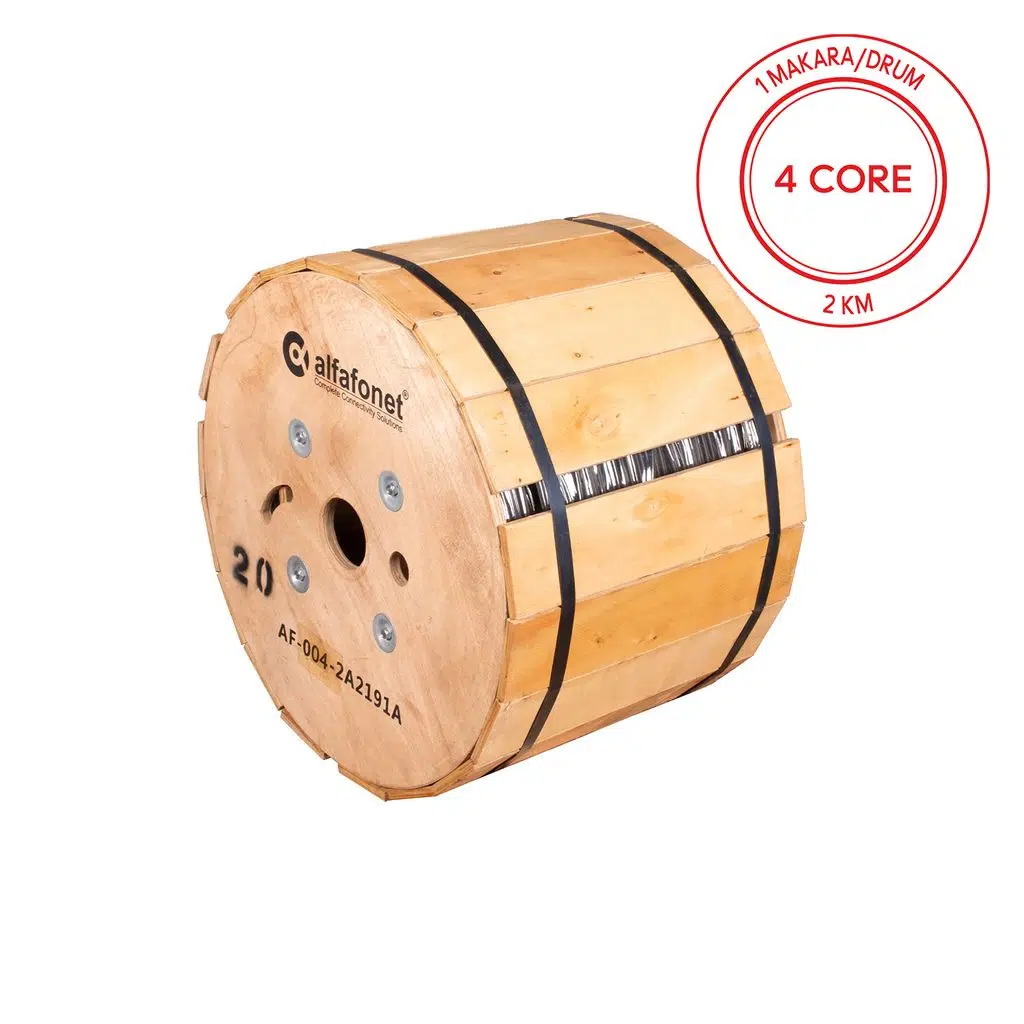
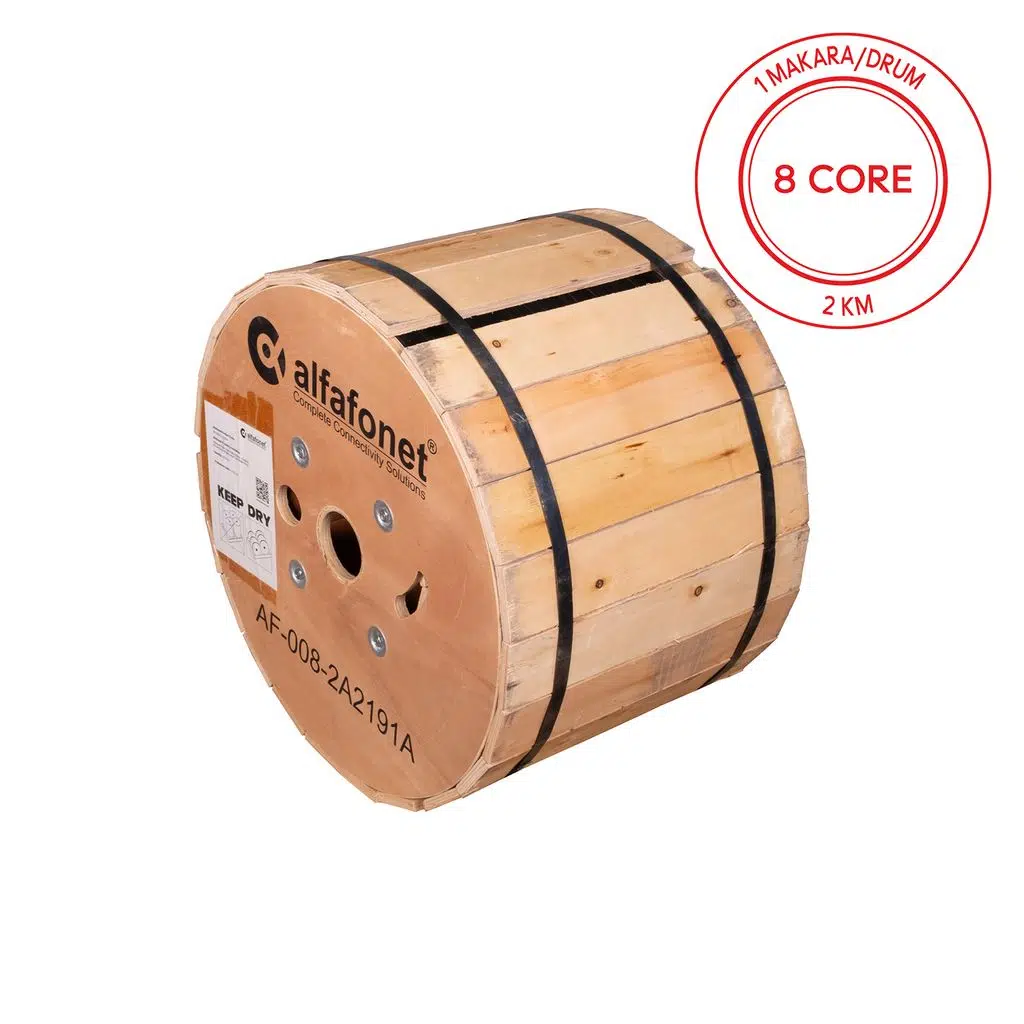
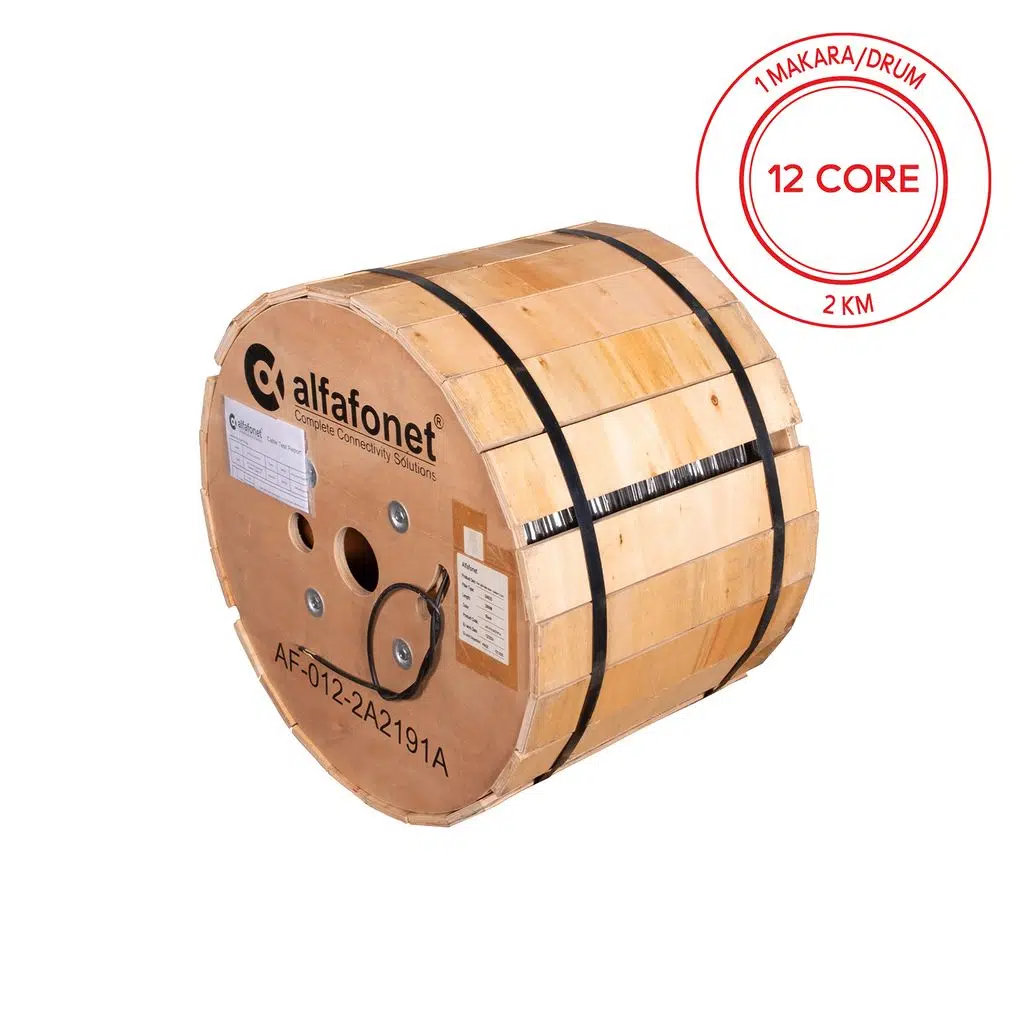
The core count in fibre optic cables refers to the number of independent fibre cores contained within the cable. The existing connection requirements of the project and future capacity planning may influence the choice of core count.
As capacity requirements can vary between different infrastructures, the number of cores should be determined according to the requirements of the project. This allows both current connection needs and potential future expansion requirements to be taken into consideration.
Fibre optic connection cables can be used across a range of communication and network infrastructures. Their applications vary depending on the technical characteristics of the cable and the requirements of the project.
Key applications may include:
Telecommunications infrastructure
Fibre network systems
LAN infrastructure
FTTH applications
Data communication systems
Fibre backbone connections
Corporate communication infrastructure
Fibre connections between network equipment
Fibre infrastructure is a system in which multiple components work together. Cables, connection points, termination equipment and active devices need to form a compatible and integrated structure.
For this reason, cable selection should not focus on a single product specification. Instead, the requirements of the entire infrastructure should be considered. The right connection solution can contribute to a more organised installation, maintain the manageability of the infrastructure and help create a structure suited to the requirements of the communication system.
ALFAFONET offers cabling solutions designed to meet different connection requirements in fibre optic infrastructures. When selecting a product, the connection purpose, infrastructure structure, capacity requirements and installation conditions should be considered together.
To identify the solution that best meets your requirements, explore the ALFAFONET fibre optic connection cable range, compare the technical specifications and select the product suited to your project's requirements.
A fibre optic connection cable is a cabling solution used to establish optical communication between two connection points within a fibre optic infrastructure.
When selecting a cable, factors such as intended use, fibre structure, core capacity, cable length, installation environment and compatibility with the existing infrastructure should be considered.
Key applications include telecommunications, LAN, FTTH, fibre networks, data communication systems and fibre backbone infrastructures.
The core count should be determined according to the fibre capacity required by the infrastructure and the project's current and potential future connection requirements.




Alfafonet Complete Connectivity Solutions © 2026 All Rights Reserved.


0
)