×

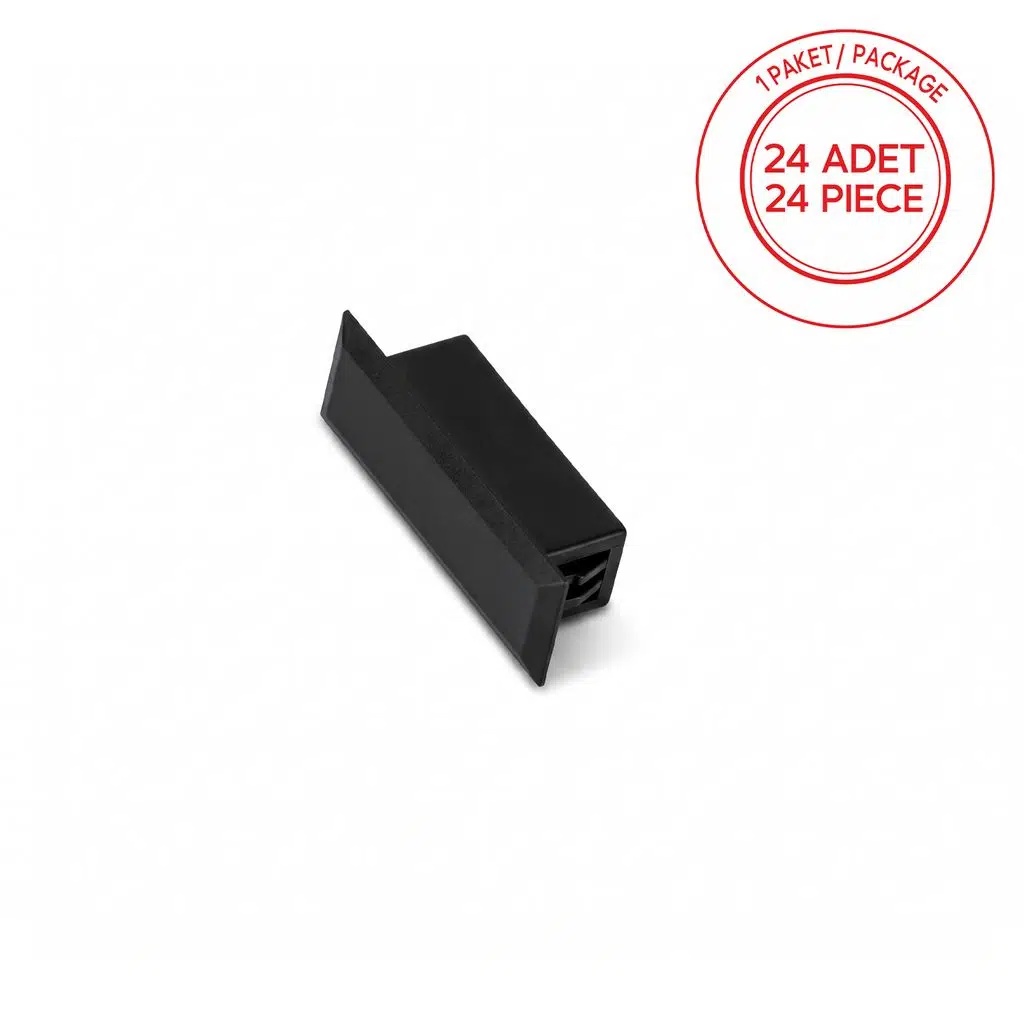
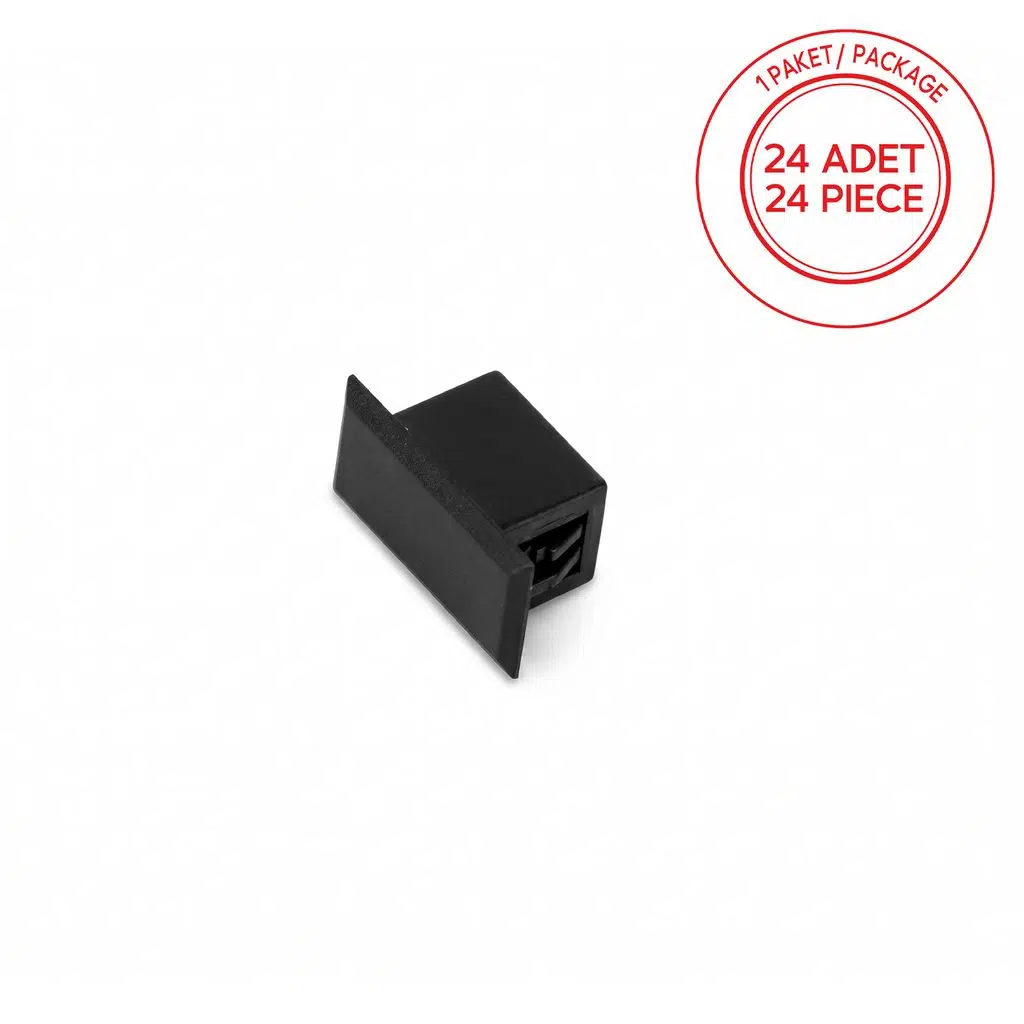
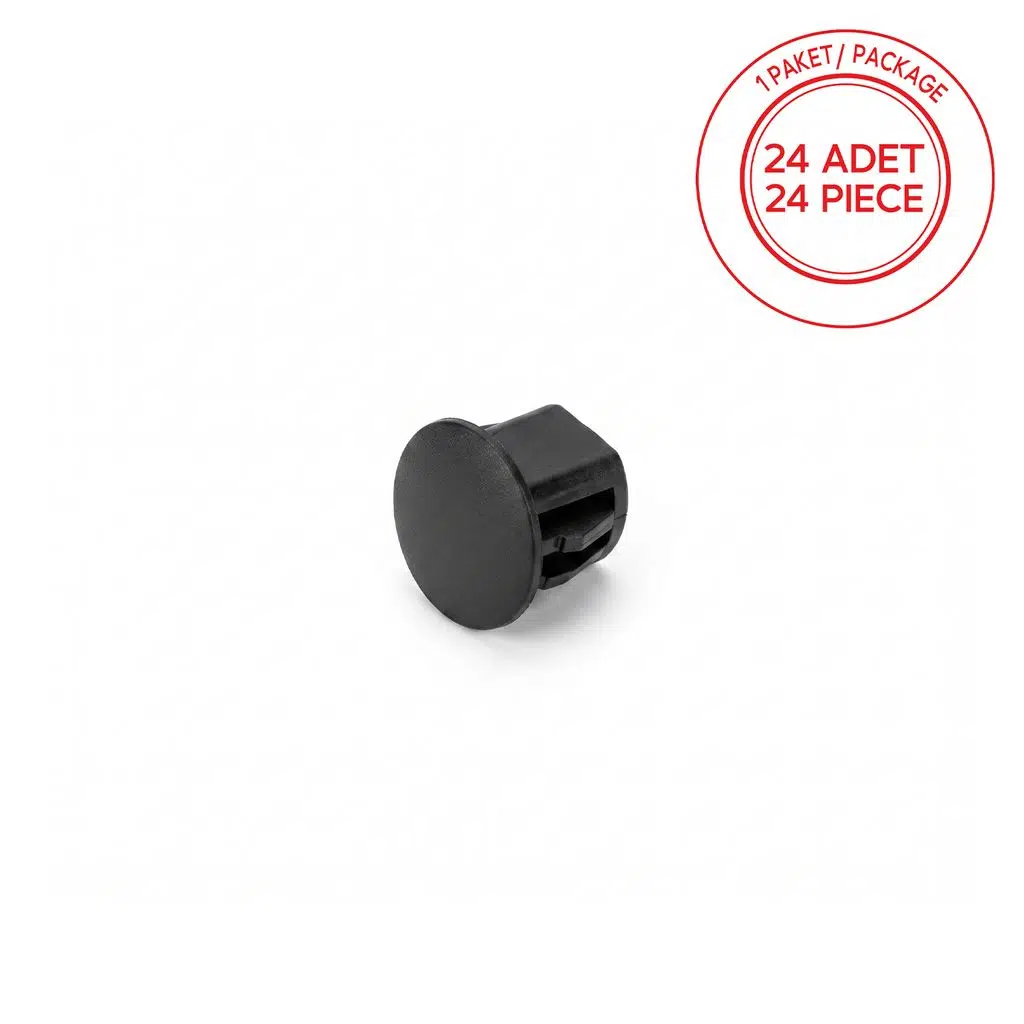
Fibre optic dust caps are passive fibre infrastructure accessories used to protect unused fibre optic connector and adaptor ports against dust, dirt and physical contaminants. By helping keep fibre connection points clean and protected, they support maintenance and installation processes.
ALFAFONET Fibre Optic Dust Caps offer options for SC, LC, ST and FC connection types, helping protect unused connection points in different fibre optic infrastructures. With their compact design, they provide a practical protection solution for fibre optic connection equipment.
A fibre optic dust cap is an accessory used to protect an unused fibre optic connector or adaptor port against dust, dirt and similar physical contaminants from the surrounding environment.
When fibre optic connection points are left exposed while not in use, they may come into contact with environmental contaminants. A dust cap helps keep these connection points covered and protected.
For this reason, fibre optic dust caps are particularly used for fibre port protection and for helping keep connection points clean.
The main function of dust caps is to help physically protect unused fibre optic connection points.
Key functions include:
Helping protect unused fibre ports from dust.
Supporting the cleanliness of connector and adaptor connection points.
Helping simplify maintenance processes for fibre infrastructure equipment.
Keeping unused connection points covered.
Contributing to more organised connection management within fibre optic infrastructures.
A dust cap is not an active optical component; its primary function is to provide physical protection.
When selecting a fibre optic dust cap, the type of connection in which it will be used should be considered, along with whether the connection has a simplex, duplex or quad configuration.
The ALFAFONET product range includes dust cap options for different fibre connection configurations.
SC and LC fibre optic dust caps help physically protect SC or LC connection points when they are not in use.
As SC and LC connection structures have different dimensions and designs, the selected dust cap must be compatible with the relevant connection point.
ST and FC dust caps can be used to protect ST or FC type fibre optic connection points.
The connector or port type in which the dust cap will be used should be checked when selecting the product.
Fibre optic connection equipment can have simplex, duplex or quad port configurations. Therefore, when selecting a dust cap, not only the connector type, such as SC or LC, but also the connection configuration should be considered.
The ALFAFONET product range includes options suitable for different connection configurations. To select the right product, compatibility between the product and the port configuration of the equipment being used should be checked.
The following features should be considered when selecting the right dust cap:
First, the connector type of the connection point to be protected, such as SC, LC, ST or FC, should be identified.
A suitable product should be selected according to the connection configuration, such as simplex, duplex or quad.
The dust cap must be physically compatible with the connector, adaptor or port in which it will be used.
Where the dust cap will be used, such as a patch panel, adaptor connection or different fibre optic equipment, should be considered during product selection.
A fibre optic adaptor and a fibre optic dust cap serve different purposes.
A fibre optic adaptor is a passive connection component that enables compatible fibre optic connectors to be connected to one another.
A fibre optic dust cap, on the other hand, helps protect unused connection points against dust and physical contaminants.
In brief:
Fibre Optic Adaptor → Connects compatible connectors to one another.
Fibre Optic Dust Cap → Protects an unused connection point.
Therefore, a dust cap does not replace an adaptor; it is a complementary accessory designed to protect the connection point.
Fibre optic dust caps can be used in various fibre infrastructure applications where unused connection points need to be protected.
Key applications include:
Fibre optic patch panels
Fibre optic adaptors
Telecommunications infrastructures
FTTH applications
Data centre fibre infrastructures
Corporate network systems
Fibre optic field applications
They can be considered a practical accessory, particularly during installation, maintenance and storage processes where unused ports need to be protected.
ALFAFONET Fibre Optic Dust Caps offer product options designed to physically protect fibre optic connection points when they are not in use.
You can explore options for SC, LC, ST and FC connection types to identify a dust cap compatible with the fibre optic equipment you are using.
Explore ALFAFONET Fibre Optic Dust Caps to help protect unused connection points within your fibre infrastructure and support more organised fibre connection management.
A fibre optic dust cap is a passive fibre infrastructure accessory used to protect unused fibre optic connectors or adaptor ports against dust, dirt and physical contaminants.
It helps keep unused fibre optic connection points covered and protected. This supports keeping connection points clean and helps maintenance processes to be carried out in a more organised manner.
The primary purpose of a dust cap is not to improve signal transmission, but to protect unused connection points against physical contaminants. Keeping connection points clean and protected can contribute to the proper management of the fibre infrastructure.
Depending on the product, they can be used with different fibre optic connection types, such as SC, LC, ST and FC. The connection type and physical compatibility should be checked when selecting the product.
An adaptor connects compatible fibre optic connectors to one another, while a dust cap helps protect an unused connection point against physical contaminants.
Yes. Depending on the product type, they can be used in patch panels and similar fibre optic equipment to protect unused or vacant fibre connection ports.




Alfafonet Complete Connectivity Solutions © 2026 All Rights Reserved.


0
)