×

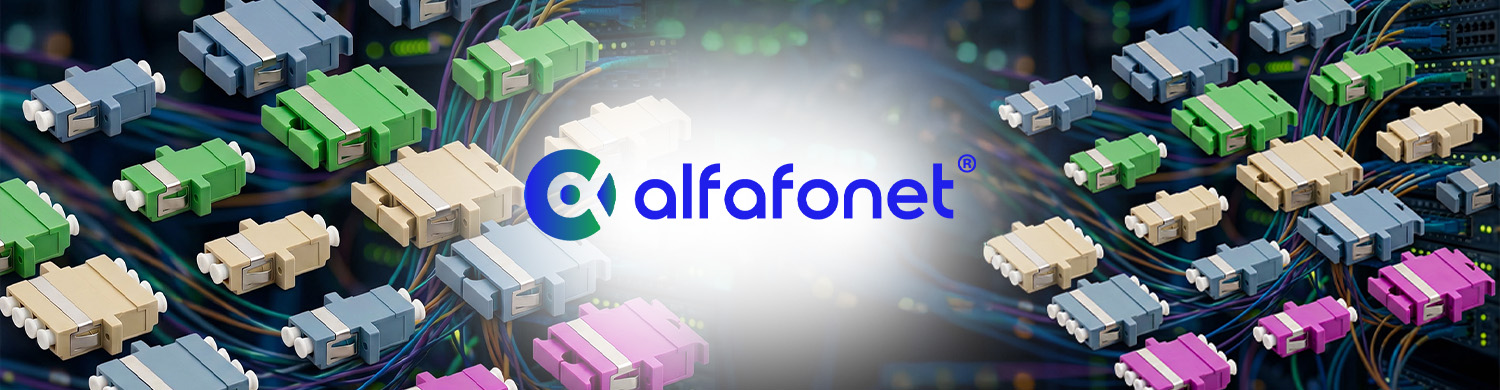
Fibre optic adaptors are passive infrastructure components used to reliably connect different fibre optic connectors, ensure correct alignment of connection points and establish an organised fibre connection structure.
ALFAFONET fibre optic adaptors can be used in patch panels, ODFs, fibre termination boxes and similar fibre optic equipment, with different connector, connection structure and form options for single-mode and multimode fibre systems.
When selecting a fibre optic adaptor, the connector type, fibre type, connection structure and compatibility with the equipment to be used should be considered together.
A fibre optic adaptor is a passive connection component that enables compatible fibre optic connectors to be mechanically connected and correctly aligned.
Adaptors help establish organised connection points in fibre optic systems. They are particularly used to connect different connectors in patch panels, ODFs and fibre termination equipment.
Selecting the right fibre optic adaptor is important in terms of connector compatibility, connection structure and the technical characteristics of the existing fibre infrastructure.
Fibre optic adaptors are available in different options according to the fibre type, connector construction and connection configuration used.
The ALFAFONET fibre optic adaptor category includes adaptor options for single-mode and multimode fibre systems.
Single-mode adaptors are fibre connection components used in single-mode fibre infrastructures. They help organise fibre optic connection points in patch panels, ODFs and similar equipment.
When selecting a single-mode adaptor, the connector type to be used and the characteristics of the existing fibre infrastructure should be taken into consideration.
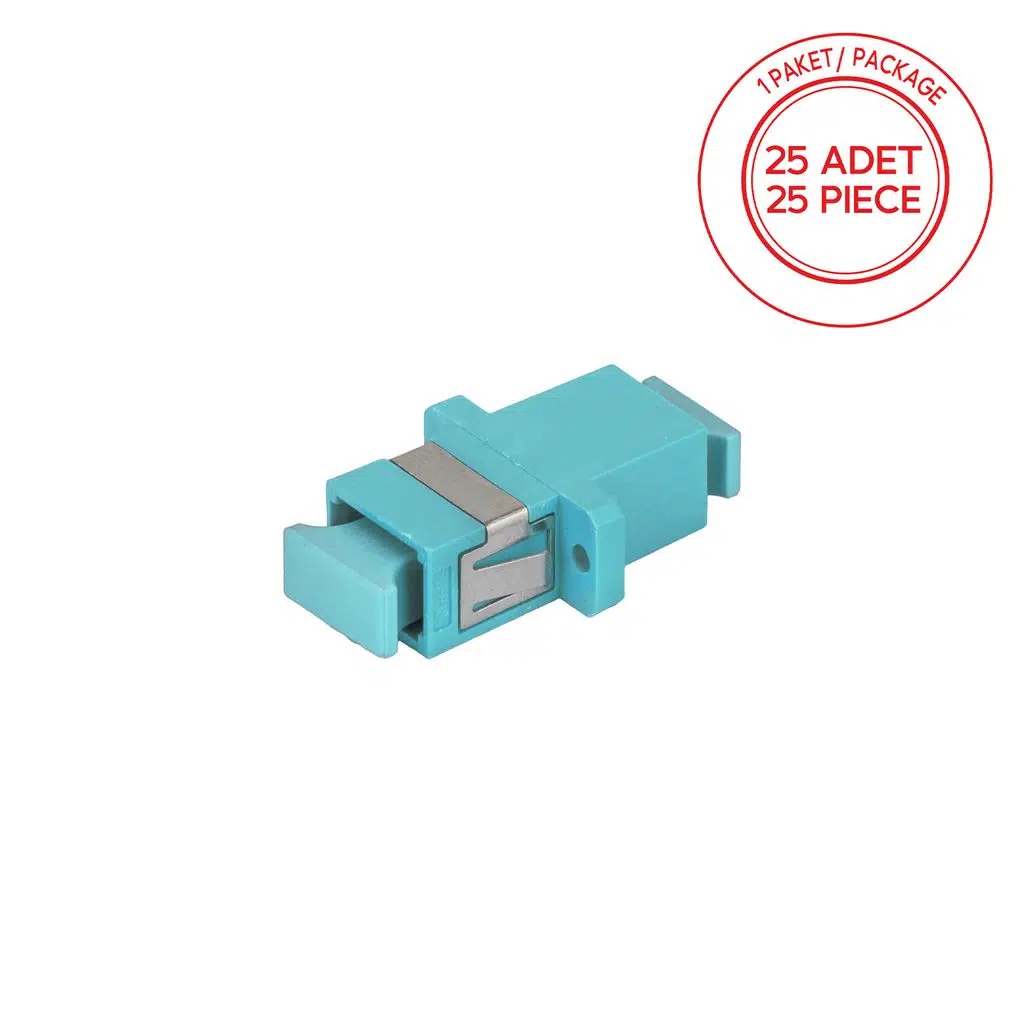
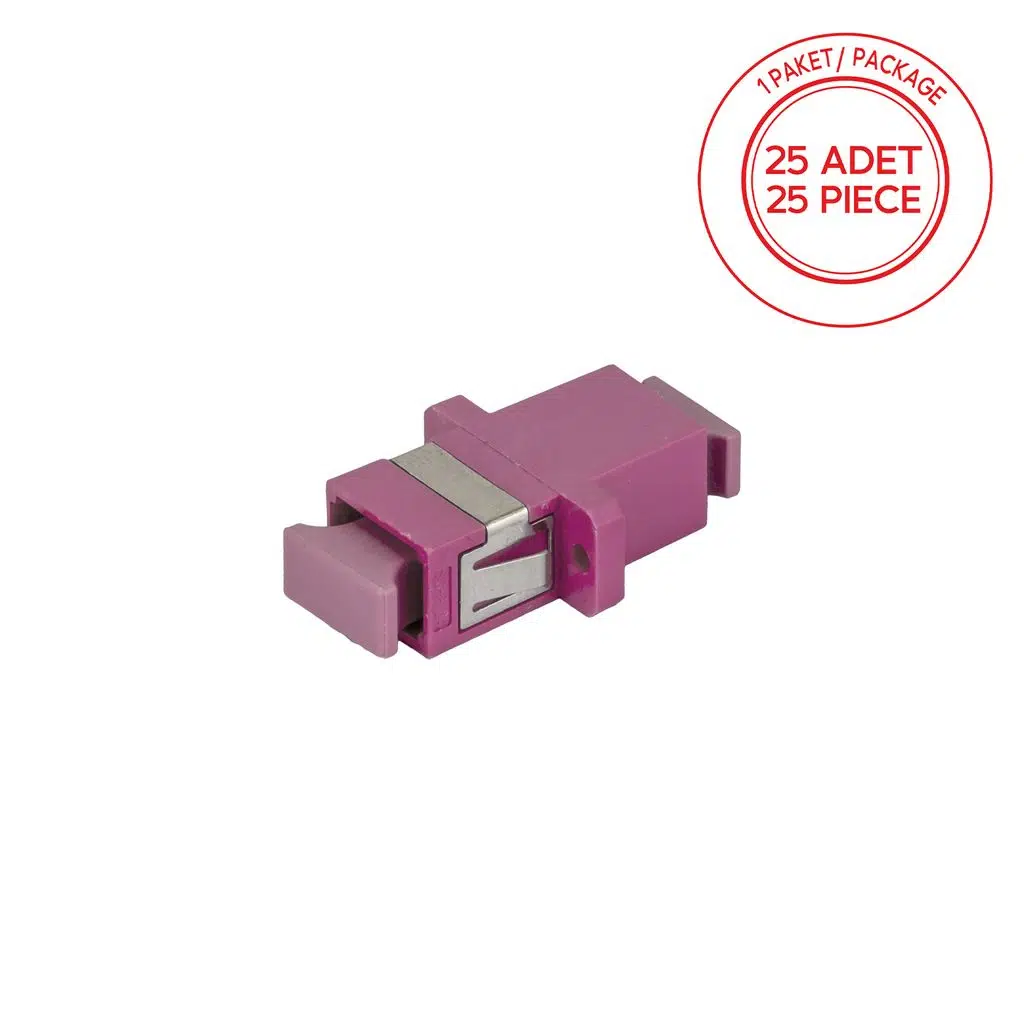
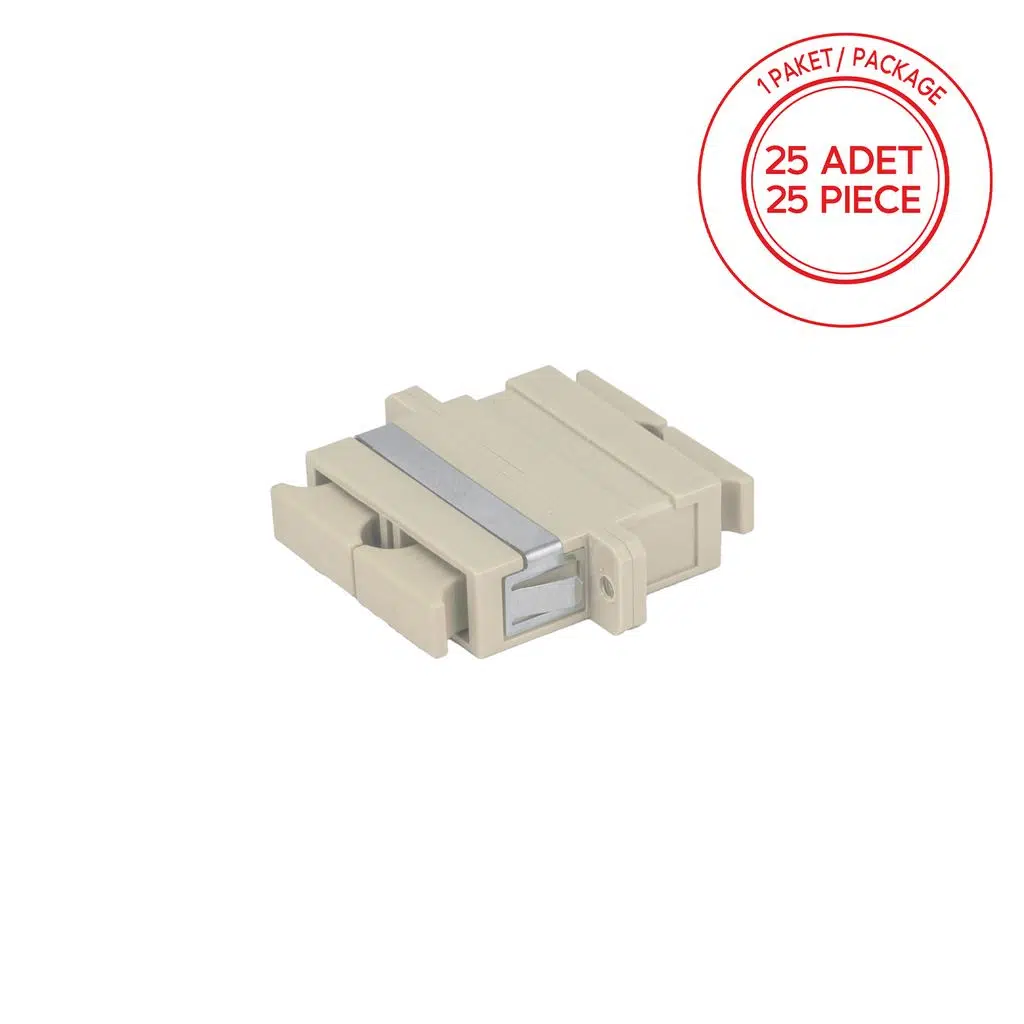
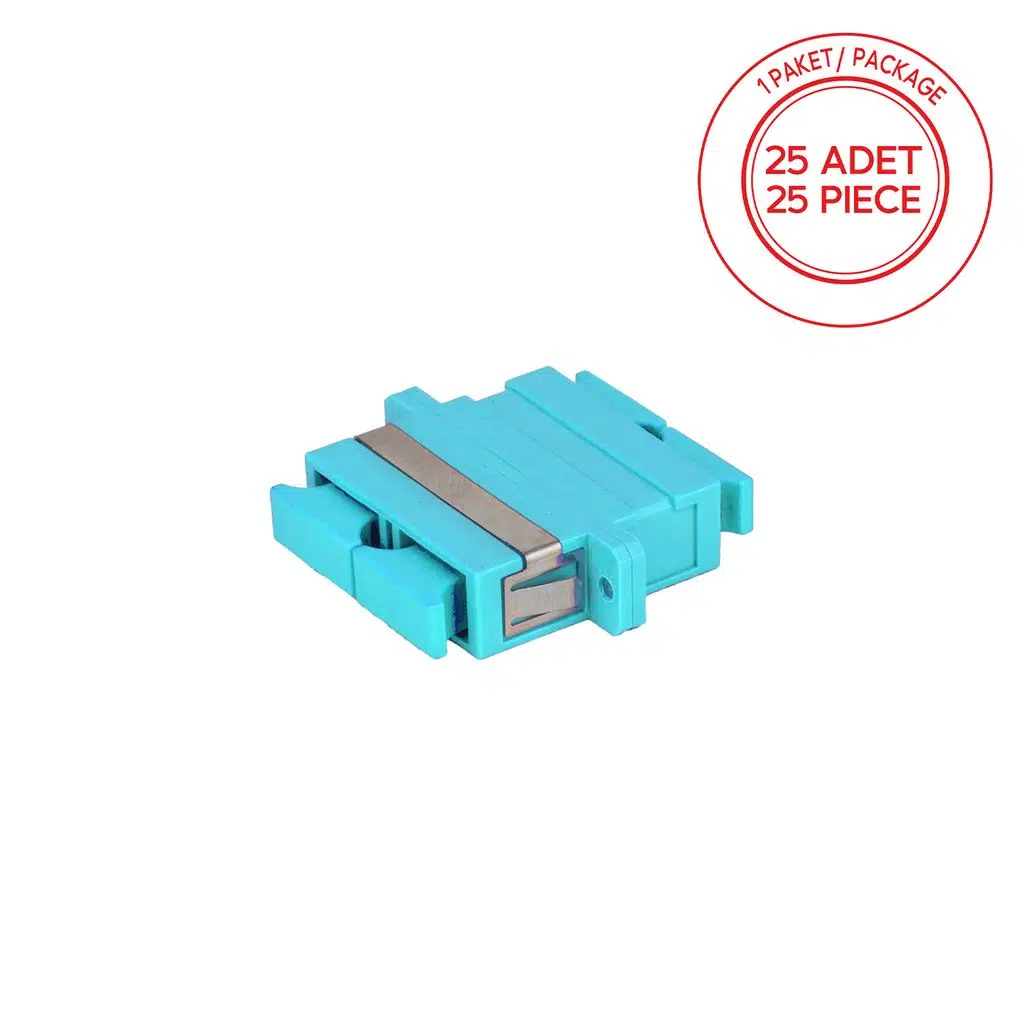
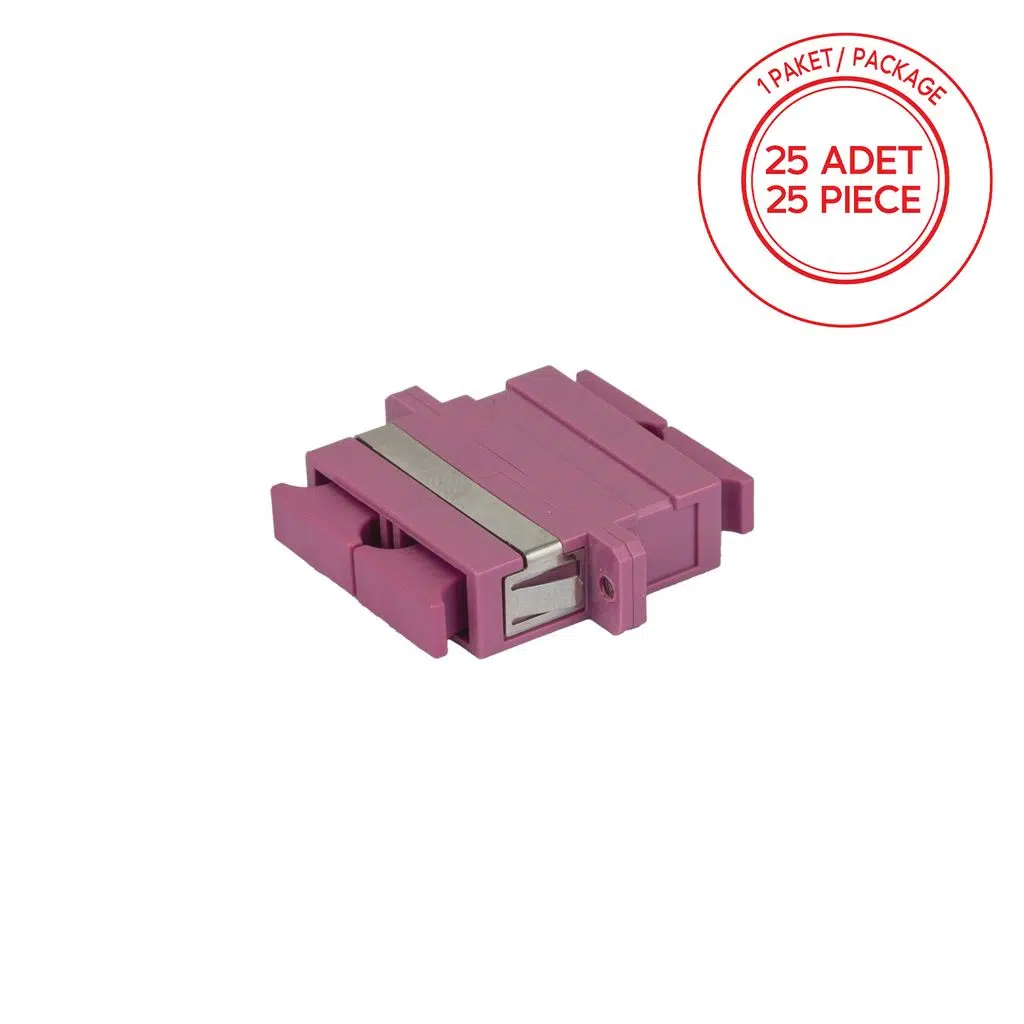
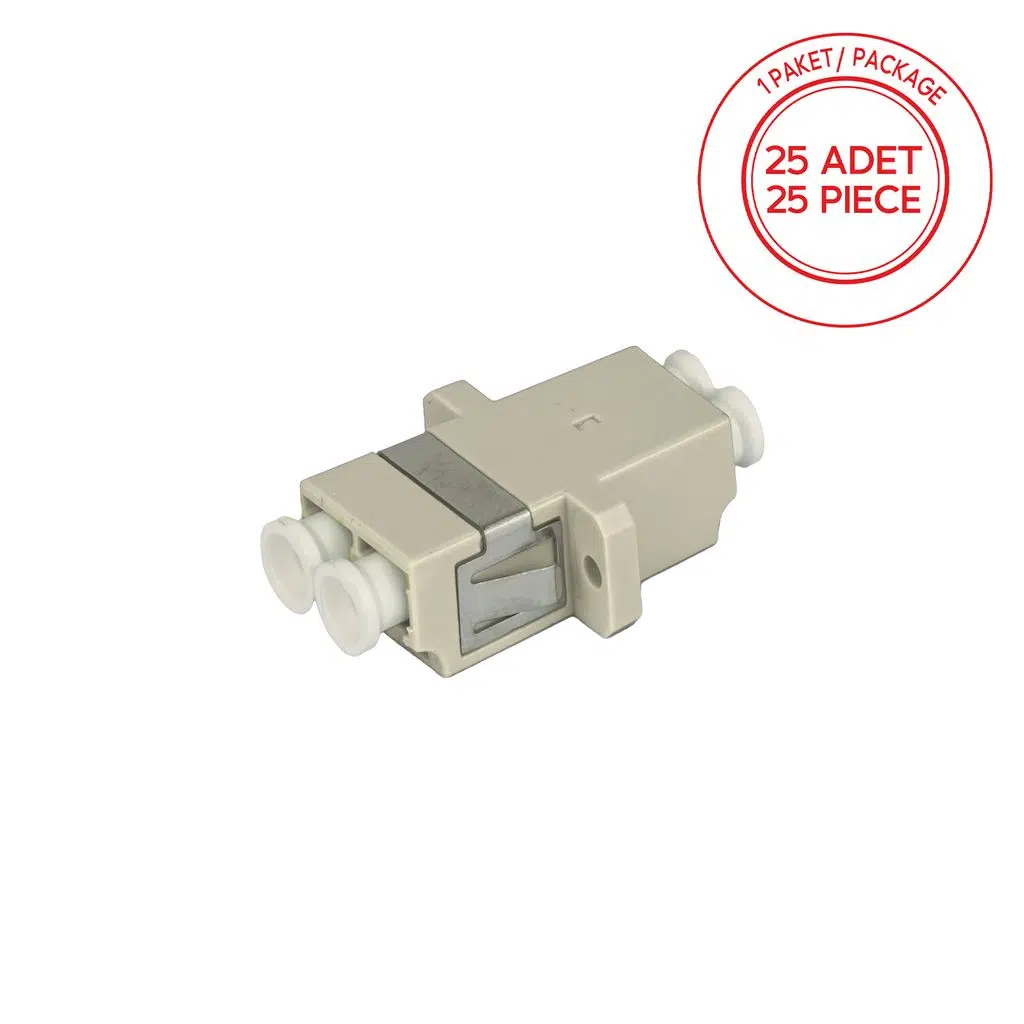
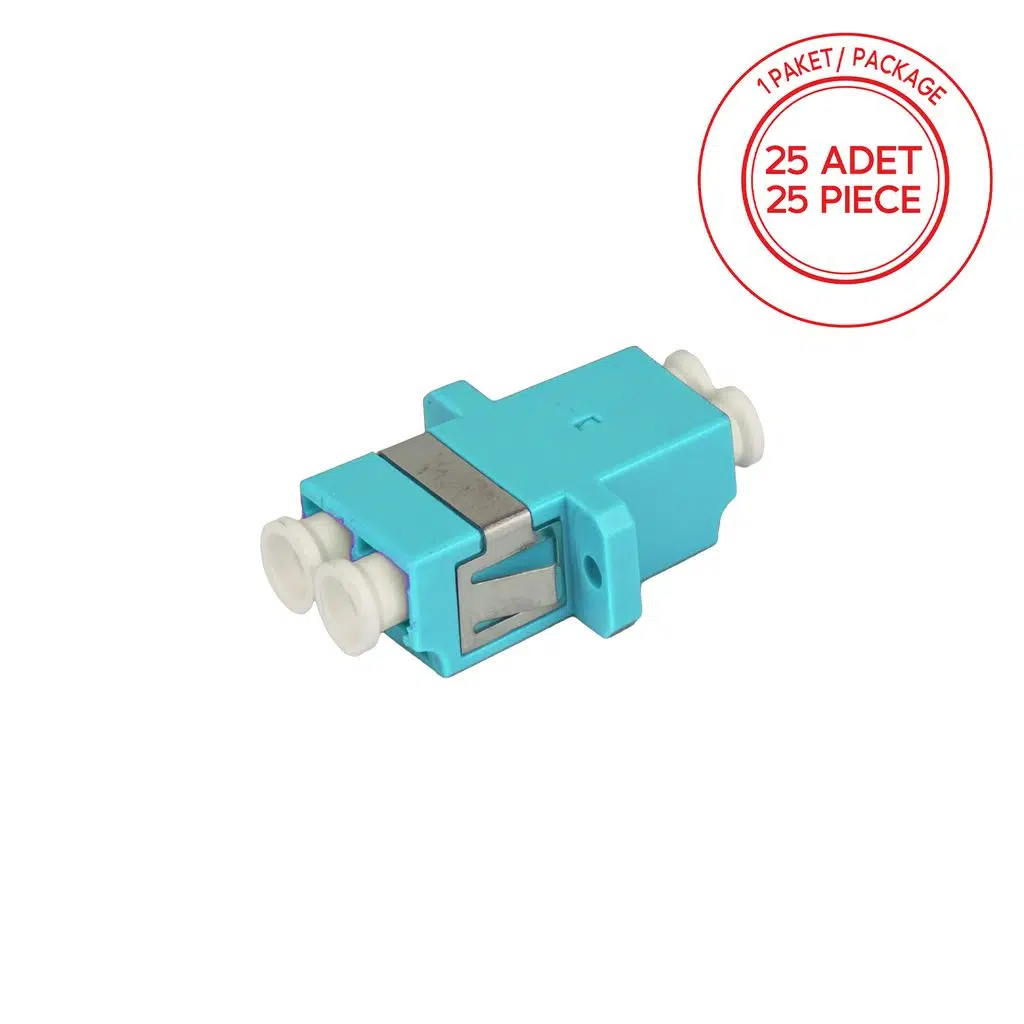
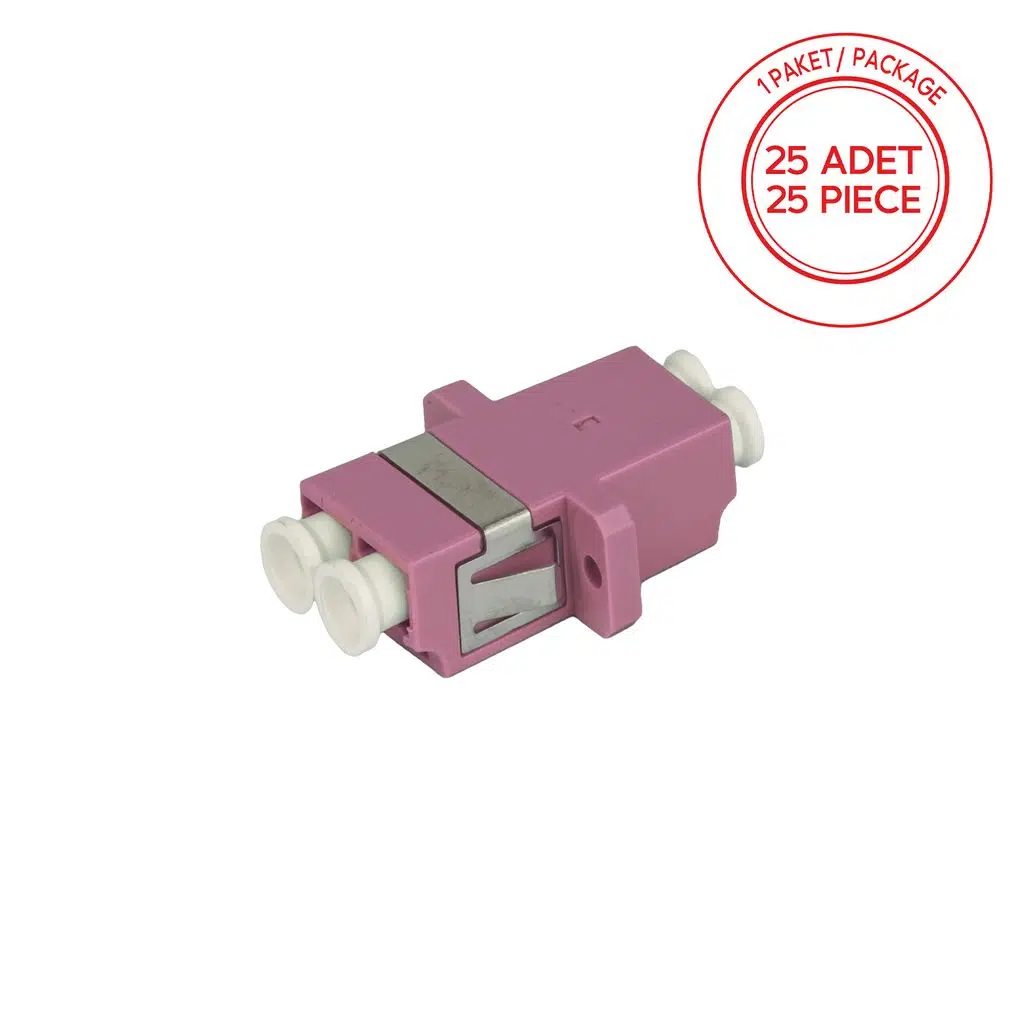
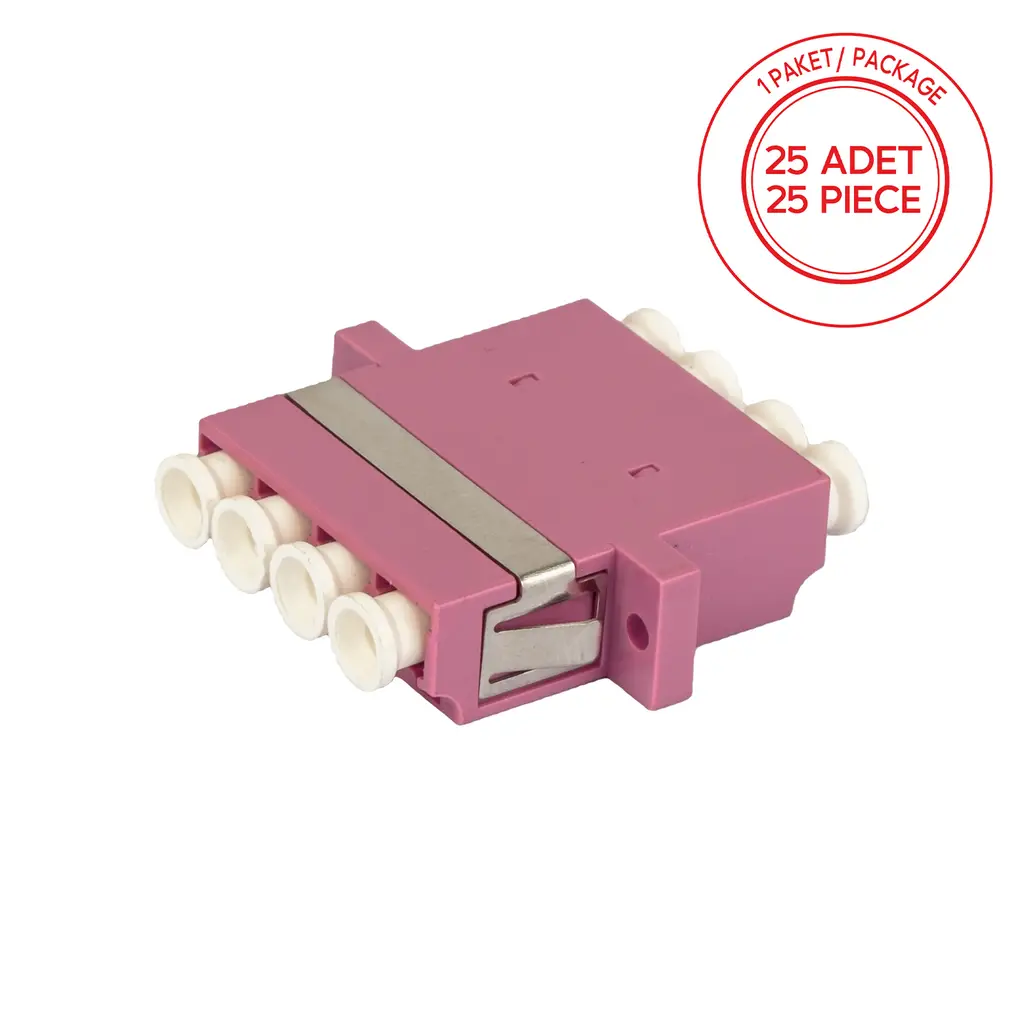
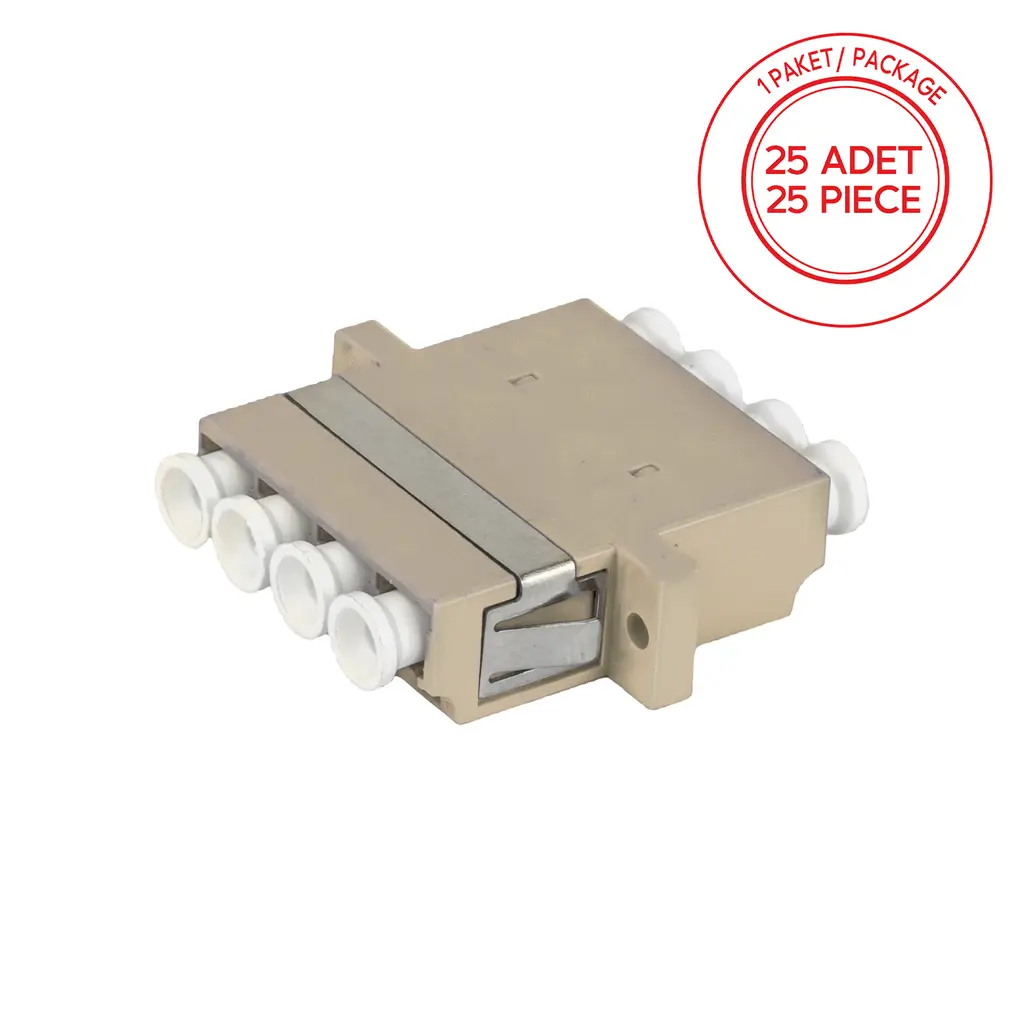
Multimode adaptors are connection components used in multimode fibre infrastructures. They are preferred for establishing suitable connection points in different multimode fibre systems.
When selecting a multimode adaptor, the compatibility between the OM classification of the existing fibre infrastructure and the connector construction to be used should be checked.
The relevant subcategories can be reviewed for the technical specifications and product options of single-mode and multimode adaptors.
One of the most important criteria when selecting a fibre optic adaptor is ensuring that the adaptor is compatible with the connector type to be used.
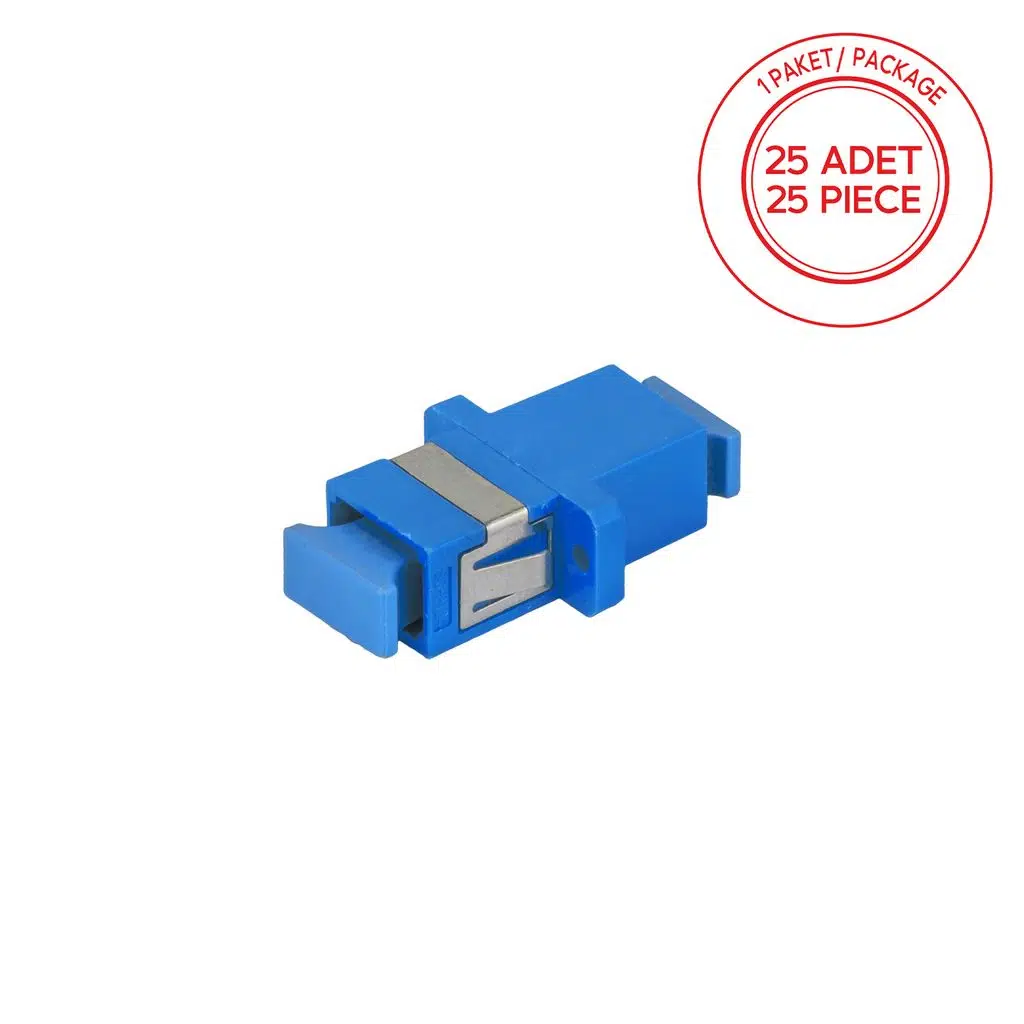
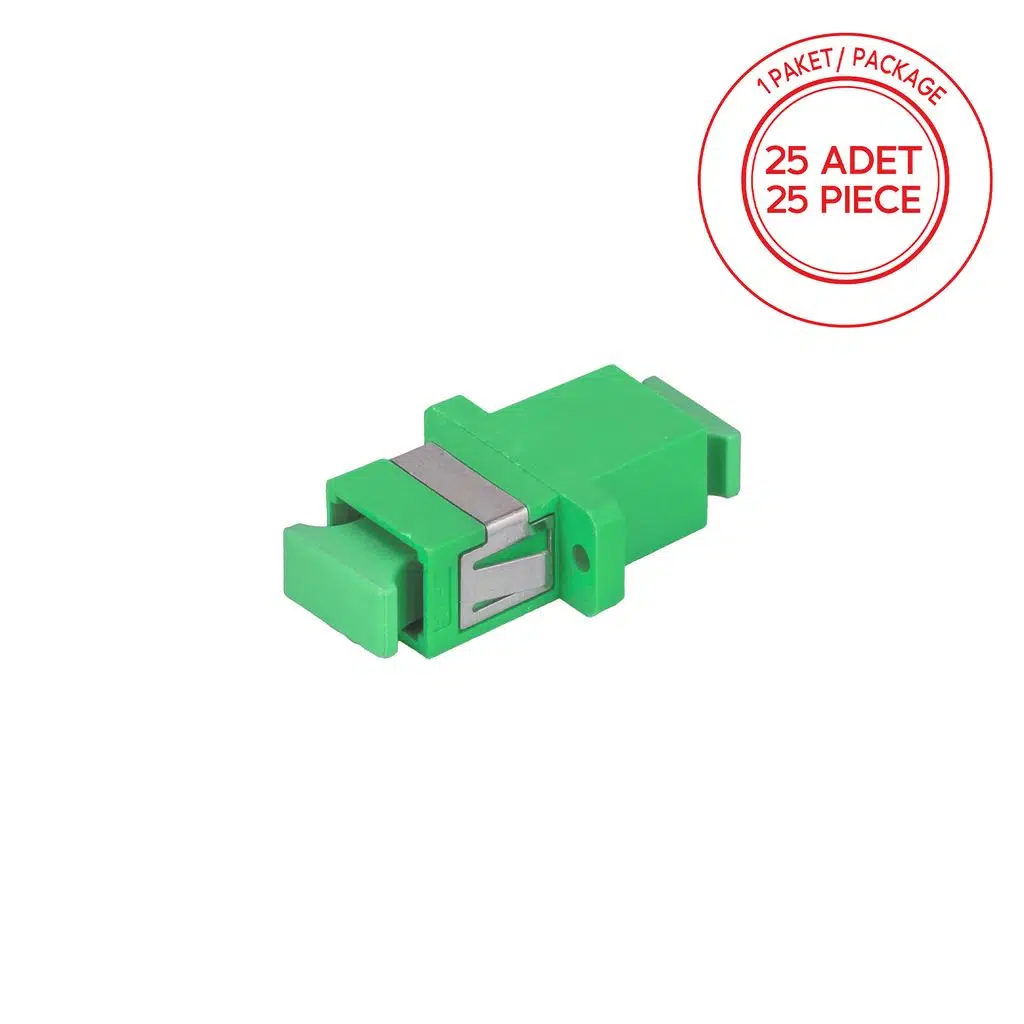
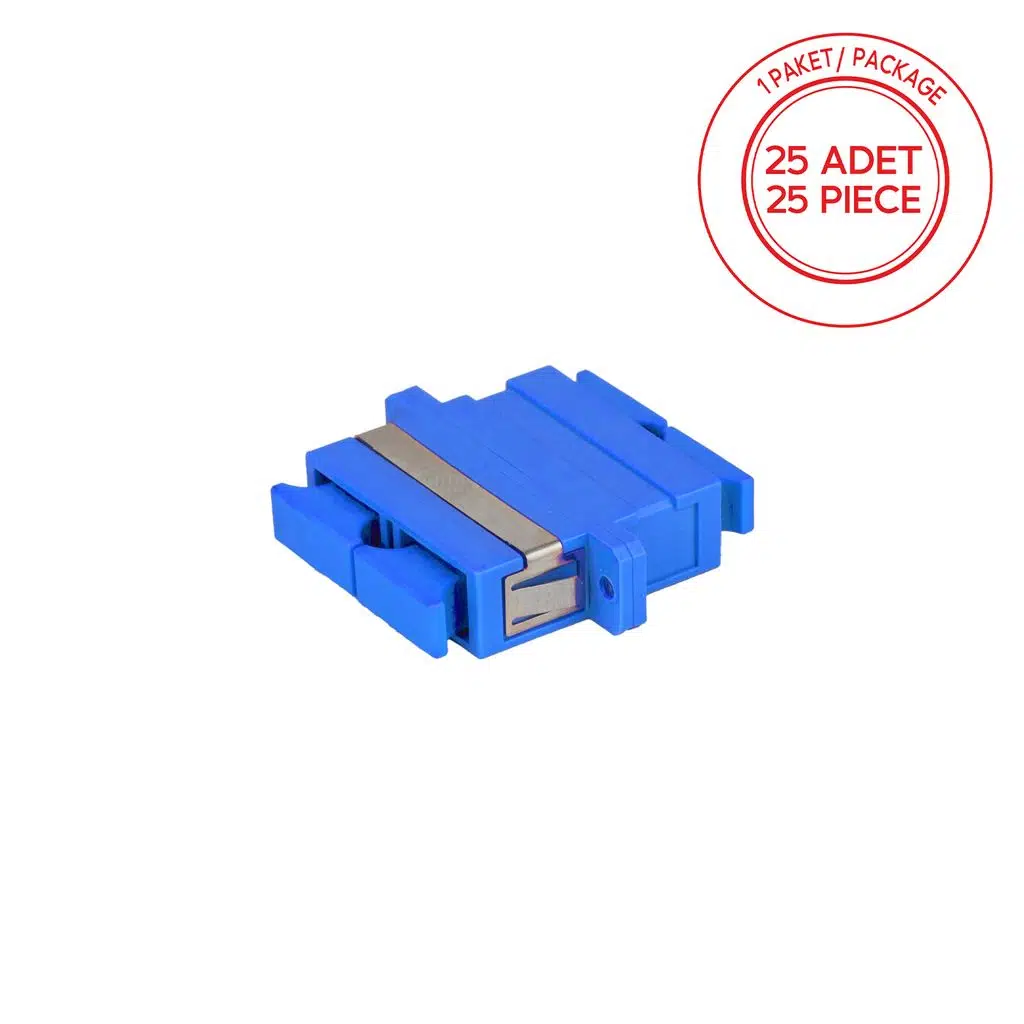
The ALFAFONET fibre optic adaptor product range includes different adaptor options designed for use with SC and LC connectors.
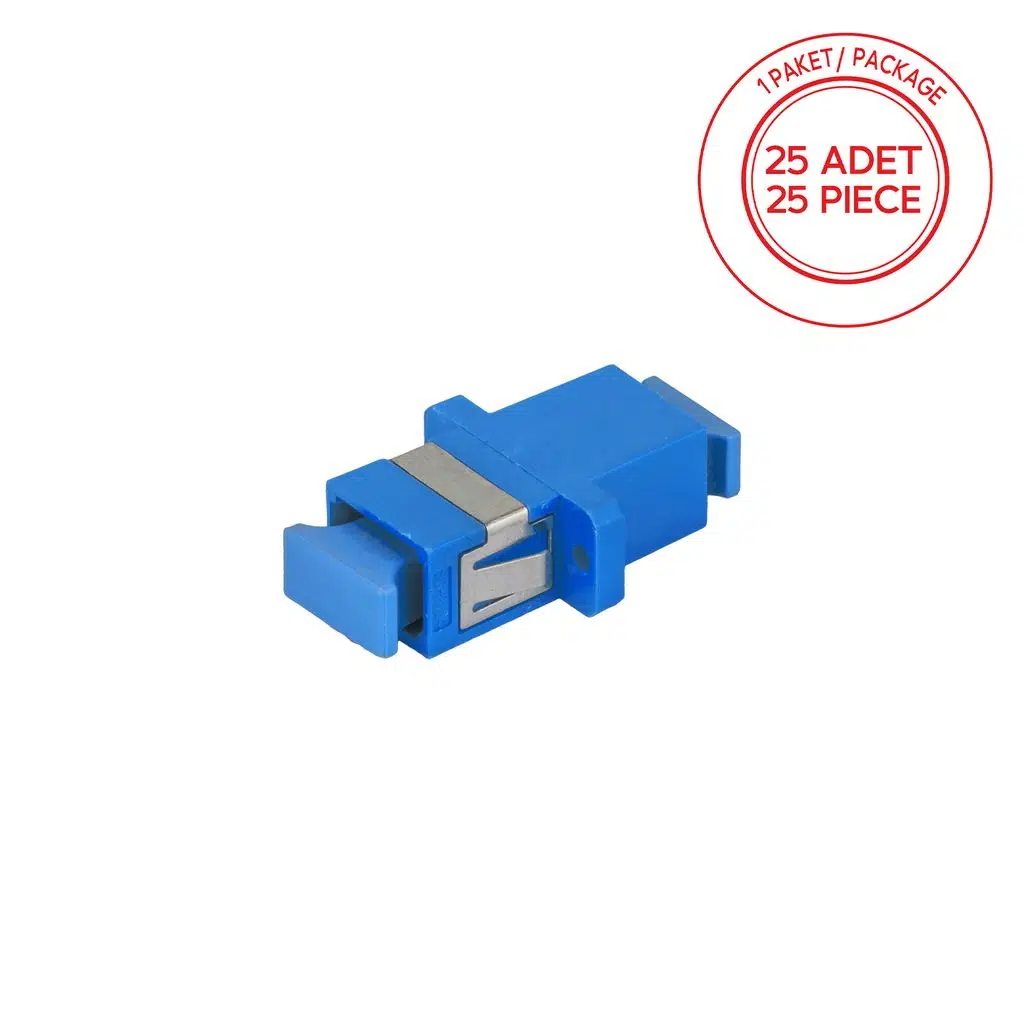
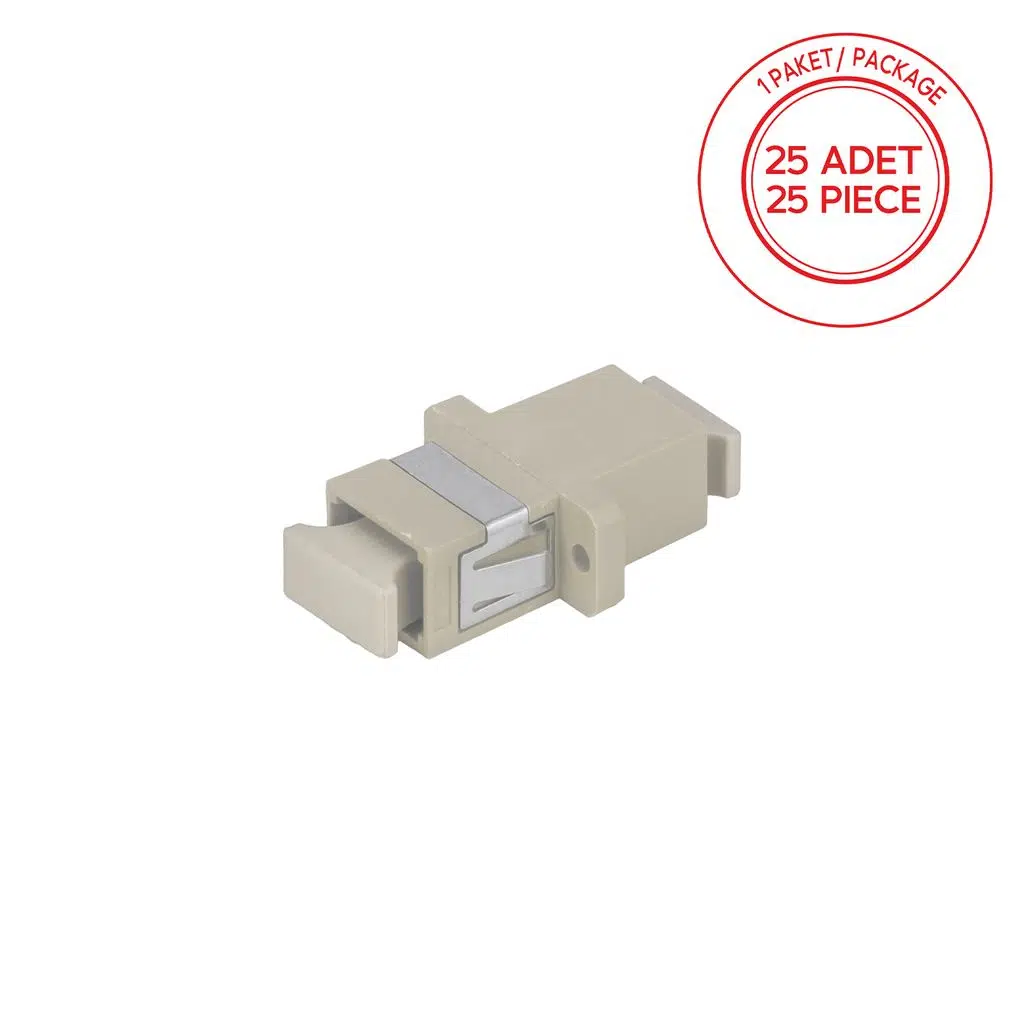
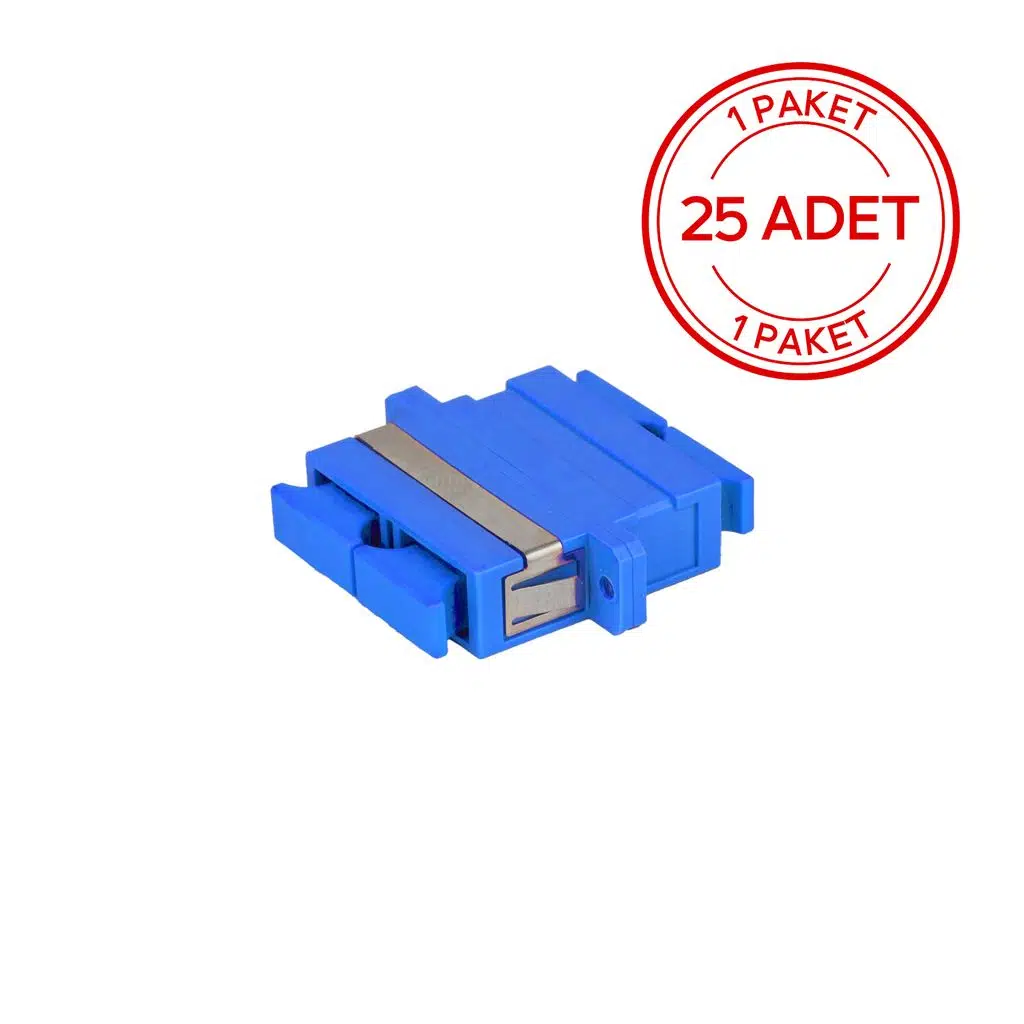
SC adaptors are used to connect SC connectors and ensure their correct alignment. They can be preferred for fibre optic patch panels, ODFs and termination applications.
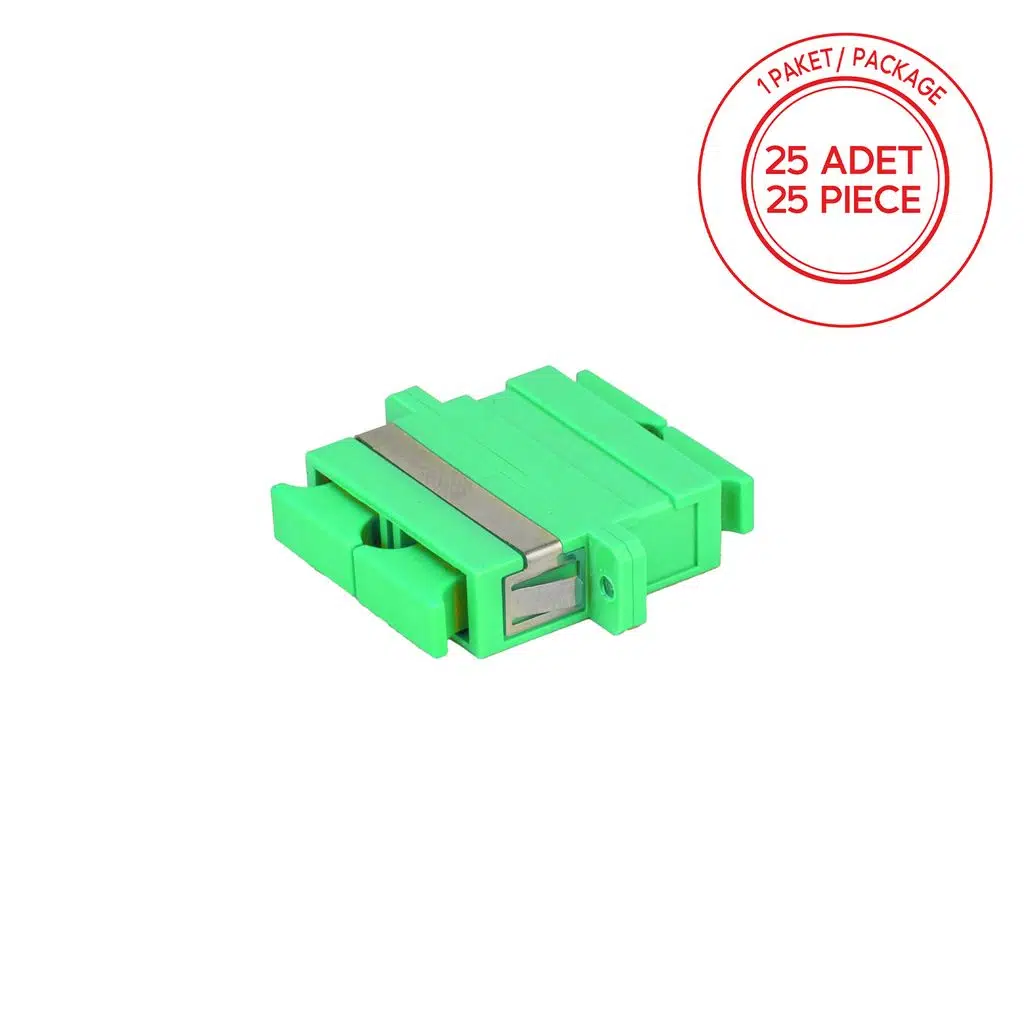
SC adaptors may be available for SC/UPC, SC/APC and different connection configurations. When selecting a product, the construction of the connector to be used should always be checked.
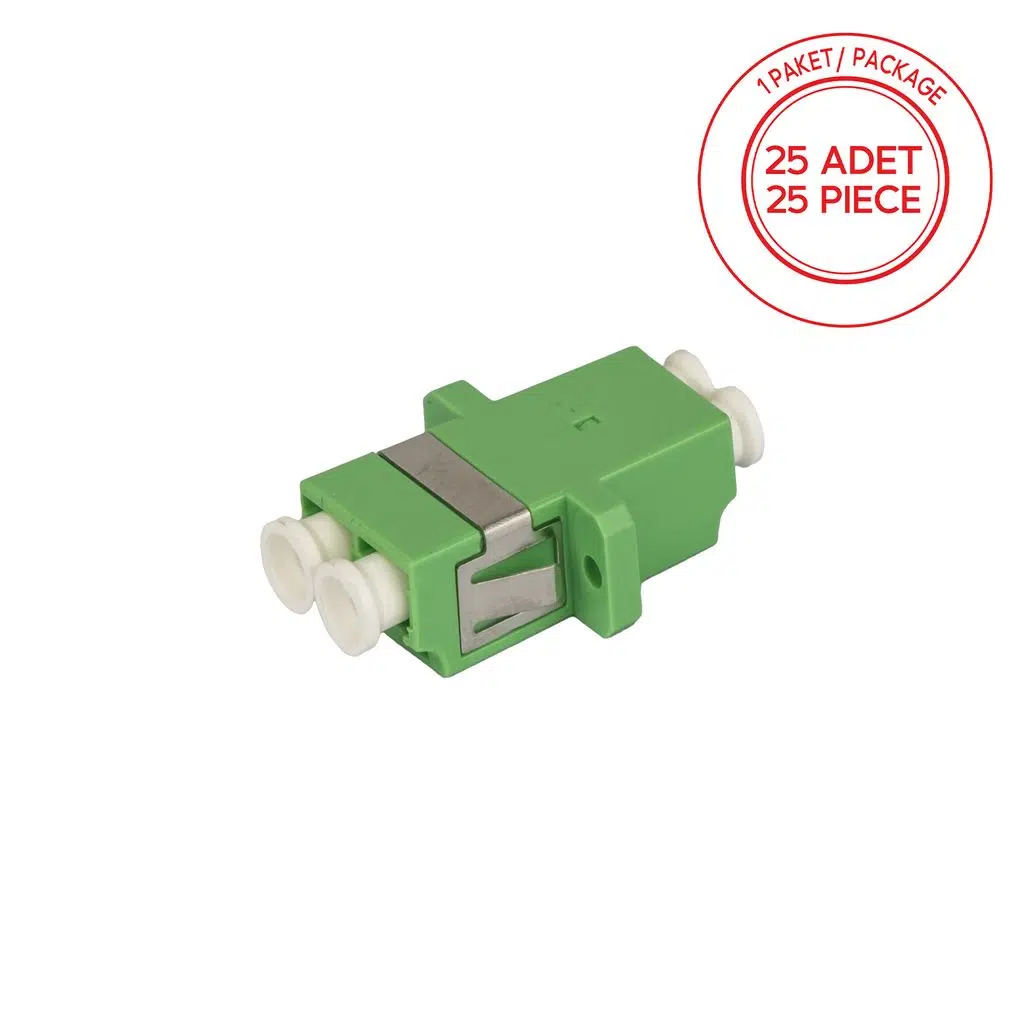
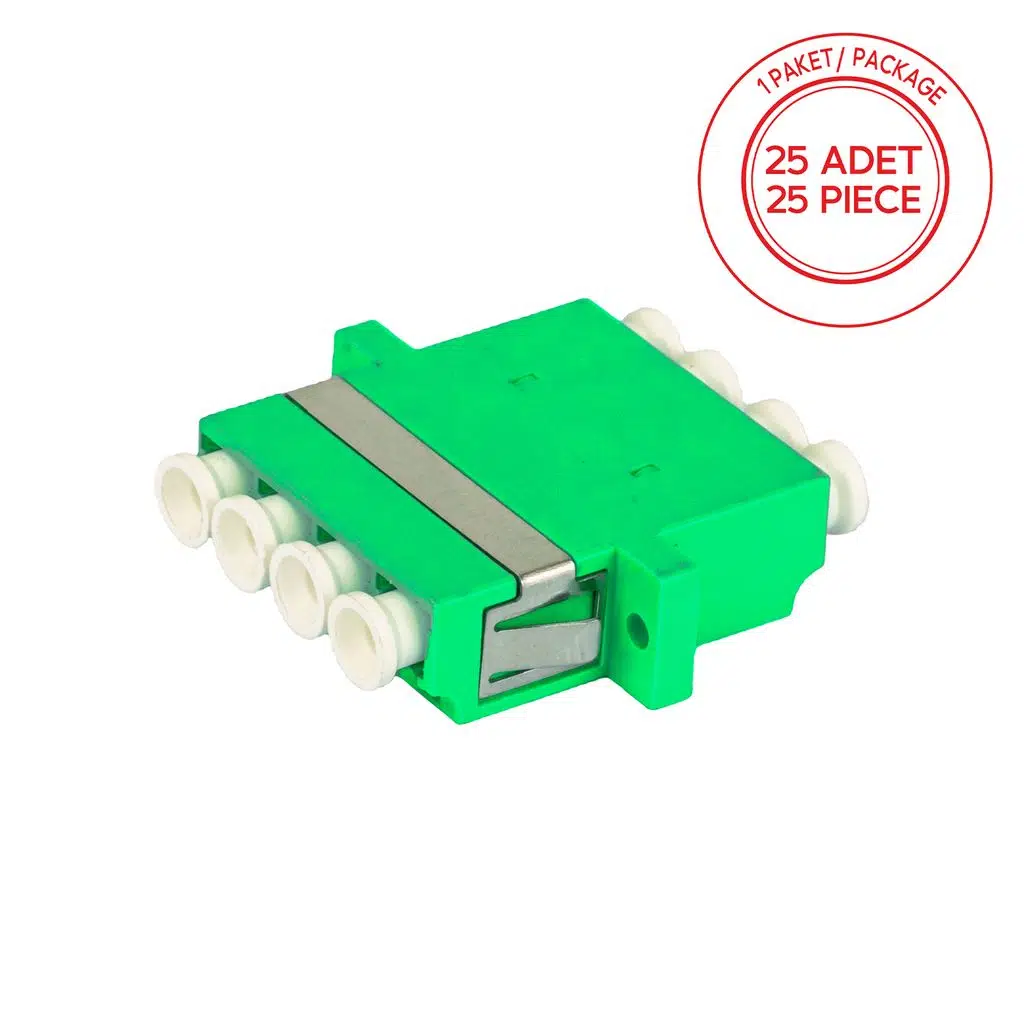
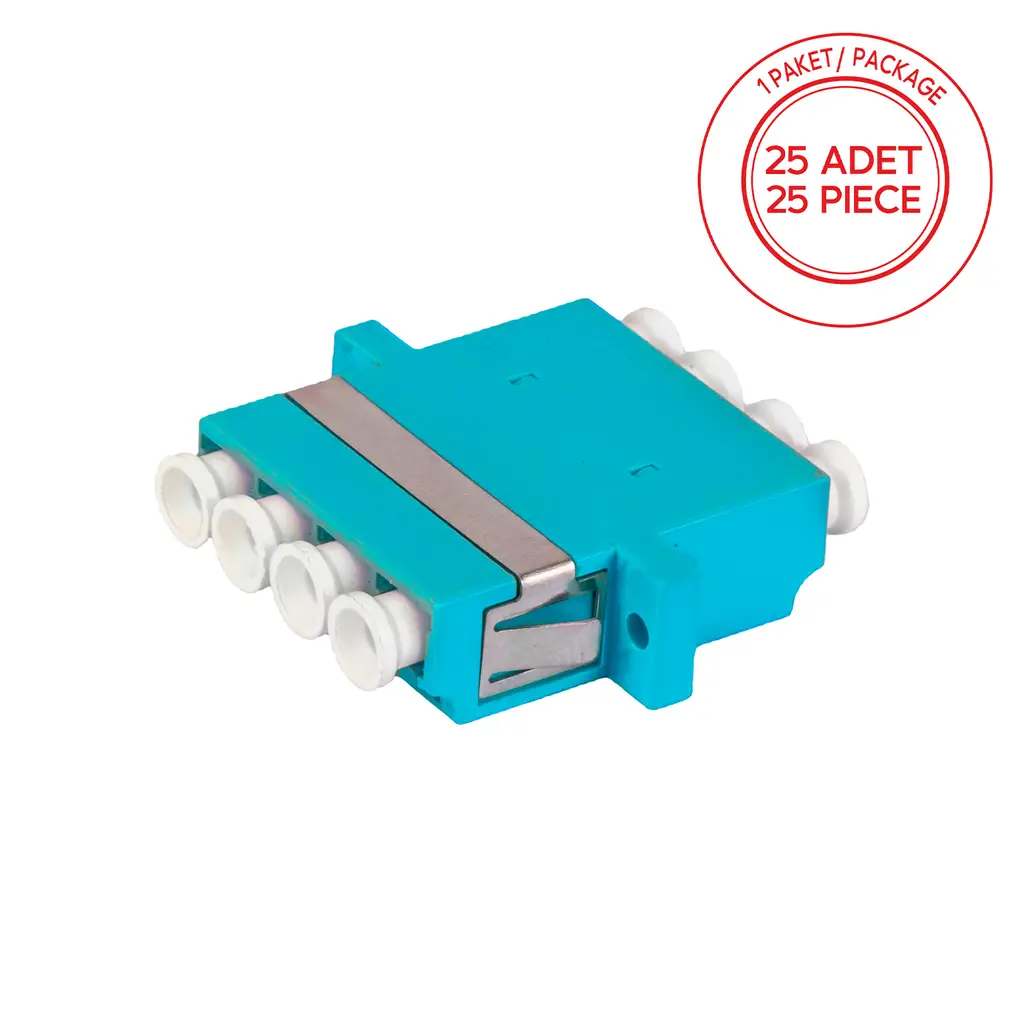
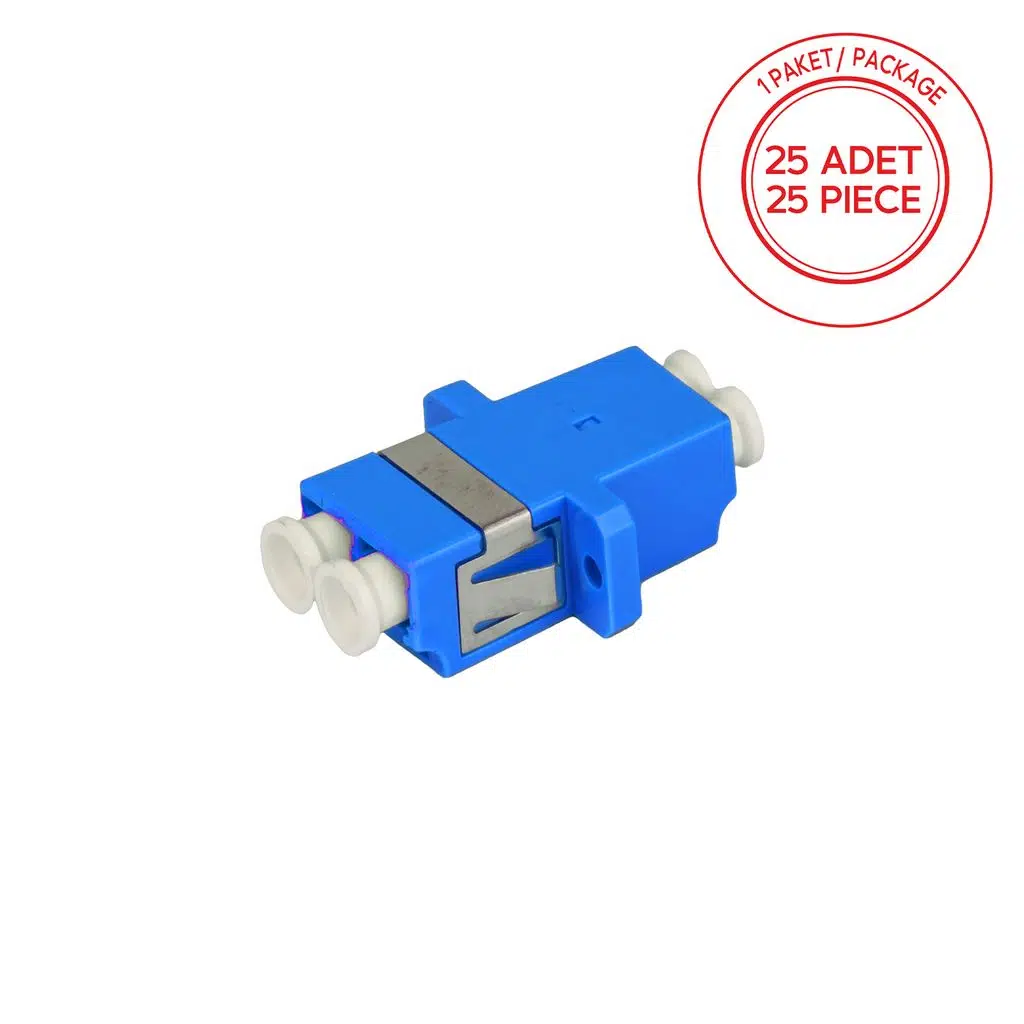
LC adaptors are compact fibre optic adaptors used to connect LC connectors. They can be preferred particularly in fibre optic equipment where high connection density is required.
When selecting an LC adaptor, the LC connector type, the structure of the fibre infrastructure and the connection interface of the equipment to be used should be considered together.
Fibre optic adaptors can be used in different configurations according to connection capacity and physical construction.
Simplex adaptors have a connection structure designed for a single fibre connection path.
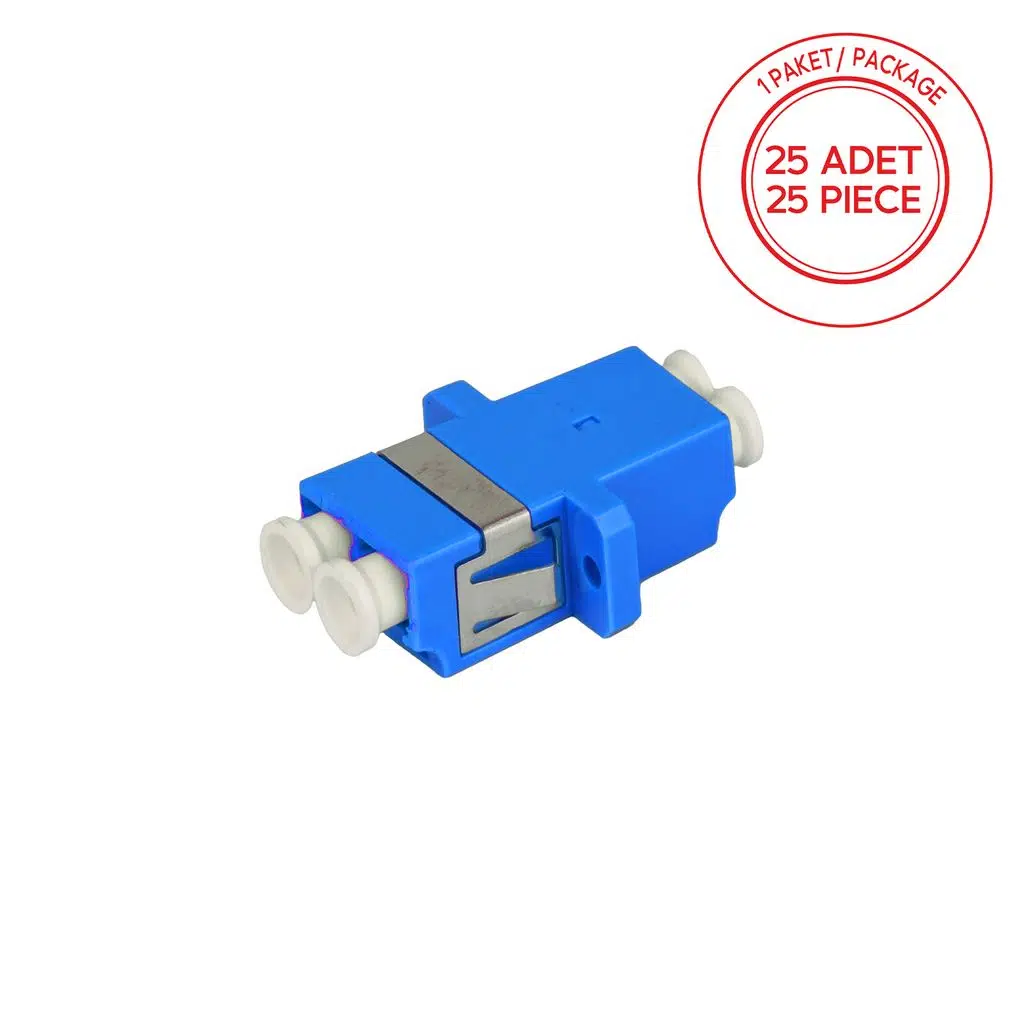
Duplex adaptors allow two fibre connections to be organised within the same adaptor structure.
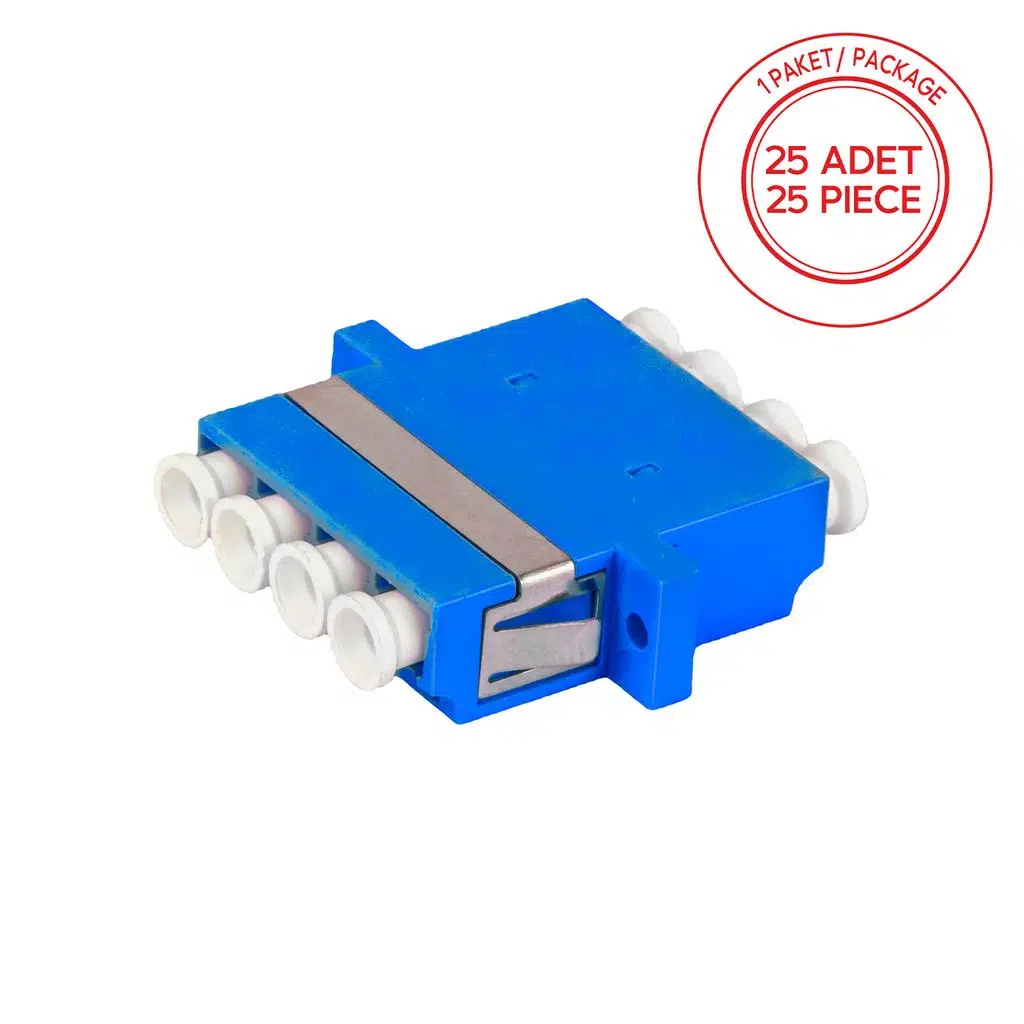
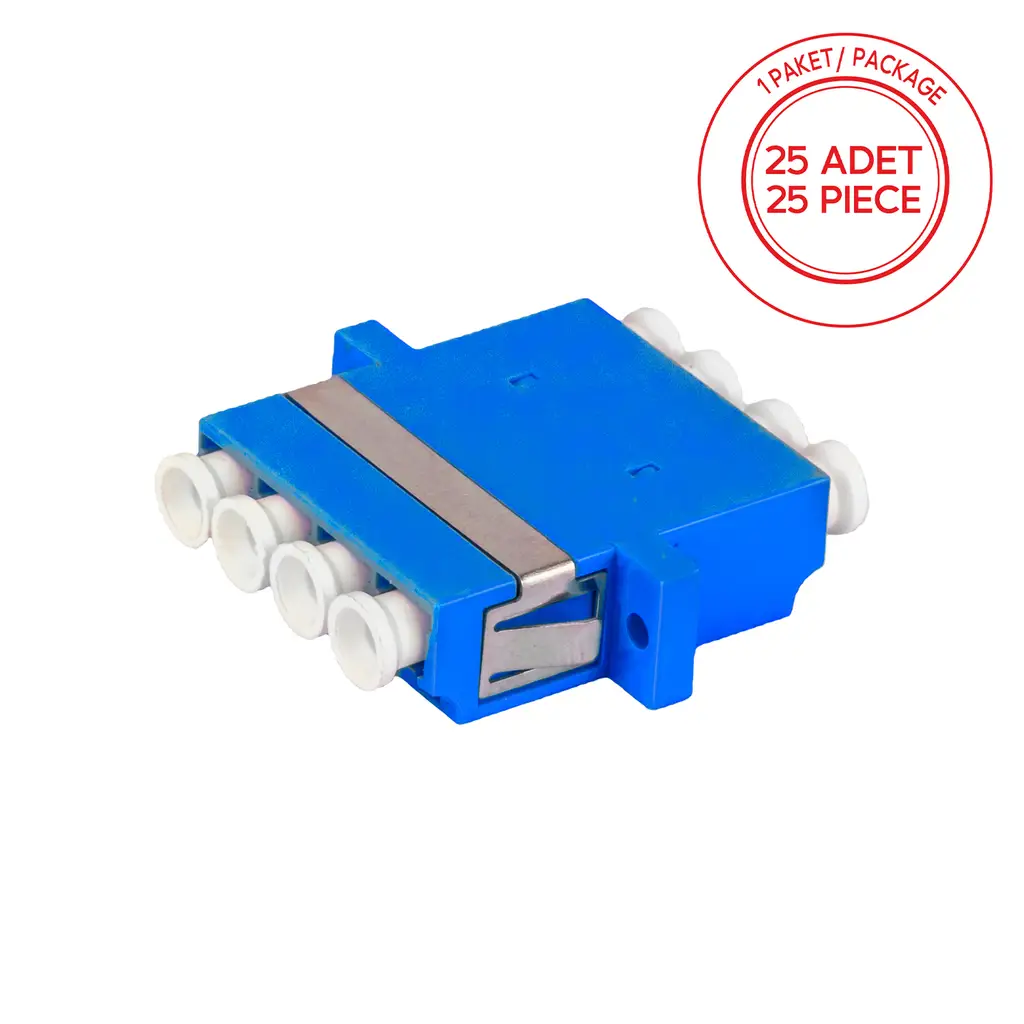
Quad adaptors are used in applications requiring higher connection density, allowing multiple fibre connection points to be organised.
When determining the adaptor type, the connection capacity and physical construction of the patch panel, ODF or other equipment to be used should be taken into consideration.
The polishing and end-face geometry of the connectors used in fibre optic connections are also technical characteristics that should be considered when selecting an adaptor.
Using adaptors suitable for connector constructions such as UPC, APC and PC can help ensure compatibility between connection equipment.
Therefore, when selecting an adaptor, attention should be paid not only to the connector family, such as SC or LC, but also to the connection type of the connector being used.
The technical characteristics of the existing infrastructure should be determined in advance when selecting the right fibre optic adaptor.
First, the connector type for which the adaptor will be used should be determined. The appropriate adaptor should be selected for connector families such as SC, LC and others.
It should be checked whether the existing infrastructure uses single-mode or multimode fibre. In multimode systems, the OM classification should also be taken into consideration.
It should be determined whether the application requires simplex, duplex or higher connection density.
The end-face construction of the connector being used must be compatible with the adaptor. Appropriate product combinations should be used, particularly for APC and UPC connections.
The physical construction and connection ports of the patch panel, ODF, termination box or other fibre equipment on which the adaptor will be mounted should be checked.
Fibre optic adaptors can be used in many infrastructures where connection points need to be organised and compatible connectors need to be connected to one another.
Main applications include:
Fibre optic patch panels
ODF systems
Fibre termination boxes
Network cabinets
Data centre infrastructures
Telecommunications systems
Corporate fibre network infrastructures
Fibre optic cabling applications
The appropriate connector type, fibre type and connection configuration should be determined according to the intended application.
A fibre optic adaptor and an adaptor holder are different products with different functions.
A fibre optic adaptor connects and aligns compatible fibre connectors with one another.
A fibre optic adaptor holder, on the other hand, is an auxiliary component used to support the mounting and securing of the adaptor on the relevant panel or equipment.
Therefore, these two products do not perform the same function, and the intended use should be considered when selecting the required product.
Establishing connection points correctly in fibre optic infrastructures is important for ensuring that the equipment used operates in a compatible manner.
ALFAFONET fibre optic adaptors offer different options for common connector types such as SC and LC, suitable for use in single-mode and multimode fibre systems.
When selecting the right fibre optic adaptor for your requirements, you can consider the connector type, fibre type, connection configuration and characteristics of the equipment to be used together to choose a product suitable for your existing infrastructure.
A fibre optic adaptor is a passive connection component that enables compatible fibre optic connectors to be connected and correctly aligned.
Fibre optic adaptors help establish connections between fibre optic connectors and organise connection points in patch panels, ODFs and similar equipment.
Fibre optic adaptors are available in different types according to fibre type, connector construction and connection configuration. Options such as single-mode, multimode, SC, LC, simplex, duplex and quad may be available.
SC and LC are different fibre optic connector families. SC adaptors are designed for use with SC connectors, while LC adaptors are designed for use with LC connectors. Selection should be based on the connection interface of the equipment to which the adaptor will be connected.
Single-mode adaptors are used in single-mode fibre infrastructures, while multimode adaptors are used in multimode fibre infrastructures. The adaptor selected should be compatible with the characteristics of the existing fibre system.
When selecting an adaptor, the connector type, fibre type, UPC/APC/PC construction, simplex or duplex connection requirements and characteristics of the equipment on which the adaptor will be mounted should all be considered together.
No. A fibre optic adaptor provides connection and alignment between connectors, while an adaptor holder is a different product that helps secure the adaptor to the relevant equipment.




Alfafonet Complete Connectivity Solutions © 2026 All Rights Reserved.


0
)