×

The environment in which a fibre optic infrastructure will be installed, the cabling distance and the required fibre capacity all play an important role in determining the appropriate cable construction. Particularly in long-distance outdoor fibre cabling applications, optical fibres need to be adequately protected against environmental and mechanical factors.
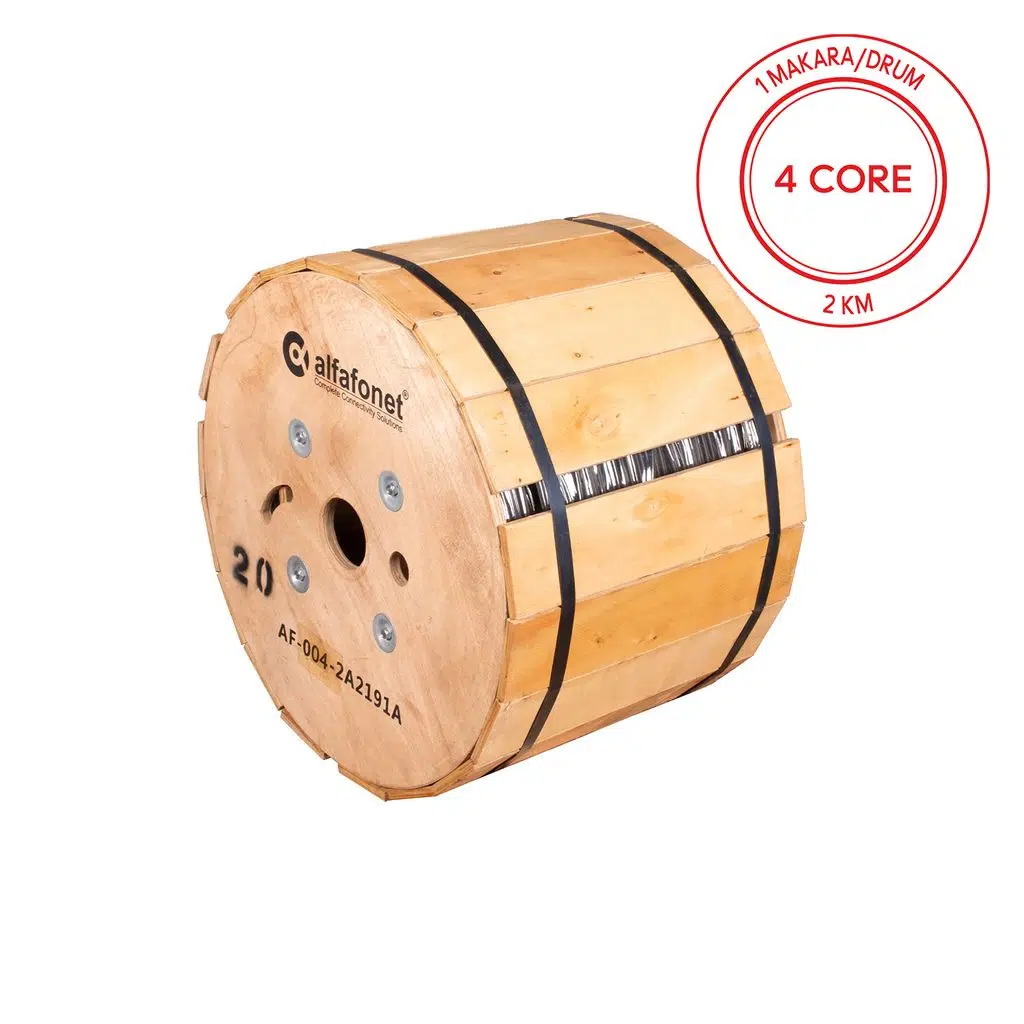
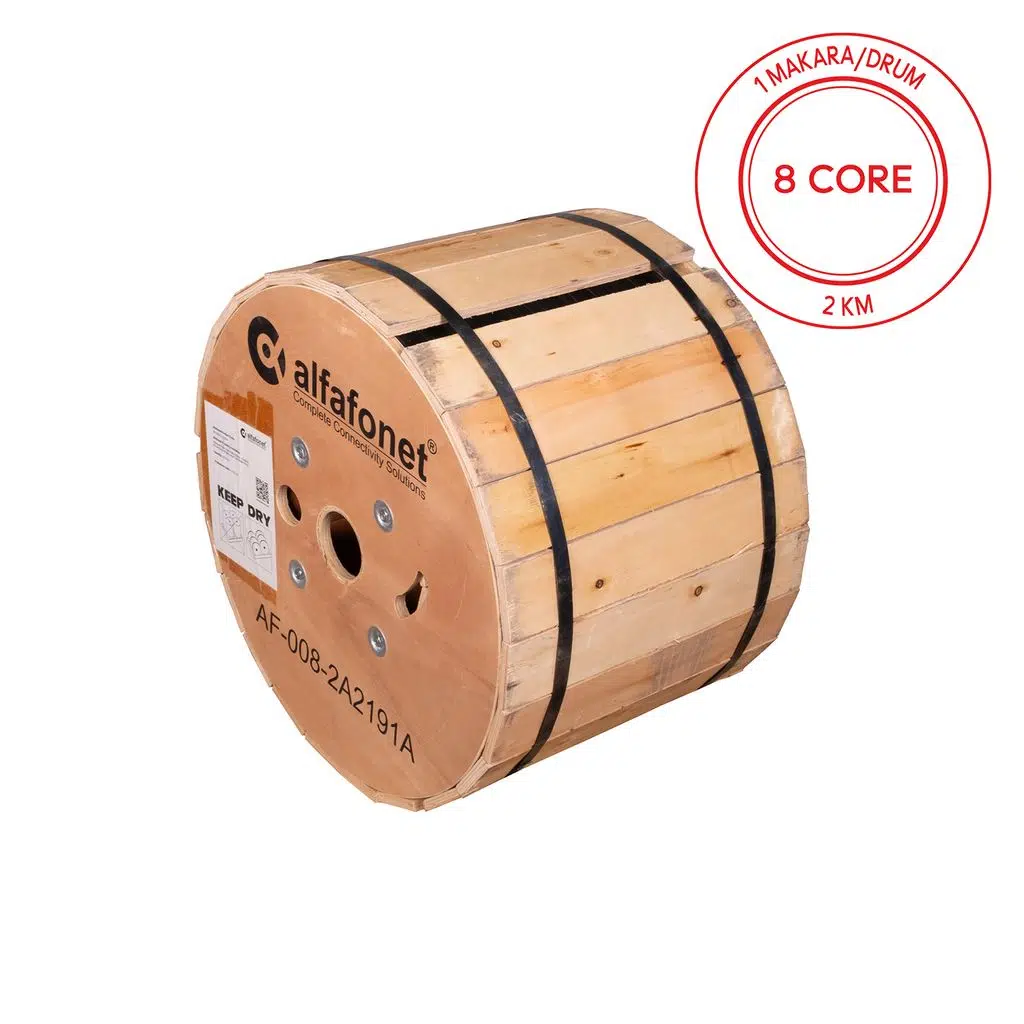
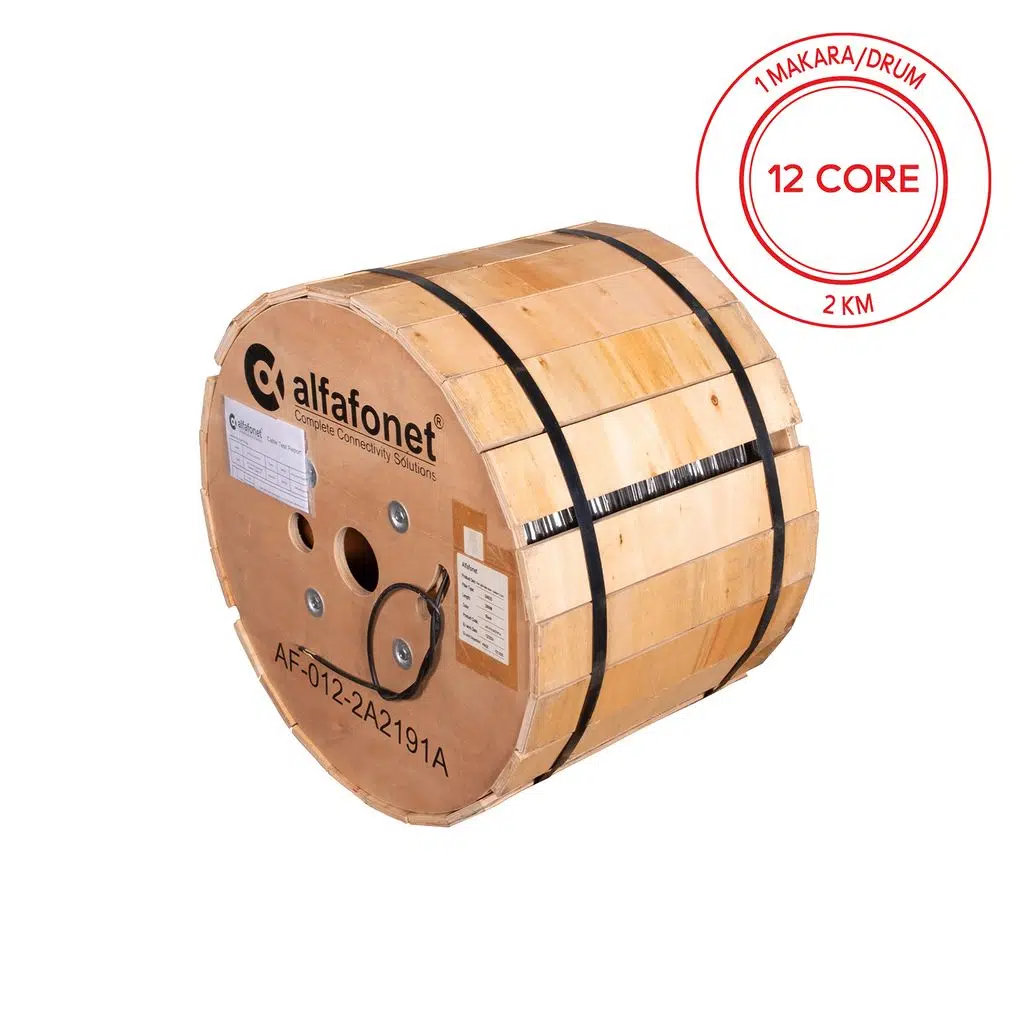
ALFAFONET Universal Single Loose Tube fibre optic cables are cable solutions featuring a single-mode fibre structure, with the optical fibres protected within a loose tube construction. The product range includes 4 Core, 8 Core and 12 Core options, with cables supplied in 2 km reels.
A Universal Single Loose Tube fibre optic cable features a cable design in which the optical fibres are positioned inside a protective structure known as a loose tube. Housing the fibres within this structure helps reduce their direct exposure to environmental and mechanical factors.
The loose tube design is particularly important for protecting fibres in fibre infrastructure applications where field conditions need to be considered. The appropriate cable construction can be determined by taking into account the installation environment and the technical requirements of the project.
In a loose tube construction, optical fibres are positioned in a more controlled manner within a protective tube. This design helps protect the fibres from physical stresses within the cable.
In outdoor applications, factors such as temperature fluctuations, moisture and mechanical stress make cable selection particularly important. The loose tube construction provides a cable design intended to help protect fibres under such field conditions.
For this reason, loose tube fibre optic cables can be considered for telecommunications infrastructure, fibre backbone connections and various outdoor fibre cabling applications.
The ALFAFONET Universal Single Loose Tube product range is available in three different fibre capacity options: 4 Core, 8 Core and 12 Core.
The 4 Core Single Loose Tube Fibre Optic Cable can be considered for infrastructure applications where a more limited fibre capacity is required.
The 8 Core Single Loose Tube Fibre Optic Cable provides an alternative for connection and infrastructure projects requiring greater fibre capacity.
The 12 Core Single Loose Tube Fibre Optic Cable is an option for projects requiring higher fibre capacity. It can be considered for telecommunications networks, campus networks and fibre backbone applications.
When selecting the core count, it is important to consider not only current connection requirements but also the future capacity requirements of the infrastructure.
The 2 km reel length of ALFAFONET Universal Single Loose Tube fibre optic cables can provide practical benefits for long-route fibre cabling applications.
Using longer cable runs with fewer splice points can help support more organised installation planning. Particularly in field applications, it is important to accurately calculate the cable route and the total cable length required in advance.
The 2 km reel option can be considered for long-distance fibre infrastructure, backbone connections and outdoor cabling applications.
Universal Single Loose Tube fibre optic cables can be considered particularly for outdoor and long-distance fibre infrastructure applications.
Key applications may include:
Telecommunications infrastructure
Fibre optic backbone connections
Outdoor fibre cabling
Campus networks
Field-based fibre infrastructure
Long-distance fibre connections
Telecommunications networks
The single-mode fibre structure provides a suitable solution for applications requiring long-distance optical data communication, while the loose tube construction helps protect the fibres within the cable.
The ALFAFONET Universal Single Loose Tube product range includes 4 Core, 8 Core and 12 Core options. When selecting a product, the required fibre capacity, cabling distance and installation environment should first be assessed.
In addition to current connection requirements, potential future capacity requirements should also be taken into consideration when determining the appropriate core option. In terms of cabling distance, the project route and total cable length required should be assessed.
Based on these considerations, the Universal Single Loose Tube fibre optic cable that best meets the requirements of the infrastructure can be selected.
A loose tube fibre optic cable is a cable design in which optical fibres are housed within a protective structure known as a loose tube. This construction helps protect the fibres against environmental and mechanical factors.
Universal Single Loose Tube cables can be considered for outdoor fibre infrastructure applications. Before installation, the environmental conditions of the project and the technical specifications of the product should be assessed together.
The main difference is the fibre capacity of the cable. The 4 Core, 8 Core and 12 Core options are designed to meet different capacity requirements. Both current and future connection requirements should be considered when selecting the appropriate core count.
Single-mode fibre is widely used in telecommunications, fibre backbone and long-distance fibre infrastructure applications due to its suitability for long-distance optical data communication.
A 2 km reel length can support longer continuous cable runs in long-route fibre cabling applications. Depending on the project conditions, this can help reduce the number of splice points and simplify cabling planning.
When selecting a cable, the required core capacity, cabling distance, installation environment and technical requirements of the infrastructure should be assessed first. Future capacity requirements can also be included in the selection process.




Alfafonet Complete Connectivity Solutions © 2026 All Rights Reserved.


0
)