×

Can ALFAHOME balcony cabinets be used on open and enclosed balconies? Learn how to assess the material, door design, placement and manufacturer-specified usage conditions when choosing a cabinet for areas exposed to water, rain and moisture.
Estimated reading time: 6 minutes
A balcony cabinet can help keep cleaning products, household items, gardening equipment and various belongings organised. However, whether a balcony is open or enclosed can affect the environmental conditions to which the cabinet is exposed.
Particularly on open balconies, the answer to the question "Are balcony cabinets waterproof?" should not be based solely on the cabinet material. The product's construction, surface finish, door design and intended placement should all be considered together.
For this reason, before considering a product to be a waterproof balcony cabinet, it is important to check the technical specifications and usage conditions provided by the manufacturer.
It is not correct to automatically assume that every balcony cabinet is waterproof.
How a product responds to water or moisture can depend on the material used, surface characteristics, door and cabinet design, and conditions of use.
On open balconies in particular, it is important to consider whether the cabinet will be directly exposed to rain. A balcony exposed to rainfall does not have the same conditions as a covered or glazed balcony.
Therefore, rather than making a general statement that an ALFAHOME balcony cabinet is waterproof, the technical specifications of the selected product and the conditions of the intended environment should be assessed together.
There is an important distinction here: being water-resistant and being completely waterproof do not mean the same thing.
A cabinet can be used on an open balcony, provided that its usage conditions are compatible with the environment.
When considering a cabinet for an open balcony, ask the following questions:
Will the cabinet be directly exposed to rain?
Is there an awning or other form of protection above the balcony?
What material is the cabinet made from?
Do the product's technical specifications state that it is suitable for outdoor use?
Is there a risk of water accumulating on the floor where the cabinet will be placed?
These points help assess not only the cabinet itself but also the environment in which it will be used.
Enclosed balconies can provide greater protection from direct exposure to rain and water compared with open balconies.
For this reason, when choosing a cabinet for an enclosed balcony, factors such as moisture, ventilation, temperature changes and the characteristics of the items being stored may be more important than direct exposure to rain.
On enclosed balconies, cabinets can be used to store cleaning products, household items, boxes and various utility items.
However, an enclosed balcony does not necessarily mean that there will be no moisture. The possibility of condensation should also be considered, particularly in areas subject to temperature changes.
The material used to manufacture the cabinet is an important factor when assessing its suitability for particular usage conditions.
Metal-bodied cabinets can be considered by users looking for a robust storage solution. However, the term "metal balcony cabinet" alone does not indicate that a product is waterproof or suitable for all outdoor conditions.
For metal products, the surface finish, construction features and usage conditions should also be taken into account.
The following distinction should therefore be made when considering the material:
Metal body ≠ automatically waterproof
Whether a product is suitable for outdoor use should be assessed based on the technical information provided by the manufacturer.
Continuous exposure to rain can, over time, have adverse effects on a cabinet's materials, surfaces and connection points.
For this reason, when positioning a cabinet on a completely open balcony, it may be preferable to choose a more sheltered location rather than a position directly exposed to rainfall.
For example:
Place the cabinet in a more sheltered location where possible.
Make use of covered areas.
Avoid areas where water can accumulate.
Do not place the product directly where it will be exposed to heavy rainfall.
The cabinet's position can be just as important as its technical specifications.
Moisture should be considered alongside direct water exposure when assessing balcony cabinet conditions.
Condensation can occur particularly in areas subject to temperature changes. This can affect both the environment around the cabinet and the items stored inside it.
If you plan to store items that may be affected by moisture, the conditions of the intended environment should be assessed carefully.
For example, the storage requirements for cleaning equipment are not the same as those for electronic devices or moisture-sensitive products.
When choosing a cabinet, therefore, it is important to consider not only the external surface of the product but also the characteristics of the items to be stored inside.
When evaluating an open balcony cabinet, consider the following features together:
Determine whether the balcony is completely open, partially open or sheltered.
The cabinet's material and surface characteristics should be assessed in relation to the environment in which it will be used.
Determine whether the cabinet will be directly exposed to rainfall.
The way the doors close and the design of the cabinet should be considered in terms of how well the interior may be protected from environmental conditions.
Check whether there is a risk of water accumulating or direct exposure to rainfall at the location where the product will be placed.
One of the most important points to check is the usage conditions specified in the product's technical information.
If suitability for outdoor use is not clearly stated, no definitive conclusion should be drawn based solely on the material.
To learn about other criteria such as size, capacity, and usage conditions when choosing the right cabinet for your balcony, you can check out our guide 'What to consider when choosing an ALFAHOME balcony cabinet?'.
When buying a balcony cabinet, making a decision based only on general descriptions such as "durable" or "metal" may not be sufficient.
In particular, avoid the following mistakes:
Automatically assuming that every metal cabinet is waterproof
Placing the product directly in an area exposed to heavy rainfall
Failing to consider whether the balcony is open or enclosed
Not checking the manufacturer's technical specifications
Ignoring the possibility of water accumulating on the floor
Storing moisture-sensitive items in unsuitable conditions
For the right choice, the product's features and the actual conditions of the balcony should be evaluated together.
| Feature | Open Balcony | Enclosed Balcony |
|---|---|---|
| Rain | May involve direct or indirect exposure | Generally lower exposure |
| Moisture | Requires greater consideration | Should be assessed according to environmental conditions |
| Material | Outdoor suitability should be assessed carefully | Can be evaluated according to the intended use |
| Placement | A sheltered location may be preferable | Placement may be more flexible |
| Water exposure | A key consideration | Generally a secondary consideration |
| Technical specifications | Must be checked | Should be checked according to the intended use |
Therefore, the same balcony cabinet model may not offer the same suitability under the conditions of an open and an enclosed balcony.
The answer depends on the conditions in which the balcony is used.
If the cabinet is directly exposed to rain, water and outdoor conditions are important factors to consider. On the other hand, if there is no direct water exposure on an enclosed balcony, factors such as moisture, ventilation and the characteristics of the stored items may be more important.
Rather than focusing solely on the question, "Do I need to buy a completely waterproof product?", it is more appropriate to first ask, "Under what conditions will the cabinet be used?"
When assessing a balcony cabinet's suitability for use in conditions involving water and moisture, the product should be considered as a whole rather than focusing on a single feature.
Particularly on open balconies, the following factors should be assessed together:
Material
Surface characteristics
Door design
Usage conditions specified by the manufacturer
Exposure to water and moisture
Placement location
The cabinet's storage capacity and dimensions should also be suitable for your storage requirements. However, these criteria can be addressed separately as part of a general assessment of balcony cabinet selection.
There is no single answer to the question, "Are balcony cabinets waterproof?" A cabinet's suitability for use in conditions involving water and moisture can vary depending on its material, construction, design and intended environment.
On open balconies in particular, it is important to consider whether the cabinet will be directly exposed to rain, whether the product's technical specifications provide information about outdoor use, and the conditions of the location where it will be placed.
On enclosed balconies, factors such as moisture, ventilation and the characteristics of the stored items may be more important than direct exposure to rain.
For this reason, when choosing a balcony cabinet, the best approach is not to focus solely on its appearance or metal body, but to assess whether the product's technical specifications are compatible with the conditions of the environment in which it will be used.
Explore ALFAHOME metal furniture solutions to find products suitable for your balcony storage needs.
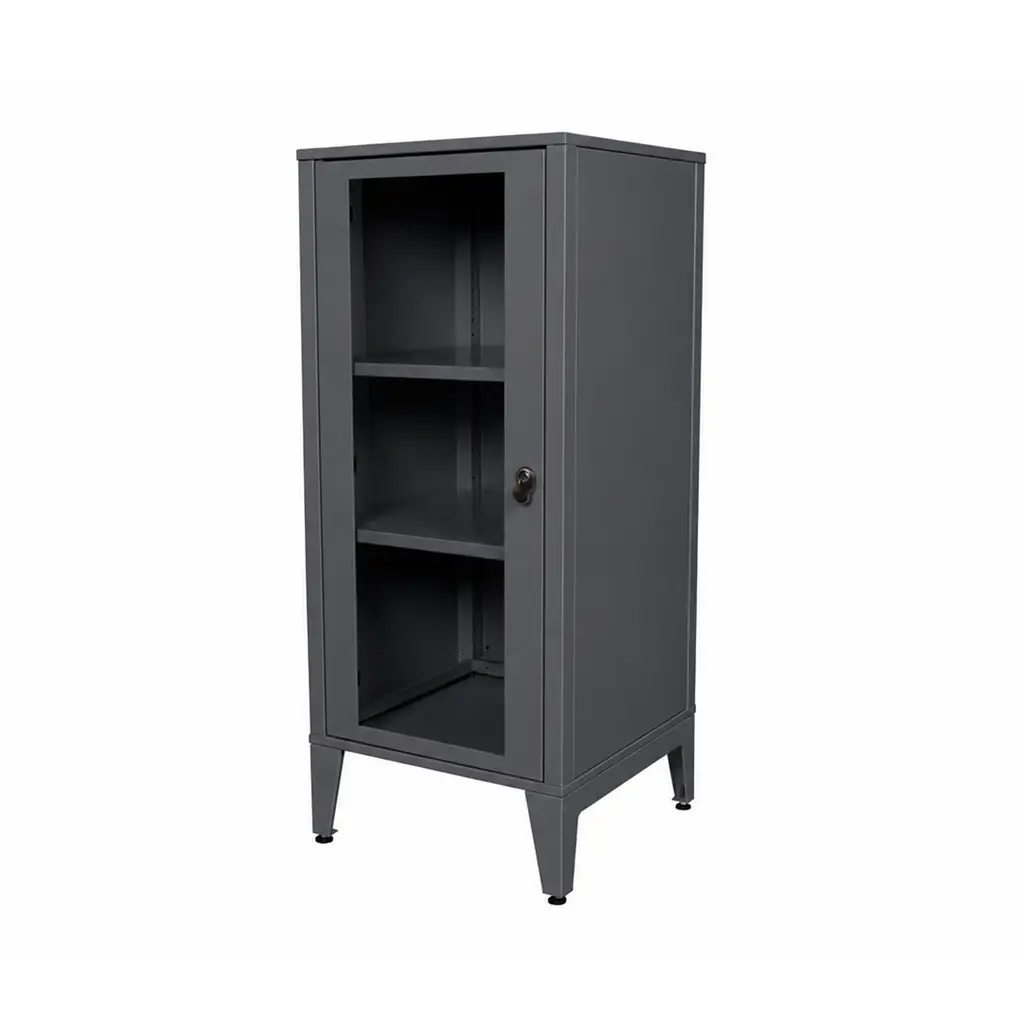
08.10.2026Alfahome Ziglat 1110 Series Glass Door Medium Size Lockable Metal Cabinet
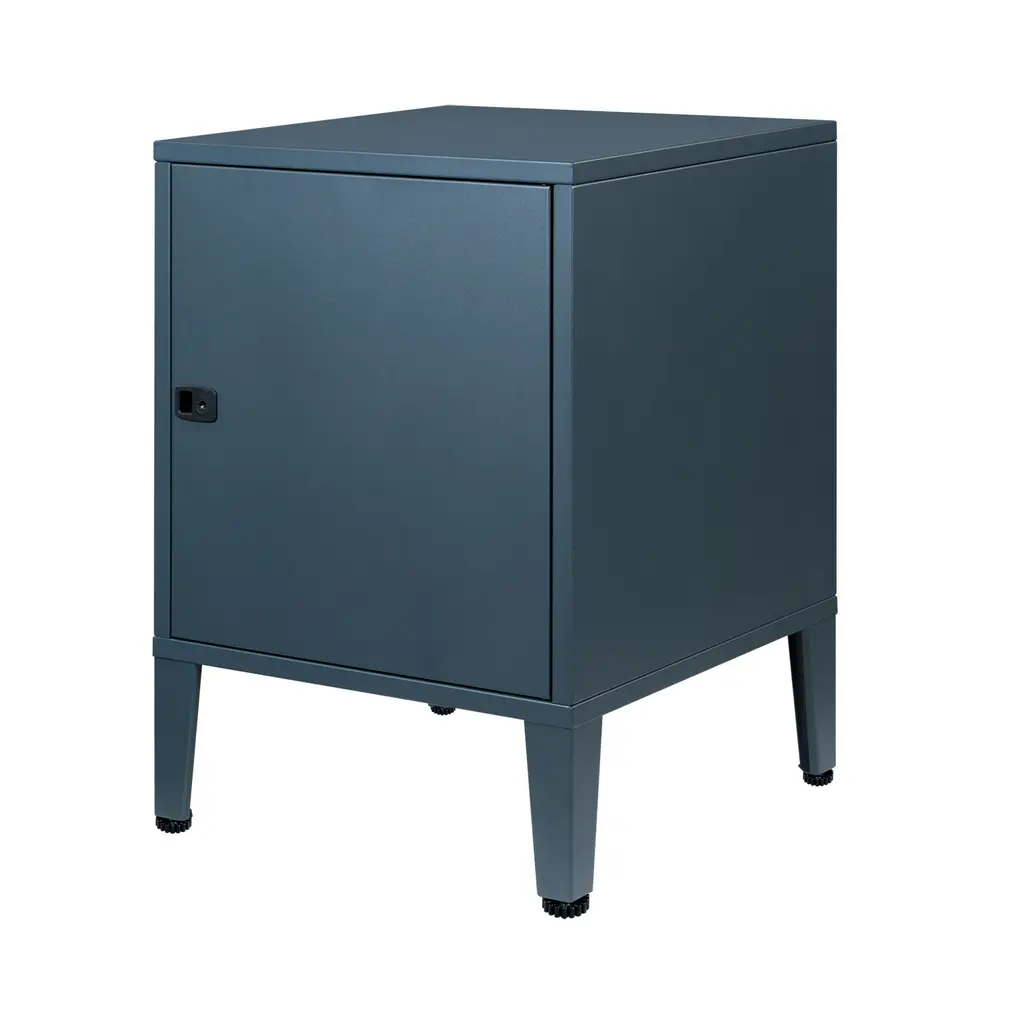
Alfahome Ziglat 655 Series Metal Door Small Size Lockable Office Cabinet
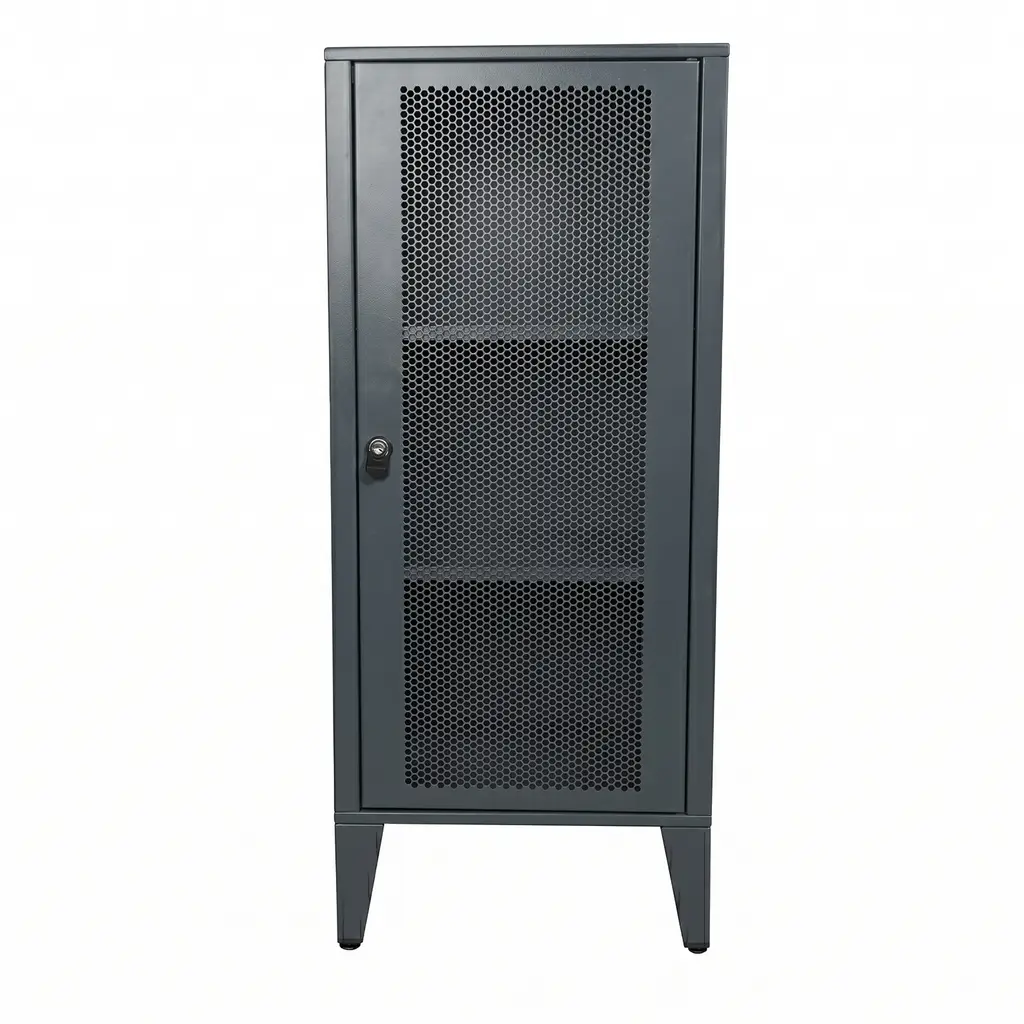
Alfahome Ziglat 1110 Series Perforated Door Medium Size Lockable Metal Cabinet
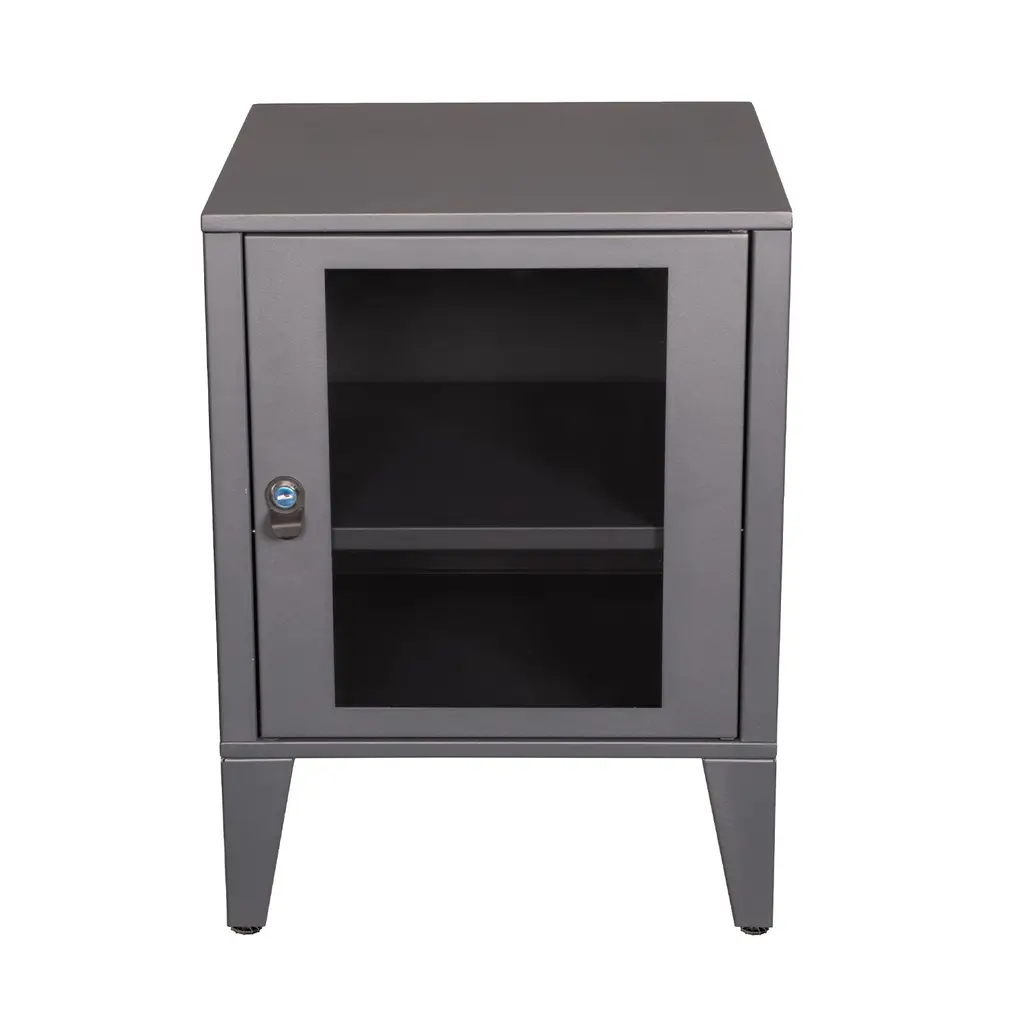
Alfahome Ziglat 655 Series Glass Door Small Size Lockable Metal Cabinet
Alfahome Ziglat 655 Series Perforated Door Small Size Lockable Metal Cabinet




Alfafonet Complete Connectivity Solutions © 2026 All Rights Reserved.


0
)