×


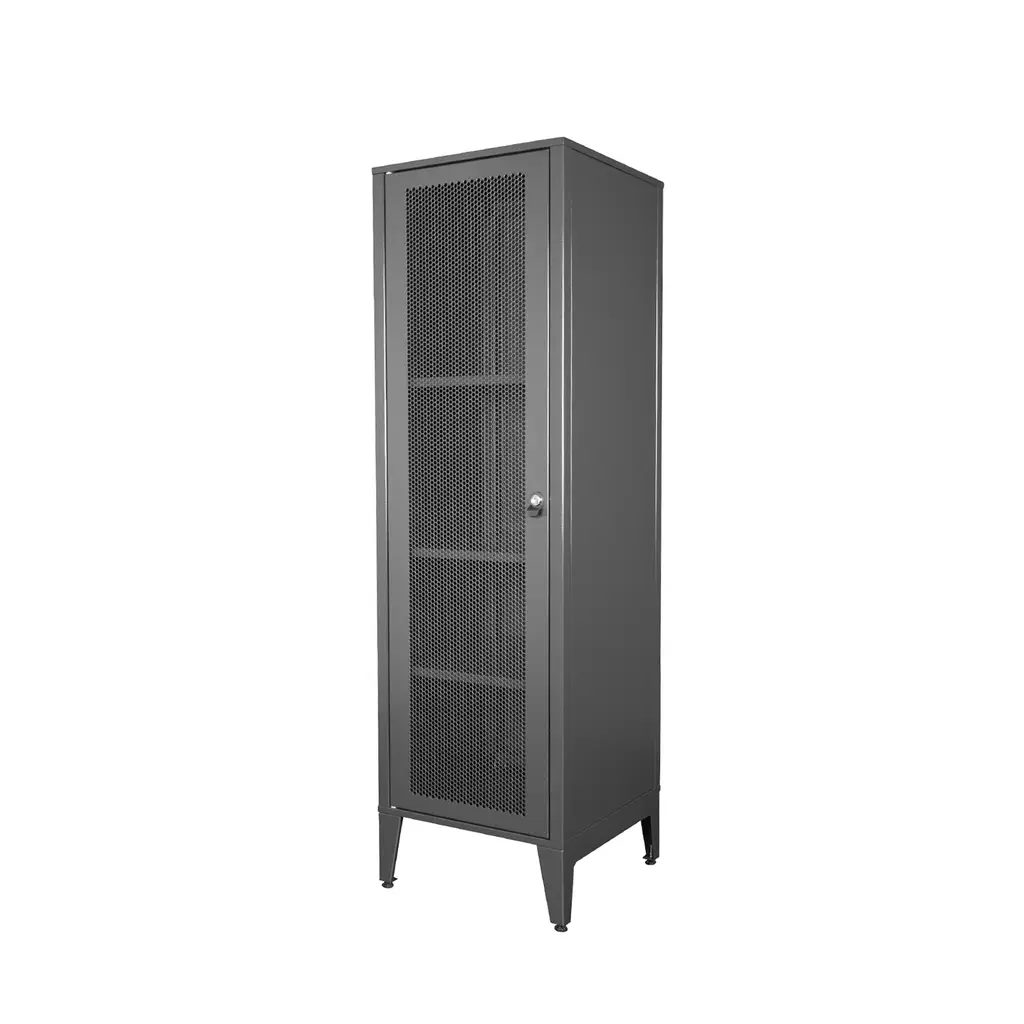
How should shelves and drawer storage be organised in a pantry cupboard? You can plan shelf layouts to keep food, jars and kitchen utensils neatly stored, and adapt the benefits of drawer-style organisation to existing shelving cupboards with storage boxes and baskets. In this article, discover practical tips for making more efficient use of your pantry space.
Estimated Reading Time: 4 minutes
A pantry cupboard helps keep food, jars and various kitchen utensils neatly stored. To make efficient use of the available space inside the cupboard, you need to consider shelf spacing, product dimensions and how frequently items are used. The answer to the question of how to plan shelf layouts depends on the type and quantity of products to be stored.
It is not only the arrangement of the shelves that matters in a pantry cupboard; how smaller items are grouped is also important. Storage boxes, baskets and organisers can help you keep kitchen utensils neatly stored and make it easier to find the items you need.
Planning the shelves correctly helps you make more efficient use of the storage space in a pantry cupboard. Grouping shelves according to product dimensions and frequency of use makes it easier to maintain an organised interior.
Place frequently used products on accessible shelves: Store everyday essentials such as dried pulses, breakfast items and kitchen supplies in sections that are easy to reach.
Place heavy items on lower shelves: Use lower shelves for large jars and heavy food packages.
Adjust shelf spacing to suit product dimensions: Leave enough room for tall jars, bottles and large storage containers.
Keep similar products together: Organise dried pulses, breakfast products and packaged foods into their own groups.
These methods help you use the cupboard's capacity more efficiently and make products easier to access.
A pantry cupboard drawer is one way of grouping smaller items and dividing storage space into separate sections. In cupboards with drawers, spices, small packets and kitchen accessories can be stored in separate compartments.
However, it is also possible to create a similar arrangement when a pantry cupboard does not have a drawer system. Boxes, baskets and compartmentalised organisers that can be placed on or inside existing shelves help keep smaller items together.
Group smaller items: Store spice packets, small jars and products of similar sizes in separate boxes.
Use organiser boxes: Choose storage boxes suited to different product groups to prevent clutter on the shelves.
Arrange products according to how frequently they are used: Keep frequently used items in sections that are easy to reach.
This approach allows you to benefit from the organisational advantages of drawer storage, even in existing cupboards with shelves.
Shelves allow products of different sizes to be stored together. However, small packets and similar items can gradually create a cluttered appearance. Supporting shelves with storage boxes and baskets makes it easier to maintain an organised space.
Use transparent boxes: Containers that allow you to see their contents can help you find the items you need more quickly.
Add labels: Label boxes according to their contents to reduce confusion.
Group smaller items together: Keep individual packets in the same box rather than storing them separately.
Make use of vertical space: Choose boxes that fit the height of your shelves to use the available space efficiently.
When organising a small pantry area, it is important to decide what each shelf will be used for. Rather than filling the space with unnecessary items, plan the layout according to the products you actually need to store.
You can place frequently used products towards the front and less frequently used items on upper or lower shelves. Using organisers such as boxes and baskets to group smaller products can also help create a more controlled and tidy appearance.
Certain habits can make it difficult to use pantry storage space efficiently.
Arranging products randomly: Distributing similar products across different shelves makes them harder to find.
Ignoring shelf spacing: Shelf layouts that do not suit product dimensions can reduce the usable storage space.
Failing to check use-by dates: Older products left at the back can make stock management more difficult.
Not grouping smaller items: This can leave packets and small kitchen utensils scattered around the cupboard.
Checking the inside of the cupboard regularly and rearranging products according to their use can help maintain an organised space.
A pantry cupboard drawer can be used to group and store small packets, spices and kitchen accessories. In cupboards without a drawer system, organisers such as boxes and baskets can provide a similar arrangement.
In cupboards with drawers, products can be separated according to their type and frequency of use. In cupboards with shelves, compartmentalised boxes and baskets can be used to group smaller items.
Heavy jars, large packages and other heavier items can be stored on lower shelves with a suitable load-bearing capacity.
Grouping products, using storage boxes, adding labels and checking stock regularly can all help maintain an organised cupboard.
To create a practical storage area in a pantry cupboard, plan shelf spacing carefully and arrange products according to how frequently they are used. Drawer systems offer one way of grouping smaller items, but a similar arrangement can also be achieved in shelving cupboards with boxes, baskets and organisers.
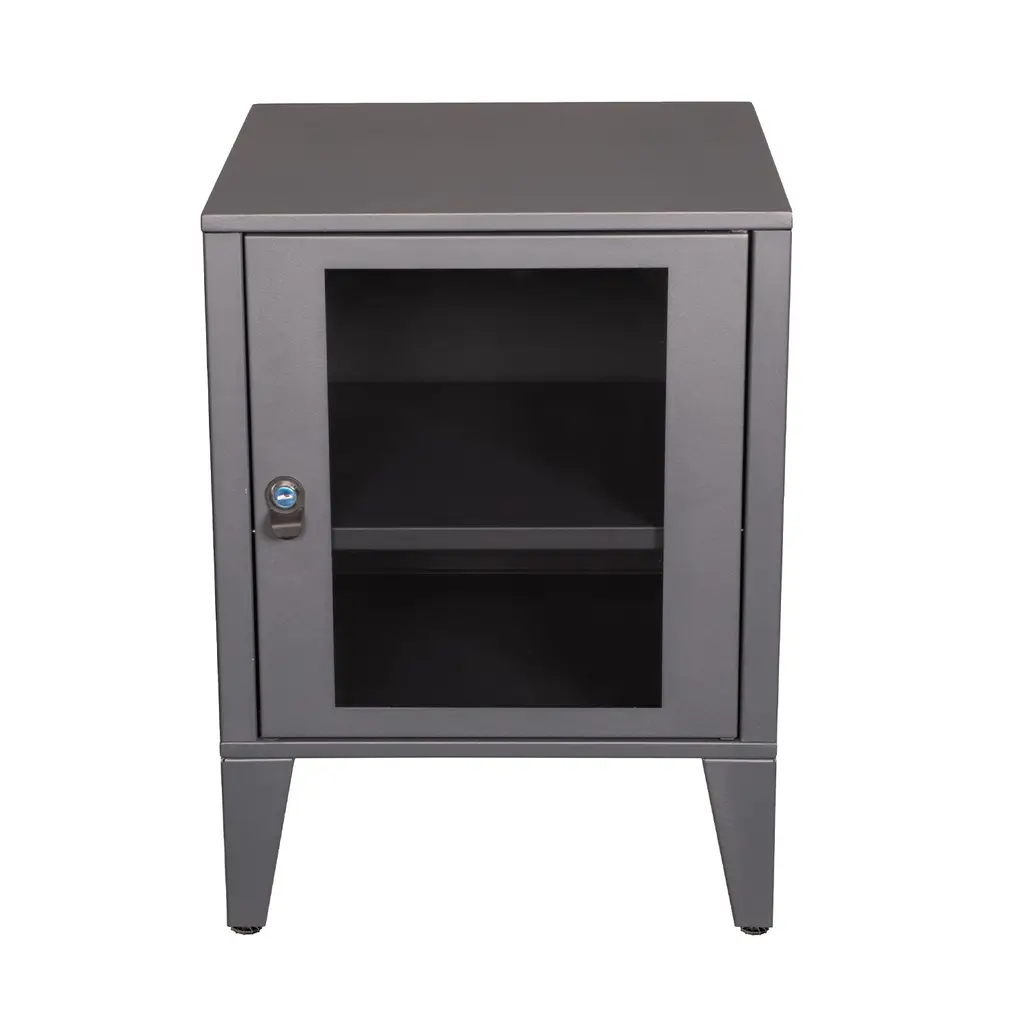
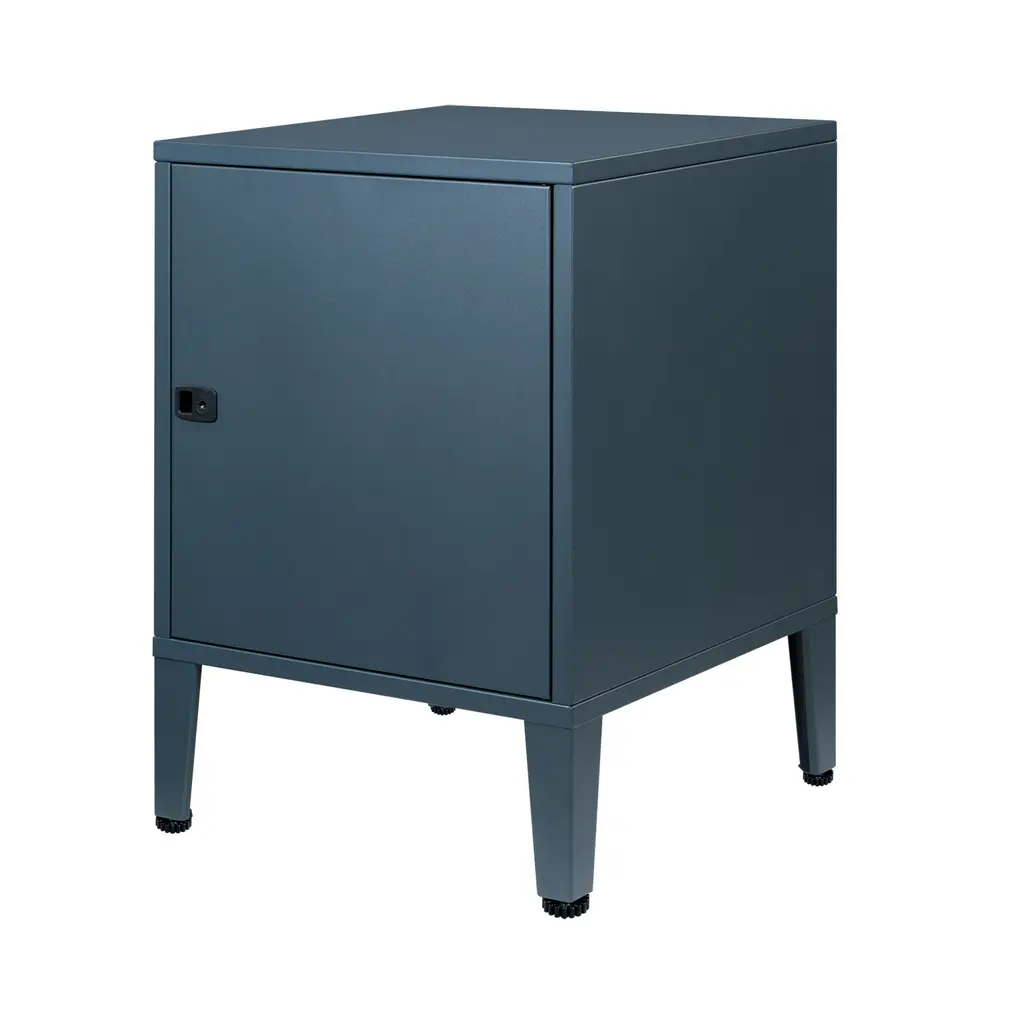
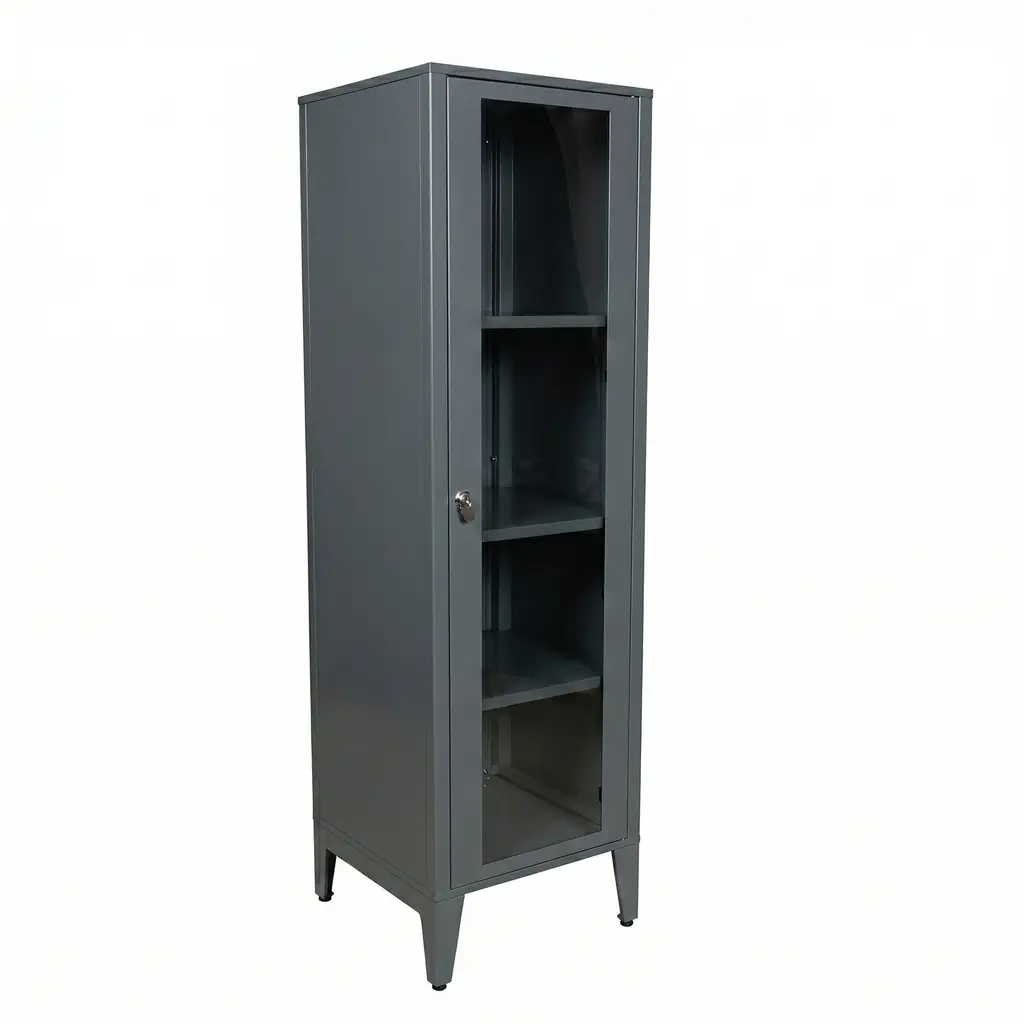
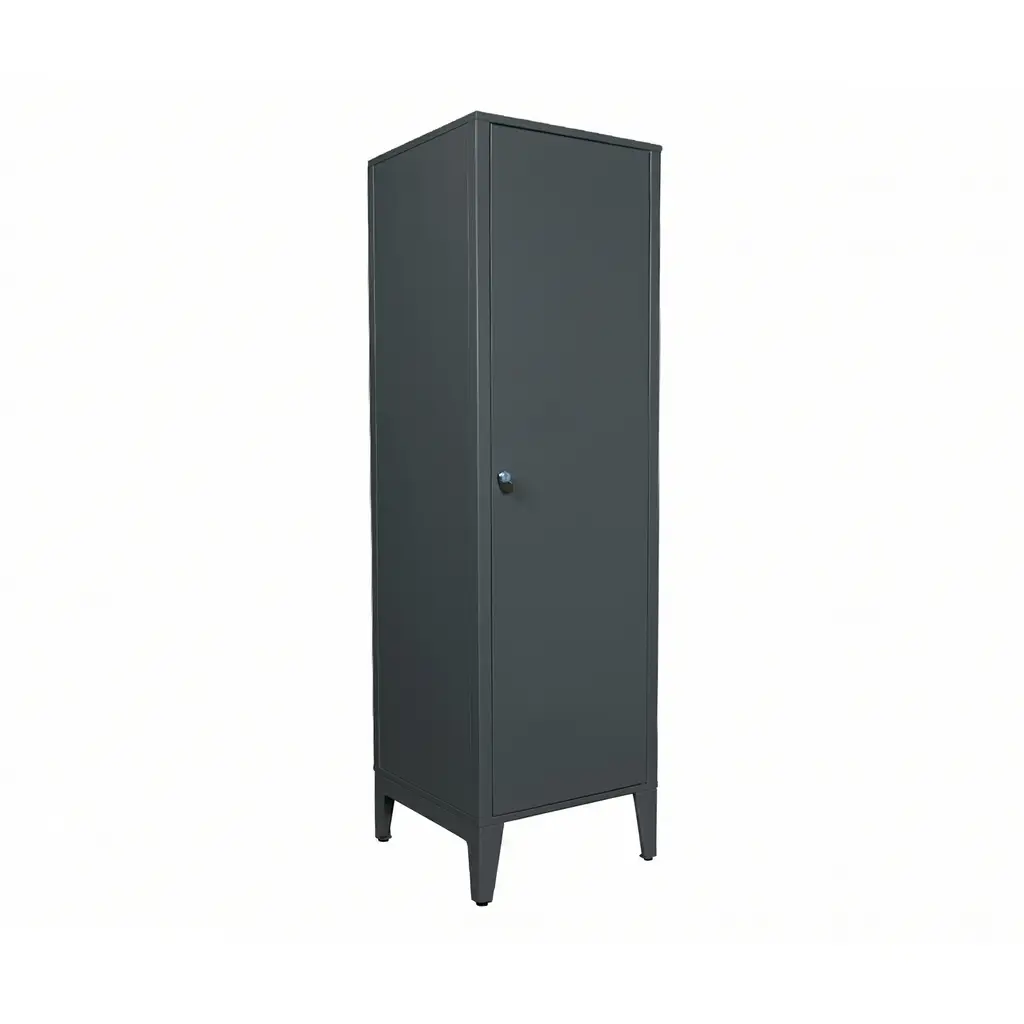
To plan your storage space according to your needs and explore different metal furniture solutions, visit the ALFAHOME metal furniture category.
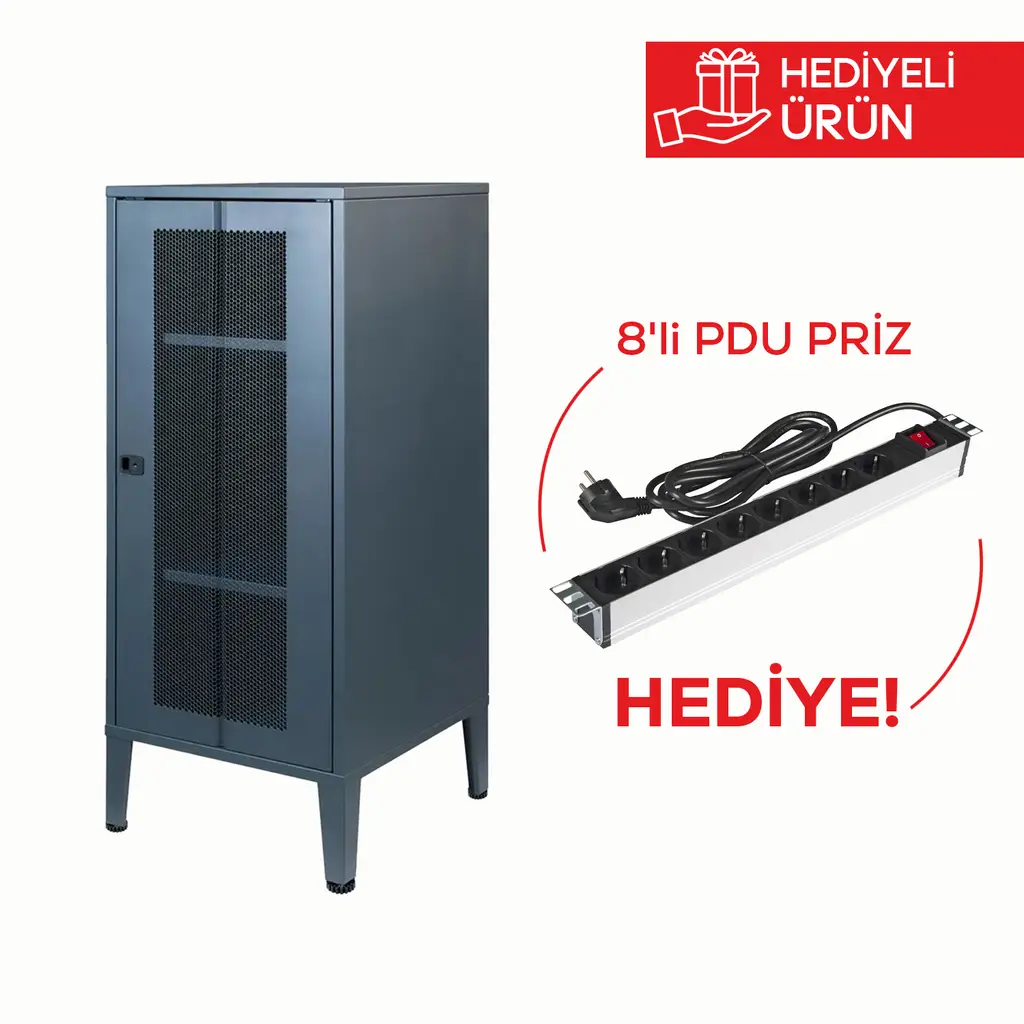
30.10.2026Alfahome Ziglat 1110 Series Perforated Door Medium Size Lockable Metal Cabinet
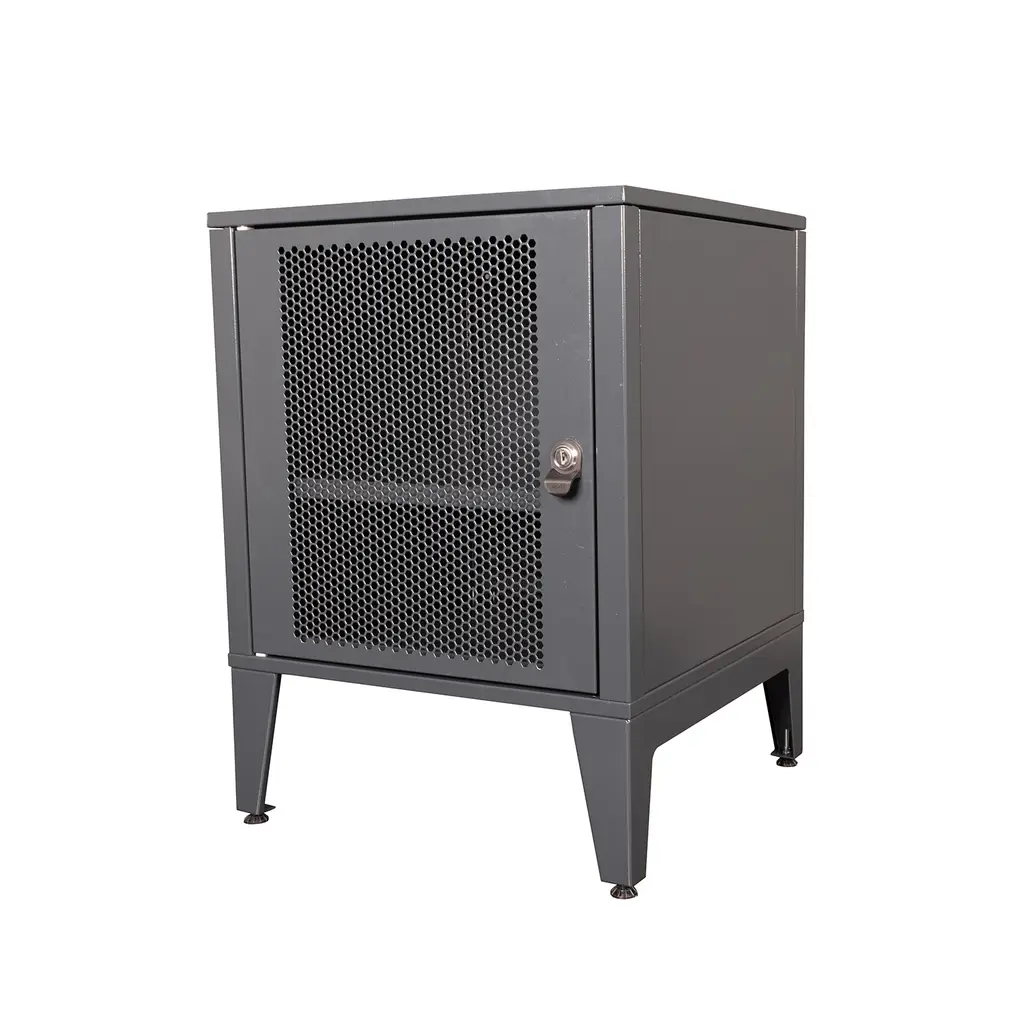
Alfahome Ziglat 655 Series Perforated Door Small Size Lockable Metal Cabinet
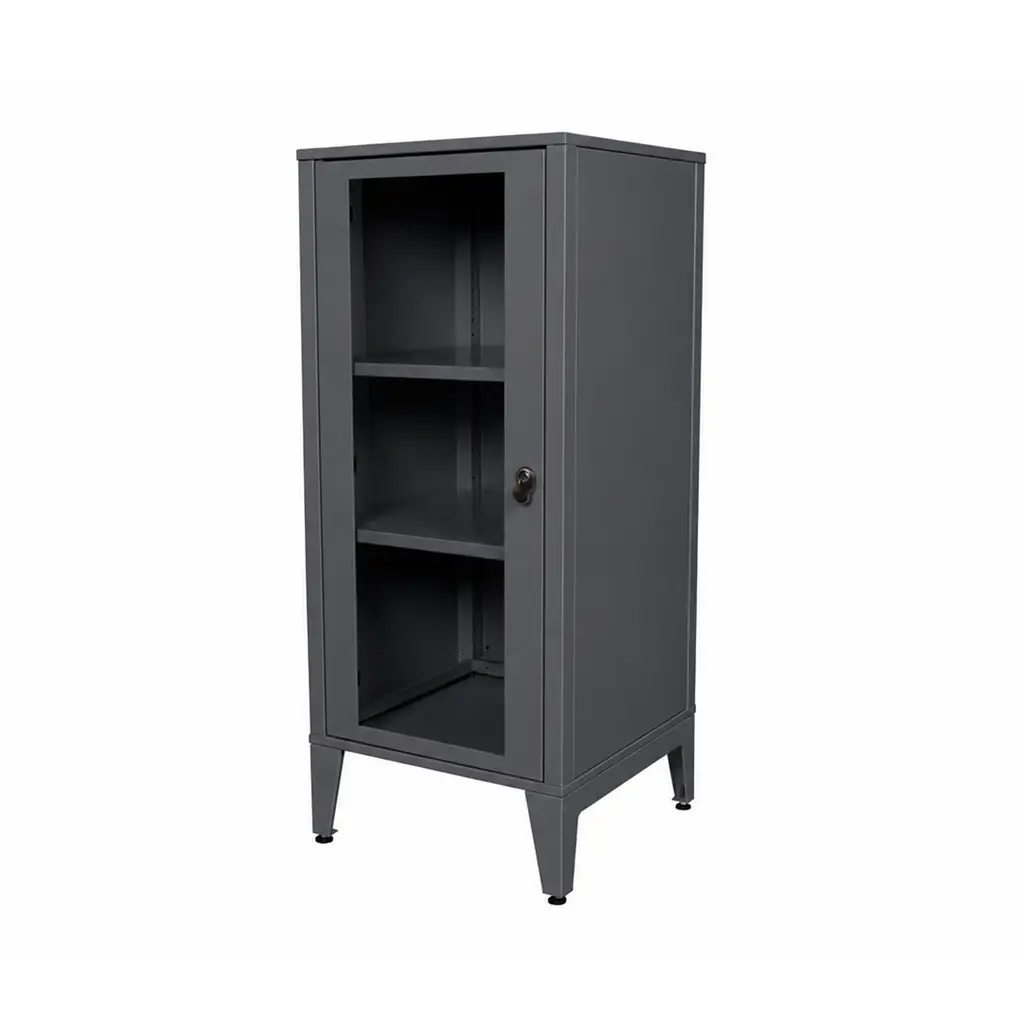
Alfahome Ziglat 1110 Series Glass Door Medium Size Lockable Metal Cabinet
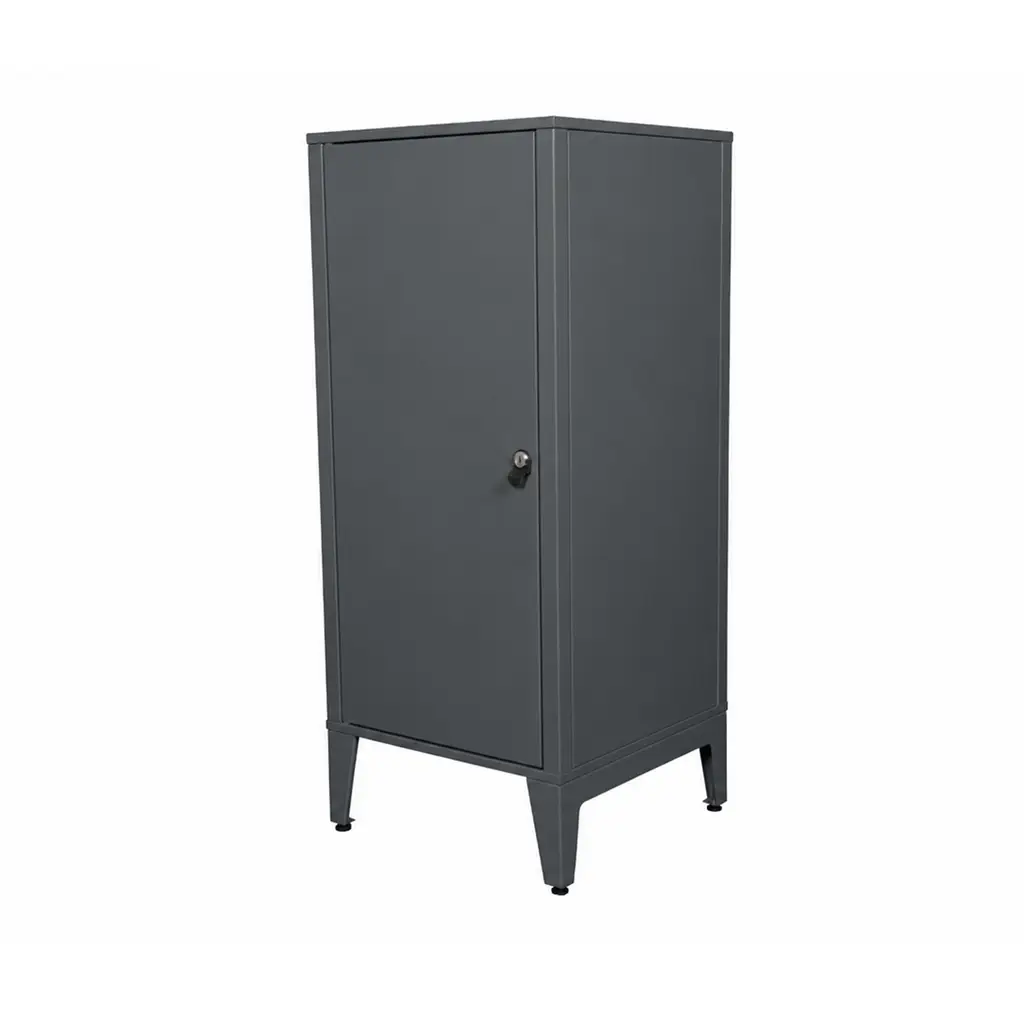
Alfahome Ziglat 1110 Series Metal Door Medium Size Lockable Office Cabinet
Alfahome Ziglat 655 Series Glass Door Small Size Lockable Metal Cabinet
Alfahome Ziglat 655 Series Metal Door Small Size Lockable Office Cabinet
Alfahome Ziglat 1550 Series Glass Door Large Size Lockable Metal Cabinet
Alfahome Ziglat 1550 Series Metal Door Large Size Lockable Office Cabinet
Alfahome Ziglat 1550 Series Perforated Door Large Size Lockable Metal Cabinet




Alfafonet Complete Connectivity Solutions © 2026 All Rights Reserved.


0
)