×

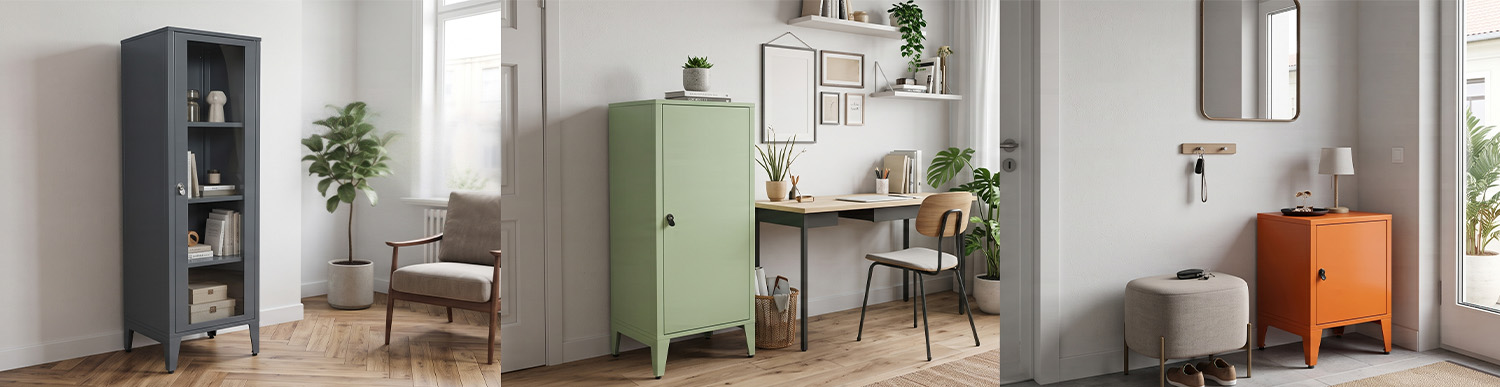
When choosing a metal storage cabinet, it is important to consider several factors, including its intended use, storage requirements, dimensions, material properties and shelving layout. Explore metal cabinet options for different settings, from homes and offices to workshops and storage areas, and learn how to choose the right model for your needs.
Estimated Reading Time: 6 minutes
A metal storage cabinet is a type of furniture designed to keep belongings organised and make more efficient use of available storage space. Featuring a metal frame, these cabinets can be used in a variety of living and working environments, including homes, offices, workshops, warehouses and other similar spaces.
Metal storage cabinet models can vary in terms of dimensions, design, door configuration, number of shelves and intended use. Therefore, when choosing the right model, it is important to consider not only its appearance but also the characteristics of the space where it will be placed and the items to be stored.
The term steel cabinet is also frequently used alongside metal storage cabinet in online searches. Although steel is one of the materials used in the manufacture of metal cabinets, the material composition and technical specifications may vary between models. For this reason, it is important to check the product description and technical details before purchasing.
Choosing the right metal storage cabinet can help you make better use of your storage space and keep your belongings organised. Consider the following criteria to find a model that suits your needs.
The first step when choosing a metal storage cabinet is to identify where it will be used. Storage requirements vary depending on whether the cabinet is intended for a home, office, workshop or warehouse.
Home use: Suitable for organising cleaning products, kitchen utensils and household items in areas such as kitchens, hallways, balconies and pantries.
Office use: Can help keep documents, stationery and work equipment organised in one place.
Workshop use: Can be used to store hand tools, equipment and various materials in an organised manner.
Warehouse use: Helps group materials of different sizes and make more efficient use of storage space.
Identifying where the cabinet will be positioned and what types of items it will hold in advance makes choosing the right model easier.
Dimensions are among the most important factors affecting ease of use when choosing a metal storage cabinet. Measure the width, height and depth of the intended space in advance to determine the most suitable size.
Consider the following when selecting the dimensions:
The width and height of the available space
The depth of the area where the cabinet will be positioned
The clearance required for opening the doors
Whether the internal storage space is suitable for the items to be stored
The required clearance between shelves
Depth is particularly important when choosing metal storage cabinets for narrow spaces. The cabinet should not obstruct walkways and should remain easy to access and use within its surroundings.
When evaluating the features of metal cabinets, pay attention to the frame construction and material specifications. When comparing steel cabinets with other metal storage options, check the manufacturing materials, surface finish and technical descriptions.
It is useful to check the following features before purchasing:
The materials used for the frame and doors
The characteristics of the surface finish
The construction of joints and connection points
The load-bearing capacity of the shelves
Cleaning and maintenance requirements
The environment in which the cabinet will be used is also important when selecting materials. For products intended for damp environments, pay particular attention to the surface finish and the manufacturer's recommended conditions of use.
The storage capacity of a metal cabinet depends on more than its external dimensions. The internal layout and shelf arrangement also affect how efficiently the available space can be used.
If you plan to store items of different sizes, make sure the spacing between shelves meets your requirements. Smaller items may require more compartments, while larger belongings may need wider shelf spacing.
When planning the shelving arrangement:
Place frequently used items on easily accessible shelves.
Position heavier items according to the product's load-bearing capacity.
Group similar items together on the same shelves or in designated compartments.
Arrange belongings to make efficient use of the cabinet's internal space.
For more ideas on shelving and storage organisation, explore the guides available on the ALFAHOME Tips and Advice page.
The door design of a metal cabinet is important in terms of its placement and everyday use. The doors should open and close easily, with sufficient clearance in front of the cabinet.
If you plan to place the cabinet in a confined space, consider the direction in which the doors open and the clearance they require. It is also worth checking the specifications of components such as hinges, handles and locks.
Regular cleaning and appropriate maintenance are important for keeping metal cabinets in good condition over time. Always choose cleaning methods suitable for the product's surface finish.
Follow the manufacturer's care instructions when cleaning the cabinet. Avoid abrasive materials and unsuitable chemicals that could damage the surface. Also consider the humidity and temperature conditions of the surrounding environment in accordance with the product's recommended conditions of use.
Multi-purpose metal cabinets are suitable for storing different belongings together and creating organised storage solutions in a variety of spaces. Choosing a model with dimensions and an internal layout suited to its intended location can help you make better use of the available storage space.
Multi-purpose metal cabinets can be used in the following areas:
Kitchens and pantries: Organising food supplies, kitchen utensils and other kitchen essentials.
Entrance halls and corridors: Keeping everyday belongings together and easily accessible.
Workspaces: Storing office supplies and equipment.
Workshops and hobby areas: Organising tools, accessories and materials.
Storage and utility areas: Keeping different products stored neatly and systematically.
Choosing the right dimensions and shelving arrangement for the intended space is one of the key considerations when selecting a multi-purpose metal cabinet.
When choosing between metal and wooden cabinets, consider the intended use, design preferences and maintenance requirements together.
Metal cabinets offer an alternative for those looking for storage solutions with a metal frame, while wooden cabinets can complement a variety of interior design styles.
| Comparison Criteria | Metal Cabinet | Wooden Cabinet |
|---|---|---|
| Material | Metal or steel frame | Wood or wood-based materials |
| Design | Simple and functional designs | Options to suit different interior styles |
| Intended use | Homes, offices, workshops and warehouses | Homes, offices and living spaces |
| Maintenance | Cleaning suitable for the surface finish | Care appropriate for the material |
| Selection criteria | Frame, finish, dimensions and shelf capacity | Material, design, dimensions and intended use |
For both types of cabinets, technical specifications and manufacturing materials may vary between models. Therefore, when making your decision, consider not only the type of cabinet but also the specific features of the product you are planning to purchase.
Once you have identified the right metal cabinet for your needs, you can compare different dimensions and design options. Explore the products in the ALFAHOME metal furniture category to find storage solutions that suit your requirements.
When selecting a product, it is useful to consider its dimensions, shelving arrangement, frame construction and suitability for the intended space.
Explore the ALFAHOME Metal Furniture Category
When choosing a metal storage cabinet, consider its intended use, dimensions, material properties, shelving arrangement and maintenance requirements. Making the right choice can help you keep your belongings organised and use your available space more efficiently.
Compare metal cabinet models designed for different environments, including homes, offices, workshops and warehouses, to find the option that best meets your needs. Explore the ALFAHOME metal furniture category to discover different storage solutions.
When choosing a metal storage cabinet, consider its intended use, dimensions, frame material, surface finish, number of shelves and load-bearing capacity.
Metal cabinet is a general product term. A steel cabinet refers to a cabinet with a steel frame. Material composition and technical specifications may vary between models.
Multi-purpose metal cabinets can be used in various spaces, including kitchens, pantries, entrance halls, offices, workshops and warehouses. The model should be selected according to the types of items to be stored and the dimensions of the available space.
First, measure the width, height and depth of the area where the cabinet will be placed. Then consider the clearance required for opening the doors and the dimensions of the items you intend to store.
Use cleaning methods suitable for the cabinet's surface finish. Follow the manufacturer's care instructions and avoid abrasive cleaning materials that could damage the surface.
Shelf capacity is important because it indicates how much weight the cabinet can safely support. Always check the shelf load-bearing specifications in the product information before storing heavy items.
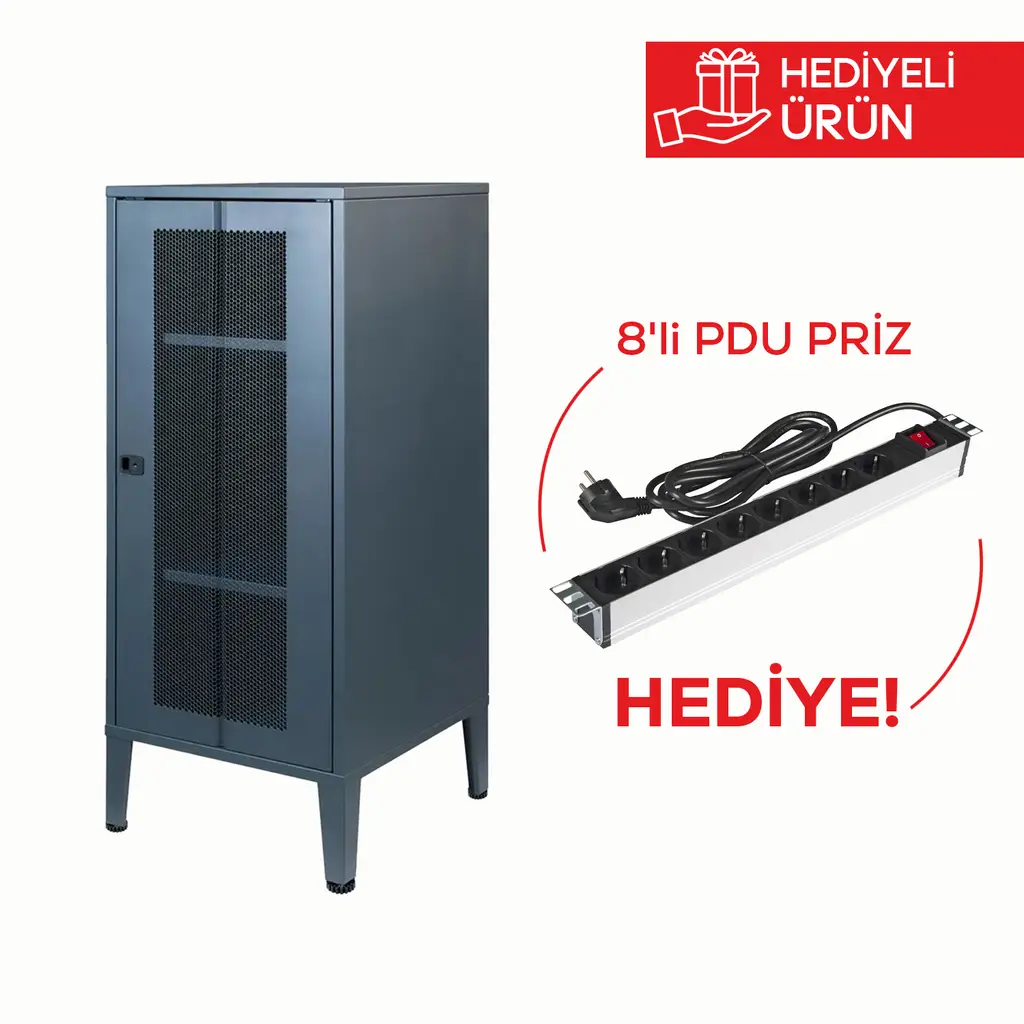
04.11.2026Alfahome Ziglat 1110 Series Perforated Door Medium Size Lockable Metal Cabinet
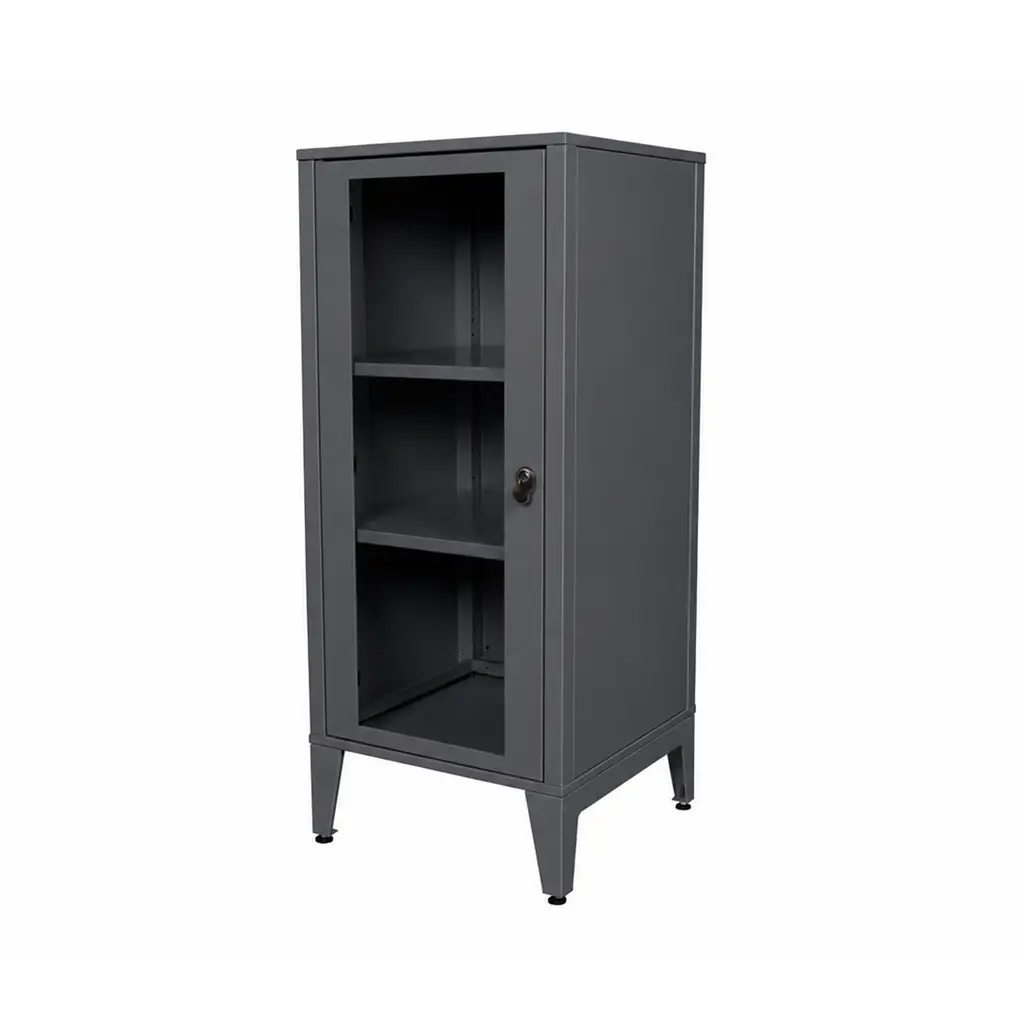
Alfahome Ziglat 1110 Series Glass Door Medium Size Lockable Metal Cabinet
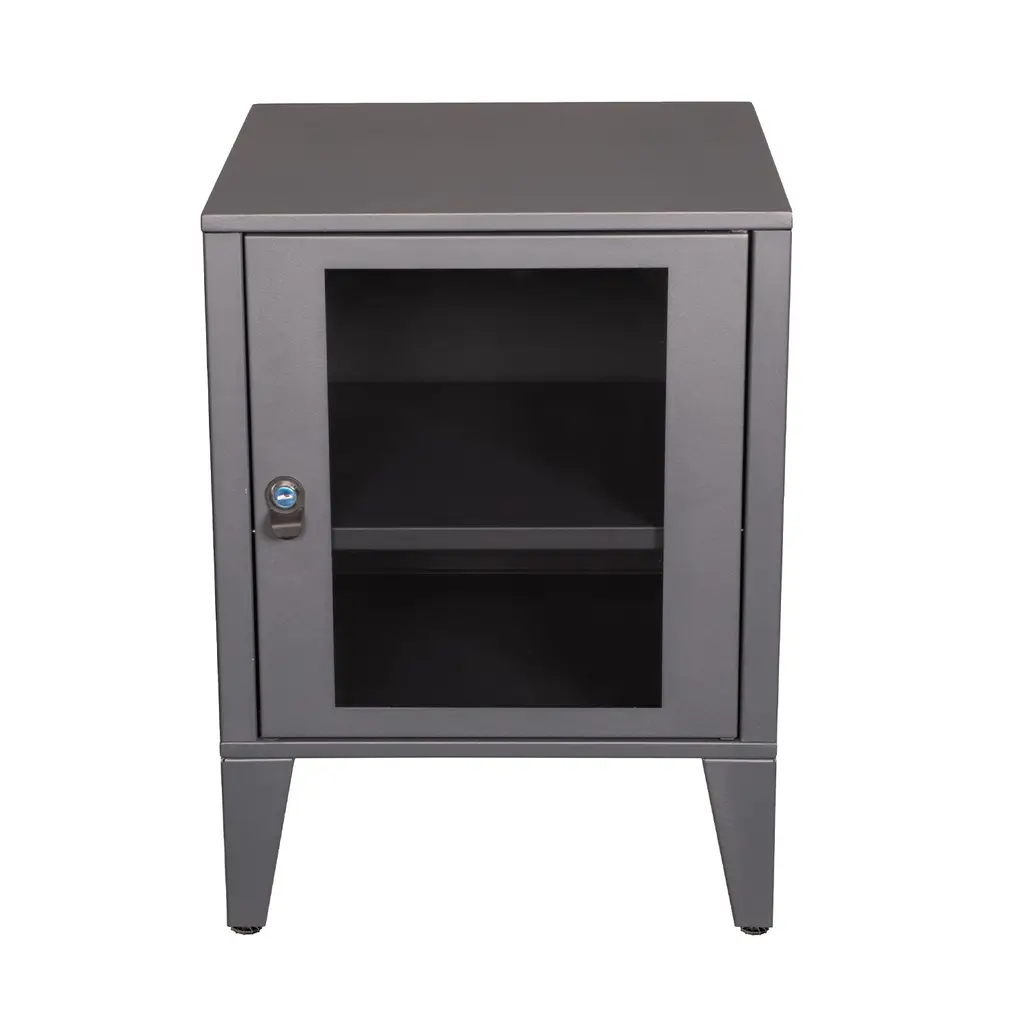
Alfahome Ziglat 655 Series Glass Door Small Size Lockable Metal Cabinet
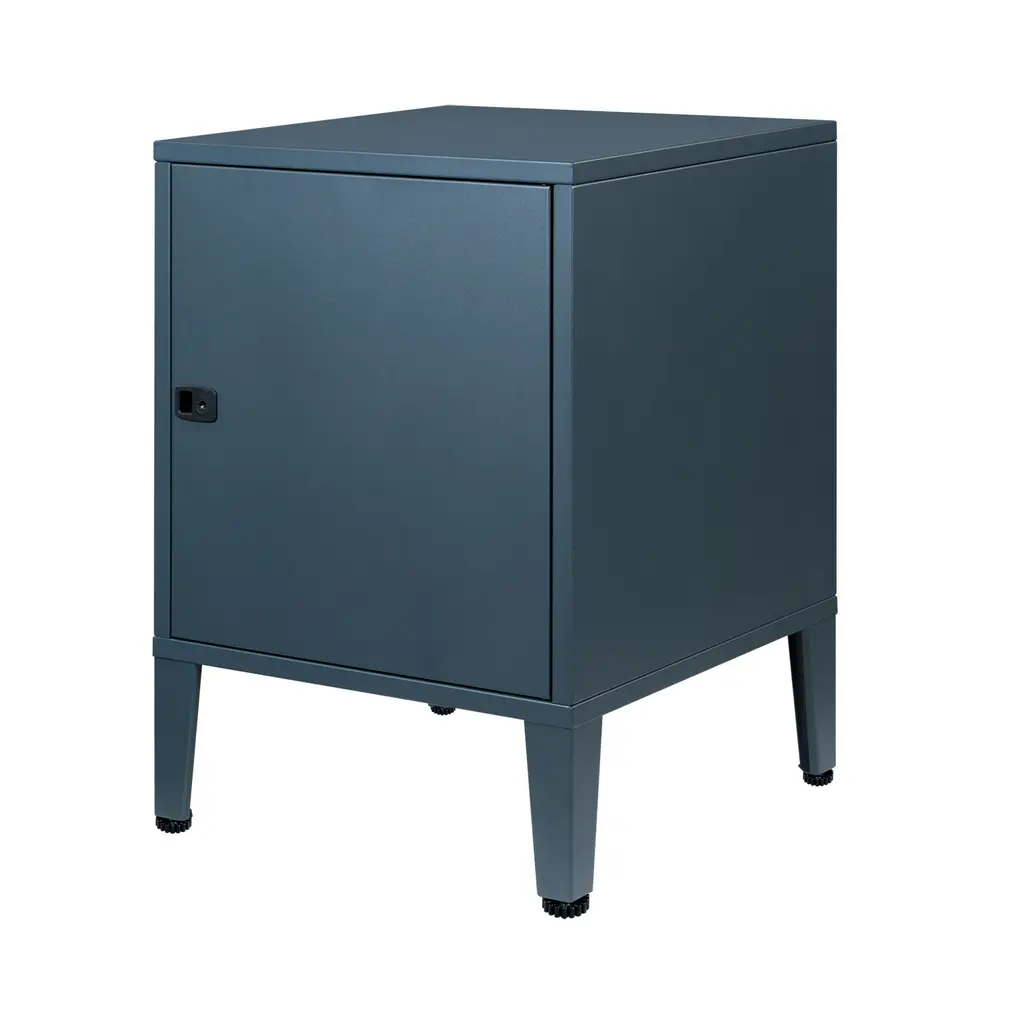
Alfahome Ziglat 655 Series Metal Door Small Size Lockable Office Cabinet
Alfahome Ziglat 1550 Series Glass Door Large Size Lockable Metal Cabinet
Alfahome Ziglat 500 Series Laptop Cabinet - Lockable Metal Cabinet




Alfafonet Complete Connectivity Solutions © 2026 All Rights Reserved.


0
)