×

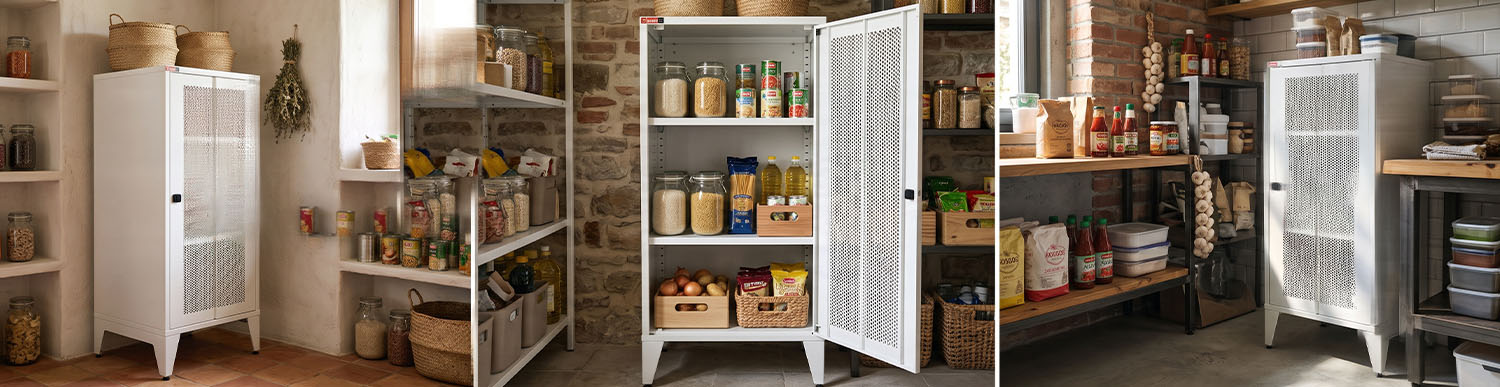
Pantry cupboard models cater to different needs in terms of dimensions, materials, door designs, shelf layouts and storage capacity. Compare the different types of cupboards, their practical benefits and key selection criteria to find a model that suits your kitchen space and the products you intend to store.
Estimated Reading Time: 6 minutes
Pantry cupboard models help keep food products and other essentials neatly stored in the kitchen or a separate storage area. Available in different sizes, materials and internal layouts, these models make it possible to choose a storage solution that suits your available space and storage requirements.
Some users may need a cupboard with shelves for organising packaged foods and jars, while others may prefer a larger storage area for kitchen utensils or spare supplies. For this reason, choosing a pantry cupboard involves considering not only its appearance but also how it will be used.
The main pantry cupboard options include narrow and tall cupboards, wide storage cupboards, models with doors and solutions supported by shelving systems. The practical benefits of each option depend on where it will be placed and the type of items to be stored.
To choose the right pantry cupboard model, first identify the intended location and your storage requirements. Considering the product's dimensions, shelf layout, material and pantry cupboard door type together can help you make a more practical choice.
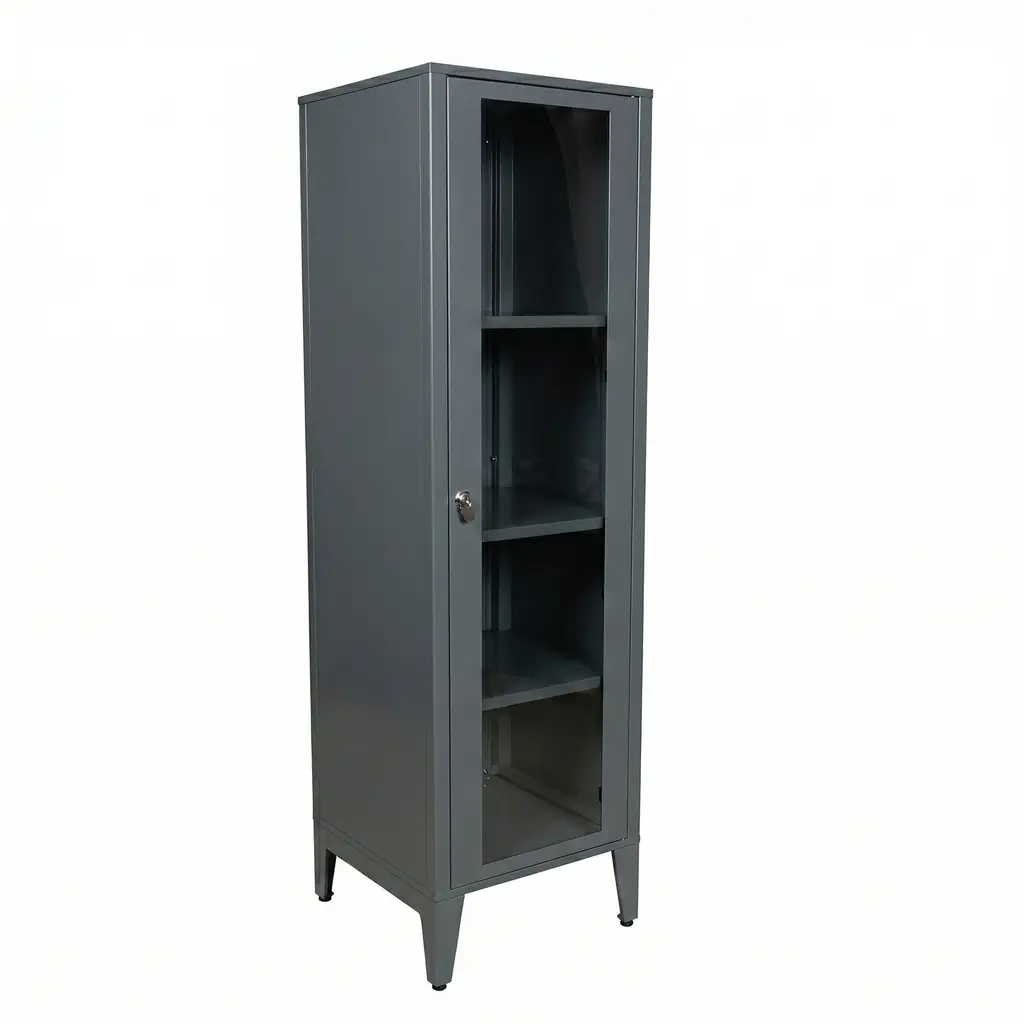
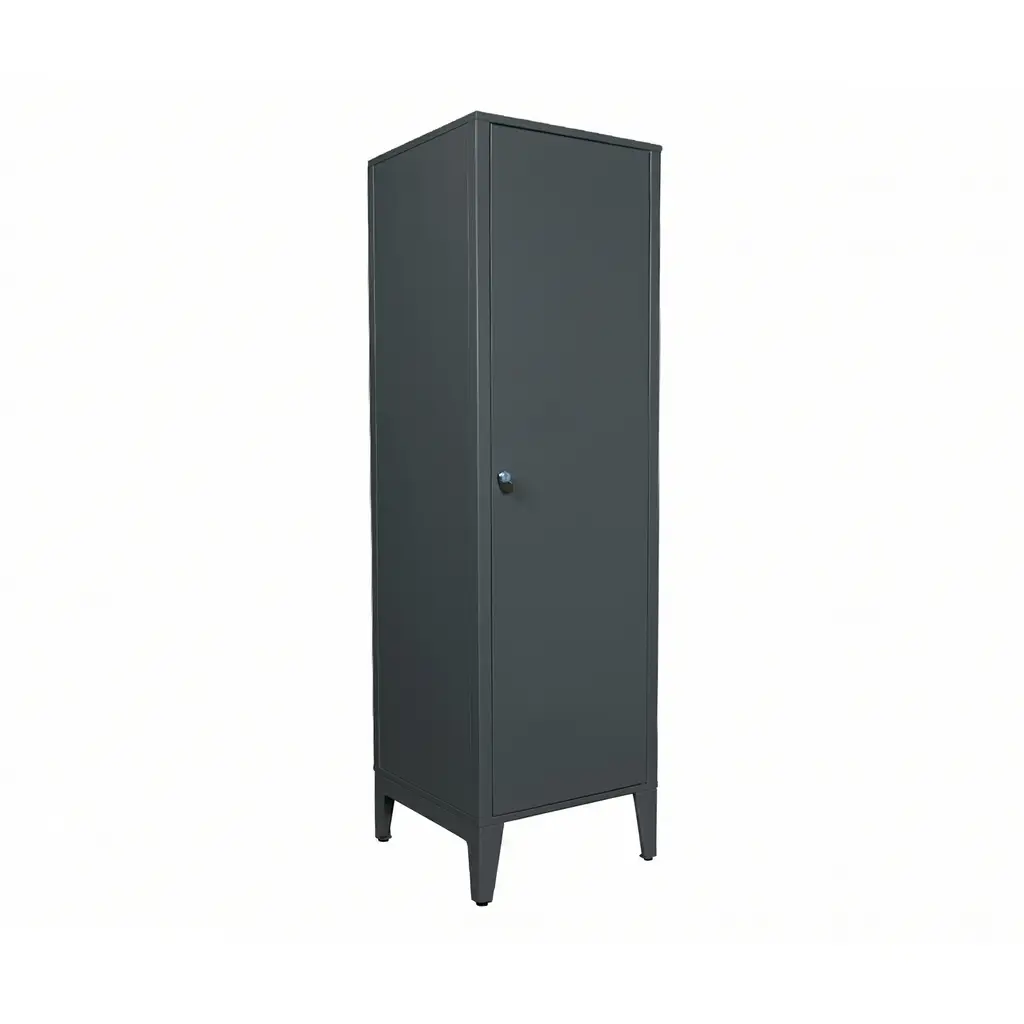
Narrow and tall pantry cupboard models can make effective use of vertical space in kitchens where floor space is limited. They may be a practical alternative for users who want to increase storage capacity without taking up too much room.
When choosing this type of cupboard, it is important to make sure that the shelves are easy to reach and that the unit can be positioned securely. With particularly tall models, consider whether the upper shelves will be accessible enough for everyday use.
Narrow models may be suitable for storing small packets, jars and kitchen products that can be arranged neatly. However, check the cupboard's depth and the space required to open its doors before making a purchase.
Wide pantry cupboard models may be suitable for kitchens or separate pantry areas where more storage space is needed. Having several shelves can make it easier to organise different product groups in separate sections.
When choosing one of these models, the total storage volume is not the only factor to consider. Shelf load capacity is also important. If you intend to store large packages, jars or heavy kitchen utensils, check the load limits specified by the manufacturer.
It is also worth remembering that a wider cupboard is not always the most practical option. It should not restrict movement in the kitchen and should fit comfortably alongside existing furniture.
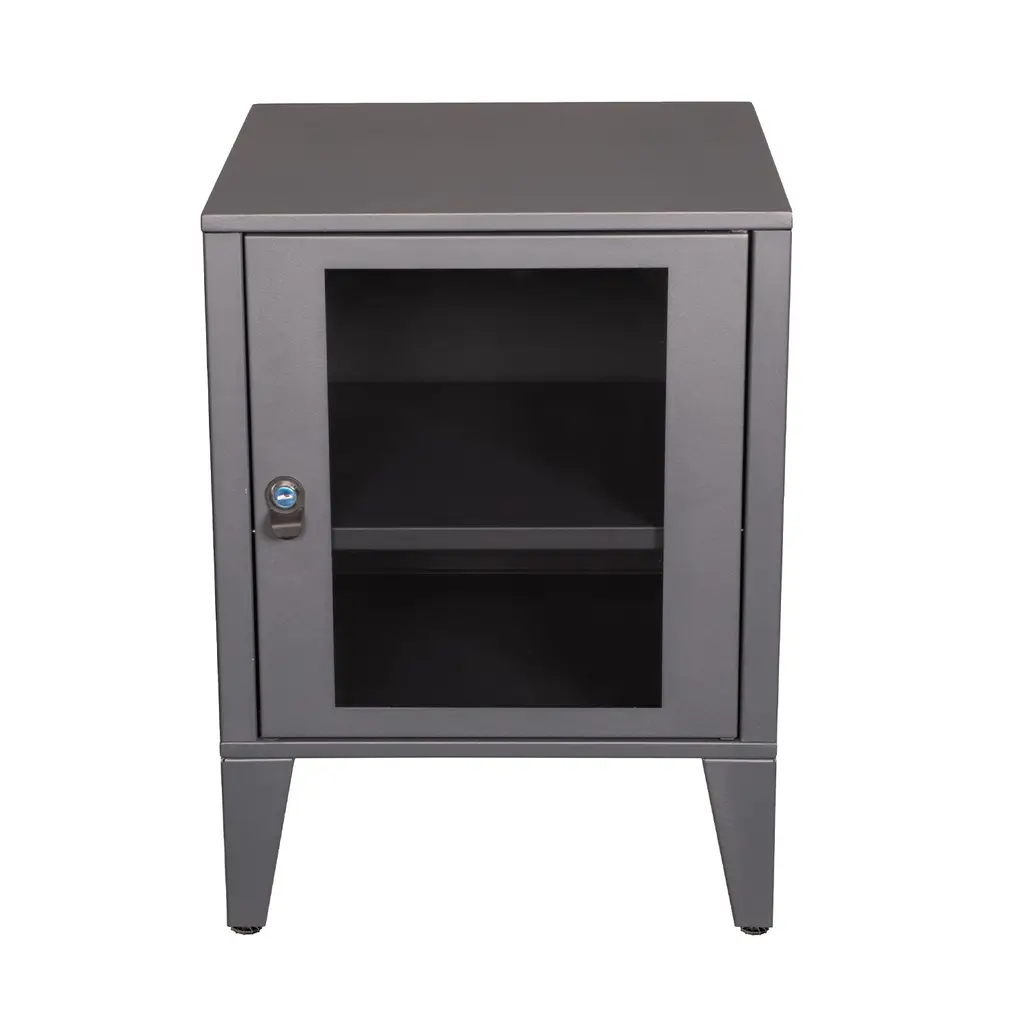
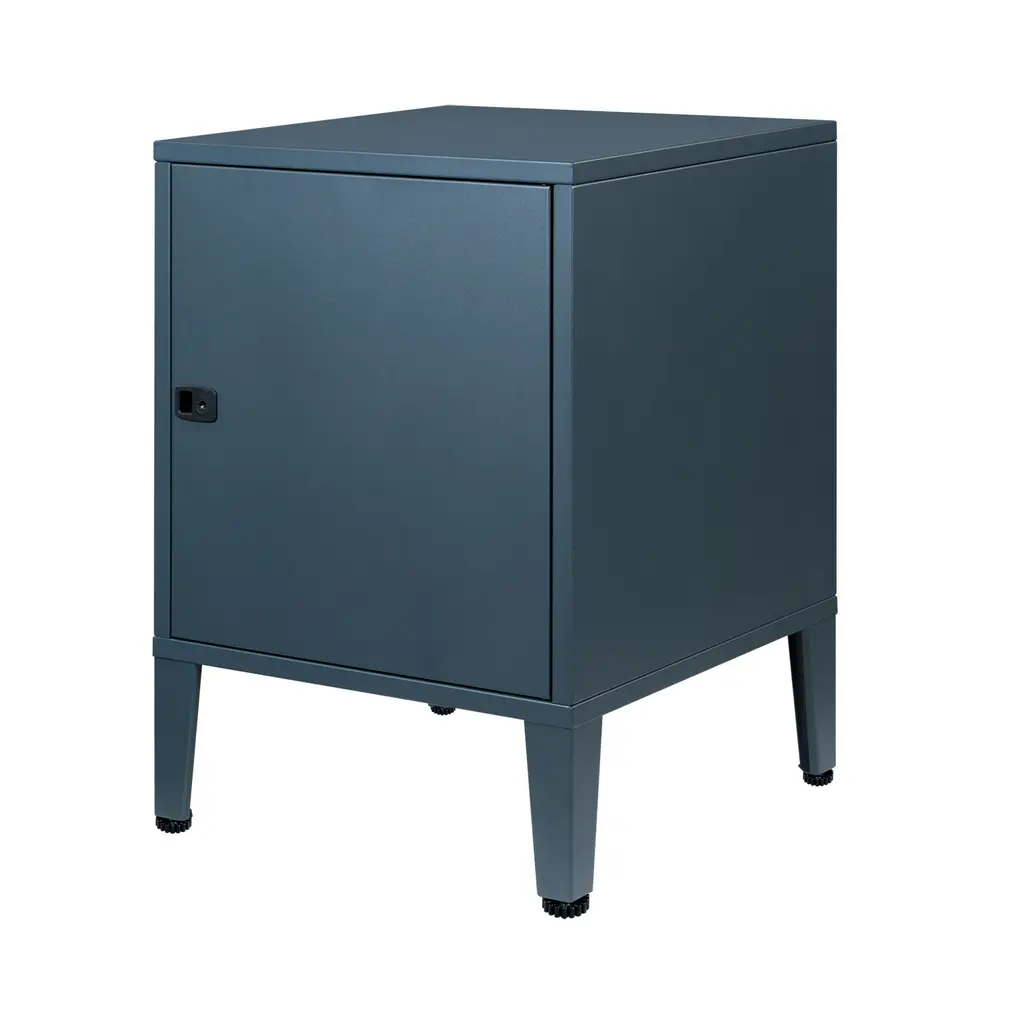
Pantry cupboard models with doors may be suitable for users who prefer to keep stored items out of sight. Doors can create a more uniform appearance and help keep products organised in enclosed storage sections.
When choosing a pantry cupboard door type, consider the opening direction, available space and the clearance required in front of the cupboard. In smaller kitchens, it is important to ensure that the doors do not interfere with other cupboards or walkways.
Metal cupboards may also be available with different door designs. However, whether a metal cupboard is suitable for use as a pantry depends on its technical specifications and the intended use stated by the manufacturer.
Pantry cupboard models with shelves may be suitable for users who want to store products of different sizes in separate sections. When the spacing between shelves matches the dimensions of the items being stored, the available space can be used more efficiently.
When choosing a shelving model, consider the following features:
Whether the shelf spacing suits the dimensions of your products
The load-bearing capacity of the shelves
Ease of cleaning and maintenance
Access to frequently used products
The dimensions of the area where the cupboard will be placed
Open shelving systems can also be considered as an alternative for organising a pantry. They may be particularly useful for products that need to remain easily accessible. However, hygiene and environmental conditions should be taken into account when storing food.
Material is another important factor when comparing pantry cupboard models. It can affect the product's appearance, maintenance requirements and suitability for different conditions.
Wooden and wood-based cupboards are available in a variety of finishes and colours that can complement different kitchen styles. When choosing one, consider how easy the surface is to clean and the humidity conditions of the intended location.
Metal cupboards offer alternative storage solutions with different door and body designs. If you prefer metal furniture, check the product's dimensions, shelf structure, surface properties and usage instructions.
The ALFAHOME metal furniture category includes metal cupboards and shelving options designed for different purposes. These products can be considered according to your storage requirements; however, not every model should be assumed to be suitable for food storage or kitchen use.
When choosing a product to use as a pantry cupboard, always check the stated intended use, material properties and cleaning instructions in the product description.
In smaller kitchens, the main aim when choosing a kitchen pantry cupboard is to increase storage capacity without restricting movement. For this reason, selecting a model that fits the available space may be more practical than simply buying a larger cupboard.
Consider the following tips when choosing a pantry cupboard for a small kitchen:
Measure the available wall space.
Explore models that make use of vertical storage.
Make sure the cupboard's depth does not restrict walkways.
Leave enough clearance for the doors to open.
Plan to keep frequently used products on easily accessible shelves.
Choose sufficient storage capacity according to the quantity of items you intend to store.
If there is a suitable utility room or separate pantry area outside the kitchen, it may also be used to meet your storage needs. However, the temperature, humidity and hygiene conditions of any area used for food storage should be appropriate.
Pantry cupboards and open shelving systems offer different practical benefits. The most suitable option depends on the types of products you intend to store and your everyday habits.
A pantry cupboard with doors may be suitable for users who prefer to keep their products out of sight and need enclosed storage space. Open shelving systems may be a better alternative for those who want quick access to frequently used items and prefer a more open appearance.
Consider the following points when comparing the two options:
Appearance: Closed cupboards conceal stored items, while open shelves keep their contents visible.
Accessibility: Items can be reached directly on open shelves, whereas cupboard doors need to be opened first.
Organisation: Both options can provide an organised storage area when arranged properly.
Cleaning: Exposed products and shelves may require more frequent dusting.
Use of space: The product's width, depth and positioning determine how much usable space remains.
These two solutions can also be used together. Closed cupboards can store items that you would prefer to keep out of sight, while open shelves can hold frequently used products.
Once you have chosen the right model, plan the internal layout according to your everyday storage habits. A well-organised arrangement makes it easier to find products and keep track of existing stock.
Store products such as dried pulses, packaged foods, jars and kitchen utensils in separate sections. Keep food products separate from cleaning supplies and store them safely.
Keep everyday essentials in sections that are easy to reach. Less frequently used items can be placed on suitable upper or lower shelves.
Distribute heavy items evenly across the shelves and do not exceed the load capacity specified by the manufacturer. Leave enough height and width for larger packages.
Keep track of use-by dates and arrange products so that older items are used first. This approach can help prevent products from being forgotten and reduce unnecessary shopping.
Overlooking certain details when choosing between pantry cupboard models can make the product less practical to use.
Some of the most common mistakes include:
Choosing a cupboard without measuring the available space
Selecting a model based solely on its appearance
Failing to consider the quantity of products to be stored
Not checking shelf spacing and load-bearing capacity
Failing to leave enough clearance for the doors to open
Not assessing the material according to the humidity and cleaning conditions
Overlooking the product's intended use and manufacturer's instructions
To avoid these mistakes, identify your requirements before shopping, compare product dimensions and check the technical specifications carefully.
Use the following checklist when comparing different pantry cupboard models:
I have measured the area where the cupboard will be placed.
I have identified the quantity and dimensions of the items I intend to store.
I have checked the shelf spacing and load-bearing capacity.
I have assessed whether the door design suits the available space.
I have checked the material and surface properties.
I have considered cleaning and maintenance requirements.
I have checked the product's intended use and manufacturer's instructions.
I have made sure the cupboard can be positioned safely and securely.
These points can help you choose a product based on your actual needs rather than appearance alone.
When choosing between pantry cupboard models, consider the dimensions of your space, the quantity of items to be stored, shelf layout, door type and material properties together. Narrow and tall models can be advantageous in smaller spaces, while wider cupboards may be preferable where greater storage capacity is required.
When deciding between cupboards with doors and open shelving systems, consider your everyday habits, cleaning requirements and how easily you need to access stored products. If you are considering metal cupboards or shelving options, also check whether the product is suitable for kitchen use and food storage.
To compare different storage alternatives, explore the ALFAHOME metal furniture category. Review product dimensions and usage features to find an option that meets your requirements.
Pantry cupboard models include narrow and tall cupboards, wide storage cupboards, models with doors and shelving solutions. The most suitable option depends on the dimensions of the available space and the products to be stored.
Models that make use of vertical space without restricting walkways can be advantageous in smaller kitchens. Check the cupboard's depth and the clearance required for its doors before purchasing.
Metal cupboards can be considered as an alternative storage solution. However, you should check whether the product is suitable for food storage or kitchen use by reviewing its material properties and the manufacturer's instructions.
Yes. In addition to the number of shelves, their spacing and load-bearing capacity are important. The shelf layout should suit the dimensions and weight of the products you intend to store.
Closed cupboards may be preferable for users who want to keep stored items out of sight, while open shelves can provide easier access. Both solutions can also be used together, depending on your needs.
Measure the width, height and depth of the area where the cupboard will be placed. You should also consider door clearance, walkways and the distance from surrounding furniture.
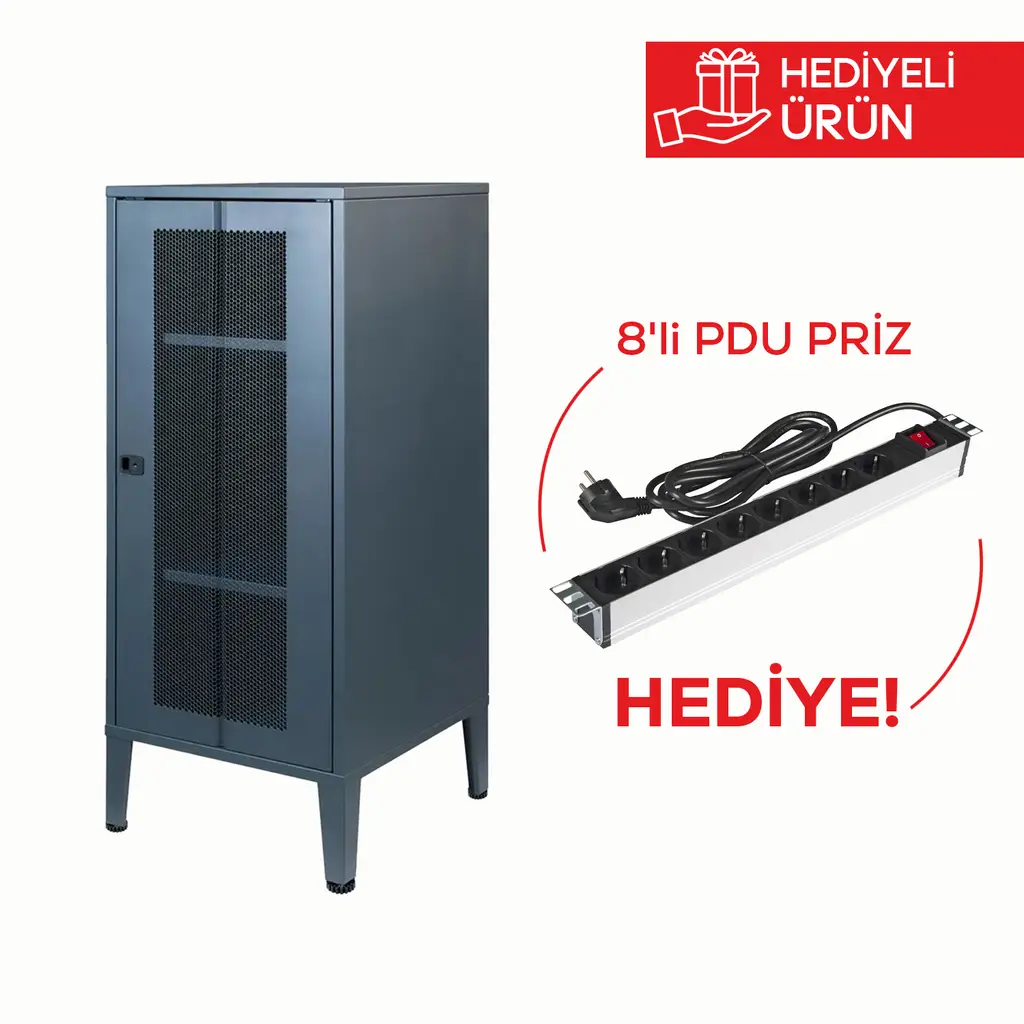
30.10.2026Alfahome Ziglat 1110 Series Perforated Door Medium Size Lockable Metal Cabinet
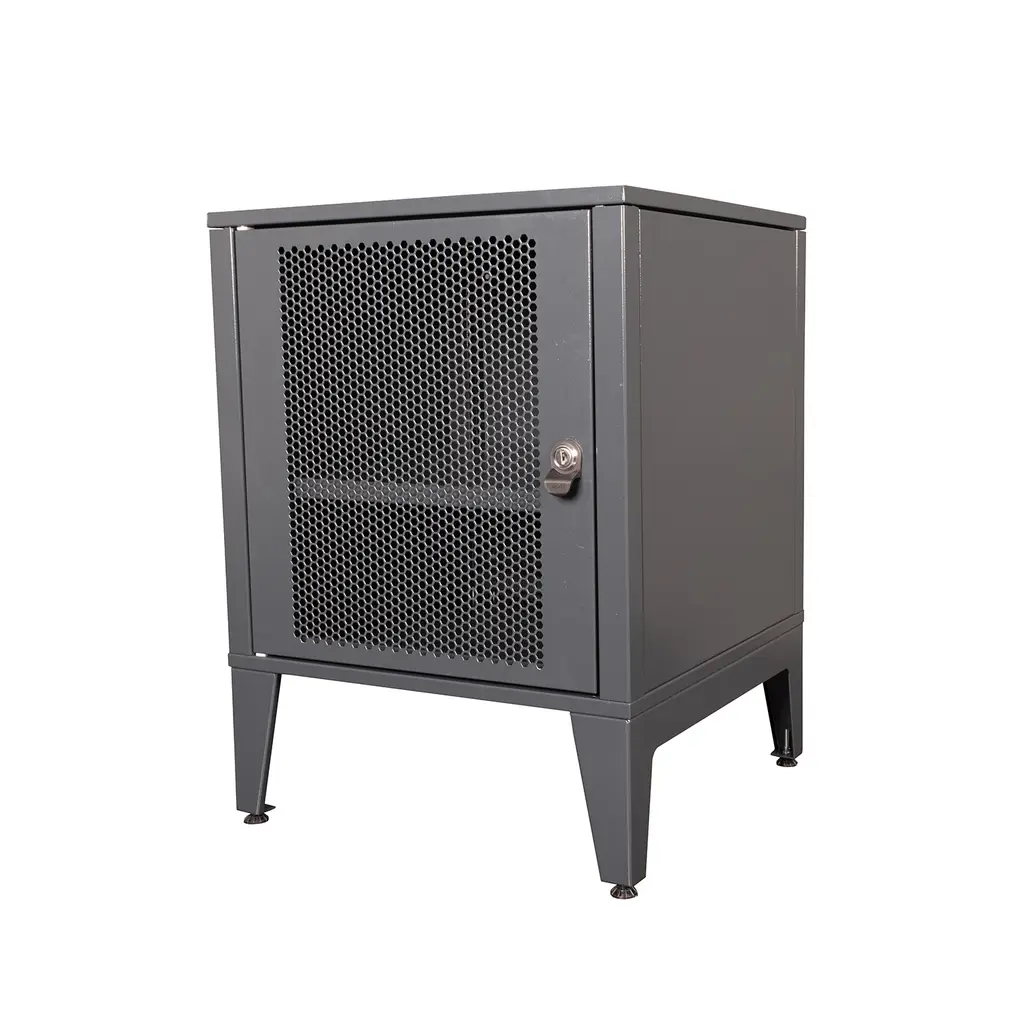
Alfahome Ziglat 655 Series Perforated Door Small Size Lockable Metal Cabinet
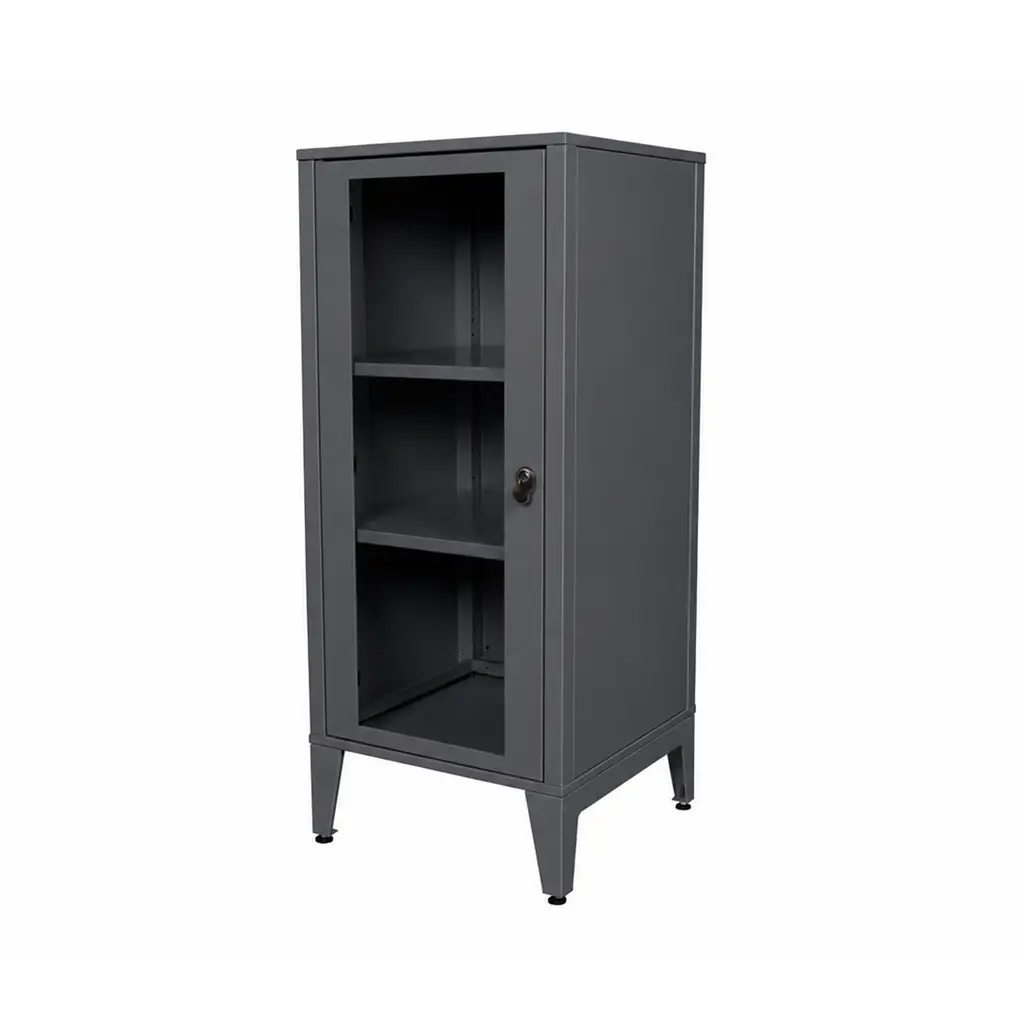
Alfahome Ziglat 1110 Series Glass Door Medium Size Lockable Metal Cabinet
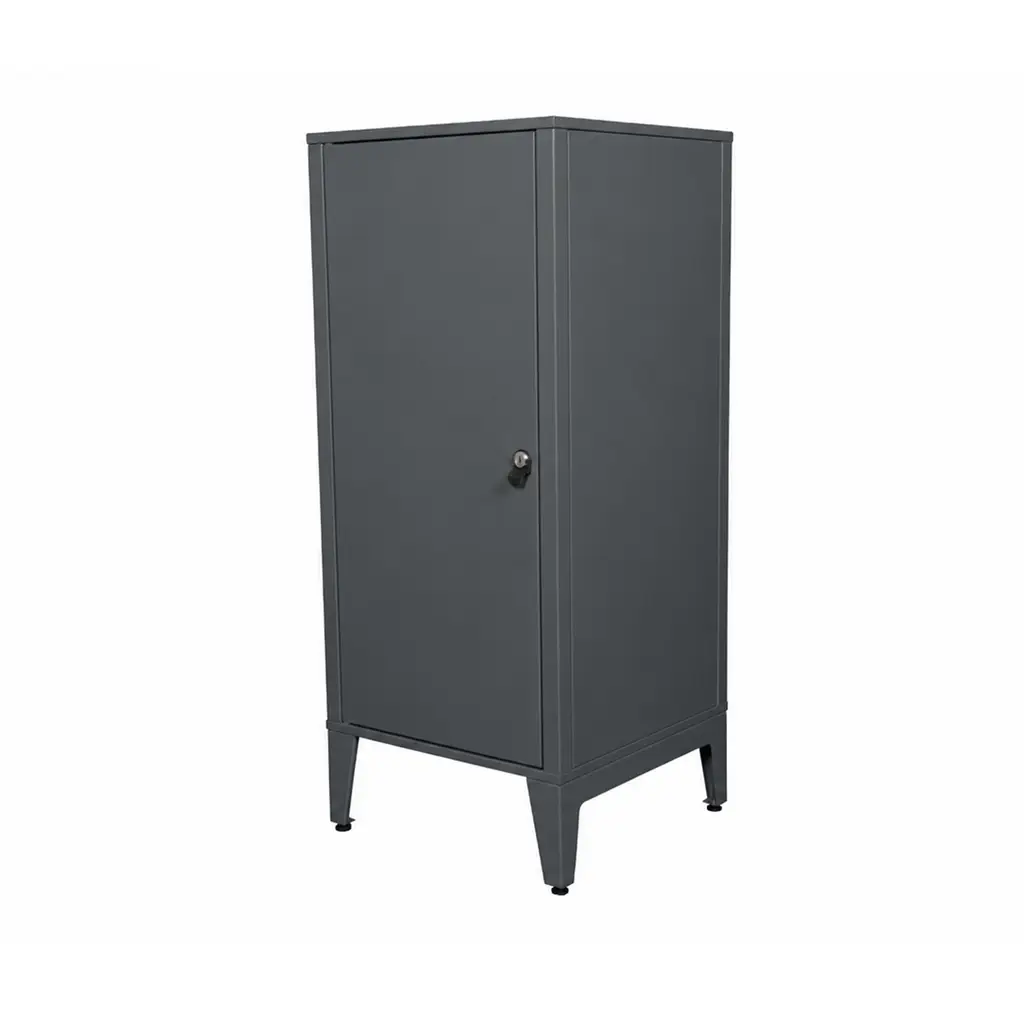
Alfahome Ziglat 1110 Series Metal Door Medium Size Lockable Office Cabinet
Alfahome Ziglat 655 Series Glass Door Small Size Lockable Metal Cabinet
Alfahome Ziglat 655 Series Metal Door Small Size Lockable Office Cabinet
Alfahome Ziglat 1550 Series Glass Door Large Size Lockable Metal Cabinet
Alfahome Ziglat 1550 Series Metal Door Large Size Lockable Office Cabinet
Alfahome Ziglat 1550 Series Perforated Door Large Size Lockable Metal Cabinet




Alfafonet Complete Connectivity Solutions © 2026 All Rights Reserved.


0
)