×

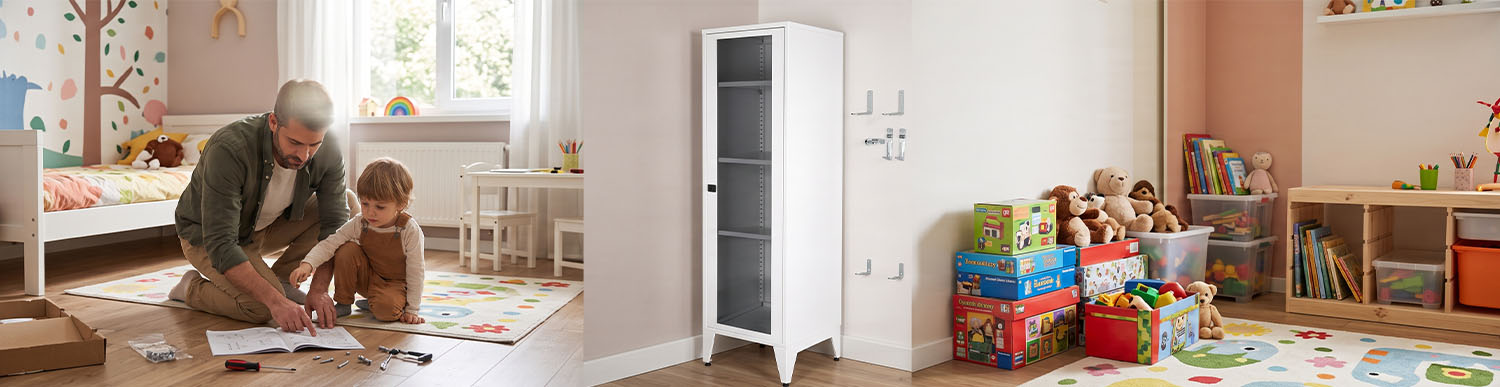
Following the assembly instructions, checking the fittings and positioning the cabinet securely are important when installing a toy storage cabinet. In this article, you can learn what to do before installation, the assembly stages and the key points to consider when positioning a toy storage cabinet in a child's room.
Estimated Reading Time: 4 minutes
Installing a toy storage cabinet is an important step towards creating an organised and practical storage area in a child's room. Correct assembly, suitable positioning and safe usage conditions directly affect everyday convenience.
When assembling a toy storage cabinet, follow the product's installation instructions, check the fittings and secure the cabinet to the wall where necessary. Once installation is complete, assess whether the cabinet's dimensions, shelf arrangement and position are suitable for the available space in the room.
So, how do you install a toy storage cabinet, and what should you consider when positioning it in a room?
Preparing the area where the cabinet will be placed and checking all the product components before starting can make the assembly process easier.
First, read the installation manual supplied with the product and check that all the required components are included. Prepare the tools needed for assembly in accordance with the manufacturer's instructions.
Before installation, you can follow these steps:
Check the components: Make sure the cabinet panels, shelves, fittings and any door or drawer mechanisms are present.
Read the assembly manual: Identify the order in which the components should be assembled and locate the connection points.
Prepare the installation area: Choose a space with sufficient room to lay out and assemble the components comfortably.
Assess the floor: Make sure the floor where the cabinet will stand is level and stable.
Prepare the necessary tools: Use the assembly tools specified by the manufacturer.
Do not use an assembly method that is not specified in the product instructions. If any components are missing or damaged, contact the manufacturer or retailer before completing the installation.
The assembly process may vary depending on the cabinet's design and materials. Therefore, always follow the installation instructions supplied with the specific model. The steps below provide a general guide.
Compare the components with the parts list in the assembly manual. Separate the cabinet panels, shelves, fittings and any door or drawer components.
At this stage, it is useful to check the surfaces for damage and keep small fittings together in a safe place to prevent them from getting lost.
When assembling the main cabinet frame, make sure that each component is positioned in the correct direction. Fit the connectors at the points specified in the product manual.
Overtightening the fittings or working on holes that are not specified in the instructions may damage the components. Follow the recommended assembly sequence and connection method carefully.
Once the main frame has been assembled, install the shelves, doors and any drawers according to the relevant instructions.
Check that the shelves sit securely on their supports, the doors open and close smoothly, and the drawers move without sticking. Do not exceed the load capacity specified by the manufacturer.
Once assembly is complete, make sure the cabinet stands evenly on the floor and that all fittings have been installed correctly.
The risk of tipping is particularly important to consider with tall cabinets. If the manufacturer requires wall anchoring, secure the cabinet using suitable fittings and a method appropriate for the wall construction.
If you are unsure how to secure the cabinet to the wall, seek professional assistance. Do not allow children to use the cabinet until it has been properly secured.
Correct positioning affects both the organisation of the room and everyday convenience. As well as the cabinet's dimensions, consider the direction in which the doors open, the space needed for drawers to extend and the clearance between the cabinet and other furniture.
Before positioning the cabinet, measure the available wall width, ceiling height and cabinet depth. Allow for the space required to open doors and extend drawers fully.
The cabinet should not obstruct the doorway, window or main walking routes through the room. In smaller rooms especially, its position should not restrict the play area or make other furniture difficult to use.
A toy storage cabinet should be positioned where children can access it comfortably, while remaining away from areas that could create hazards.
Consider the following points when choosing a location:
Assess the cabinet's proximity to windows and areas that could encourage climbing.
Position the cabinet so that it does not obstruct curtains, doors or other furniture.
Leave enough space in front of the cabinet for children to take out and put away toys.
Secure tall cabinets in accordance with the manufacturer's instructions.
Avoid arrangements that could encourage children to climb onto the cabinet.
For child safety, ensuring that the cabinet is stable and properly secured should take priority over decorative preferences.
When choosing a storage product, consider both the dimensions of the available space and the intended use of the product. To explore options for different placement requirements, browse ALFAHOME's multi-purpose cabinet models. Before installation, remember to check the dimensions of your chosen product and follow its specific assembly instructions.
Once installation and positioning are complete, organising the interior can help you make more efficient use of the available storage space. Grouping toys by type and frequency of use can also make it easier to find what you need.
For example:
Frequently used toys: Store these in easily accessible compartments suitable for the child's age and level of safe access.
Toys with small parts: Keep them separated in suitable boxes or organisers.
Books and colouring materials: Store them on shelves suited to their size.
Large toys: Place them in compartments with sufficient space and load capacity.
Items used less frequently: Store them in suitable compartments where access remains safe and practical.
Avoid placing heavy items on upper shelves and always observe the manufacturer's load limits. Toys containing small parts should be stored out of reach of young children.
Certain assembly mistakes can make a cabinet more difficult to use or create safety risks. For this reason, it is important to carry out basic checks after installation.
Assembling components based on guesswork can result in incorrectly positioned fittings or an improperly assembled frame. Always follow the sequence in the installation manual.
The risk of tipping should not be overlooked, particularly with tall and narrow cabinets. Do not allow children to use the cabinet until any anchoring required by the manufacturer has been completed.
The fact that a cabinet fits against a wall does not necessarily mean it is correctly positioned. Consider the space needed to open doors and drawers, walking routes and the distance from other furniture.
Placing too many items on the shelves can put excessive strain on the fittings and compromise safe use. Always observe the load limits specified by the manufacturer.
After assembly, check the cabinet's stability, fittings and moving components. If any connections are loose or mechanisms are not working properly, resolve the issue before continuing to use the cabinet.
Before using the cabinet, check the following:
Assembly has been completed in accordance with the installation instructions.
The cabinet panels and fittings have been checked.
The shelves are correctly positioned on their supports.
Doors and drawers operate smoothly.
The cabinet stands securely on a level, stable surface.
Any required wall anchoring has been completed.
There is sufficient space in front of the cabinet for access and movement.
Stored items do not exceed the shelves' load capacity.
The child's access and the safety of moving components have been assessed.
These checks help prepare the cabinet for everyday use and make it easier to identify potential problems at an early stage.
When installing a toy storage cabinet, it is important to follow the assembly instructions, fit the components correctly and check the cabinet's stability. Once assembly is complete, the cabinet should be positioned in a suitable location, secured to the wall where necessary, and loaded in accordance with the shelves' weight limits.
Correct installation and positioning help make a toy storage cabinet more practical to use. To create an organised storage area in a child's room, follow the assembly steps, check the cabinet's safety and plan the interior layout according to your storage needs.
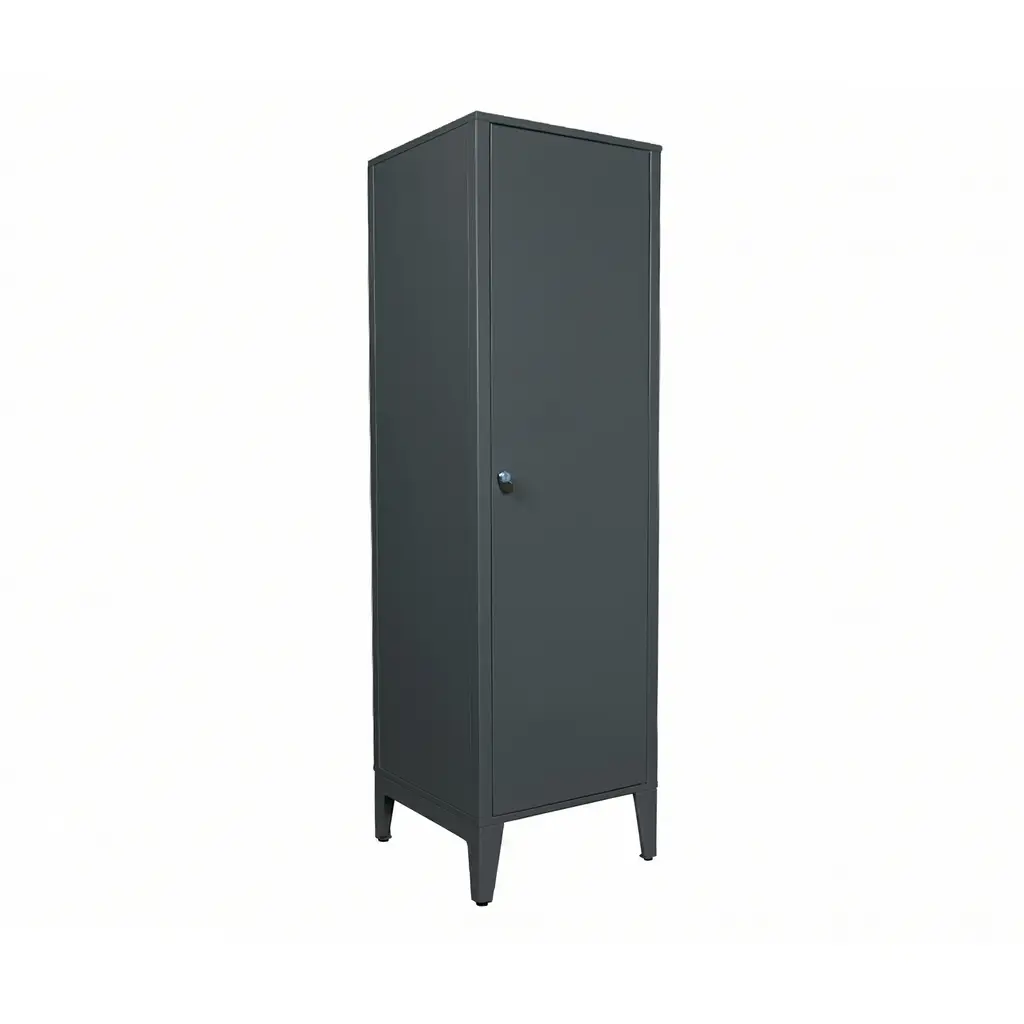
21.10.2026Alfahome Ziglat 1550 Series Metal Door Large Size Lockable Office Cabinet
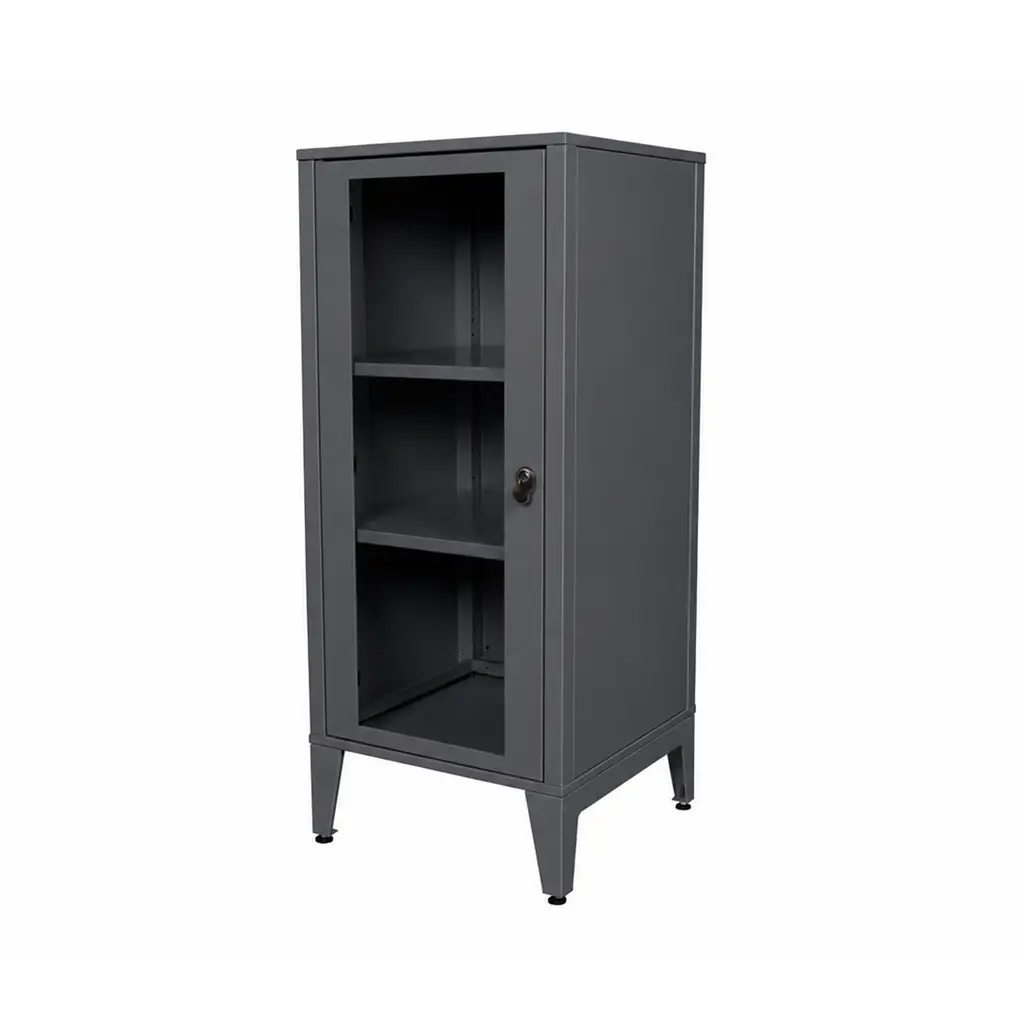
Alfahome Ziglat 1110 Series Glass Door Medium Size Lockable Metal Cabinet
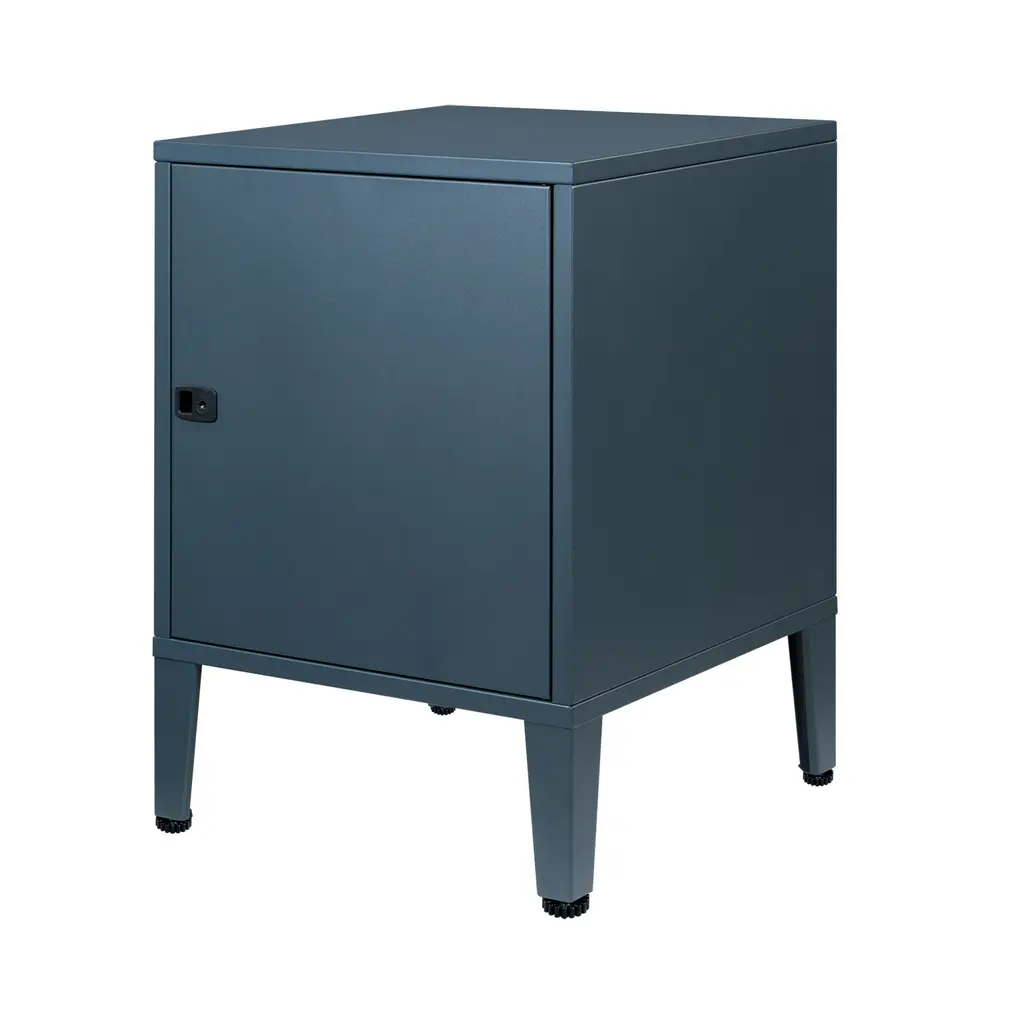
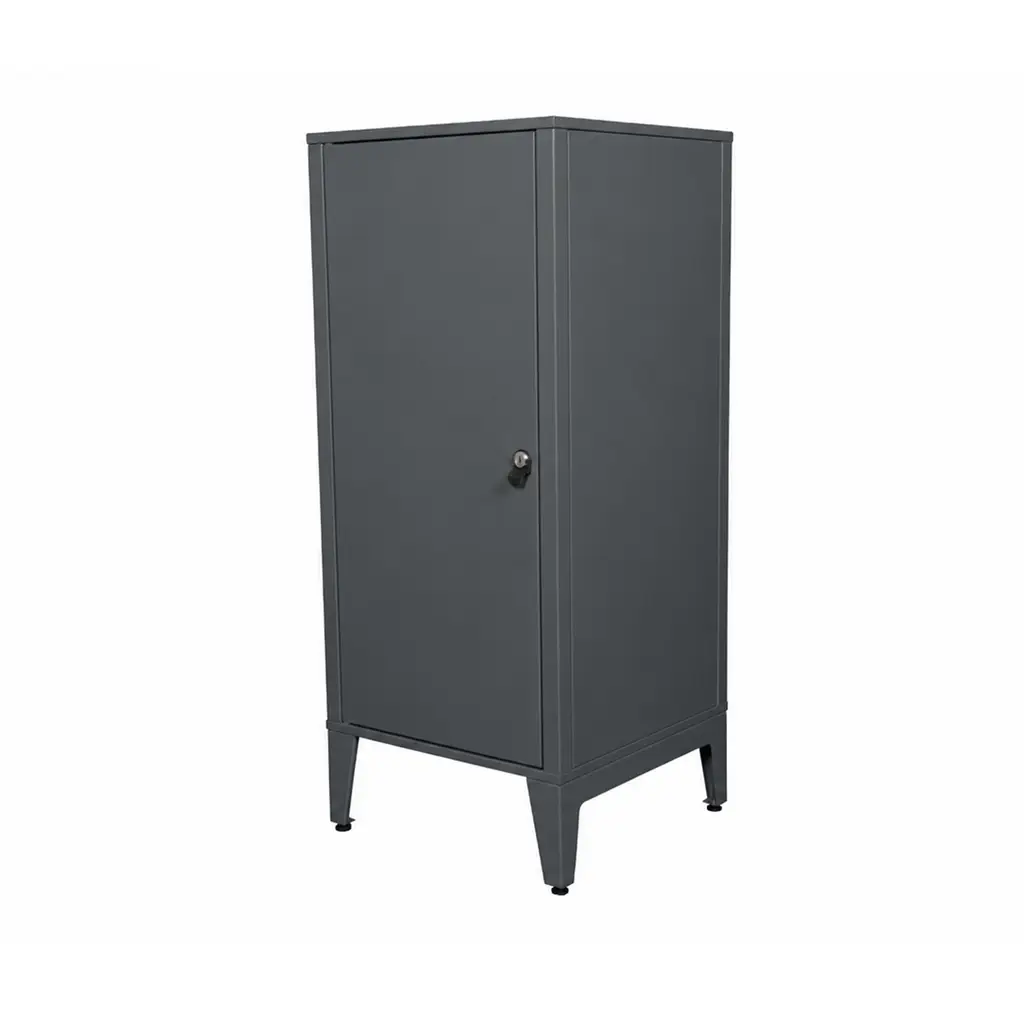
Alfahome Ziglat 655 Series Metal Door Small Size Lockable Office Cabinet
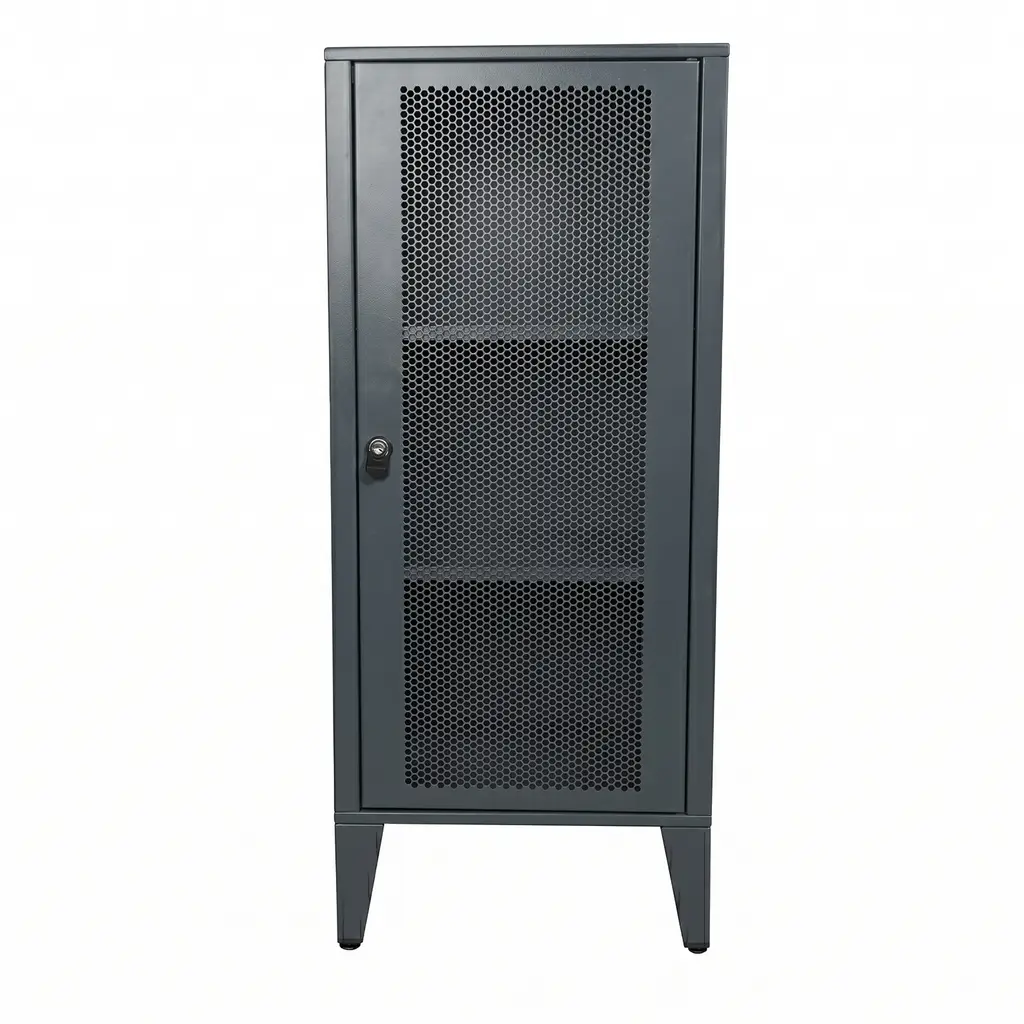
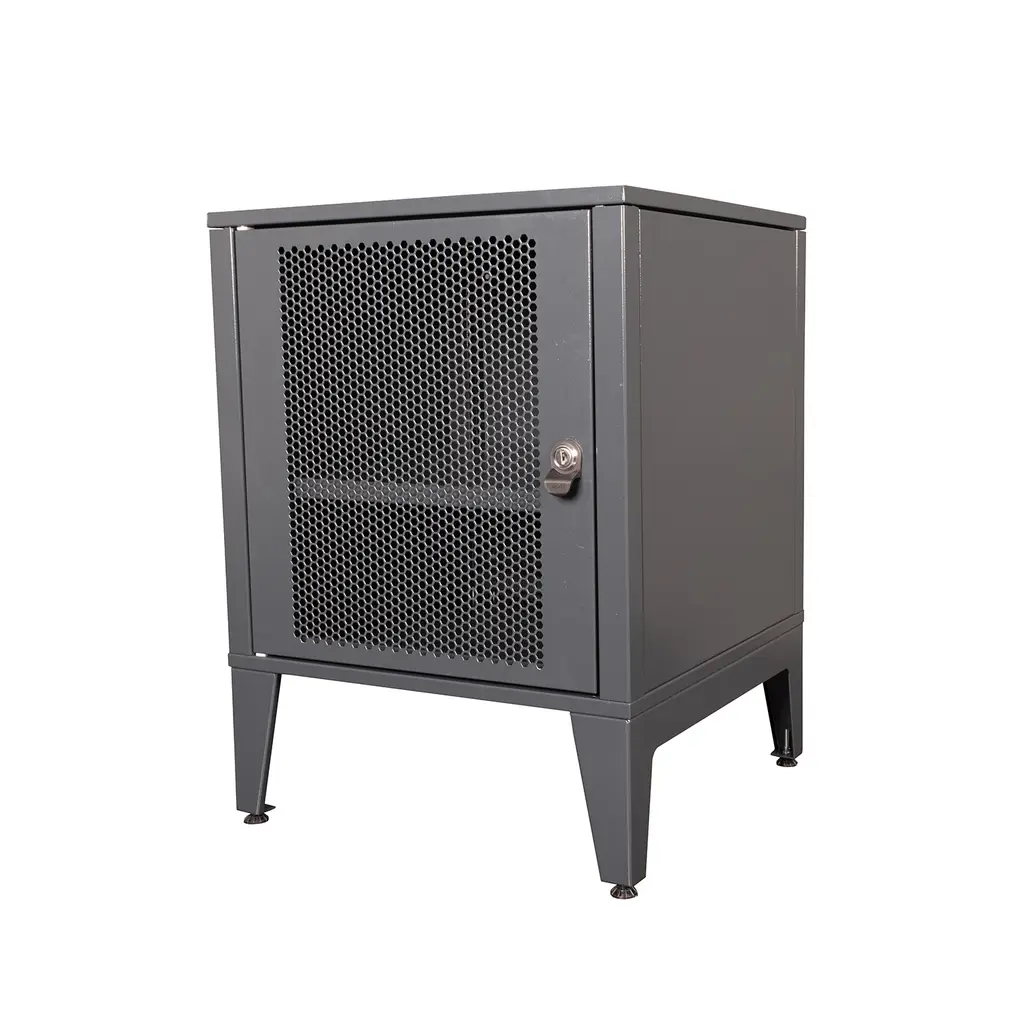
Alfahome Ziglat 1110 Series Perforated Door Medium Size Lockable Metal Cabinet
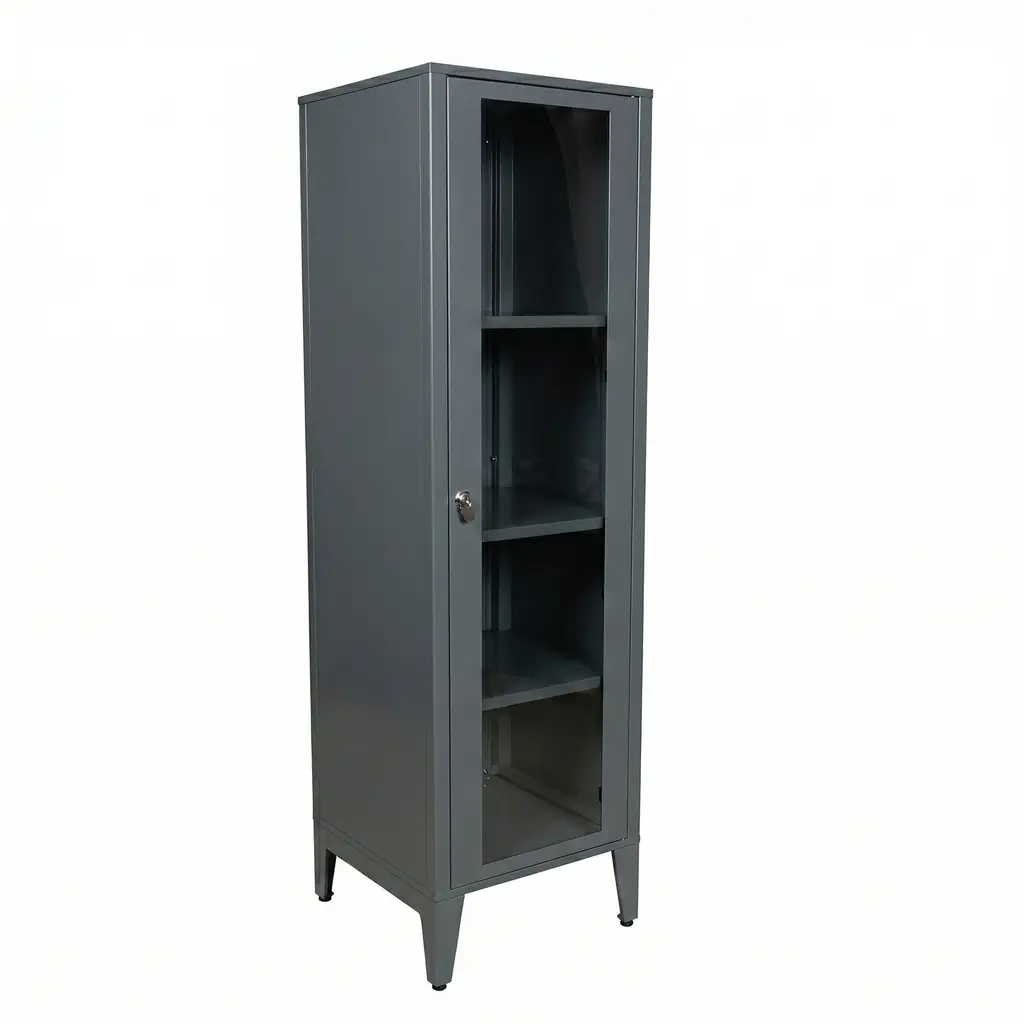
Alfahome Ziglat 1550 Series Glass Door Large Size Lockable Metal Cabinet
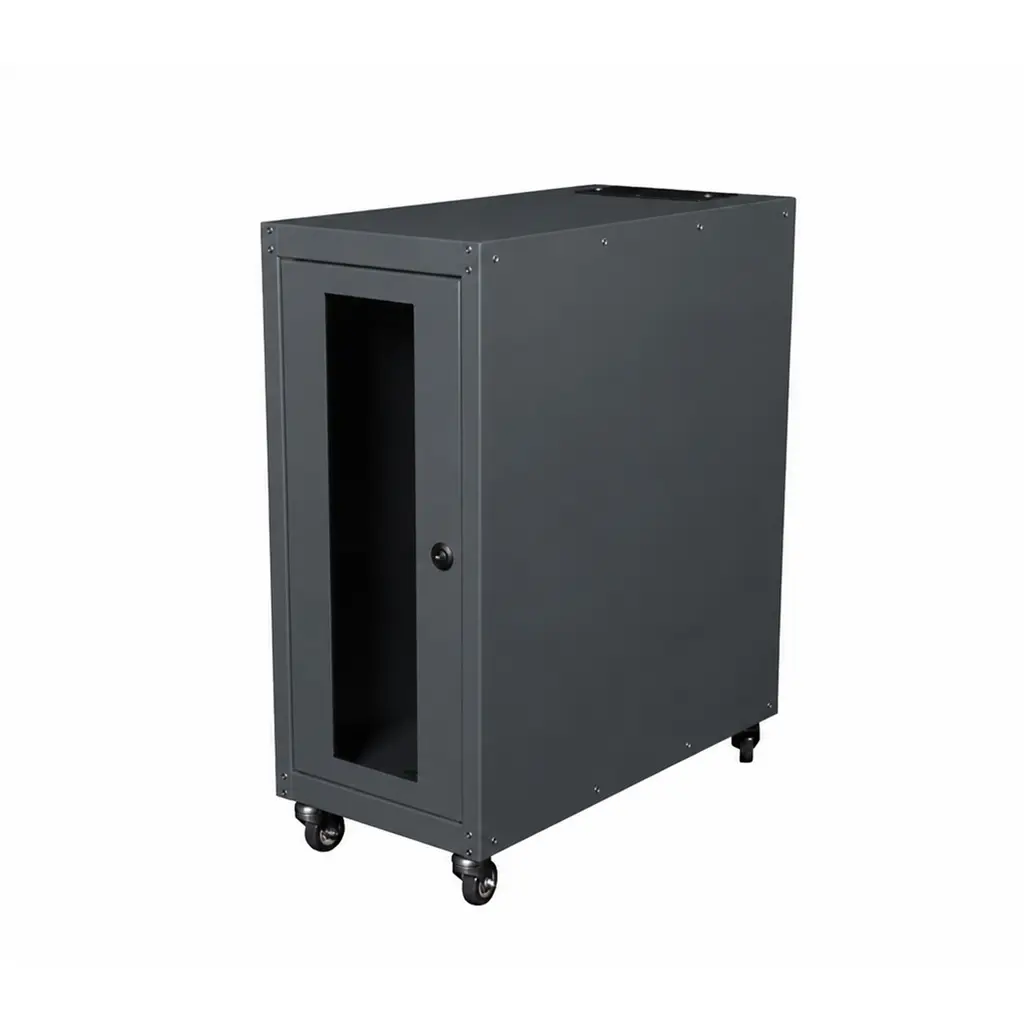
Alfahome Ziglat 600 Series IP20 Pre-assembled Glass Door Wheeled Computer Cabinet
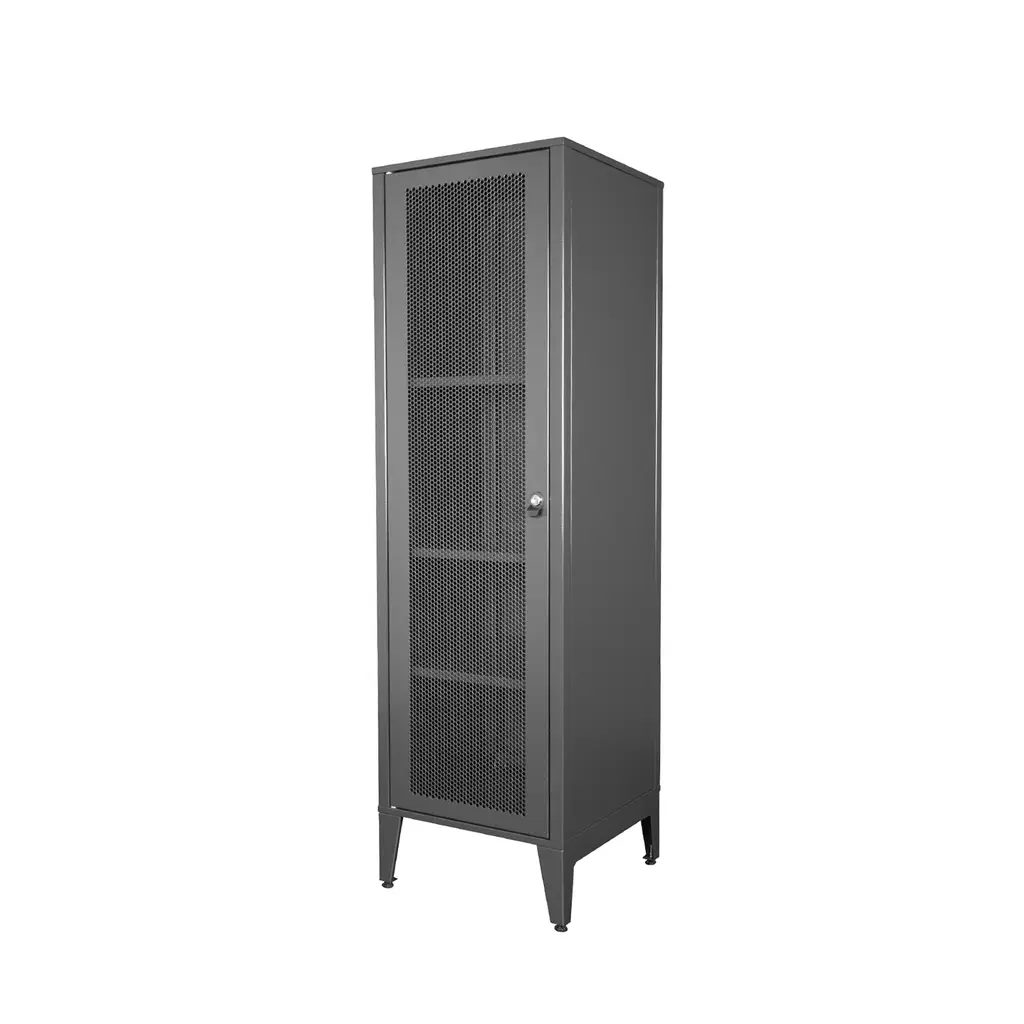
Alfahome Ziglat 1550 Series Perforated Door Large Size Lockable Metal Cabinet
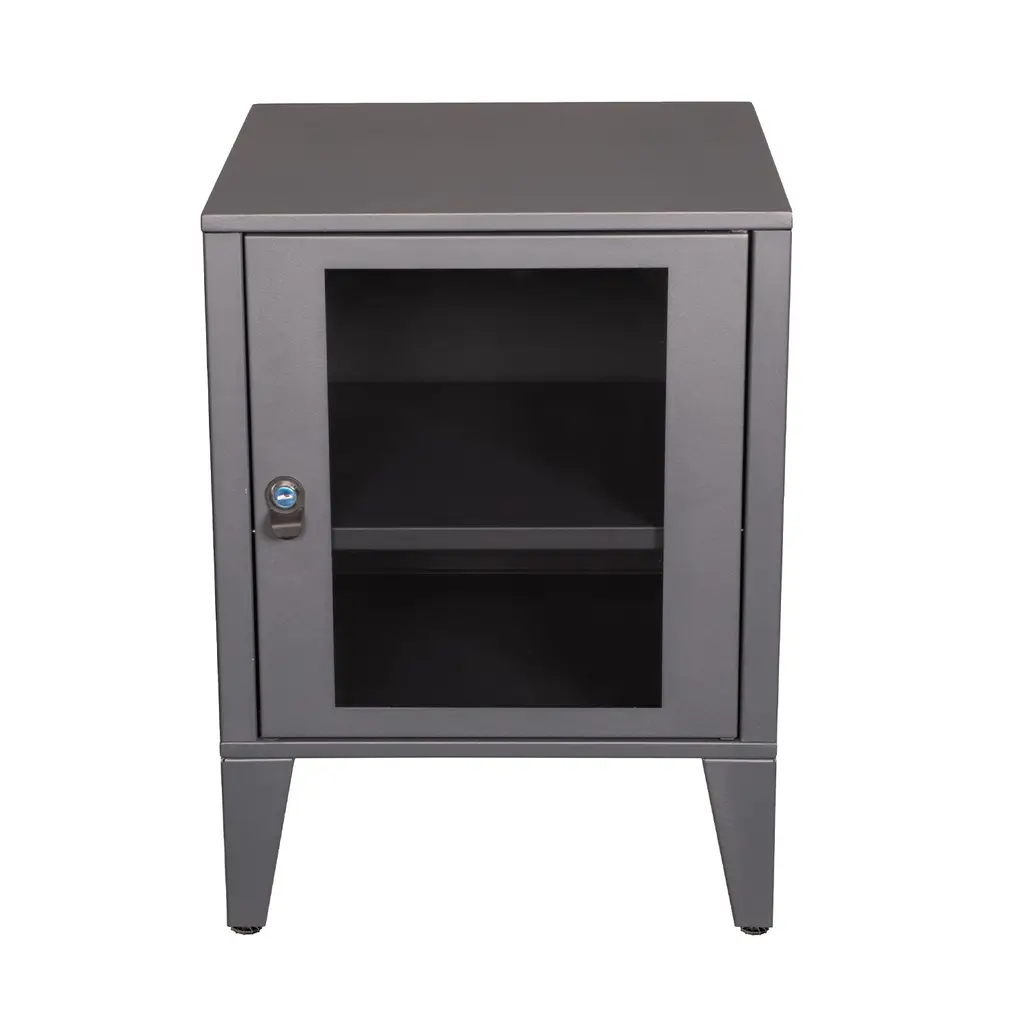
Alfahome Ziglat 655 Series Glass Door Small Size Lockable Metal Cabinet
Alfahome Ziglat 655 Series Perforated Door Small Size Lockable Metal Cabinet
Alfahome Ziglat 1110 Series Metal Door Medium Size Lockable Office Cabinet




Alfafonet Complete Connectivity Solutions © 2026 All Rights Reserved.


0
)