×

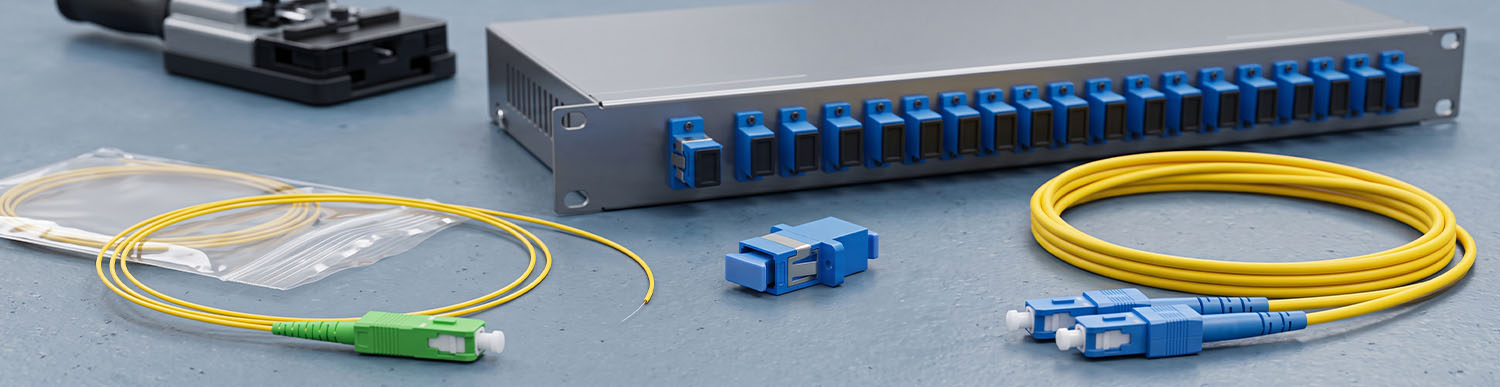
Patch panels, pigtails, patch cords and adapters each serve different purposes in fibre optic network connections. While a fibre optic patch panel organises connection points, a fibre optic pigtail is used for cable termination, a fibre optic patch cord connects equipment, and a fibre optic adapter aligns and mates connectors. In this guide, we explore the functions of these four components, the differences between them and the technical specifications to consider when choosing the right products.
Estimated Reading Time: 7 minutes
In fibre optic networks, transmitting data through light signals is just as important as establishing and organising connection points correctly. Various fibre optic components are used to terminate cables, connect different pieces of equipment and manage connection points.
Fibre optic patch panels, pigtails, patch cords and adapters are among the components commonly used for these purposes. Each serves a different function and contributes to establishing a properly configured connection infrastructure.
The main functions of these components can be summarised as follows:
Fibre optic patch panel: A structure where fibre connections are terminated and managed in an organised manner.
Fibre optic pigtail: A fibre connection product with a connector at one end, used to connect a fibre cable to a termination point.
Fibre optic patch cord: A fibre cable, usually fitted with connectors at both ends, used to establish ready-made connections between two connection points or pieces of equipment.
Fibre optic adapter: A component that aligns and mates compatible fibre optic connectors.
These products can be used together in a suitable fibre infrastructure. However, when selecting them, it is important to consider connection point specifications, fibre type and connector compatibility.
These four components are not interchangeable. A patch panel organises connections, a pigtail facilitates termination, a patch cord connects two compatible ports, and an adapter aligns compatible connectors. Understanding which component fulfils each function helps inform purchasing decisions.
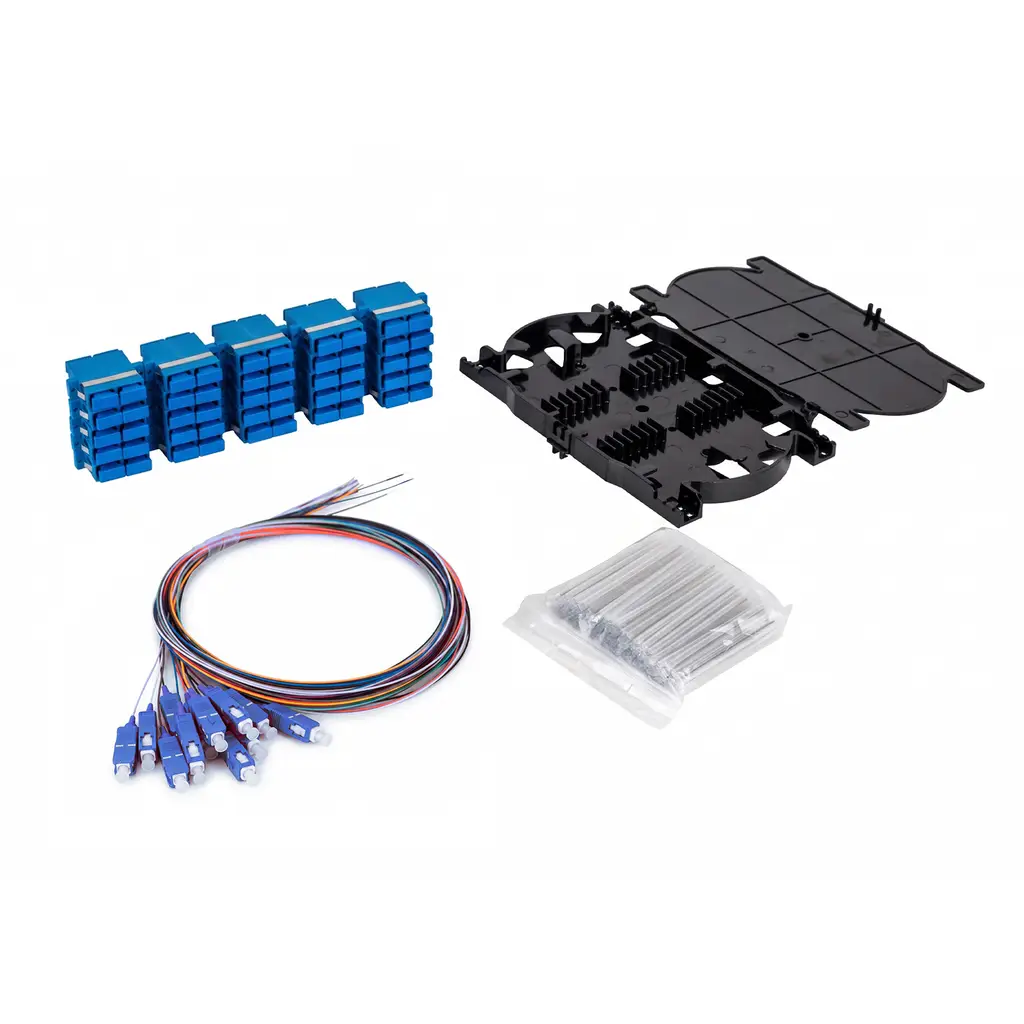
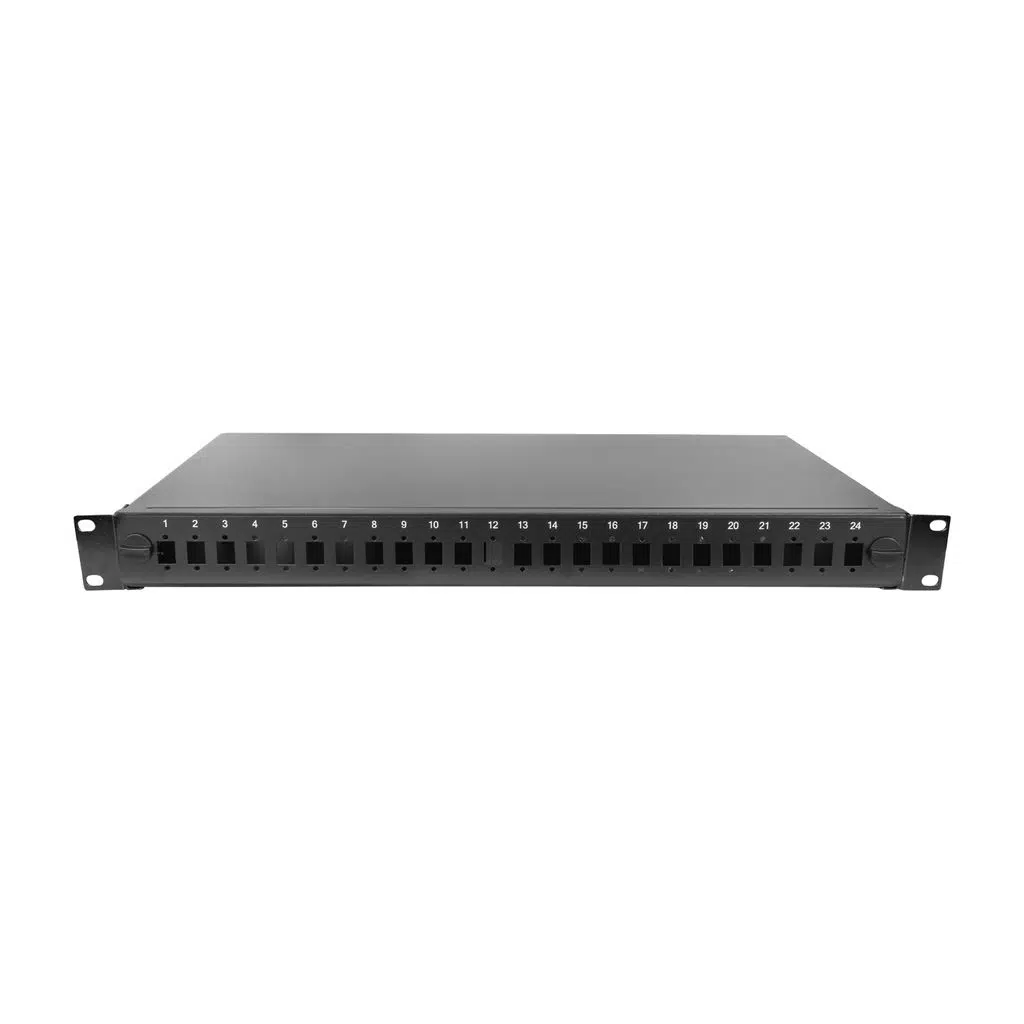
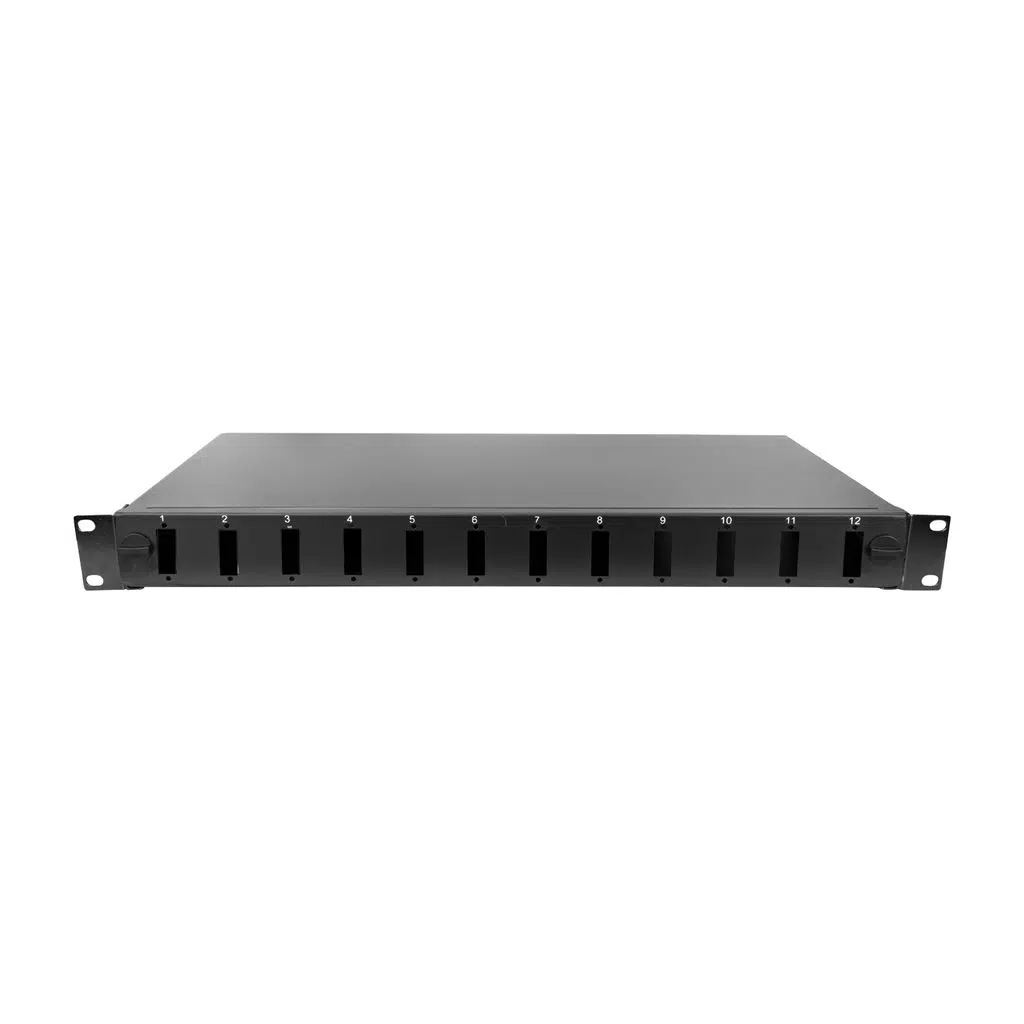
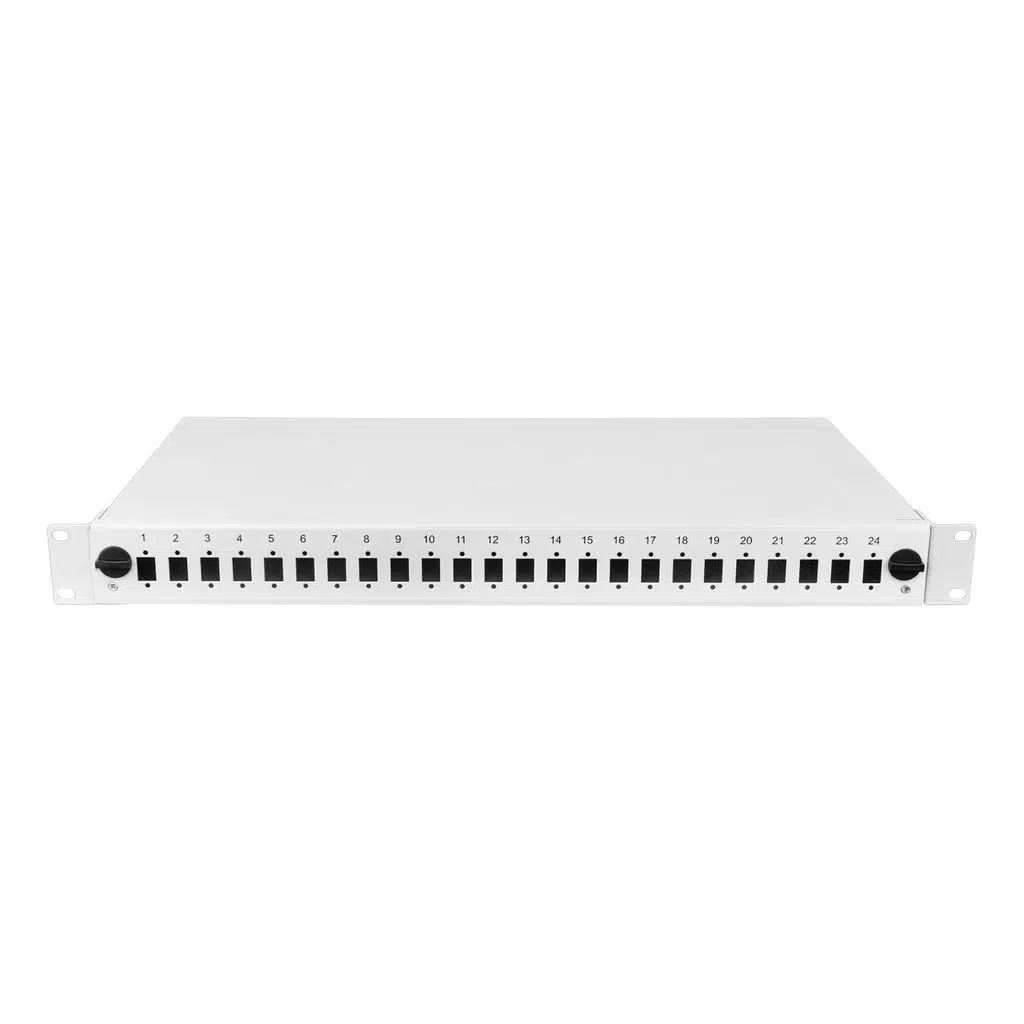
A fibre optic patch panel is equipment used to terminate fibre optic cables and manage connection points in an organised manner. It helps prevent cables from becoming tangled and makes individual connection points easier to access.
Patch panels can be used in data centres, telecommunications infrastructure, network cabinets and enterprise networking systems. Their capacity, mounting method and supported adapter types should be selected according to the application's requirements.
When selecting a fibre optic patch panel, consider the following specifications:
Port capacity: The number of connection points should meet both current and anticipated fibre connectivity requirements.
Mounting type: Choose a suitable model, such as a rack-mounted or wall-mounted panel, according to the installation space and requirements.
Adapter compatibility: The panel must support the relevant connector and adapter types, such as SC or LC, that will be used.
Cable management: Choose a design that allows fibres to be routed neatly and makes connections easier to access and maintain.
Explore ALFAFONET's fibre optic patch panel models to compare options for different capacities and mounting requirements.
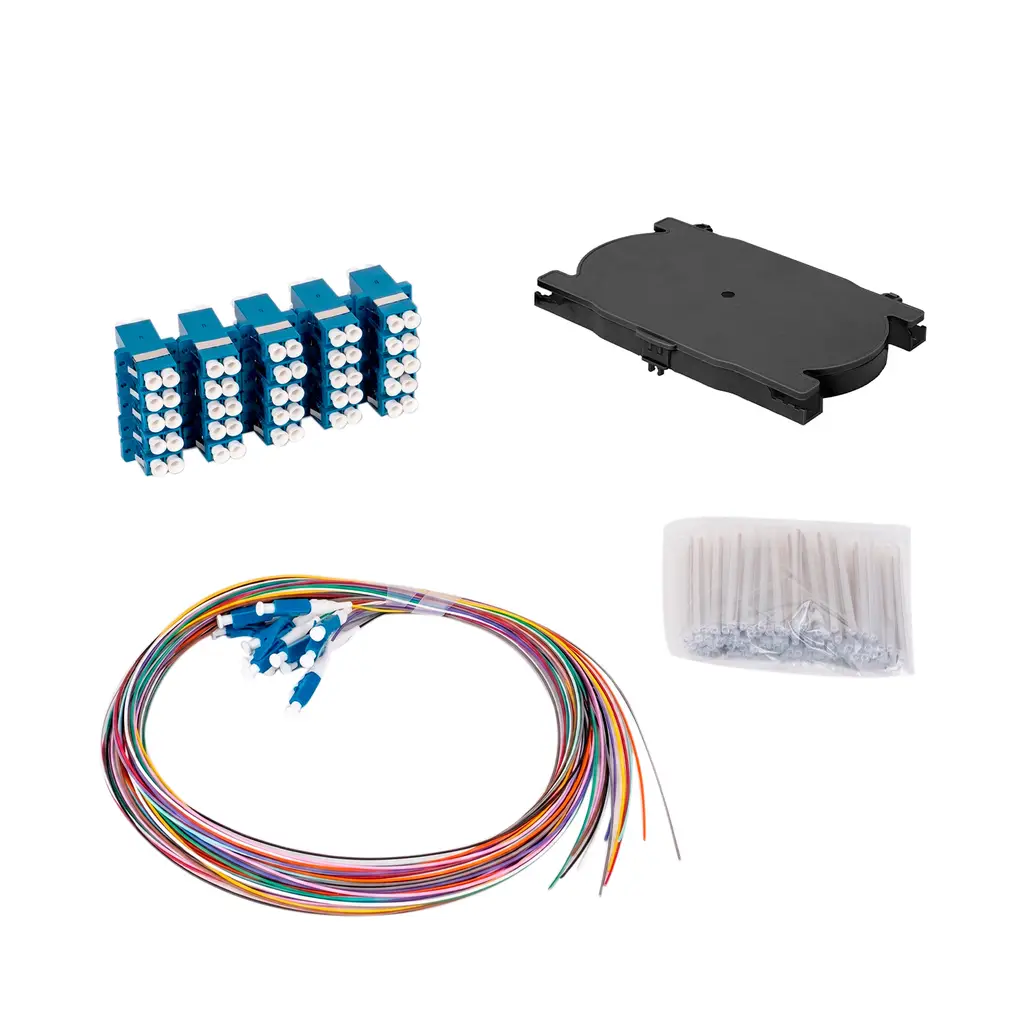
A fibre optic pigtail is a connection product with a fibre optic connector at one end, while the other end can be used for fibre termination or splicing. It helps connect a fibre cable to termination equipment and establish a connection point.
Pigtails are commonly used in ODF systems, fibre optic patch panels and termination boxes. Depending on the application, the connectorised end of the pigtail can be connected to a compatible adapter in the panel, while the other end is typically joined to the main fibre cable using fusion splicing.
Several technical specifications are important when selecting a pigtail:
Singlemode and multimode: The pigtail must be compatible with the existing fibre infrastructure.
Connector type: Different connector options, such as SC and LC, should be selected according to the equipment being connected.
Polish type: Connector specifications such as UPC, APC or PC must be compatible with the existing connection system.
Fibre construction: Options such as tight-buffered and loose-buffered designs should be assessed according to the product's construction and intended application.
Length: The pigtail must provide sufficient working length for the termination process and installation conditions.
When choosing between singlemode and multimode pigtails, it is important to consider the fibre's technical specifications as well as the connector type.
Explore the ALFAFONET fibre optic pigtail range to compare different connector and fibre type options.
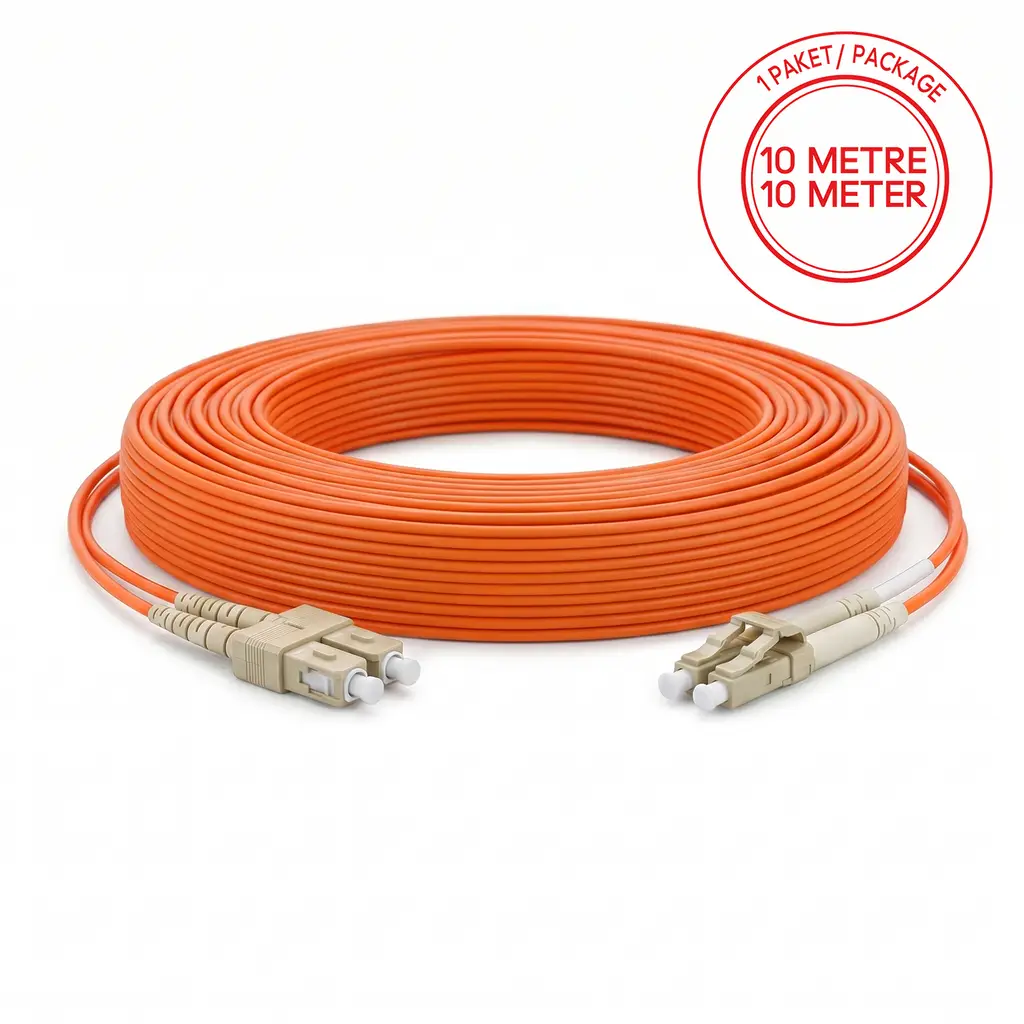
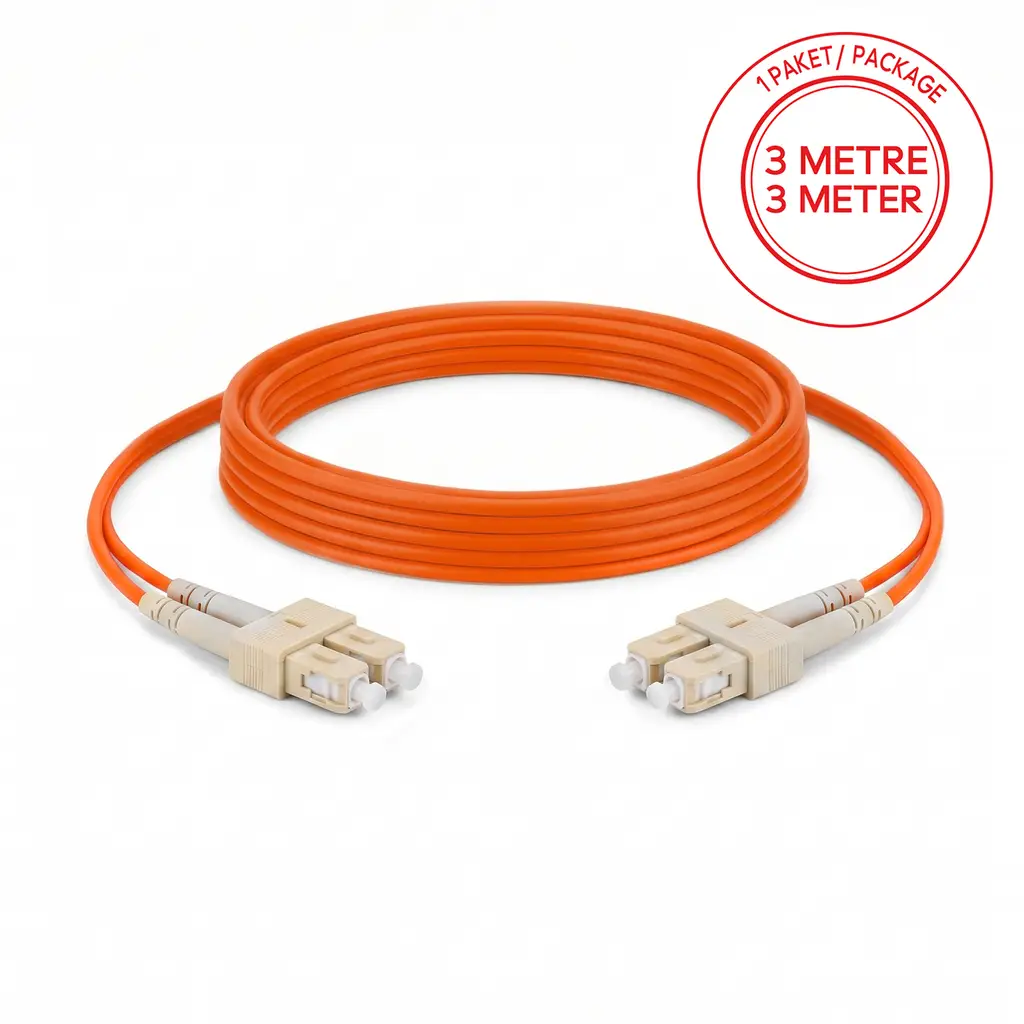
A fibre optic patch cord is a cable fitted with connectors at both ends, used to establish ready-made connections between fibre optic devices. It is commonly used to connect patch panels, ODFs, switches and other compatible fibre optic equipment.
Unlike a pigtail, a patch cord typically has connectors at both ends and is ready to establish a direct connection. It is therefore preferred in applications where an intermediate connection is required between two connection points.
In simple terms, one end of a pigtail is usually left unterminated for splicing, whereas a patch cord can connect compatible ports directly using its two connectorised ends. This distinction separates termination requirements from interconnection requirements.
Consider the following criteria when selecting the right fibre optic patch cord:
Fibre type: The product must be suitable for a singlemode or multimode infrastructure.
Connector combination: The connector type at each end must match the interfaces of the equipment being connected.
Cable length: Choose a length appropriate for the distance between connection points.
Simplex or duplex configuration: The cable configuration, whether single-fibre or two-fibre, should meet the system's requirements.
Multimode grade: In multimode infrastructures, check the fibre classification, such as OM2, OM3 or OM4.
For example, when connecting a switch to a patch panel, consider the connector interfaces of both devices, the fibre type in use and the required cable length together.
Explore ALFAFONET's fibre optic patch cord products for singlemode and multimode alternatives, different connector types and various cable lengths.
A fibre optic adapter aligns compatible fibre optic connectors to establish a connection between them. It helps position the fibre ends correctly for mating and is commonly installed in adapter slots in patch panels, ODFs and termination equipment.
Choosing the correct adapter is important for the physical compatibility of connection points. However, an adapter does not amplify the fibre signal on its own. Connection performance also depends on factors such as connector condition, cleanliness, alignment and the technical specifications of the components being used.
Fibre optic adapters are available in different configurations to suit various connector types and fibre infrastructures.
SC adapter: Used to mate connections with SC connectors.
LC adapter: Used for connections with LC connectors.
ST and FC adapters: Suitable for compatible infrastructures that use these connector types.
Singlemode and multimode adapters: Selected according to the characteristics of the fibre system in use.
Physical connector compatibility alone is not sufficient. Connector polish types, such as UPC and APC, must also be compatible. In particular, different polish types should not be mated indiscriminately.
Explore ALFAFONET's fibre optic adapter options for different connectivity requirements.
Although these four components can be used within the same fibre optic connection system, each serves a distinct purpose.
| Component | Main Function | Stage of Use |
|---|---|---|
| Fibre optic patch panel | Terminates and organises connections | Termination and connection management |
| Fibre optic pigtail | Connects the fibre cable to a termination point | Termination and splicing |
| Fibre optic patch cord | Establishes a ready-made connection between two connection points | Interconnection |
| Fibre optic adapter | Aligns and mates compatible connectors | Establishing a connection point |
In summary, the patch panel provides the structure for managing connections, the pigtail provides a termination connection, the patch cord establishes a ready-made interconnection, and the adapter creates the mating point for compatible connectors.
To understand the roles of these components, consider an example of a fibre optic termination scenario.
The main fibre cable is brought to the termination point. The cable is routed into a suitable patch panel or ODF.
The pigtail connection is established. A suitable pigtail is typically joined to the main fibre cable using fusion splicing.
The connection is organised in the panel. The connectorised end of the pigtail is inserted into the panel's connection point through a compatible adapter.
An interconnection is established using a patch cord. The panel connection is linked to another panel or active device using a suitable patch cord.
The connection is checked. Fibre type, connector compatibility, end-face cleanliness and connection performance are verified.
In this example, each component serves a different function. The products required and the order of connection may vary depending on the infrastructure design and termination method.
This is an example of a fusion-spliced termination scenario. Components and installation sequences may differ for mechanical splicing, pre-terminated cables or alternative ODF designs. Before completing the connection, connector end faces should be inspected using appropriate methods and cleaned when necessary.
To select the right components for a fibre optic network, consider the entire system rather than evaluating each product in isolation.
Determine whether the existing system uses singlemode or multimode fibre. For multimode connections, the OM classification should also be checked.
Connector types such as SC, LC, ST and FC must be compatible with the equipment being connected. Polish specifications, including UPC, APC and PC, must also be considered.
Patch panel capacity should be determined according to the number of existing connections and anticipated future requirements.
The panel must be suitable for the required mounting arrangement, whether rack-mounted, wall-mounted or another configuration. Neatly routing fibre cables makes maintenance and access easier.
Dirt or damage on fibre optic connector end faces can adversely affect connection performance. Appropriate cleaning and inspection procedures should be followed during installation.
Evaluating the right combination of connectivity components is important for organised termination and compatible interconnections in fibre optic infrastructures.
ALFAFONET offers product ranges covering different connectivity requirements, including fibre optic patch panels, pigtails, patch cords and adapters. When selecting products, consider the existing fibre type, connector compatibility, panel capacity and installation conditions together.
Visit the ALFAFONET fibre optic accessories category to find suitable components and compare connection and termination solutions.
Fibre optic connectivity components include products used together for termination and interconnection. Patch panels, pigtails, patch cords and adapters are examples of components that serve different functions within this category.
A fibre optic pigtail is a fibre connection product with a connector at one end, while the other end is incorporated into a fibre termination or splicing process.
A fibre optic patch panel helps terminate and organise fibre connections and manage connection points.
A pigtail typically has a connector at one end and is used for termination or splicing applications. A patch cord usually has connectors at both ends and is used to establish ready-made connections between pieces of equipment.
Fibre optic adapters align compatible connectors correctly at a connection point, allowing them to be mated.
A patch panel is the equipment used to terminate and organise fibre connections. An adapter allows compatible connectors to be mated at the panel's connection points.
The required products depend on the infrastructure design. A termination application may use a patch panel, pigtail and adapter, while a patch cord may be required to establish a ready-made connection between devices. Fibre type and connector compatibility are key factors when selecting the appropriate products.
21.10.2026



Alfafonet Complete Connectivity Solutions © 2026 All Rights Reserved.


0
)