×

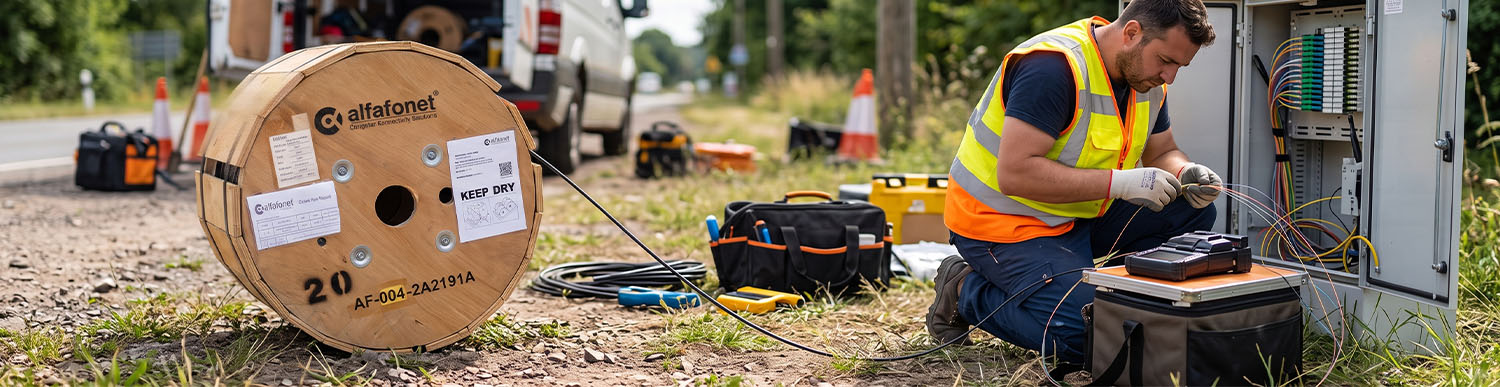
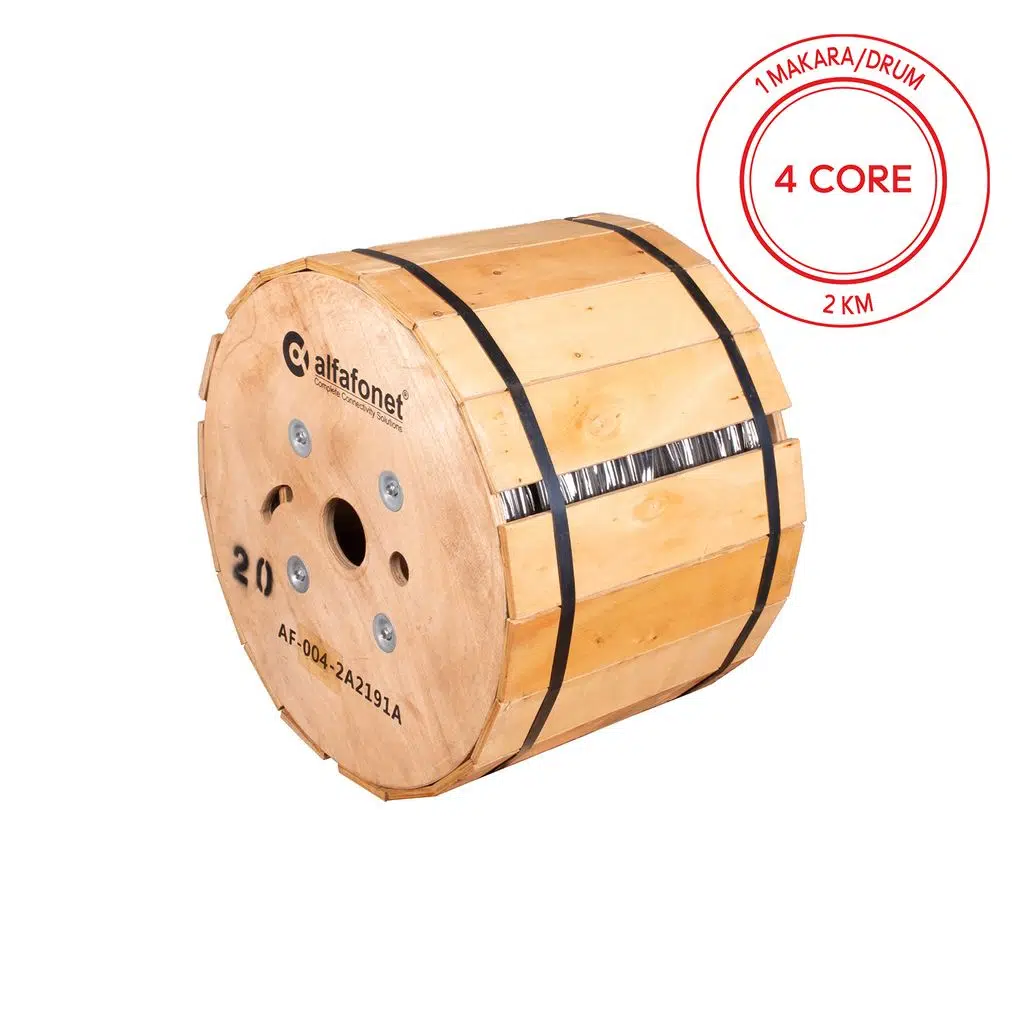
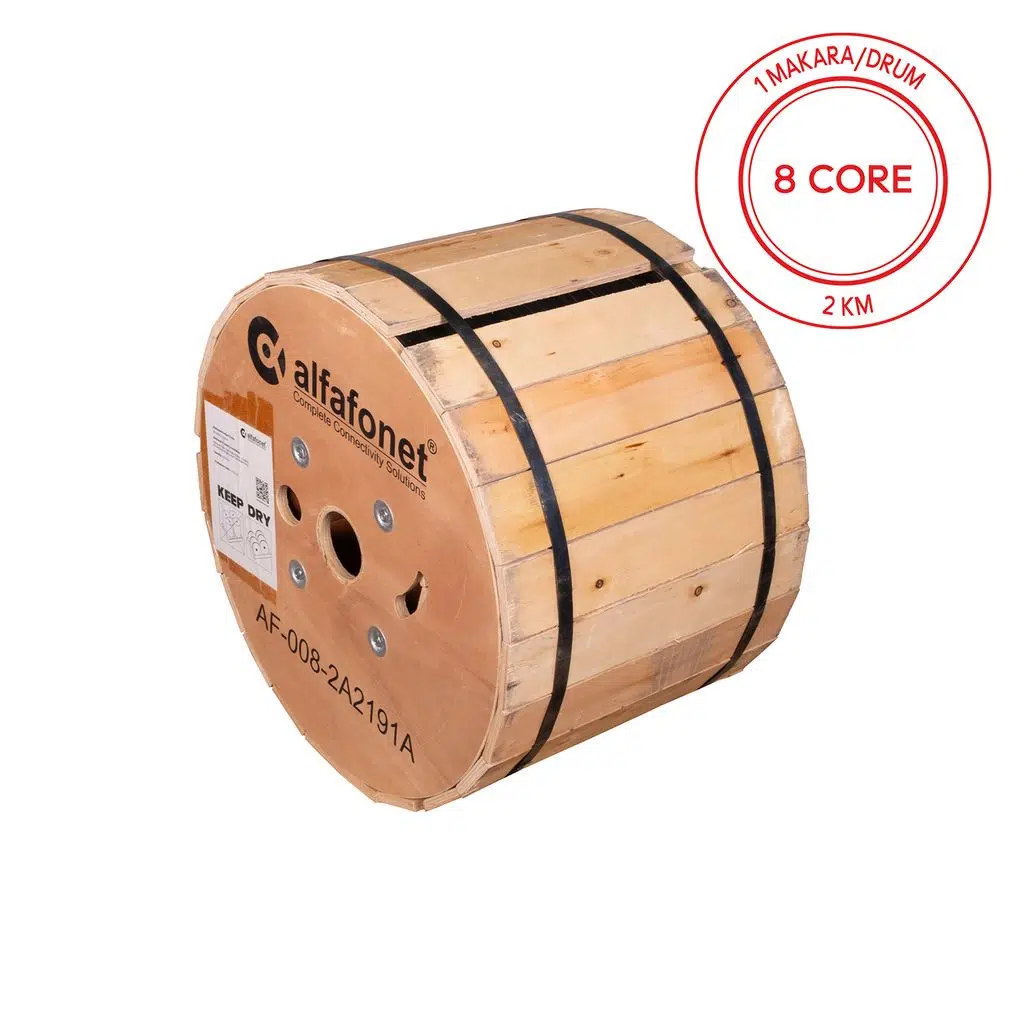
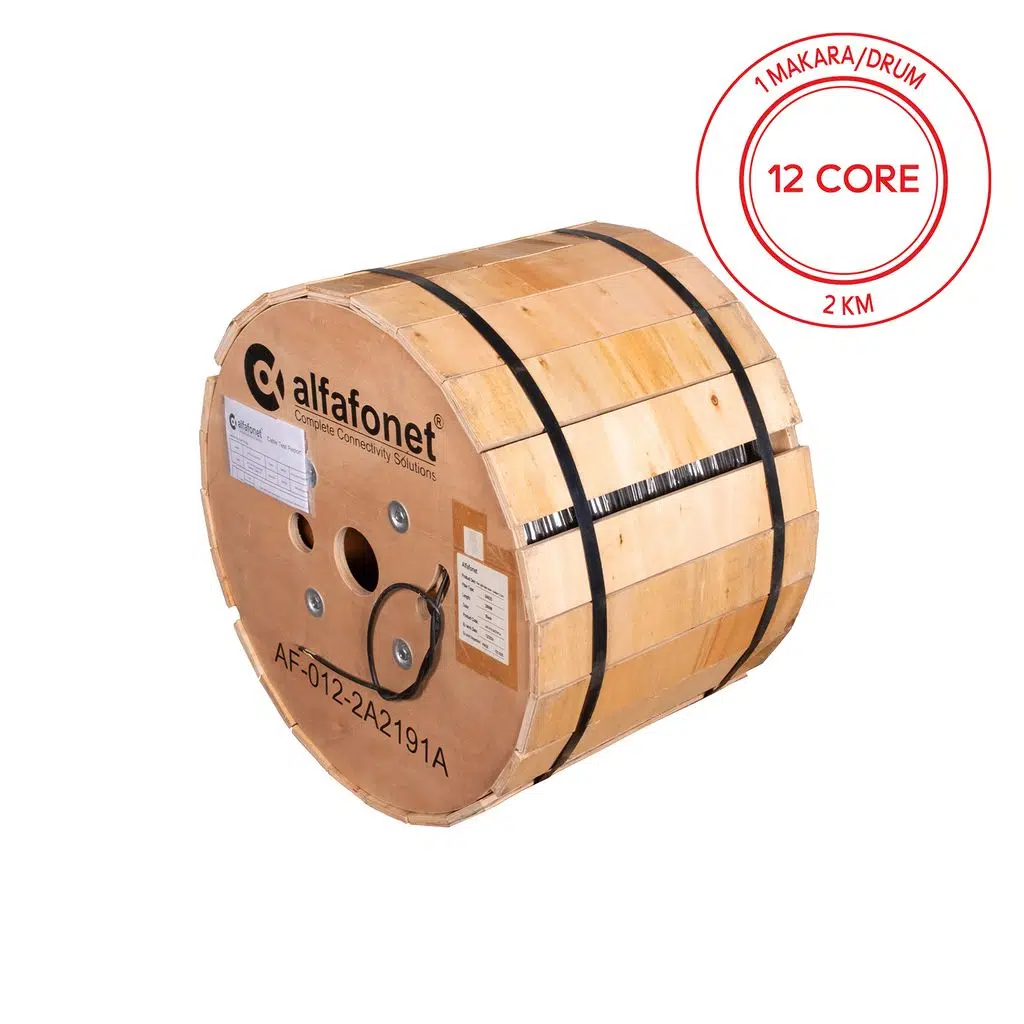
Fibre optic cable is a high-speed communication cable that enables data to be transmitted using light signals instead of electrical signals. It is used across a wide range of infrastructures, particularly internet, telecommunications, data centres and corporate networks. In this guide, you can find answers to the questions what is fibre optic cable, how does it work, what types are available and how should you choose one? Discover the differences between Singlemode and Multimode fibre, the basic structure of fibre optic cables, their advantages and the key factors to consider when selecting the right fibre optic cable.
Estimated Reading Time: 8 minutes
As the need for high-speed and reliable connections continues to increase across internet, telecommunications and data communication infrastructures, the use of fibre optic technologies is becoming increasingly widespread. One of the key components of this infrastructure, fibre optic cable is a communication cable that enables data to be transmitted using light rather than electrical signals.
So, what is fibre optic cable, how does it work and where is it used?
Understanding how fibre optic cables work, their basic structure, types and applications is important for establishing the right fibre infrastructure.
Fibre optic cable is a type of cable that transmits data using light signals and is primarily made up of glass or plastic fibres.
The fibres inside the cable allow light signals to be transmitted in a controlled manner from one point to another. This technology enables large amounts of data to be transmitted over long distances with low signal loss.
Fibre optic cables are particularly used in communication infrastructures where high bandwidth and fast data transmission are required.
Today, fibre optic cables are used in many different areas, from internet service provider infrastructures and data centres to telecommunications systems and corporate networks.
The basic answer to the questionhow does fibre optic cable work? Is that data is converted into light signals and transmitted through the fibre.
The process generally works as follows:
The data to be transmitted may initially be in the form of an electrical signal.
An optical transmitter converts this signal into a light signal.
The light signal travels through the fibre core.
The structure of the fibre allows the light to travel along the cable.
At the other end of the cable, an optical receiver converts the light signal back into electrical data.
This allows information to be transmitted at high speed through the fibre.
At the centre of a fibre optic cable is the core. The core is surrounded by the cladding.
The difference in optical properties between the core and cladding helps guide the light within the fibre.
This structure is one of the fundamental elements that allows the light signal to travel along the fibre.
A fibre optic cable does not consist of fibre alone. Its structure may include various protective layers.
The main components can be described as follows:
The central section through which the light signal is transmitted.
Located around the core, it helps guide the light within the fibre.
Various layers may be used to provide physical protection for the fibre.
Helps protect the cable against external environmental conditions and physical impact.
The structure of a cable may vary depending on its intended application and design.
The basic answer to the question what is fibre optic cable used for? is that it enables large amounts of data to be transferred quickly and reliably from one point to another.
Fibre optic cables can be used for:
High-speed internet connections
Telecommunications infrastructures
Data centres
Corporate networks
Campus networks
Security and communication systems
Long-distance data communication
The application depends on the structure of the cable and the requirements of the infrastructure.
Fibre optic cables can be classified according to different characteristics. One of the most fundamental distinctions is between Singlemode and Multimode fibre structures.
Singlemode fibres are designed to allow light to travel through a single mode.
They are widely preferred for long-distance communication and infrastructures requiring high performance.
Telecommunications infrastructures and long-distance data communication are among the key applications of Singlemode fibres.
In Multimode fibres, light can travel through multiple modes.
They are generally used in shorter-distance communication infrastructures, building networks and data centres.
When choosing between Singlemode and Multimode, not only the distance but also the network infrastructure and equipment compatibility should be considered.
Fibre optic cables can be divided into different fibre types according to transmission distance, data capacity and infrastructure requirements. The two most common fibre structures are Singlemode (SMF) and Multimode (MMF) fibres.
Singlemode fibres are particularly suited to longer-distance and high-capacity communication requirements, while Multimode fibres may be preferred for shorter-distance network connections.
| Feature | Singlemode Fibre (SMF) | Multimode Fibre (MMF) |
|---|---|---|
| Fibre core diameter | 9 µm | 50 / 62.5 µm |
| Light transmission | Single mode / single light path | Multiple modes / multiple light paths |
| Transmission distance | From tens of kilometres to hundreds of kilometres | Up to a few kilometres |
| Bandwidth | Higher | Lower |
| Signal attenuation | Lower | May be higher |
| Dispersion | Lower | Higher |
| Cost | Higher | Lower |
| Installation | May require more precise installation | May be easier to install |
| Wavelengths | 1310 nm, 1550 nm | 850 nm, 1300 nm |
| Typical applications | Telecommunications, metro and core networks, long-distance connections, DWDM applications | Data centres, LAN networks, short-distance systems, corporate networks |
Singlemode fibre has a 9 µm core diameter and transmits light through a single mode. Thanks to its low signal loss and high bandwidth, it is preferred for long-distance connections.
Multimode fibre has a 50 or 62.5 µm core diameter and transmits light through multiple modes. It is generally used in short-distance networks, data centres and corporate infrastructures.
Singlemode may be preferred for long distances and high capacity, while Multimode can offer advantages for shorter distances and cost efficiency. Distance, bandwidth and compatibility with the equipment being used should all be considered when making a selection.
Various technical advantages contribute to the widespread use of fibre optic technology.
Fibre infrastructures can enable large amounts of data to be transmitted at high speed.
When the appropriate fibre type and infrastructure are used, data can be transmitted over long distances.
Because data is transmitted using light, fibre does not experience the electromagnetic interference issues associated with electrical conductors.
Fibre optic cables can be lighter than some copper cable solutions, depending on their construction.
Properly designed and installed fibre infrastructures can provide high-performance and reliable data communication.
Fibre optic cable is used today across communication infrastructures of different scales.
It is a key component of high-speed data communication in fibre internet connections.
It can be used in the infrastructure supporting telephone, internet and other communication services.
Fibre connections can be used to provide high-capacity data communication between servers and network equipment.
Fibre optic connections can be used in the network infrastructures of large buildings, campuses and businesses.
Fibre technology can also be used in certain security and specialised communication applications.
Fibre optic cable selection should not be based solely on cable length.
The requirements of the infrastructure should first be assessed to determine the most suitable product.
The choice between Singlemode and Multimode should be appropriate for the intended application.
The number of fibres can be determined according to the required connection capacity.
Whether the cable will be used indoors or outdoors may influence the selection of the appropriate cable construction.
The transmission distance should be considered when selecting the fibre type and optical equipment.
The cable must be compatible with the patch panel, adapters, transceivers and other optical equipment with which it will be used.
For this reason, the entire infrastructure should be considered when selecting fibre.
The growth of internet traffic, cloud services, data centres and corporate networks is increasing the need for high-capacity communication infrastructures.
Thanks to its high data capacity and long-distance communication advantages, fibre optic technology has become an important component of these infrastructures.
Establishing the right fibre infrastructure is particularly important for network performance in projects requiring high-speed internet and data communication.
Fibre optic cable is a high-capacity communication cable that transmits data using light signals.
It is primarily made from glass or plastic fibres and operates together with suitable optical equipment. Different fibre types, such as Singlemode and Multimode, are available, and different cable constructions can be selected according to the intended application.
With a wide range of applications, from internet and telecommunications infrastructures to data centres, fibre optic cables are one of the fundamental technologies supporting high-speed data communication.
To explore fibre optic cable options suitable for your requirements, visit ALFAFONET's Fibre Optic Cables category.
07.10.2026



Alfafonet Complete Connectivity Solutions © 2026 All Rights Reserved.


0
)