×

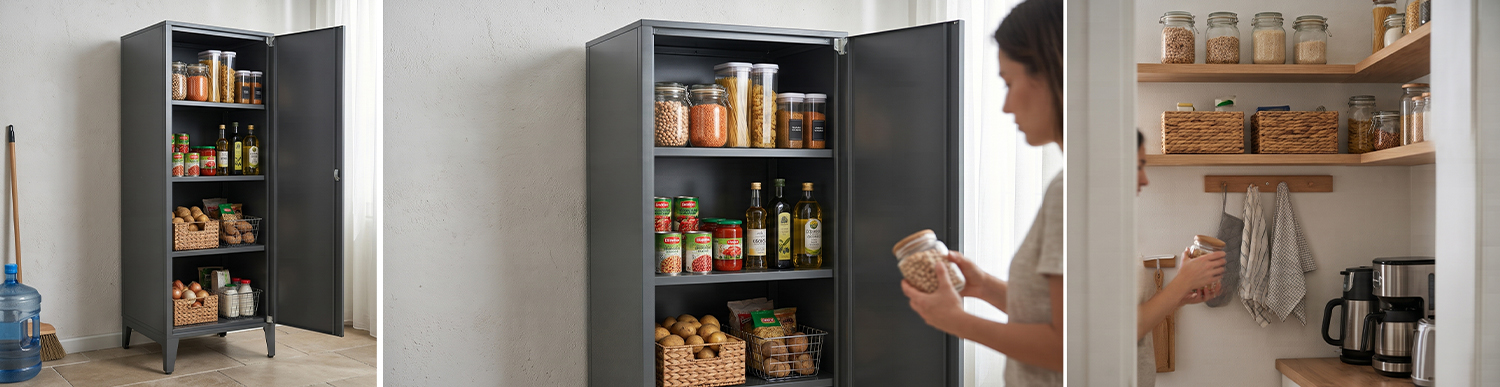
A pantry cupboard helps keep food products, kitchen utensils and everyday essentials neatly organised in kitchens and other storage areas. When choosing the right pantry cupboard, dimensions, storage capacity, shelf layout, material, door design and intended location should all be considered. This guide covers the key factors to consider when choosing a pantry cupboard, along with practical tips to help you make better use of your available space.
Estimated Reading Time: 6 minutes
A pantry cupboard is a storage unit used to organise food products, kitchen utensils and everyday essentials in the kitchen or a separate pantry area. It helps create dedicated spaces for packaged foods, jars, kitchen equipment and spare household supplies.
In homes where kitchen cupboards do not provide enough storage, using a kitchen pantry cupboard can help make better use of the available space. Grouping items into categories makes it easier to find what you need and keep track of stock.
Choosing a pantry cupboard should involve more than considering its appearance. The space where the cupboard will be placed, the types of items to be stored, shelf capacity and cleaning requirements are also important factors in the decision-making process.
To choose a pantry cupboard that meets your needs, start by assessing your storage habits and the available space. As storage requirements vary from one kitchen to another, the cupboard's dimensions and internal layout should be selected according to its intended use.
The first step when choosing a pantry cupboard is to measure the space where it will be placed. The cupboard's width, height and depth affect both its storage capacity and the amount of room available for movement in the kitchen.
In smaller kitchens, models that take up less floor space and make use of vertical storage can be advantageous. In larger kitchens or separate pantry rooms, cupboards with greater storage capacity may be more suitable.
When taking measurements, consider not only the space occupied by the cupboard but also the clearance required to open its doors and the distance between it and nearby worktops, tables or other furniture.
The capacity of a pantry cupboard should be suitable for the quantity and size of the items you intend to store. People who shop frequently, buy products in bulk or live in larger households may need more storage space.
Grouping the items you plan to keep in your pantry cupboard beforehand can make choosing the right model easier. For example:
Packaged foods and dried pulses
Jars and tinned foods
Breakfast items and snacks
Kitchen utensils
Cleaning products and spare household supplies
If you plan to store food and cleaning products in the same cupboard, they should be kept in separate, safe and suitable sections. Products that could pose a contamination risk should not be placed carelessly next to food.
The internal layout of a pantry cupboard is one of the key factors determining how efficiently its storage space can be used. Choosing shelf spacing that suits the size of the items you intend to store can help maximise usable capacity.
Smaller packets and jars may only require narrower shelf gaps, whereas larger containers and kitchen equipment may need more spacious sections.
When assessing the shelf layout, consider the following:
Whether frequently used items are easy to reach
Whether large and heavy items can be placed on suitable shelves
Whether items can be stored without being stacked carelessly
Whether the shelves have sufficient load-bearing capacity
Whether cleaning and organising the shelves will be straightforward
Arranging shelves according to how frequently items are used can also make everyday access easier. Keep frequently used products at accessible heights and less frequently used items on suitable upper or lower shelves.
The material of a pantry cupboard should be assessed in terms of durability, cleaning and the conditions in which it will be used. The environment where the cupboard will be placed and the weight of the items it will hold should guide your choice.
Wooden and wood-based furniture can complement a variety of interior styles. Metal cupboards offer an alternative storage solution, with their metal body construction and different pantry cupboard door designs.
Those interested in metal furniture can explore ALFAHOME metal furniture models. The category includes cupboards with metal, perforated and glass doors, as well as shelving solutions for different purposes.
However, not every metal cupboard is suitable for storing food. If a product is intended for pantry use, check that it is appropriate for the relevant food-storage conditions, the humidity of the environment and the manufacturer's stated instructions.
The door design of a pantry cupboard affects both access to stored items and the overall appearance of the cupboard.
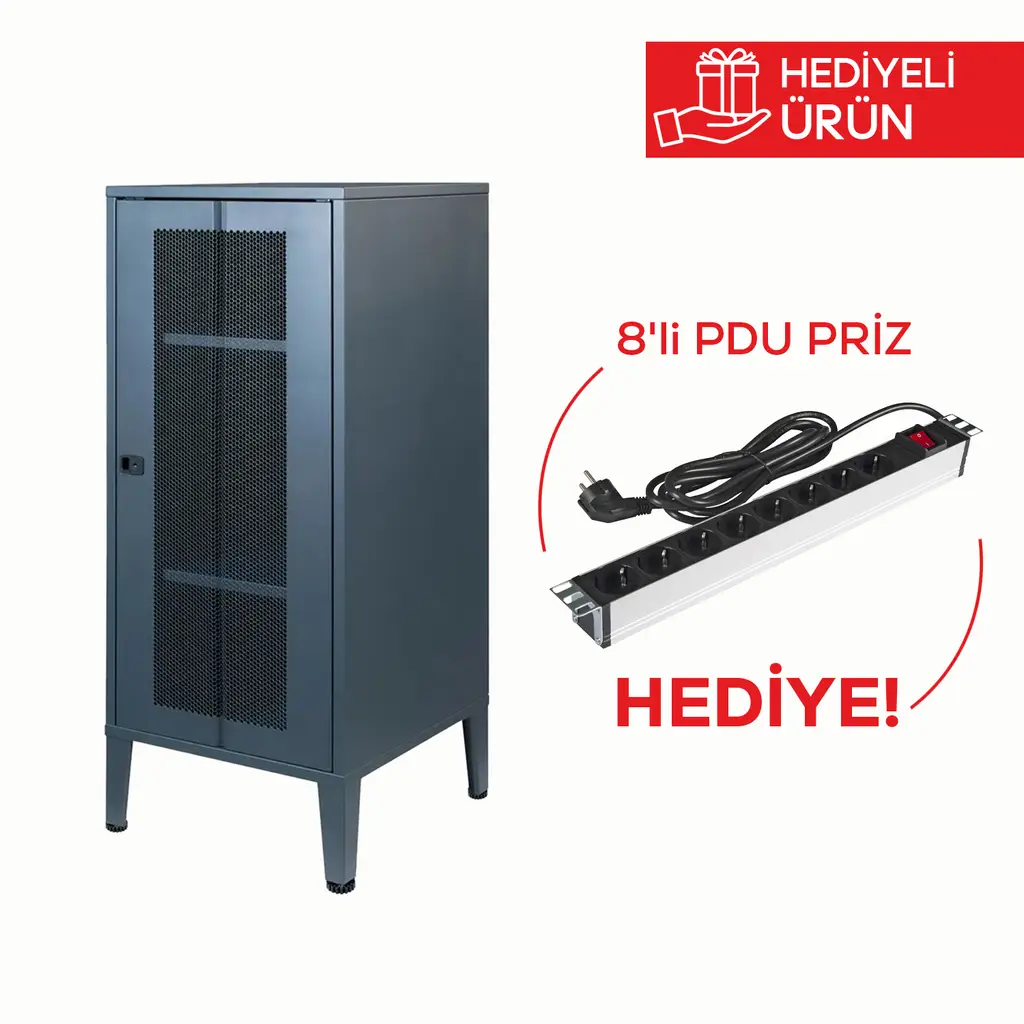
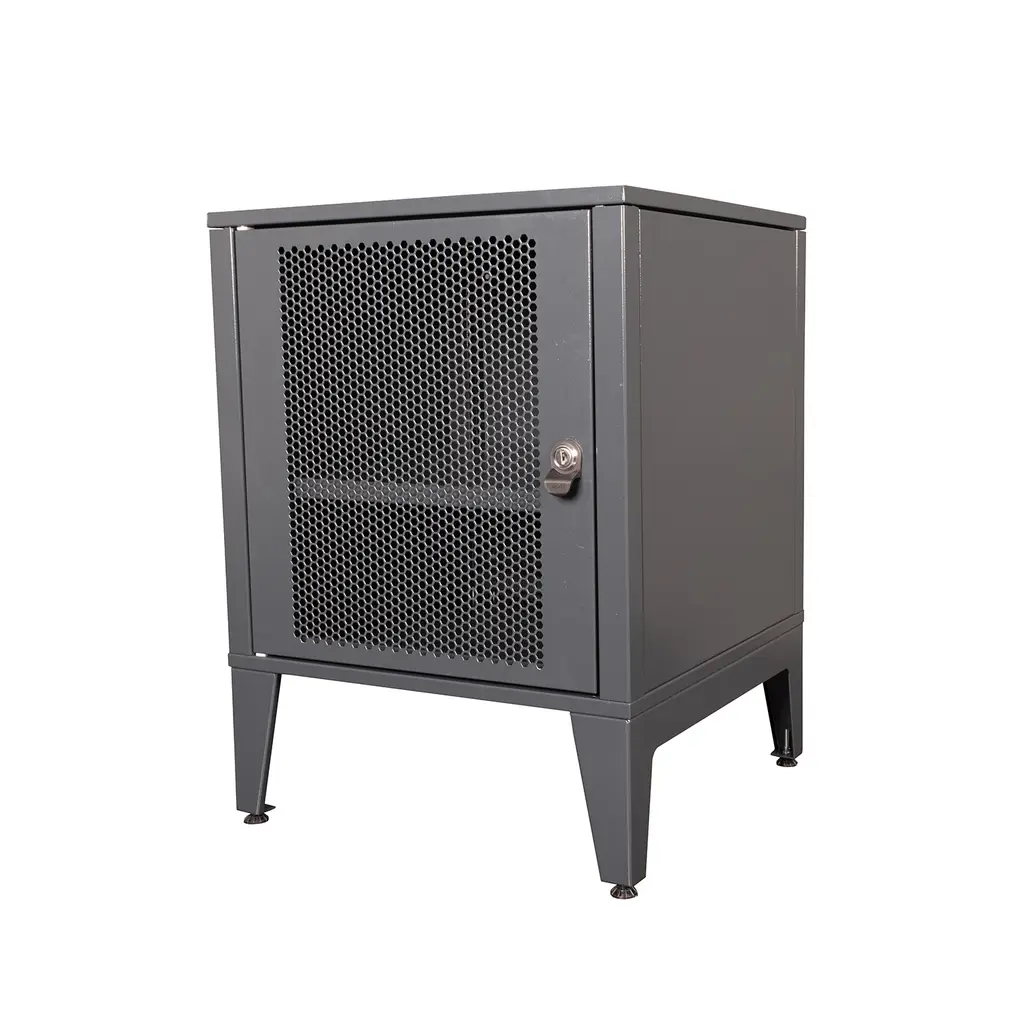
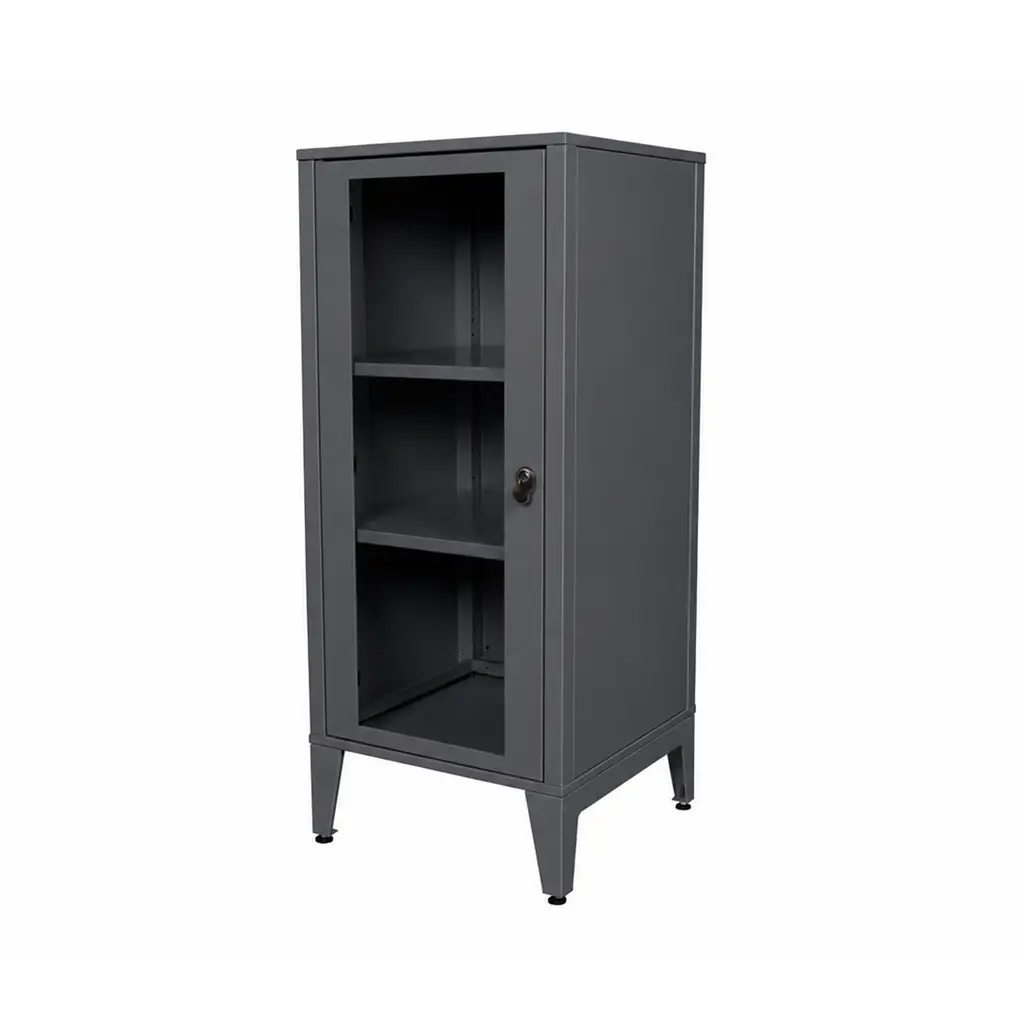
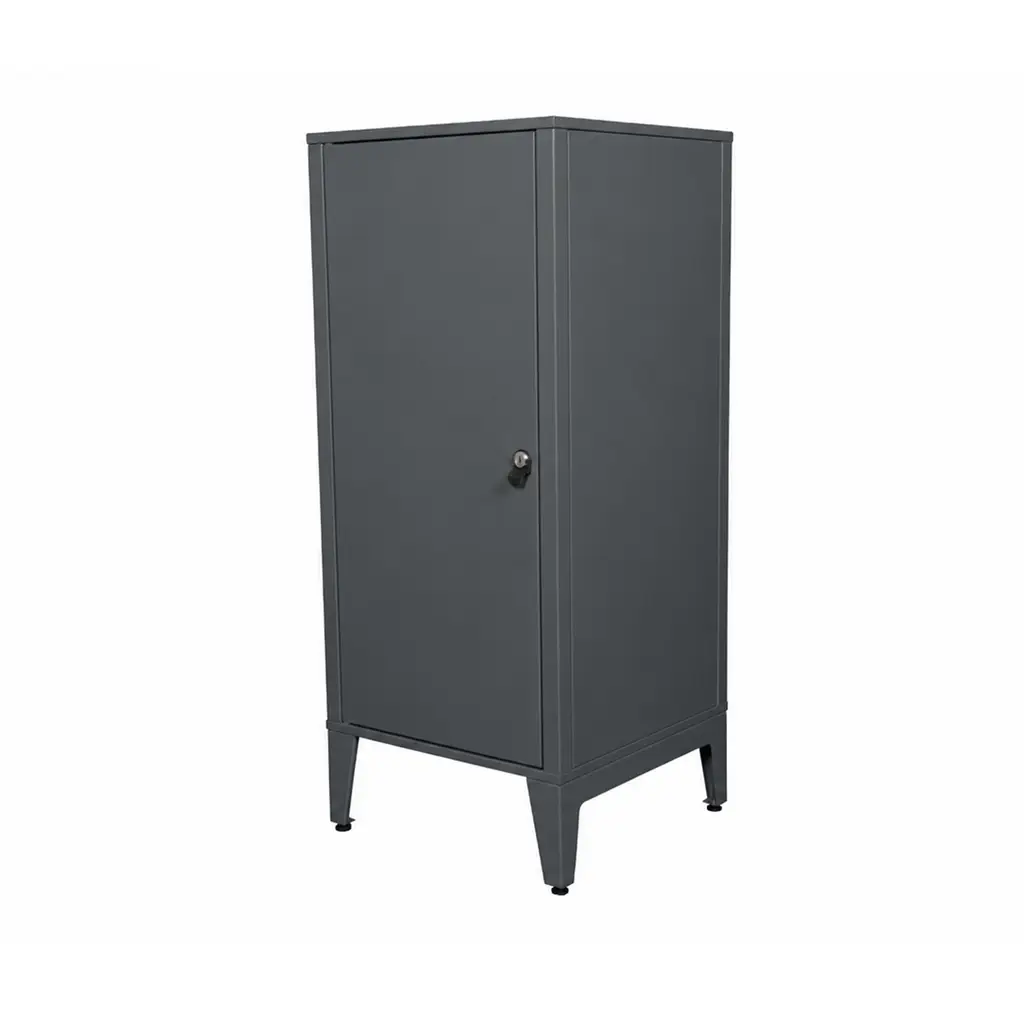
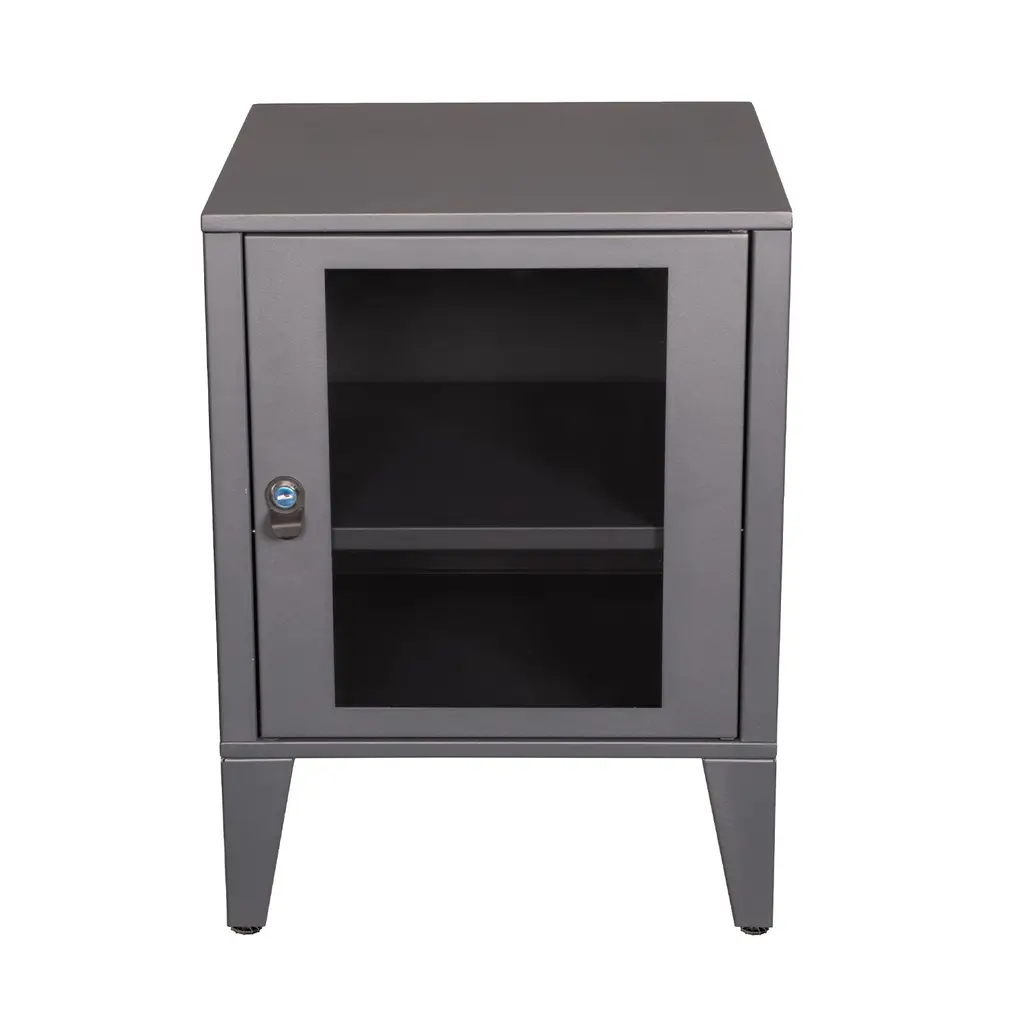
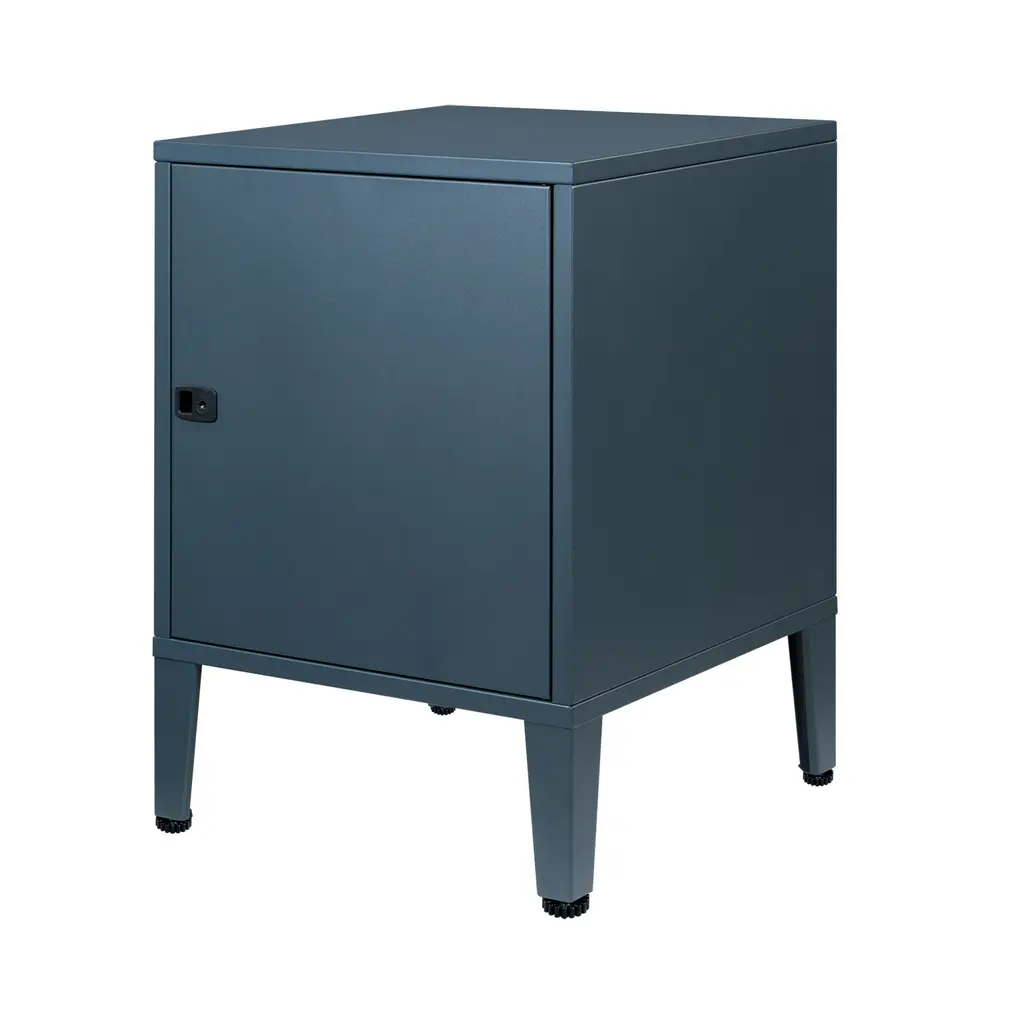
Closed cupboards may be suitable for users who prefer to keep stored items out of sight. Glass-door models can be considered where visibility of the contents is preferred. Perforated-door models offer a different design aesthetic.
When choosing a door style, consider the following:
Whether the doors open and close smoothly
Whether the design suits the available space
How easily you can access the items inside
Cleaning and maintenance requirements
Whether a locking mechanism, if included, meets your needs
When selecting a door type, consider the product's intended use as well as its appearance.
If the pantry cupboard will be used to store food, ease of cleaning should be a priority. Wipe-clean shelf surfaces, easy removal of spilled products and the ability to inspect the inside of the cupboard regularly are all important for practical use.
Keeping food in sealed packaging or suitable storage containers can help protect it. Placing products with earlier use-by dates at the front and newly purchased items towards the back can also make stock rotation easier.
It is also important to ensure that the area where the cupboard is placed is dry and has suitable ventilation. If the furniture will be used in a humid environment, its material and surface properties should be assessed carefully.
A pantry cupboard should be able to safely support the combined weight of the items stored inside it. For this reason, check the shelf load capacity, the stability of the cupboard and the manufacturer's stated usage instructions.
If you intend to store heavy jars and large packets, distribute the weight evenly across the shelves. Rather than placing heavy items on high shelves, keep them on lower, accessible shelves to reduce potential risks during use.
For tall cupboards, assess the risk of tipping and follow the manufacturer's recommended fixing instructions. Securing the cupboard in a suitable position is particularly important in homes with children.
Pantry cupboard models vary in terms of size, material, door type and internal layout. The right model should be chosen according to the dimensions of your kitchen and the characteristics of the items you intend to store.
Narrow and tall models make use of vertical storage space in kitchens where floor space is limited. They can provide shelving for small packets, jars and everyday food products.
When choosing these models, consider accessibility, shelf load capacity and the stability of the cupboard.
Wide pantry cupboards may be suitable for households that need to store larger quantities of products. Creating separate shelves for different product groups can make it easier to maintain an organised space.
However, make sure that increasing the cupboard's width does not restrict movement through the kitchen.
Models with doors may be suitable for users who want to keep stored items out of sight and maintain a tidier appearance. Before choosing one, consider the direction in which the doors open and how they will interact with other furniture in the space.
Open shelving can also be considered when planning pantry storage. Shelves may provide a complementary solution, particularly when frequently used items need to remain easily accessible.
You can explore cupboard and shelving options in the ALFAHOME metal furniture category to compare dimensions and product features for different storage requirements.
The key is to ensure that the chosen cupboard or shelving unit is suitable for kitchen use and meets the storage requirements of the items it will hold.
In smaller kitchens, it is important to increase storage capacity without compromising movement around the room. For this reason, the dimensions and positioning of a pantry cupboard should be planned together.
You can make use of the following approaches in smaller kitchens:
Measure the available wall space.
Consider models that provide vertical storage.
Keep frequently used items on easily accessible shelves.
Group similar products together to reduce wasted space.
Leave enough clearance for cupboard doors to open.
Plan the layout so that kitchen walkways and working areas remain unobstructed.
A pantry cupboard does not necessarily have to be located in the kitchen itself. A separate pantry, utility room or storage area may also be suitable, provided the conditions are appropriate. However, any area used for food storage should meet the necessary temperature, humidity and hygiene requirements.
Choosing the right pantry cupboard is only part of the process. Keeping its interior organised is equally important. A well-planned layout makes it easier to find the items you need and keep track of existing stock.
Keep dried pulses, breakfast products, snacks and tinned foods in separate sections. Storing similar items together makes it easier to find what you need and identify missing supplies.
Place everyday essentials on shelves that are easy to access. Less frequently used products can be stored on suitable upper or lower shelves.
Place newly purchased products behind existing ones so that older items are used first. Checking use-by dates regularly can help reduce unnecessary product waste.
Inspect the inside of the cupboard at regular intervals, clean up any spills and check packaging. This helps maintain organisation and monitor the condition of stored products.
Focusing only on appearance or total storage capacity when choosing a pantry cupboard can lead to practical problems during everyday use.
Some of the most common mistakes include:
Buying a cupboard without measuring the available space
Failing to assess shelf spacing according to the items being stored
Overlooking shelf load capacity
Not leaving enough room for the doors to open
Choosing materials that are unsuitable for the humidity and cleaning conditions
Placing frequently used items on hard-to-reach shelves
Failing to separate food from cleaning products appropriately
Ignoring the manufacturer's fixing and safety instructions
To avoid these mistakes, it is helpful to make a list of your requirements, measure the space and check the product's technical specifications before making a purchase.
Before buying a pantry cupboard, use the following checklist:
I have measured the space where the cupboard will be placed.
I have identified the items I intend to store and the capacity I need.
I have checked whether the shelf spacing suits my products.
I have assessed the material and surface properties according to the intended location.
I have made sure the doors can open comfortably.
I have checked the load-bearing capacity of the shelves.
I have considered cleaning, humidity and hygiene requirements.
Where necessary, I have checked the manufacturer's recommended fixing requirements.
This checklist can help you make a more informed decision when comparing different pantry cupboard models.
When choosing a pantry cupboard, consider its dimensions, storage capacity, shelf layout, material and intended location together. In kitchens with limited space, models that provide vertical storage may be particularly useful. If you need to store larger quantities of products, pay close attention to the number of shelves, internal capacity and load-bearing limits.
For cupboards used to store food, hygiene, ease of cleaning and environmental conditions are particularly important. When considering alternative storage products such as metal cupboards or shelving units, check that the product is suitable for its intended use and complies with the manufacturer's instructions.
To compare different storage solutions, explore the ALFAHOME metal furniture collection. You can assess product dimensions, door designs and usage features to find an option that suits your space.
The dimensions of the available space and the quantity of items you intend to store are the main considerations. Shelf layout, material, cleaning requirements and safety features should also be assessed.
There is no single standard size suitable for every kitchen. Its width, height and depth should be determined by the available space, the dimensions of the items to be stored and the required capacity.
Models that make use of vertical storage without taking up too much floor space can be advantageous in smaller kitchens. When choosing one, also consider door clearance and the available space for movement around the kitchen.
Metal cupboards can be an alternative for storage. However, if you intend to store food inside one, you should check whether the product is suitable for this purpose, as well as its surface properties and the manufacturer's instructions.
Grouping products by type, placing frequently used items on easily accessible shelves and checking use-by dates can help keep the cupboard organised.
Yes. Closed cupboards provide concealed storage, while open shelves can make frequently used products easier to reach. Both solutions should be suitable for the available space and the items being stored.
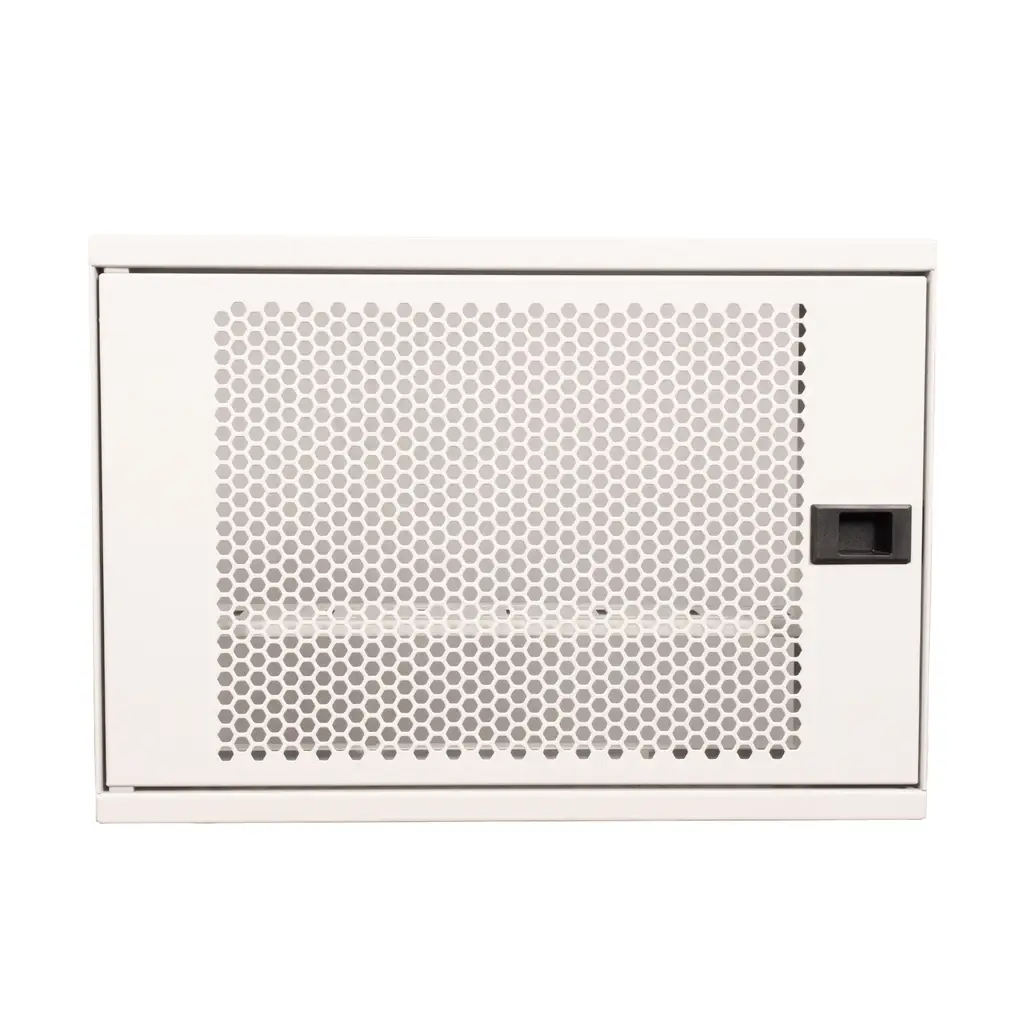
30.10.2026Alfahome Ziglat 400 Series Wifi Box and Modem Box- Lockable Metal Cabinet
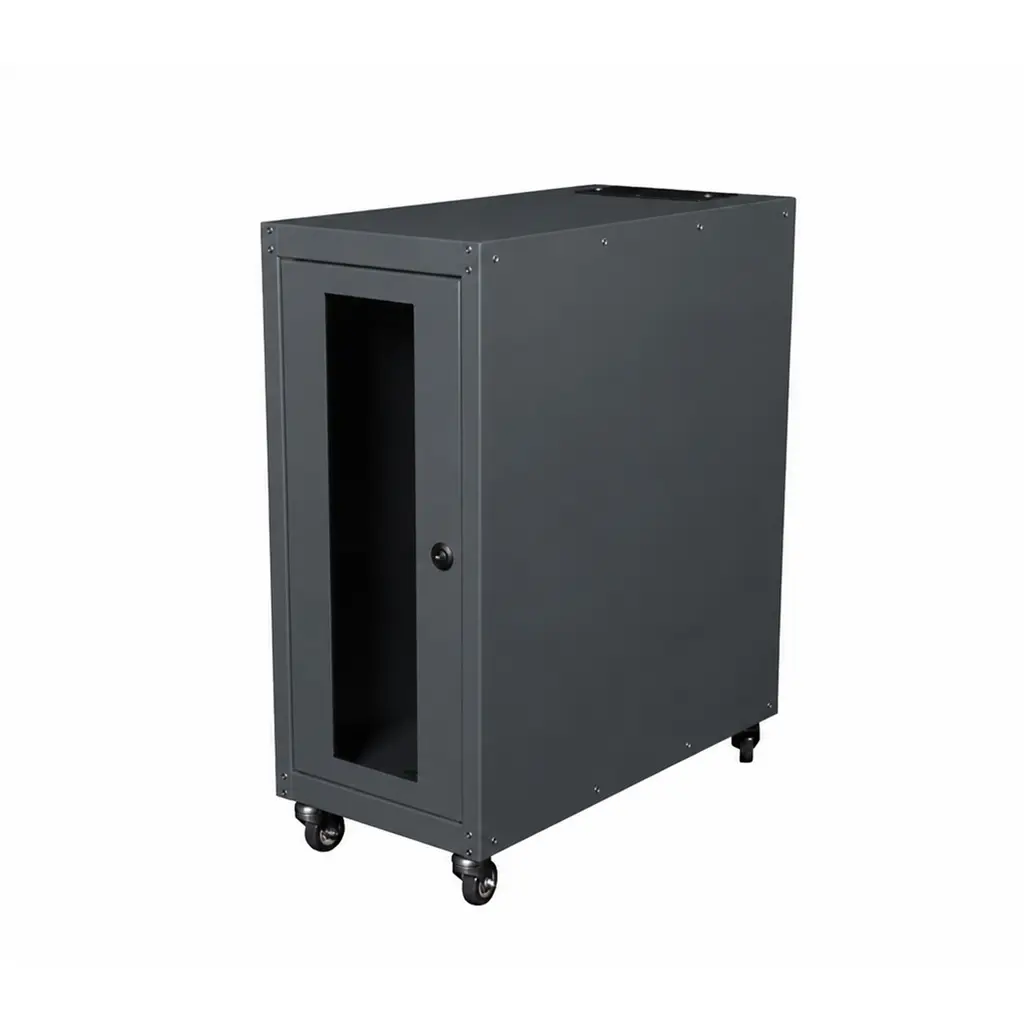
Alfahome Ziglat 600 Series IP20 Pre-assembled Glass Door Wheeled Computer Cabinet
Alfahome Ziglat 1110 Series Perforated Door Medium Size Lockable Metal Cabinet
Alfahome Ziglat 655 Series Perforated Door Small Size Lockable Metal Cabinet
Alfahome Ziglat 1110 Series Glass Door Medium Size Lockable Metal Cabinet
Alfahome Ziglat 1110 Series Metal Door Medium Size Lockable Office Cabinet
Alfahome Ziglat 655 Series Glass Door Small Size Lockable Metal Cabinet
Alfahome Ziglat 655 Series Metal Door Small Size Lockable Office Cabinet




Alfafonet Complete Connectivity Solutions © 2026 All Rights Reserved.


0
)