×

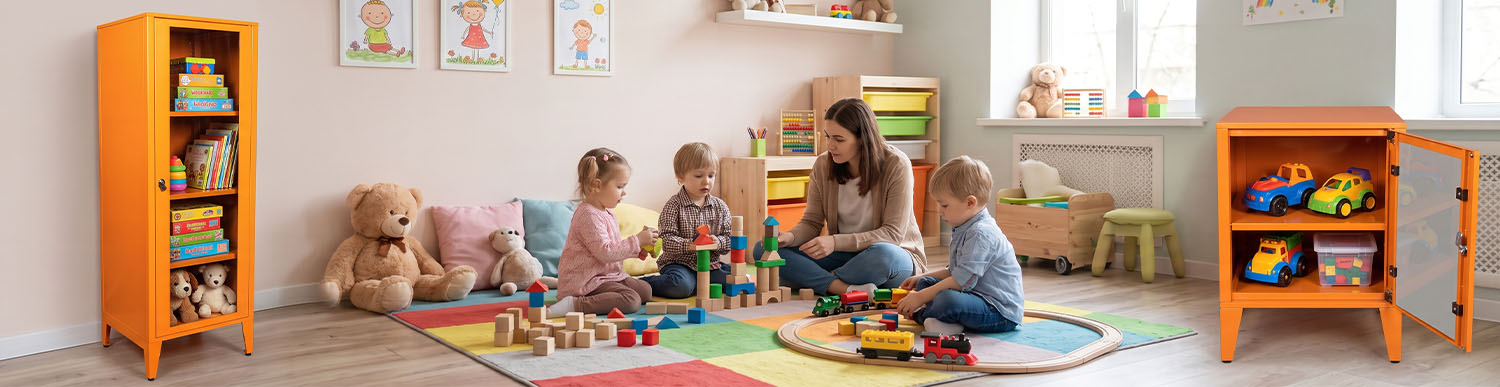
When choosing a toy storage cabinet, it is important to consider factors such as dimensions, storage capacity, material quality, safety and ease of use. By selecting a toy storage cabinet that suits your child's age and the size of the room, you can create a more organised and functional living space.
Estimated Reading Time: 5 minutes
Maintaining order in children's bedrooms, keeping toys easily accessible and making efficient use of available space all depend on choosing the right storage solution. Toys of different sizes, boxed games, books and craft materials can gradually lead to clutter in a room. A suitable toy storage cabinet can help keep these items in designated places and make the room easier to organise. If you like metal toy storage cabinets from IKEA, which are among the popular options, you may also wish to explore Alfahome's metal cabinet range.
When choosing a toy storage cabinet, it is important to consider not only its appearance but also its dimensions, storage capacity, shelf layout, material properties and your child's usage habits. So, what features should you look for when selecting a toy storage cabinet for a child's bedroom?
The main criteria to consider when choosing a toy storage cabinet include:
Dimensions suitable for the available space
Storage capacity suited to the quantity and size of the toys
Shelf and compartment layouts that meet your needs
Material quality and easy-to-clean surfaces
A design suitable for safe use by children
An appearance that complements the room's overall décor
Considering these features together makes it easier to choose a toy storage cabinet that meets your current storage needs and provides everyday convenience.
Before choosing a toy storage cabinet, measure the width, height and depth of the area where it will be placed. This is particularly important in smaller children's bedrooms, where a large cabinet may restrict play space and freedom of movement.
Consider the following points when determining the dimensions:
Width: The cabinet should fit the available wall space and the surrounding furniture.
Height: Consider whether your child can comfortably reach the toys they use every day.
Depth: The cabinet should provide enough room for larger toys and boxed games without narrowing walkways.
Placement: Choose a position that does not obstruct doors, windows or other furniture.
In smaller rooms, solutions positioned along a wall or designed to make use of vertical space may be worth considering. Larger rooms may accommodate bigger storage options that allow different groups of toys to be organised separately.
The practicality of a toy storage cabinet does not depend solely on its overall capacity. The shelves and compartments should also be suitable for the size of the items being stored.
For example, small toys, jigsaw puzzles and building blocks can be stored separately in boxes. Larger compartments may be needed for big soft toys, toy vehicles or boxed games.
The following categories can help you plan the shelf layout:
Small toys: Compartments that can accommodate separate boxes or baskets may be useful.
Large toys: Consider wider spaces that are easy to access.
Books and colouring materials: Store these separately on shelves suited to their size.
Items used less frequently: Keep these in compartments that do not need to be easily accessible to your child.
The aim is not simply to store as many items as possible, but to make toys easy to find and put away after use.
Furniture used in children's bedrooms must be safe. The cabinet should stand securely, appropriate measures should be taken to reduce the risk of tipping, and surface details should be assessed carefully.
When choosing a toy storage cabinet, check the following features:
Sharp corners and potentially hazardous edges
Stability and any wall-fixing requirements specified by the manufacturer
How doors and drawers open and close
Shelf load capacities and connection points
Surface finishes and maintenance requirements of the materials used
Tall cabinets should be secured to the wall in accordance with the manufacturer's instructions to help reduce the risk of tipping. Keeping heavy items on lower shelves and establishing rules that discourage children from climbing on the cabinet are also important safety measures.
The material used for a toy storage cabinet should be assessed in terms of durability, cleaning and long-term use. Storage solutions are available in a range of materials, including wood, MDF, plastic and metal. Each material has different care requirements and practical characteristics.
Consider the following criteria when choosing a material:
Durability: The cabinet should withstand everyday use and the weight of the items stored inside it.
Cleaning: Surfaces that are easy to clean and keep free from dust and everyday marks offer an advantage.
Surface quality: Check for rough areas, sharp edges or damaged finishes.
Maintenance requirements: The product's cleaning and care instructions should suit the intended environment.
Metal storage solutions may be worth considering for those looking for a durable structure. However, the material alone is not enough to determine suitability; the product's design, fixing requirements and manufacturer-specified conditions of use should also be assessed.
When choosing a toy storage cabinet, your child's age is just as important as the way they use their toys. Easy access to frequently used items can encourage children to take out and put away their toys independently.
For younger children, accessible shelves and clearly defined compartments may be suitable. In older children's bedrooms, separate sections can be created for books, boxed games, collections and hobby materials.
Toys containing small parts should also be stored in accordance with age-appropriate safety requirements. These items may need to be kept out of reach of younger children.
Organising the cabinet around your child's daily habits can help make tidying up a more consistent part of their routine.
When comparing toy storage cabinet designs, start by identifying the intended use. The same model will not necessarily suit every room or storage requirement.
| Cabinet feature | Suitable for |
|---|---|
| Open shelving | Quick access to toys and easy categorisation |
| Closed storage | Keeping items out of sight for a tidier appearance |
| Multiple compartments | Separating different groups of toys |
| Compact design | Making efficient use of space in smaller rooms |
| Large storage capacity | Storing numerous or larger toys |
Open shelving can keep toys visible and easy to reach. Closed designs can help create a neater appearance by keeping items out of sight. Options with multiple compartments make it easier to separate different types of belongings.
When comparing models, consider the dimensions, load capacity, safety features and conditions of use alongside the cabinet's appearance.
A toy storage cabinet should complement the overall layout of a child's bedroom. Its position should not reduce the available play space or make other furniture difficult to use.
The following methods can help you organise the room:
Position the toy storage cabinet close to the play area.
Keep frequently used toys in easily accessible compartments.
Group similar toys together in the same boxes or on the same shelves.
Use labels to identify boxes and compartments.
Regularly sort through toys that are no longer used or are no longer age-appropriate.
These methods can help prevent toys from accumulating randomly and make more efficient use of the available storage space.
Before purchasing a toy storage cabinet, review the following checklist:
I have measured the space where the cabinet will be placed.
I have identified the quantity and sizes of the toys to be stored.
I have assessed the shelf and compartment layout to ensure it meets my needs.
I have checked the material quality and cleaning requirements.
I have checked the cabinet's stability and any necessary fixing requirements.
I have considered my child's accessibility needs and safe use.
I have ensured that the cabinet will not restrict movement around the room.
I have assessed the price alongside the product's features and my storage needs.
Choosing the right toy storage cabinet is an important step towards creating an organised and practical children's bedroom. Considering dimensions, storage capacity, shelf layout, material quality and safety features together makes it easier to find a suitable model.
Compact solutions may be preferable for smaller rooms, while larger or compartmentalised models may be more suitable for spaces with numerous toys. Creating an arrangement that reflects your child's age and habits can also make tidying up easier.
Explore ALFAHOME's metal furniture and storage solutions to find products suited to your living space. When making your selection, remember to check the dimensions, load capacity and specified conditions of use.
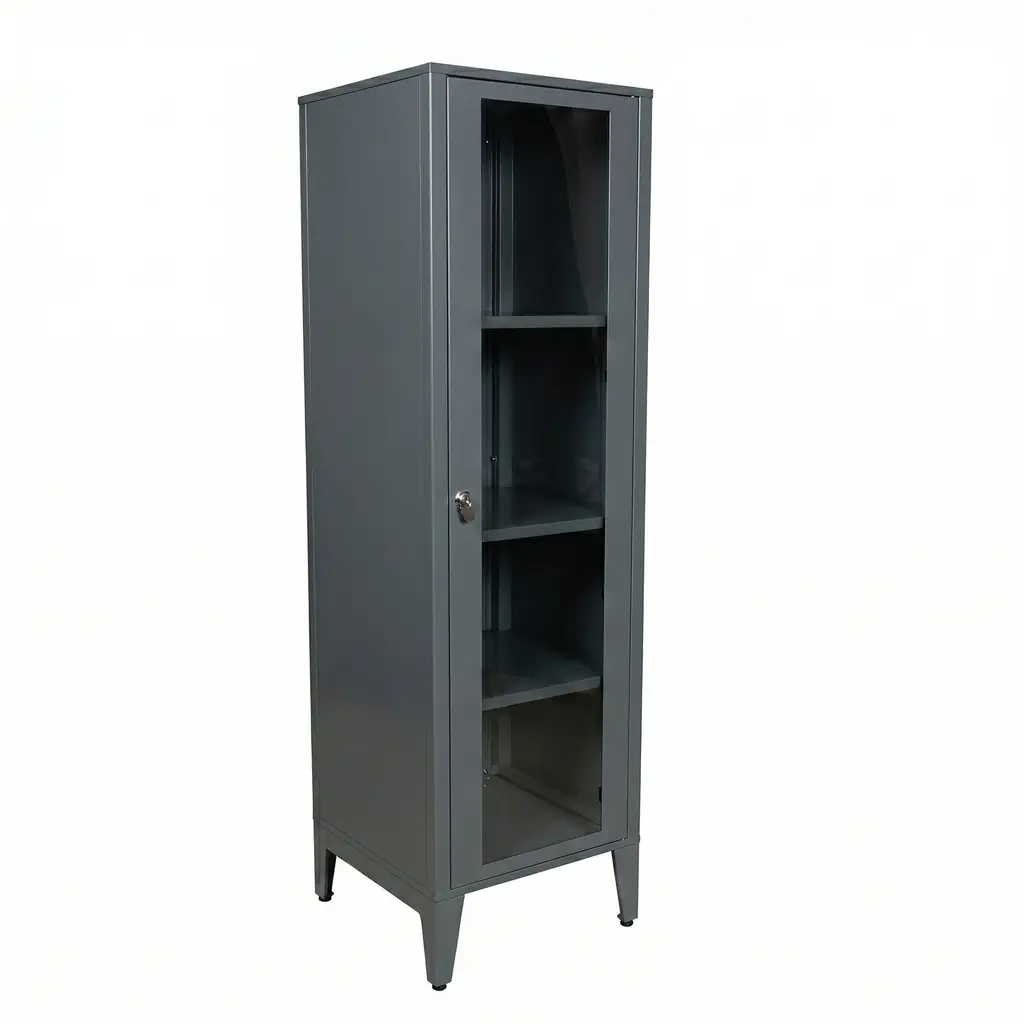
21.10.2026Alfahome Ziglat 1550 Series Glass Door Large Size Lockable Metal Cabinet
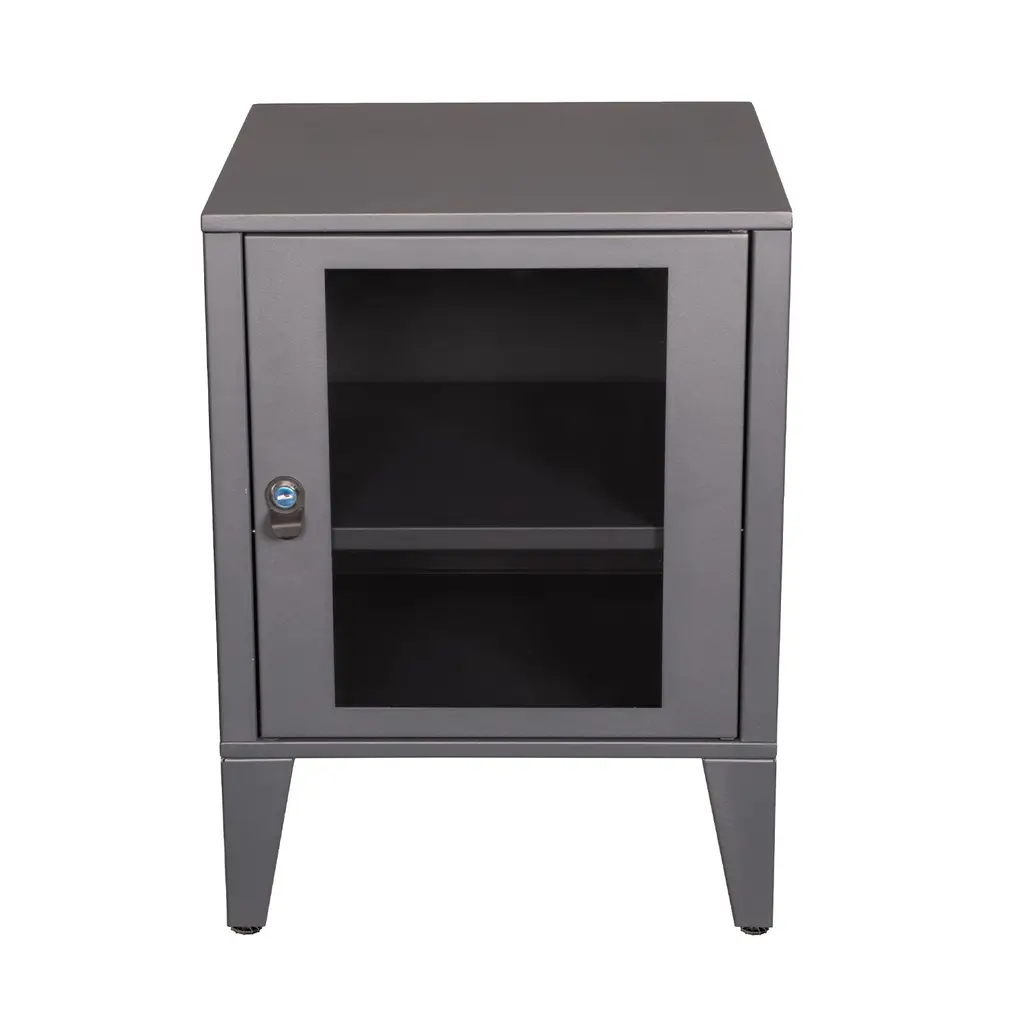
Alfahome Ziglat 655 Series Glass Door Small Size Lockable Metal Cabinet




Alfafonet Complete Connectivity Solutions © 2026 All Rights Reserved.


0
)