×

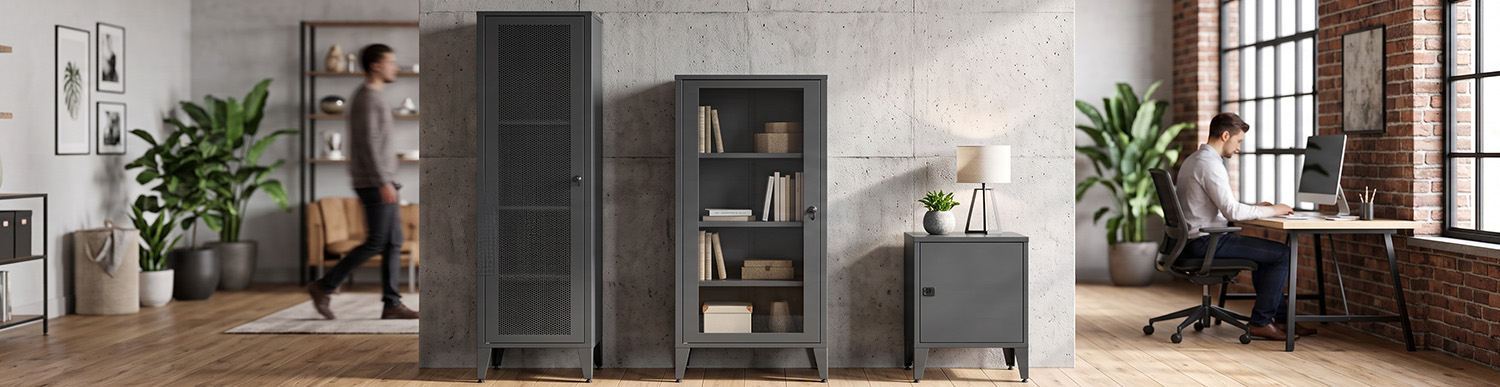
Metal cabinet models offer a variety of options in terms of design, dimensions, intended use and storage features. In this article, you can compare different models and learn what to consider when choosing the right option for your home or workspace.
Estimated Reading Time: 4 minutes
Metal cabinet models come in different styles depending on their design features and intended uses. Some offer storage solutions that complement the décor of living spaces, while others are designed for use in workplaces or utility areas.
When comparing models, appearance alone is not enough. The product's dimensions, door design, intended location and storage capacity should all be considered together.
To find the right model for your needs, first decide where the cabinet will be used and what kind of appearance you are looking for.
Comparing different models based on their design and practical features makes it easier to narrow down your options.
The design of a metal cabinet can influence the overall appearance of the space in which it is placed. Models with clean, simple lines can complement a variety of interior styles, while options with more distinctive design details can enhance the look of their surroundings.
In indoor spaces such as homes and offices, colour, surface finish and overall design should be considered alongside the existing furniture.
Door design is one of the features that affects both the appearance and functionality of a cabinet. The direction in which the doors open and the space they require should be considered when planning the layout.
It is important to ensure that the doors can open comfortably and do not obstruct nearby furniture or belongings.
Metal cabinet models are available in different widths, heights and depths. When choosing a model, compare its dimensions with the measurements of the area where it will be placed.
For smaller spaces, models with dimensions that help save floor space and maintain room for movement may be preferable. In larger areas, different sizes can be considered according to storage requirements.
The environment in which a metal cabinet will be used is one of the main factors influencing model selection. Homes, offices, workshops and warehouses all have different storage requirements.
For this reason, when comparing models, consider not only their appearance but also how well they meet the intended storage needs.
When considering metal cabinet models for different living and working environments, take the needs of the space and its layout into account.
In homes, metal cabinets can be used in various areas, including kitchens, balconies, hallways, pantry areas and home offices. In these spaces, the cabinet's design, dimensions and compatibility with existing furniture are important.
For example, the dimensions and layout requirements of a cabinet for a narrow hallway may differ from those of a model intended for a spacious utility room.
In offices and workspaces, storage solutions should complement the overall layout. Considering the cabinet alongside desks, other furniture and walkways helps ensure convenient everyday use.
Simple designs and dimensions that fit the existing office layout may be suitable choices for these environments.
When choosing a model for workshops and storage areas, consider how frequently it will be used, the layout of the space and the characteristics of the items to be stored.
It is important to ensure that the cabinet's dimensions fit the existing layout and that it provides sufficient storage space.
The table below summarises the main features to consider when choosing a model and explains why each one matters.
| Comparison Criteria | Features to Consider | Why Is It Important? |
|---|---|---|
| Design | Colour, surface finish and overall appearance | Helps the cabinet complement its surroundings |
| Door construction | Opening direction and required clearance | Affects everyday convenience |
| Dimensions | Width, height and depth | Determines whether the cabinet fits the available space |
| Storage capacity | Internal volume and usable storage space | Indicates whether it can accommodate the items to be stored |
| Intended use | Home, office, workshop or warehouse | Helps identify the right model for specific needs |
Focusing on just one feature when comparing models can lead to disappointment once the cabinet is in use. Avoid the following common mistakes:
Choosing based on design alone: Consider the dimensions and intended use as well as appearance.
Failing to measure the available space: Check the area where the product will be placed before making a decision.
Not defining your storage requirements: Decide how the cabinet will be used before choosing a model.
Ignoring nearby furniture: The door opening and clearance required should be compatible with the existing layout.
Looking only at external dimensions: Consider the internal storage space as well to ensure it meets your needs.
When choosing between metal cabinet models, considering design, dimensions, intended use and storage capacity together will help you find the right option. Compare different models to select one that meets the needs of your home or workspace.
Visit the ALFAHOME metal furniture category to explore the available options. For more product information and practical advice, browse the ALFAHOME blog.
Metal cabinet models can differ in terms of design, door construction, dimensions, storage capacity and intended use.
Consider the intended location, product dimensions, design features, available space and storage requirements together.
First, determine the dimensions of the area where the cabinet will be placed and decide how it will be used. Then compare design and storage features to find an option that suits your living space.
For office use, consider how well the cabinet fits the layout, as well as its dimensions, ease of use and storage capacity.
Dimensions determine whether a cabinet is suitable for the available space. Width, height and depth should all be considered when planning the layout.
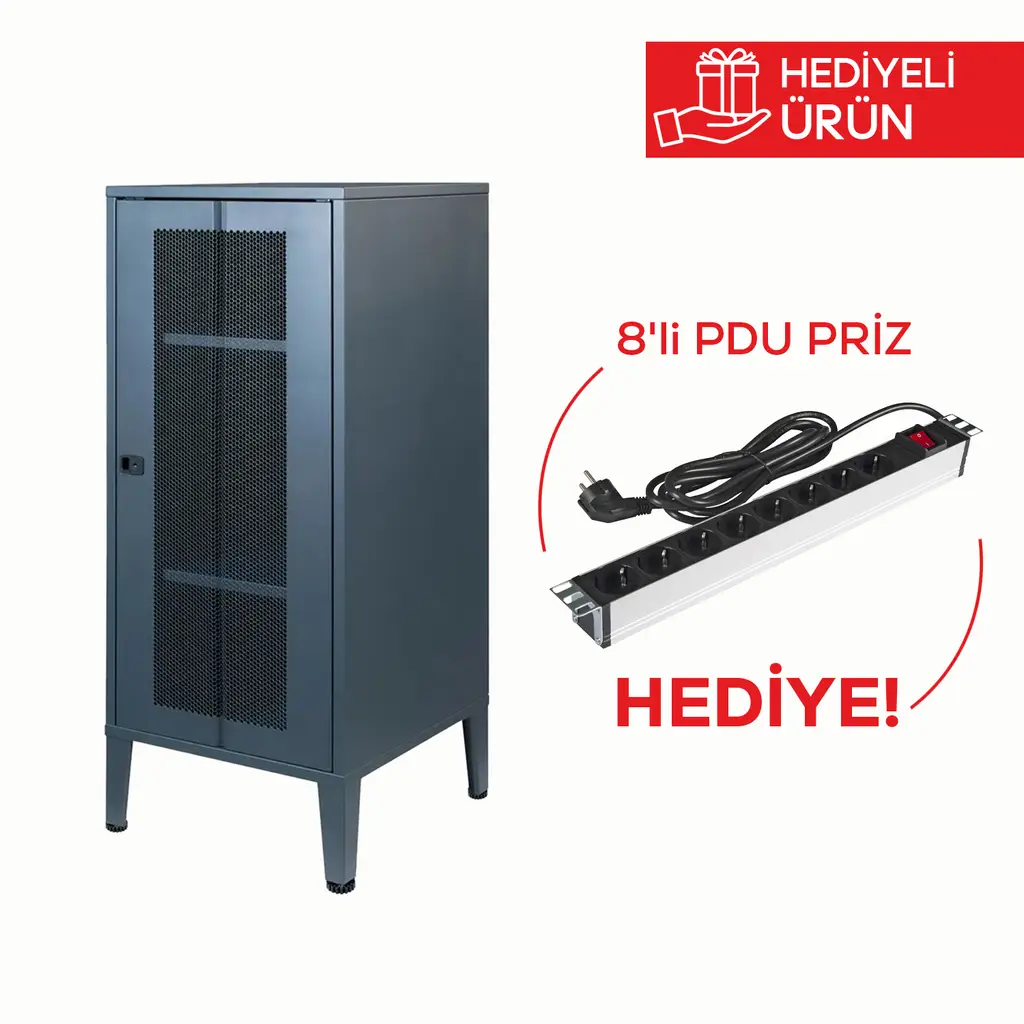
04.11.2026Alfahome Ziglat 1110 Series Perforated Door Medium Size Lockable Metal Cabinet
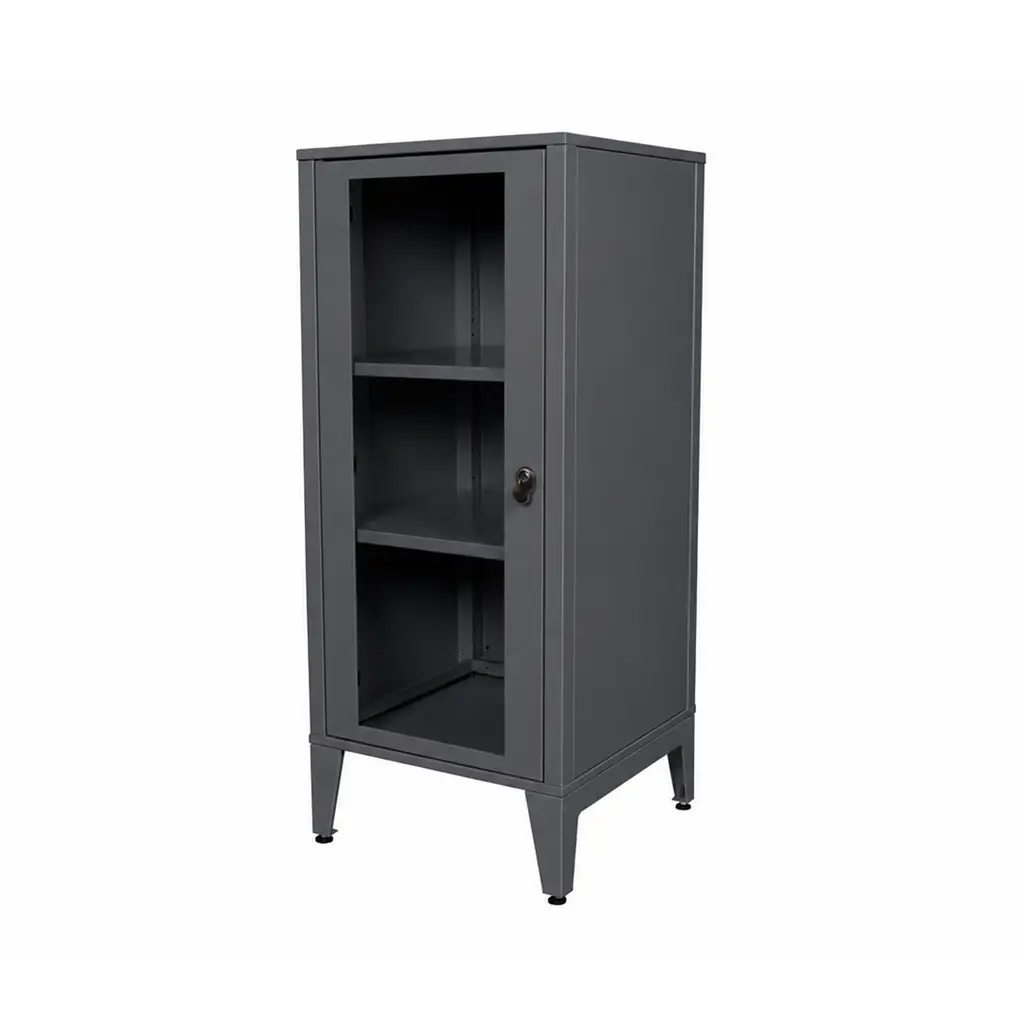
Alfahome Ziglat 1110 Series Glass Door Medium Size Lockable Metal Cabinet
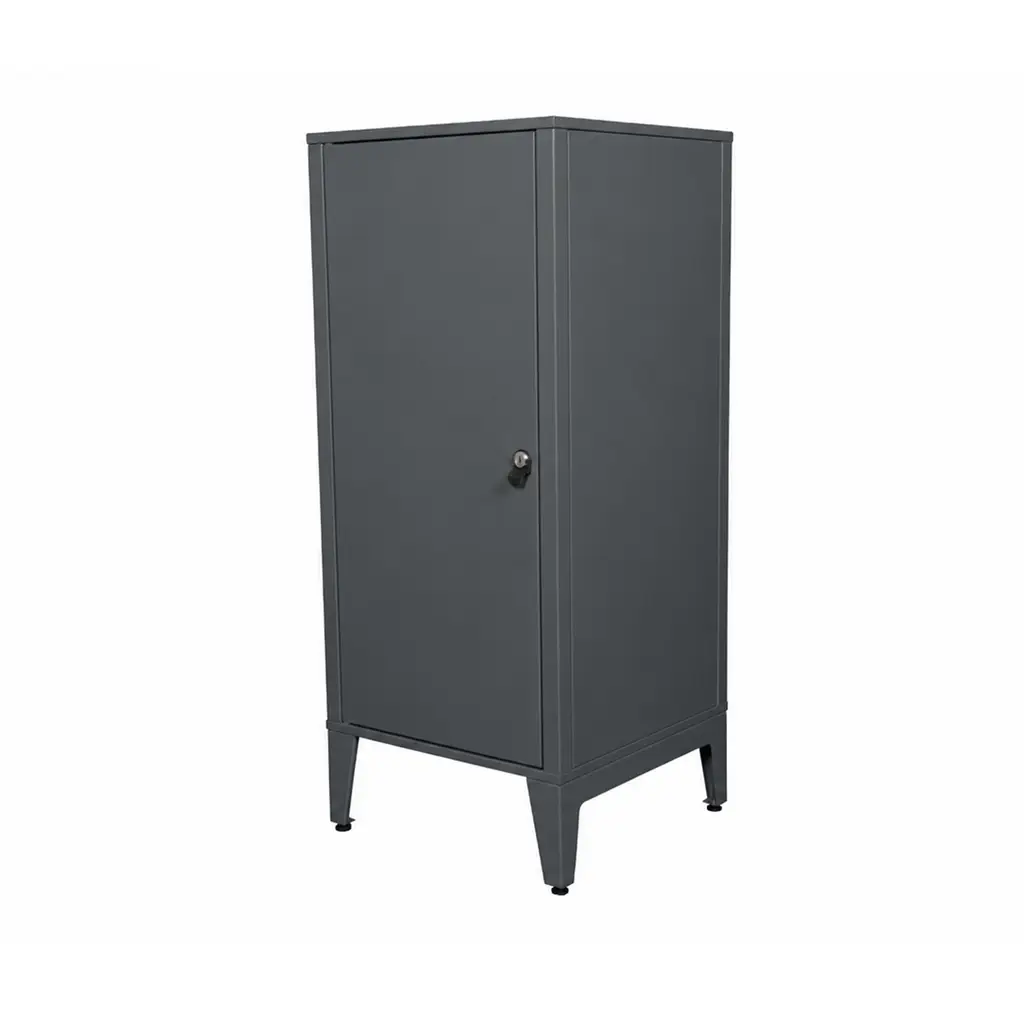
Alfahome Ziglat 1110 Series Metal Door Medium Size Lockable Office Cabinet
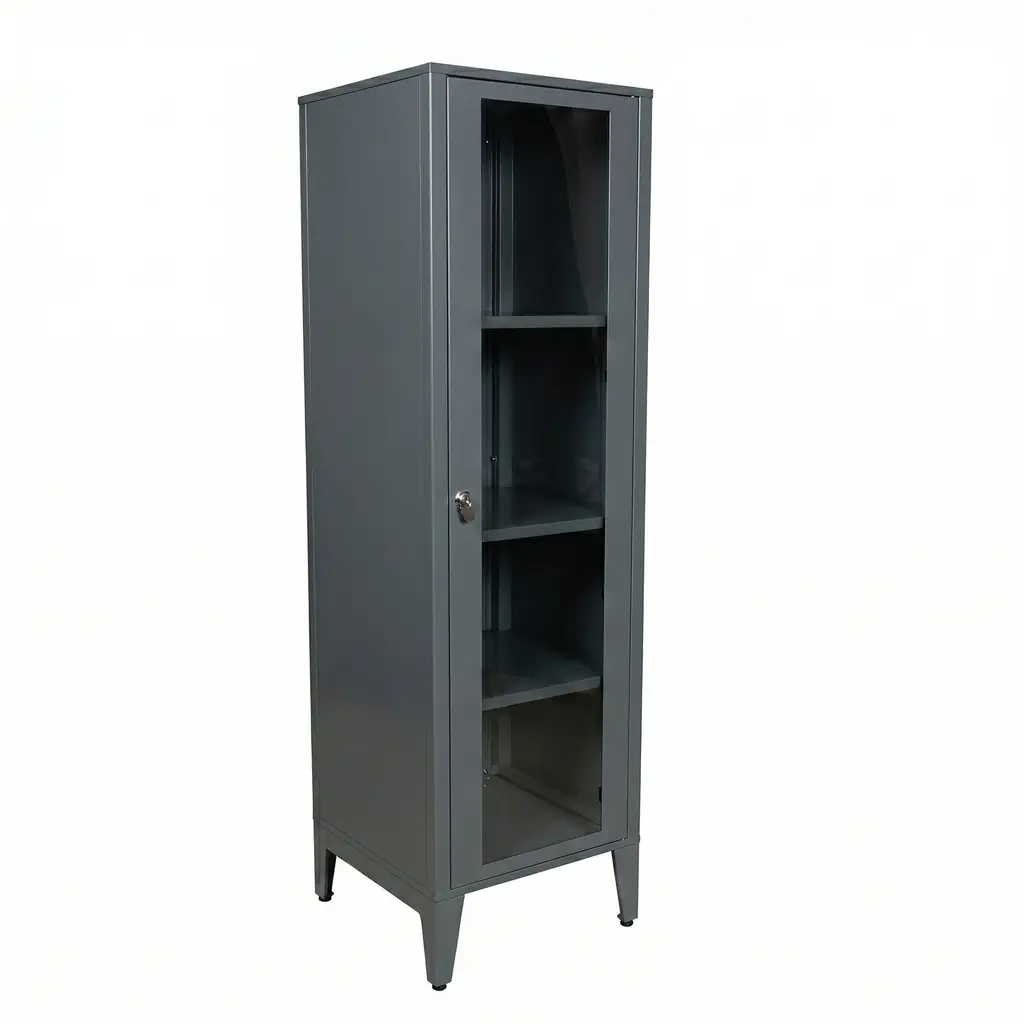
Alfahome Ziglat 1550 Series Glass Door Large Size Lockable Metal Cabinet
Alfahome Ziglat 1550 Series Metal Door Large Size Lockable Office Cabinet
Alfahome Ziglat 1550 Series Perforated Door Large Size Lockable Metal Cabinet




Alfafonet Complete Connectivity Solutions © 2026 All Rights Reserved.


0
)