×


When choosing an archive cabinet, you should consider not only the current volume of documents but also potential future capacity requirements and how the documents will be organised. In this guide, you can explore how to calculate capacity based on folder numbers, plan archive layouts and understand the differences between mobile shelving systems and static archive systems.
Estimated Reading Time: 5 minutes
When calculating archive capacity, the current number of folders, the number of new documents added each year and the planned storage period should all be considered together. Choosing a cabinet based only on the current volume of documents may create a need for additional storage space as the archive grows.
The first step is to determine which folders will be used to store the documents and how many folders there are in total. The expected increase in the number of folders can then be calculated to estimate the total capacity required.
The starting point for capacity planning is to count the folders currently held in the archive. Folders belonging to different departments or document types can be listed separately to establish the total number.
For example, counting the folders belonging to the finance, human resources and purchasing departments as separate groups provides a clearer picture of the current archive volume. At this stage, you should consider not only the number of folders but also their spine widths and the space they will occupy on the shelves.
When calculating archive capacity, you should also account for the new folders that will be added each year. The planning period can be determined according to the organisation's document production volume and retention policies.
For example, suppose a business currently has 120 folders and adds 20 new folders each year. The calculation for a three-year planning period would be as follows:
120 existing folders + (20 new folders × 3 years) = 180 folders
In this example, the archive requires a planned capacity of 180 folders over the three-year period. This figure is not the cabinet's exact capacity, but the total folder target to be used when planning storage space. When determining the number of cabinets and shelves, you should also check the folder dimensions, usable shelf width and load capacity.
An archive layout should be based on a classification system that makes documents easy to find and keeps them organised. Rather than placing folders wherever there is space, grouping them by department, year and document type makes it easier to locate the required records.
The frequency with which documents are accessed should also be considered when preparing the layout. Frequently used folders can be placed on more accessible shelves, while records that are accessed less often can be stored in other suitable sections.
A folder classification system ensures that documents in the archive are grouped according to a clear structure. An organised system can be created by combining department, document year and content type.
For example, contract folders belonging to a finance department could be classified as follows:
Finance / 2026 / Contracts / Shelf A2
This code indicates the department to which the document belongs, the year it covers, the document type and its location in the archive. A similar system can also be applied to other departments.
When establishing a classification method:
Create a clear category for each department.
Separate folders by document year or period.
Label document types using clear and consistent names.
Apply the same classification logic throughout the archive.
Shelf codes help identify the physical location of folders within the archive. A separate code can be assigned to each cabinet, shelf and, where necessary, individual shelf section.
For example, if code A2 refers to the second shelf of a particular cabinet, the same code should be used on folder labels and in digital archive records. This makes it easier for employees to identify where the documents they need are stored.
Access frequency also affects shelf arrangement. Keeping folders used daily or weekly in easily accessible sections supports the workflow. Documents that are accessed less frequently can be placed on different shelves, provided the classification system is maintained.
Once the total number of folders has been established, you should calculate how they will be distributed across the shelves. When assessing shelf capacity, looking only at the number of shelves is not sufficient. The usable width of each shelf, the spine width of the folders and the shelf's load capacity should all be considered together.
For example, suppose the usable shelf width is 80 cm and the average folder spine width is 8 cm:
80 cm ÷ 8 cm = 10 folders
According to this theoretical calculation, 10 folders can fit on the shelf. However, in practice, additional space may be needed to insert and remove folders. Therefore, this figure should not be treated as the product's actual capacity.
You should also check the shelf's load capacity and make sure that the total weight of the folders does not exceed its limit. When determining the number and spacing of shelves, the arrangement should be suitable for the folder dimensions.
For more information about internal shelf dimensions, layout options and load capacity, see our guide to What to Consider When Choosing a Metal Shelving Cabinet.
A mobile archive cabinet is an archive storage system in which cabinet units move along rails installed on the floor. In this system, the cabinets are moved to provide access to the required section of the archive. This means that a separate access aisle does not necessarily need to be left permanently in front of every cabinet.
In static archive systems, by contrast, cabinets remain in fixed positions, with access space allocated in front of each one. The main difference between the two systems is whether the cabinet units are mobile or stationary.
In mobile archive systems, cabinet units move along a rail mechanism installed on the floor. Users move the units to create an access aisle and reach the cabinet they need.
This system can be considered for archive rooms where large volumes of documents are stored and making efficient use of space is important. However, before installation, the floor conditions and movement space required by the rail mechanism should be planned.
Mobile and static archive systems have different characteristics in terms of space utilisation and access.
| Comparison Criteria | Mobile Archive System | Static Archive System |
|---|---|---|
| Operation | Cabinet units move along rails. | Cabinets remain in fixed positions. |
| Space utilisation | A movable access aisle is created to reach the required cabinet. | Access and passage space is left in front of the cabinets. |
| Access | The relevant unit is moved to reach the required section. | Access is provided through the space in front of the cabinets. |
| Installation | Requires a rail mechanism and suitable floor conditions. | Cabinets must be positioned to suit the available space. |
| Applications | Can be considered for high-density archive areas. | Can be used in offices and archive areas of different sizes. |
The most suitable system depends on the archive volume, the physical conditions of the available space, access frequency and installation requirements. Mobile systems may not be necessary for every archive area. Static systems can also be considered where sufficient access space can be provided in front of the cabinets.
This comparison explains two different approaches to archive layout. When considering ALFAHOME's static metal cabinet options, you should not assume that mobile systems are part of the ALFAHOME product range.
Overlooking certain factors when planning archive capacity and layout can cause the existing arrangement to become inadequate within a short period.
Calculating only the current number of folders: Failing to account for annual document growth and the planning period may create a need for additional storage in the future.
Assessing shelf capacity based only on the number of shelves: Usable shelf width, folder spine width and load capacity should all be checked together.
Failing to establish a classification system: Without an arrangement based on department, year and document type, finding the required folder can become difficult.
Using shelf codes inconsistently: Differences between folder labels and archive layout records can slow down the process of locating documents.
Ignoring access frequency: Keeping frequently used documents in hard-to-reach sections can disrupt everyday workflows.
Overlooking layout and installation conditions: Passage space should be considered for static systems, while mobile systems require suitable floor and installation conditions for the rail mechanism.
Access control is also an important part of archive planning. You may wish to consider whether lockable cabinets are needed for storing sensitive documents. For more information, see our guide to Where Are Lockable Metal Cabinets Used?.
First, determine the current number of folders. Then multiply the number of new folders added each year by the planning period and add the result to the existing total. This provides an estimate of the total folder capacity required.
Documents should be classified by department, year and document type. Assigning codes to shelves and using the same coding system on folder labels makes documents easier to access.
This depends on the usable shelf width and the spine width of the folders. The theoretical capacity can be calculated by dividing the usable shelf width by the folder spine width. In practice, you should also allow space for handling the folders and take the shelf's load capacity into account.
In a mobile archive system, cabinet units move along rails to create an access aisle leading to the required section. In a static archive system, cabinets remain in fixed positions, with access space provided in front of them.
No. The suitability of a mobile system depends on the size of the archive area, floor conditions, installation requirements and intended use. A mobile system is not necessary for every archive area.
12.11.2026Alfahome Ziglat 400 Series Wifi Box and Modem Box- Lockable Metal Cabinet
Alfahome Ziglat 1110 Series Perforated Door Medium Size Lockable Metal Cabinet
Alfahome Ziglat 600 Series IP20 Pre-assembled Glass Door Wheeled Computer Cabinet
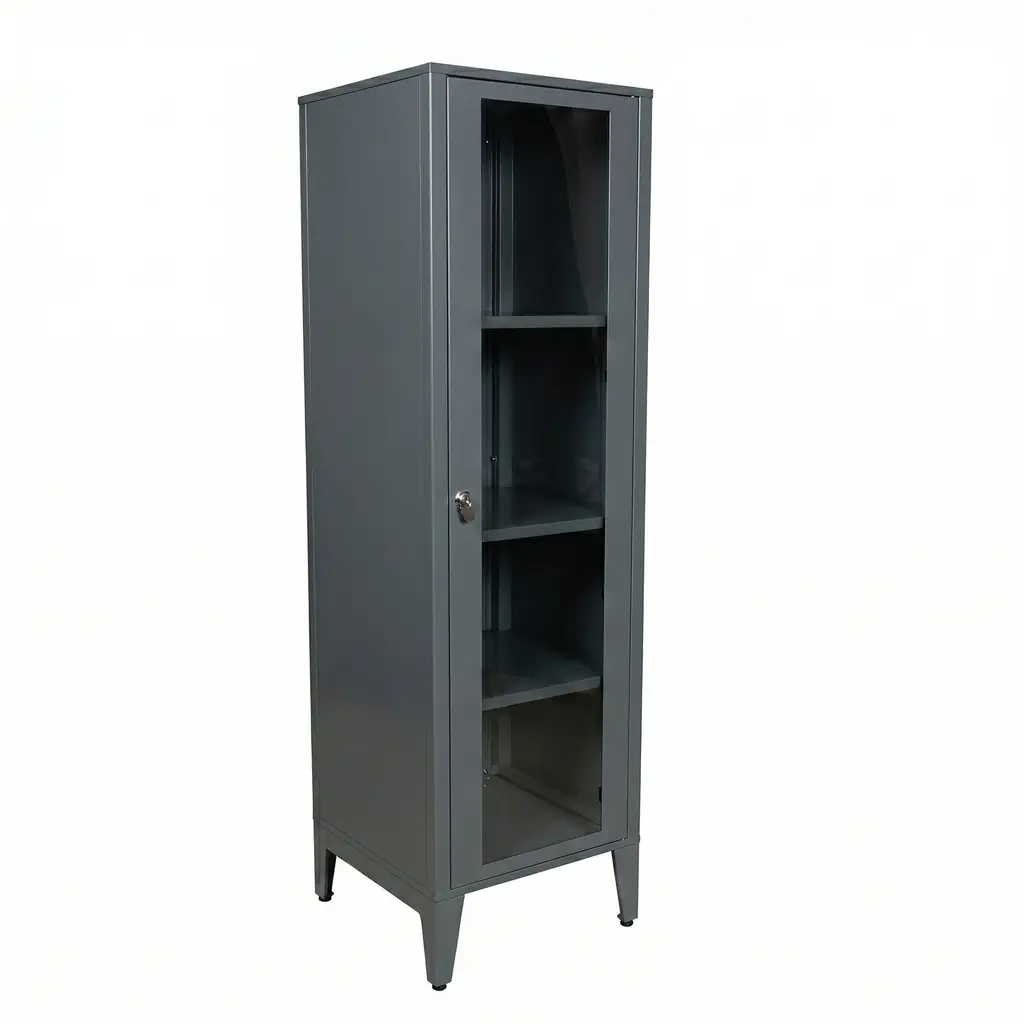
Alfahome Ziglat 1550 Series Glass Door Large Size Lockable Metal Cabinet
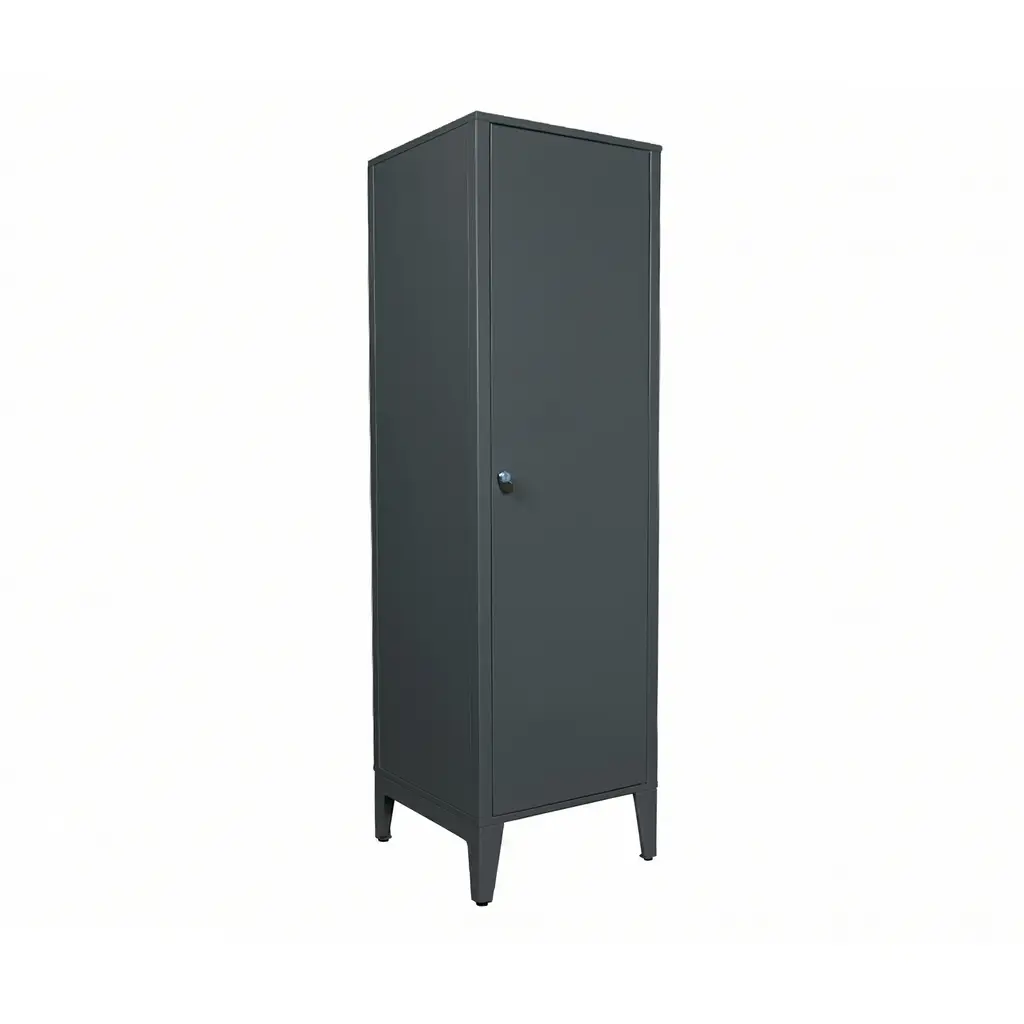
Alfahome Ziglat 1550 Series Metal Door Large Size Lockable Office Cabinet
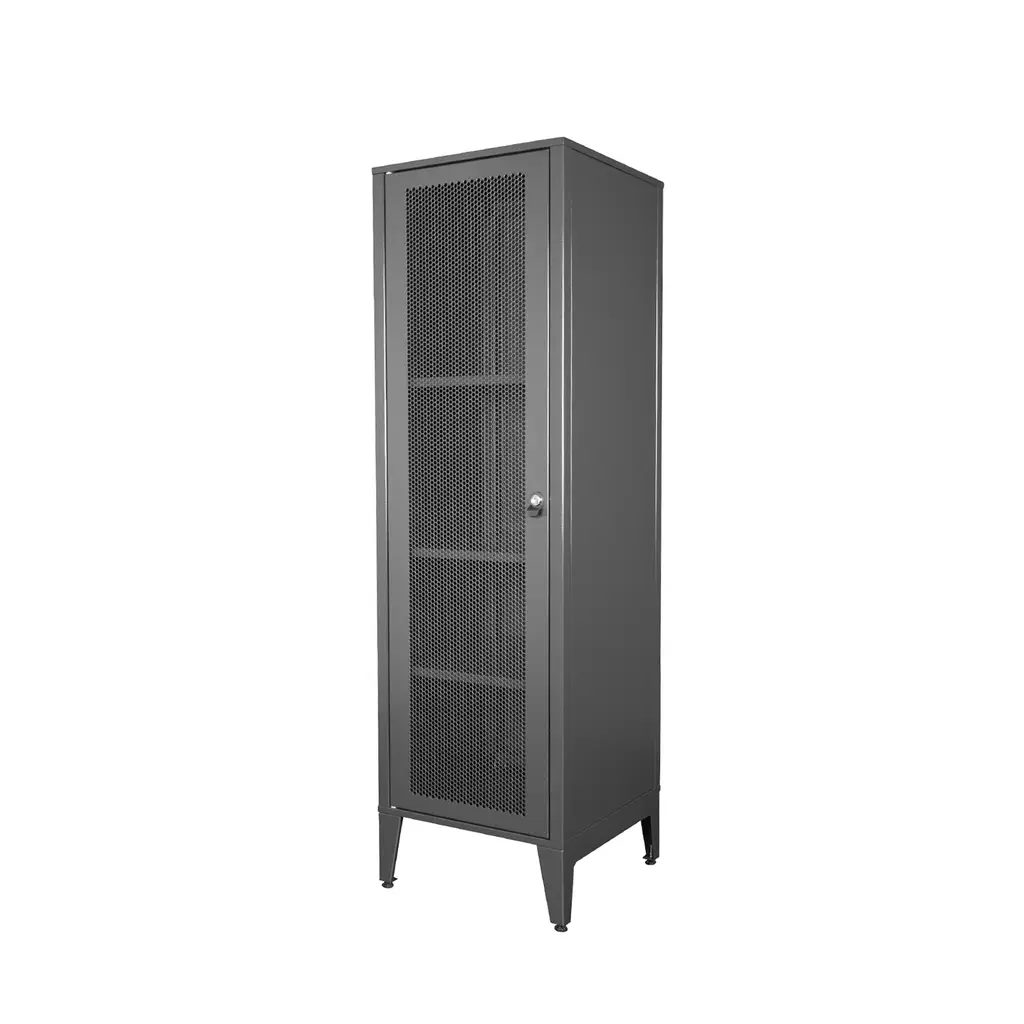
Alfahome Ziglat 1550 Series Perforated Door Large Size Lockable Metal Cabinet
Alfahome Ziglat 655 Series Glass Door Small Size Lockable Metal Cabinet
Alfahome Ziglat 655 Series Metal Door Small Size Lockable Office Cabinet




Alfafonet Complete Connectivity Solutions © 2026 All Rights Reserved.


0
)