×

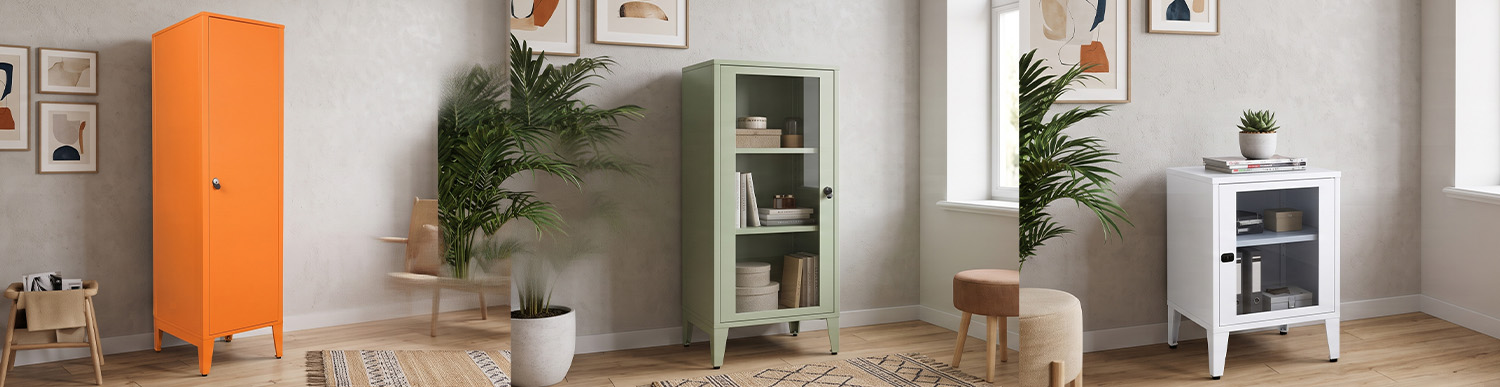
When choosing a metal cabinet with shelves, it is important to consider features such as the number of shelves, shelf spacing, load-bearing capacity and cabinet dimensions. Explore metal shelving cabinet models designed to keep different items organised and learn how to choose the right option for your space and storage requirements.
Estimated Reading Time: 5 minutes
A metal cabinet with shelves is a storage solution designed to keep items of different sizes organised in designated compartments. Consisting of a metal frame and internal shelving, these cabinets can be used in homes, offices, workshops, warehouses and utility areas.
The internal shelving layout of a metal cabinet helps make more efficient use of its storage capacity. The number of shelves, their height and their load-bearing capacity are important features that determine the types of items the cabinet can accommodate.
When choosing a metal cabinet with shelves, consider not only its external appearance and dimensions but also whether the internal layout meets your storage requirements.
To choose the right metal shelving cabinet, you should first identify where it will be used and consider the characteristics of the items you intend to store. Evaluate the following criteria to find an option that suits your needs.
When choosing a metal cabinet, the distance between shelves is just as important as the number of shelves. Select a model with shelf spacing that accommodates the dimensions of the items you intend to store.
Smaller items may benefit from closer shelf spacing, whereas cabinets intended for larger or taller products may require wider compartments.
When planning the shelving layout:
Measure the height of the items you intend to store in advance.
Place frequently used items on easily accessible shelves.
Leave sufficient vertical space for larger belongings.
Check whether the number of shelves meets your storage requirements.
One of the key features to consider when choosing metal cabinet shelving is its load-bearing capacity. Select a model that can safely support the weight of the items you intend to store.
Check the stated load capacity per shelf and the cabinet's overall load-bearing capacity in the product description. Bear in mind that these two figures may differ.
When positioning heavier items, also follow the manufacturer's recommendations regarding weight distribution. Avoid placing loads on the shelves that exceed their specified capacity.
When choosing a metal cabinet with shelves, internal storage space is just as important as external dimensions. Measure the area where the cabinet will be placed to determine the appropriate width, height and depth.
Consider the following when selecting dimensions:
The width and height of the available space
The overall depth of the cabinet
The usable width and depth of the shelves
The vertical spacing between shelves
The clearance required for opening the doors
If you plan to store larger items, checking the usable dimensions of the shelves will help you make better use of the available internal space.
The material properties of a metal cabinet's shelves and frame can affect its suitability for different conditions of use. Therefore, check the manufacturing materials, surface finish and technical specifications before choosing a product.
Consider the following features when evaluating metal cabinets with shelves:
The materials used for the frame and shelves
The thickness and construction of the shelves
The characteristics of the surface finish
Connection points and assembly components
Cleaning and maintenance requirements
Also consider the humidity and temperature conditions of the environment where the cabinet will be used. Review the manufacturer's usage and maintenance instructions to select a suitable product.
Metal cabinets with shelves can meet different storage requirements in a variety of environments. Therefore, choose a model according to where you intend to position it.
Kitchens and pantries: Can be used to organise food supplies, kitchen utensils and various household essentials.
Offices: Can help organise documents, files and stationery.
Workshops: Provide storage space for hand tools, equipment and work materials.
Warehouses: Make it easier to organise products of different sizes across separate shelves.
Balconies and utility areas: Can be used to store various household items together.
Considering the number of shelves, cabinet dimensions and load-bearing capacity together will help you make a more suitable choice for your intended space.
When organising the shelves inside a metal cabinet, start by grouping the items you intend to store according to their dimensions, weight and frequency of use. This helps you make more efficient use of the internal space and find belongings more easily.
Follow these steps when organising your shelves:
Group your belongings: Place similar items together.
Arrange items according to weight: Position heavier items in accordance with the cabinet's load-bearing capacity and the manufacturer's recommendations.
Consider frequency of use: Place frequently used belongings on easily accessible shelves.
Adjust shelf spacing: Leave suitable gaps for both large and small items.
Review the arrangement regularly: Reorganise the shelves as your storage requirements change.
For more ideas on shelving and storage organisation, explore our guide: How to Plan Shelving and Storage Inside a Pantry Cabinet.
A metal cabinet with shelves and a metal shelving unit are both designed for storage, but they differ in terms of design and functionality.
Metal cabinets with shelves are storage solutions that allow items to be kept on internal shelves, usually within an enclosed cabinet with doors. Metal shelving systems, on the other hand, generally feature an open design that allows items to remain visible and accessible directly on the shelves.
| Feature | Metal Cabinet with Shelves | Metal Shelving Unit |
|---|---|---|
| Design | Enclosed cabinet frame with internal shelves | Open shelving structure |
| Accessibility | Access through cabinet doors | Direct access to shelves |
| Usage | Organised, enclosed storage | Visible and accessible storage |
| Selection criteria | Internal space, number of shelves and door design | Shelf dimensions and load-bearing capacity |
The most suitable option depends on the type of items you intend to store and the characteristics of the space where the product will be used.
Once you have identified the right metal cabinet with shelves for your storage requirements, you can compare the dimensions, internal layout and technical specifications of different products.
Explore the products in the ALFAHOME metal furniture category to discover options designed for a variety of storage needs.
Explore the ALFAHOME Metal Furniture Category
For more storage and organisation tips, visit the ALFAHOME Tips and Advice page.
When choosing a metal cabinet with shelves, consider the number of shelves, shelf spacing, load-bearing capacity, dimensions and material properties together. Selecting a cabinet that suits the intended space and the dimensions of the items you plan to store will help you make more efficient use of your storage area.
By identifying your requirements in advance, you can compare different metal cabinet models and choose the option that best suits your space. Explore the ALFAHOME metal furniture category to discover a range of storage solutions.
The number of shelves, shelf spacing, load-bearing capacity, cabinet dimensions, material properties and intended use should all be considered together.
Items should be grouped according to their dimensions, weight and frequency of use. Heavier items should be positioned in accordance with the manufacturer's load-bearing and weight distribution recommendations.
The load-bearing capacity per shelf is usually specified in the product's technical details. It is important to check this information before purchasing and follow the manufacturer's loading recommendations.
Metal cabinets with shelves can be used for storage in various environments, including kitchens, pantries, offices, workshops, warehouses and balconies.
Metal cabinets with shelves provide enclosed storage behind doors, whereas open metal shelving systems keep items visible and accessible directly on the shelves. The right choice depends on your storage requirements and the characteristics of the available space.
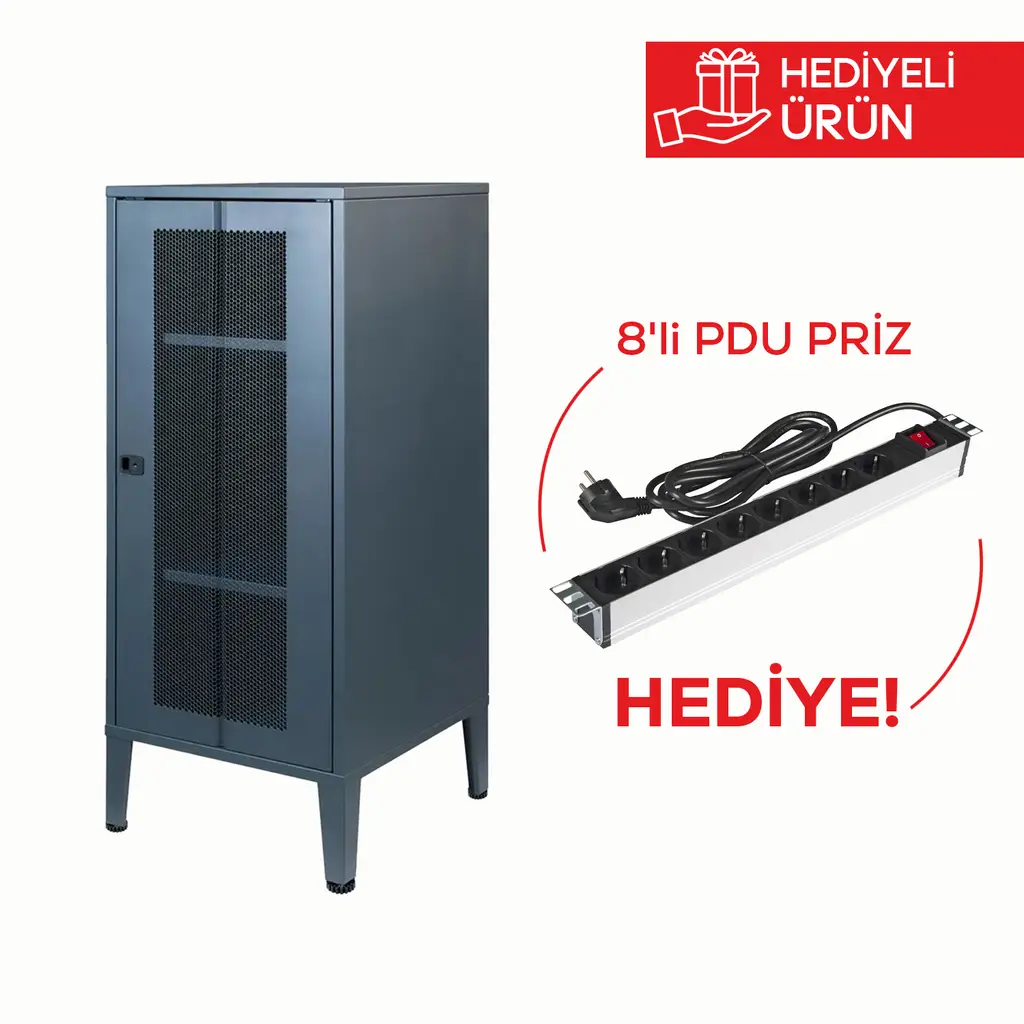
04.11.2026Alfahome Ziglat 1110 Series Perforated Door Medium Size Lockable Metal Cabinet
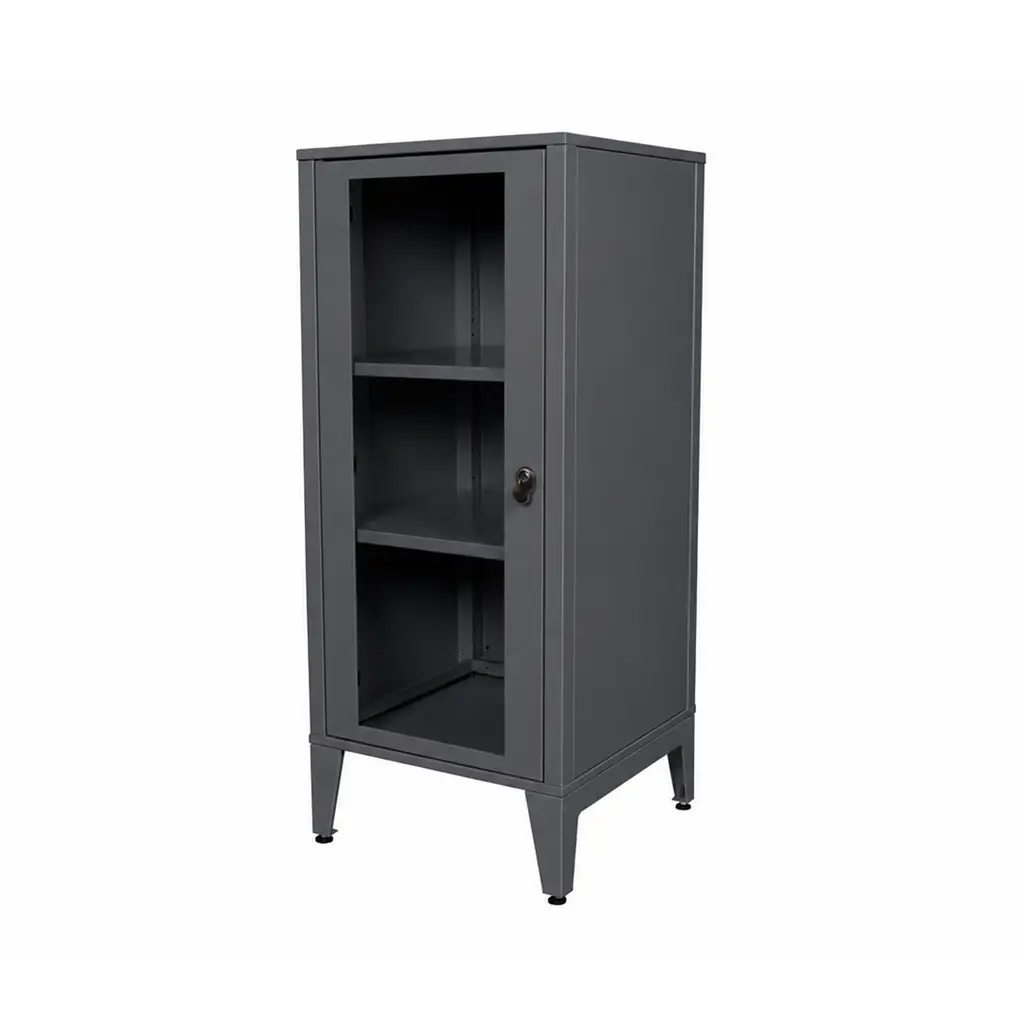
Alfahome Ziglat 1110 Series Glass Door Medium Size Lockable Metal Cabinet
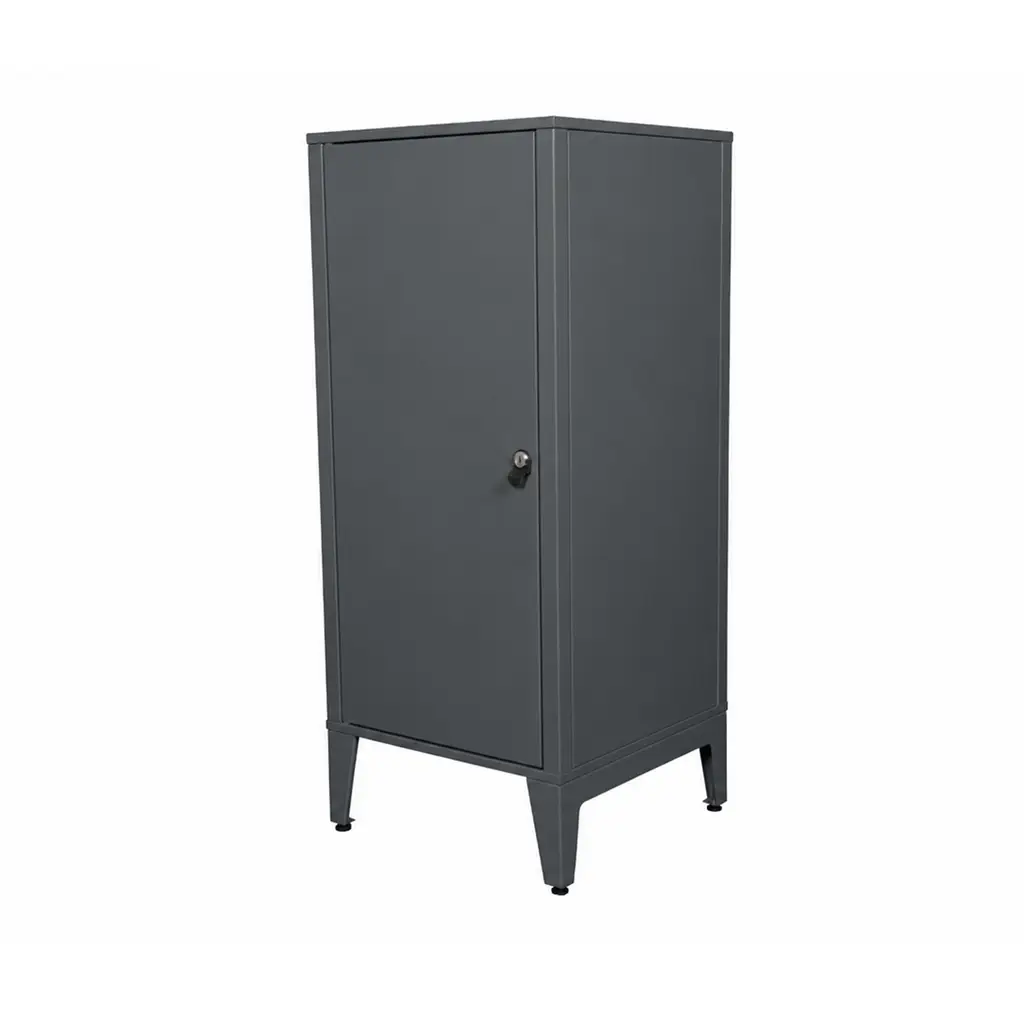
Alfahome Ziglat 1110 Series Metal Door Medium Size Lockable Office Cabinet
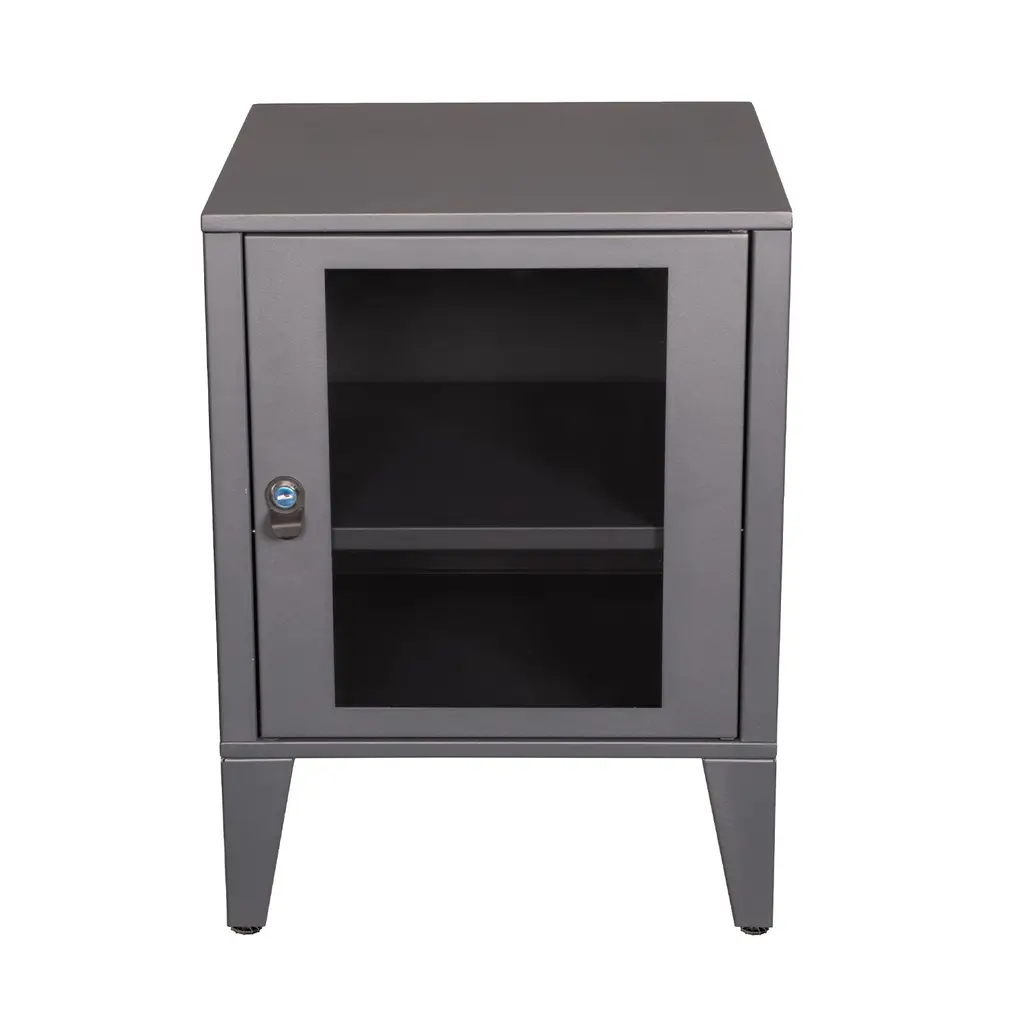
Alfahome Ziglat 655 Series Glass Door Small Size Lockable Metal Cabinet
Alfahome Ziglat 655 Series Metal Door Small Size Lockable Office Cabinet
Alfahome Ziglat 1550 Series Glass Door Large Size Lockable Metal Cabinet
Alfahome Ziglat 1550 Series Perforated Door Large Size Lockable Metal Cabinet




Alfafonet Complete Connectivity Solutions © 2026 All Rights Reserved.


0
)