×


To determine the correct filing cabinet dimensions, you should first measure the height, depth and spine width of the folders to be stored. These measurements can then be compared with the cabinet's usable internal dimensions and shelf clearances to calculate the appropriate storage capacity. In this guide, you can learn how to choose filing cabinet dimensions based on folder measurements and discover how many folders can fit on a shelf.
Estimated Reading Time: 5 minutes
The first step in determining filing cabinet dimensions is to identify the sizes and quantities of the folders that will be stored inside. This is because suitable external cabinet dimensions do not necessarily mean that folders will fit comfortably on the shelves. What matters most is whether the cabinet's usable internal dimensions are compatible with the folders to be stored.
Before measuring, identify the following details:
Folder height: The vertical measurement from the bottom of the folder to its highest point.
Folder depth: The distance the folder occupies from front to back when placed on a shelf.
Folder spine width: The amount of shelf width occupied by a folder when placed alongside others.
Number of folders: The total number of folders planned for storage on the same shelf or inside the cabinet.
If you use several types of folders, measure each type separately. This will help you determine the required shelf clearance, internal depth and usable shelf width more accurately.
In filing cabinets, external dimensions refer to the overall width, height and depth of the product and the space it occupies. Usable internal dimensions indicate the actual space available for storing folders and files.
These two sets of measurements may differ. Due to the cabinet panels, doors and internal structure, the usable shelf space cannot be calculated directly from the external dimensions.
When choosing a filing cabinet, check the following internal measurements:
Usable shelf width: This should accommodate the combined spine widths of the folders placed side by side.
Usable internal depth: This should allow folders to fit comfortably from front to back.
Shelf clearance: This should exceed the folder height, leaving enough room to insert and remove folders easily.
When reviewing product dimensions, check not only the external measurements but also the internal dimensions and shelf specifications provided by the manufacturer. This allows you to assess whether the cabinet meets your storage requirements, rather than simply whether it fits into the available space.
Comparing folder dimensions with the cabinet's usable internal measurements is a key step in identifying the right storage solution. Each measurement affects a different aspect of the cabinet layout.
Folder height determines the vertical distance required between the shelves inside the cabinet. Shelf clearance should exceed the folder height so that folders do not touch the shelf above when being inserted or removed.
When measuring, use the highest point of the folder as your reference. If you use folders of different heights, allow sufficient shelf clearance for the tallest one.
For example, folders measuring 32 cm in height require shelf clearance of more than 32 cm. Additional space should also be allowed to make inserting and removing folders easier.
Folder depth determines how much space a file occupies from front to back on a shelf. This measurement should be compared with the cabinet's usable internal depth.
The internal depth must be sufficient to ensure that folders fit fully inside the cabinet, do not become trapped against the doors and do not protrude beyond the shelf. Therefore, looking only at the cabinet's external depth does not provide an accurate assessment.
If you plan to store several types of folders, take the deepest folder into account. This helps you determine a suitable shelf depth for files of different sizes.
Folder spine width is the key measurement used to determine how many folders can be stored side by side on a shelf. To calculate shelf capacity, add together the spine widths of the folders and compare the total with the usable shelf width.
For example, storing 10 folders with an 8 cm spine width requires a theoretical usable shelf width of 80 cm. However, this calculation assumes that the folders are placed directly next to one another. Additional clearance should be allowed to make inserting and removing them easier.
To calculate how many folders a shelf can hold, divide the usable shelf width by the spine width of the folders.
Calculation formula:
Theoretical folder capacity = Usable shelf width / Folder spine width
Example calculation:
Usable shelf width: 80 cm
Spine width of one folder: 8 cm
80 cm / 8 cm = 10 folders
In this example, the shelf can theoretically accommodate 10 folders.
However, this result does not represent the guaranteed capacity of an actual product. Additional clearance should be allowed so that folders can be inserted and removed comfortably. The shelf's load limit and the product's technical specifications should also be checked. The level of filling and weight of the folders may affect shelf capacity.
For cabinets with multiple shelves, the same calculation can be performed separately for each shelf. If folders of different sizes are used, calculate the space occupied by each group separately and determine the total capacity accordingly.
Once you have determined the internal dimensions required for your folders, you should check the space where the cabinet will be positioned. For this, use the cabinet's external width, height and depth.
Keep the following points in mind when measuring:
Width: Measure the available width of the wall or area where the cabinet will be placed.
Height: Check whether there will be sufficient clearance above the cabinet.
Depth: Assess the depth of the available space and the clearance required for movement around the cabinet.
Door clearance: Allow enough space in front of the cabinet for its doors to open.
Placement spacing: If several cabinets will be used, plan their combined width and the space required to access each one.
These measurements help ensure that the cabinet can be positioned properly and remains accessible during everyday use.
For more information about shelf construction, shelf spacing and different internal layout options, read our article What Should You Consider When Choosing a Metal Cabinet with Shelves?.
Focusing only on external dimensions or the total number of folders when determining filing cabinet dimensions can lead to inaccurate storage capacity calculations. Common mistakes include:
Confusing external dimensions with usable internal dimensions: The cabinet's external width and depth do not indicate the actual usable shelf space.
Failing to measure folder height: Shelf clearance may be insufficient for the folders.
Ignoring spine width: The number of folders that can fit on a shelf may be calculated incorrectly.
Overlooking folder depth: Folders may not fit fully inside the shelf or may come into contact with the doors.
Not allowing additional clearance: An arrangement based on theoretical capacity may make it difficult to remove and replace folders.
Failing to check the shelf load limit: Even if the number of folders appears suitable, their combined weight may exceed the shelf's load capacity.
To avoid these mistakes, measure your folders first, then compare their dimensions with the cabinet's usable internal measurements and technical specifications.
First, determine the external dimensions of the space where the cabinet will be placed. Then measure the height, depth and spine width of the folders to be stored and compare them with the cabinet's usable internal dimensions. Shelf capacity can also be calculated theoretically by dividing the usable shelf width by the folder spine width.
Filing cabinet depth should be determined according to the distance folders occupy from front to back. This measurement should be compared with the cabinet's usable internal depth, allowing enough space for folders to fit comfortably.
Folder height is used to determine the vertical distance between shelves. Shelf clearance should exceed the folder height and include additional space to make inserting and removing folders easier.
Divide the usable shelf width by the spine width of one folder. For example, a shelf with 80 cm of usable width can theoretically hold 10 folders with an 8 cm spine width. When determining actual capacity, you should also check the clearance required for use and the shelf's load limit.
Usable shelf width is the clear horizontal distance available for placing folders side by side on a cabinet shelf. This measurement, rather than the cabinet's external width, should be used when calculating shelf capacity.
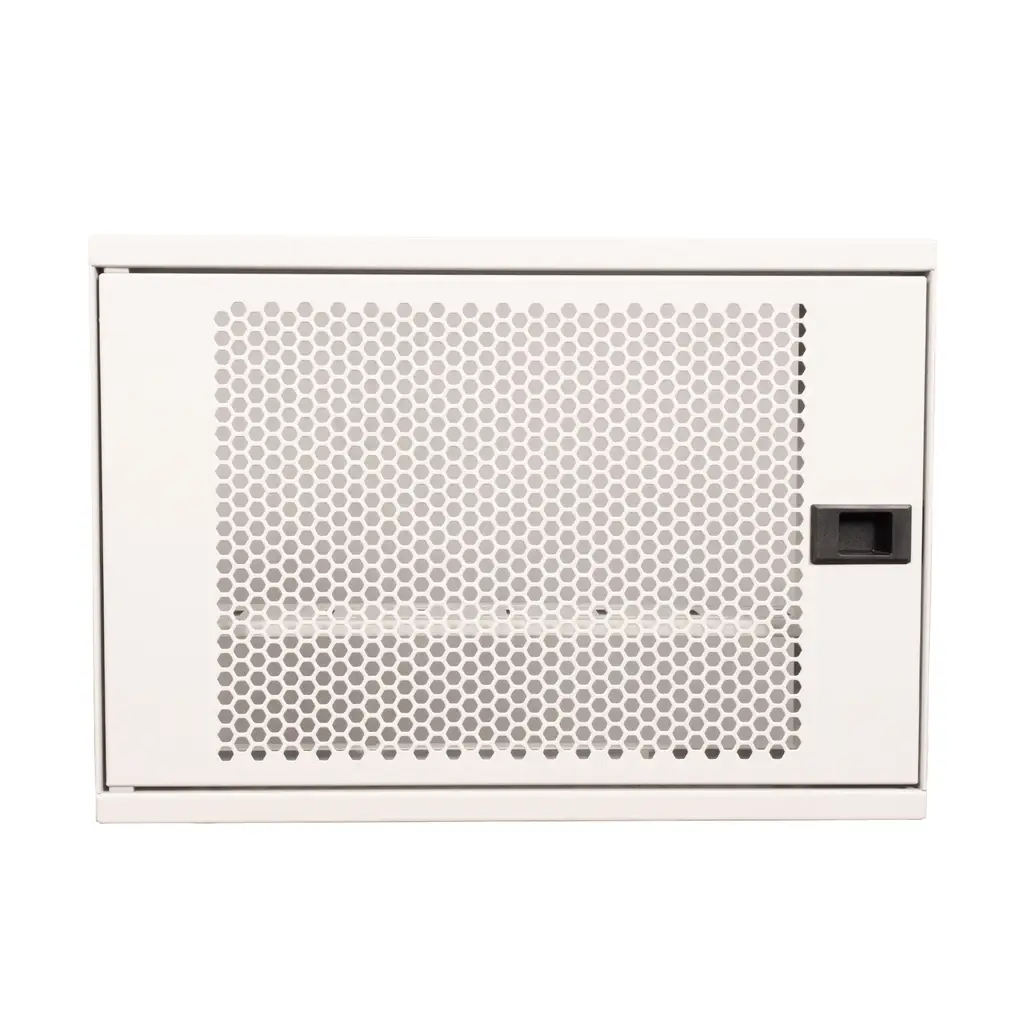
12.11.2026Alfahome Ziglat 400 Series Wifi Box and Modem Box- Lockable Metal Cabinet
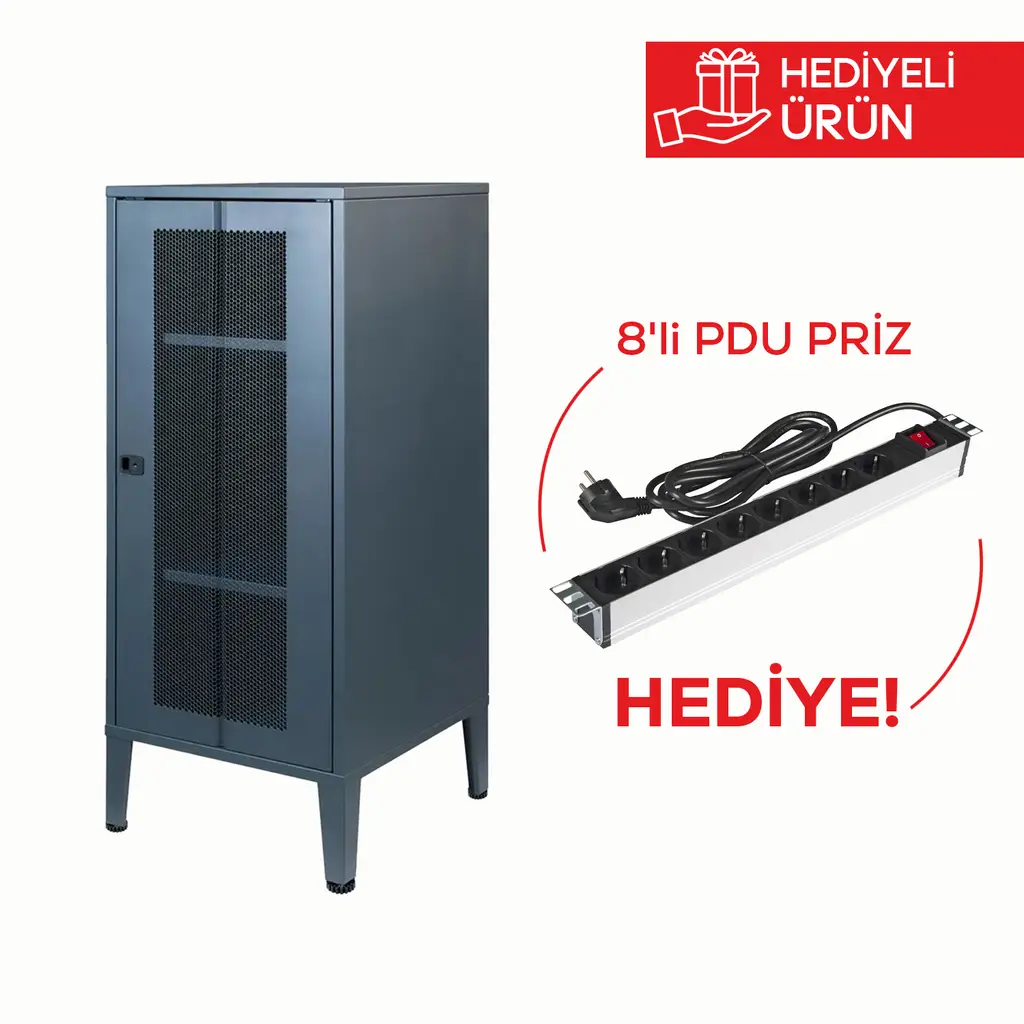
Alfahome Ziglat 1110 Series Perforated Door Medium Size Lockable Metal Cabinet
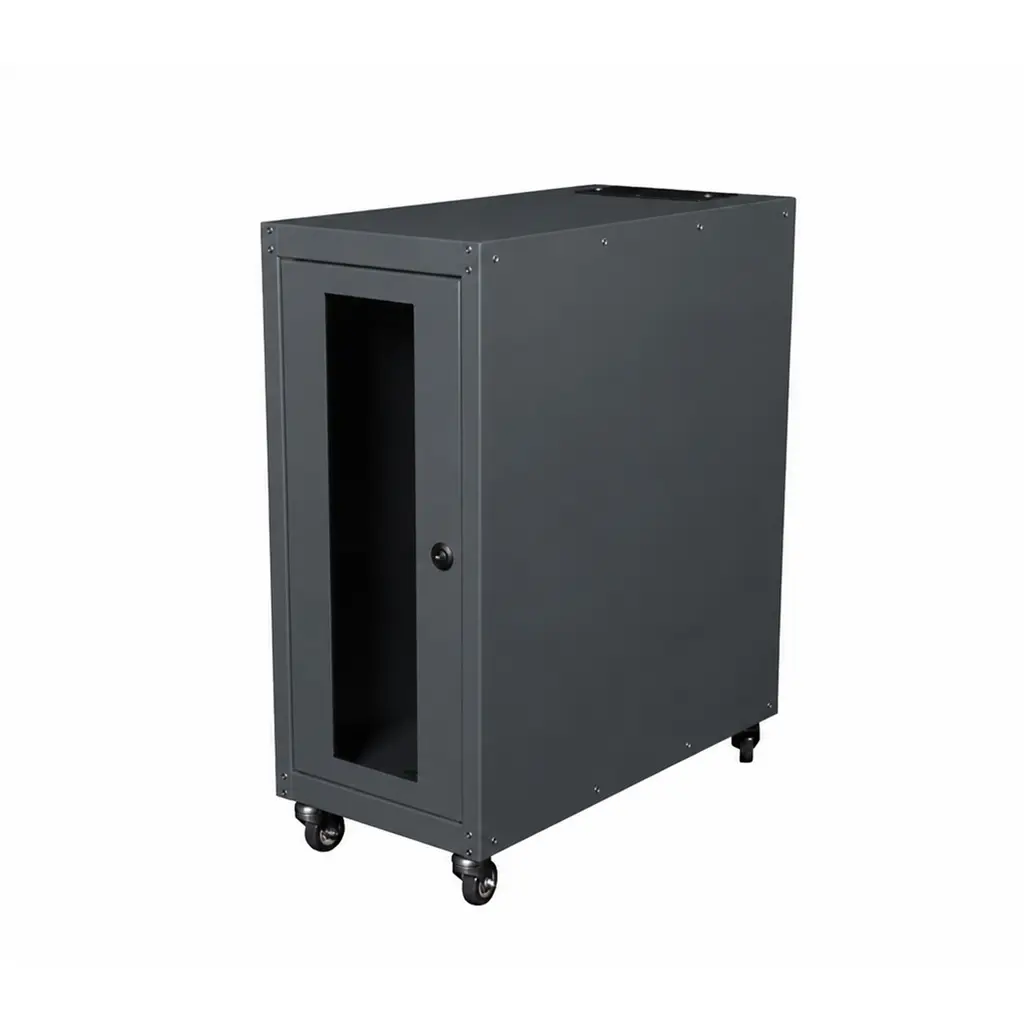
Alfahome Ziglat 600 Series IP20 Pre-assembled Glass Door Wheeled Computer Cabinet
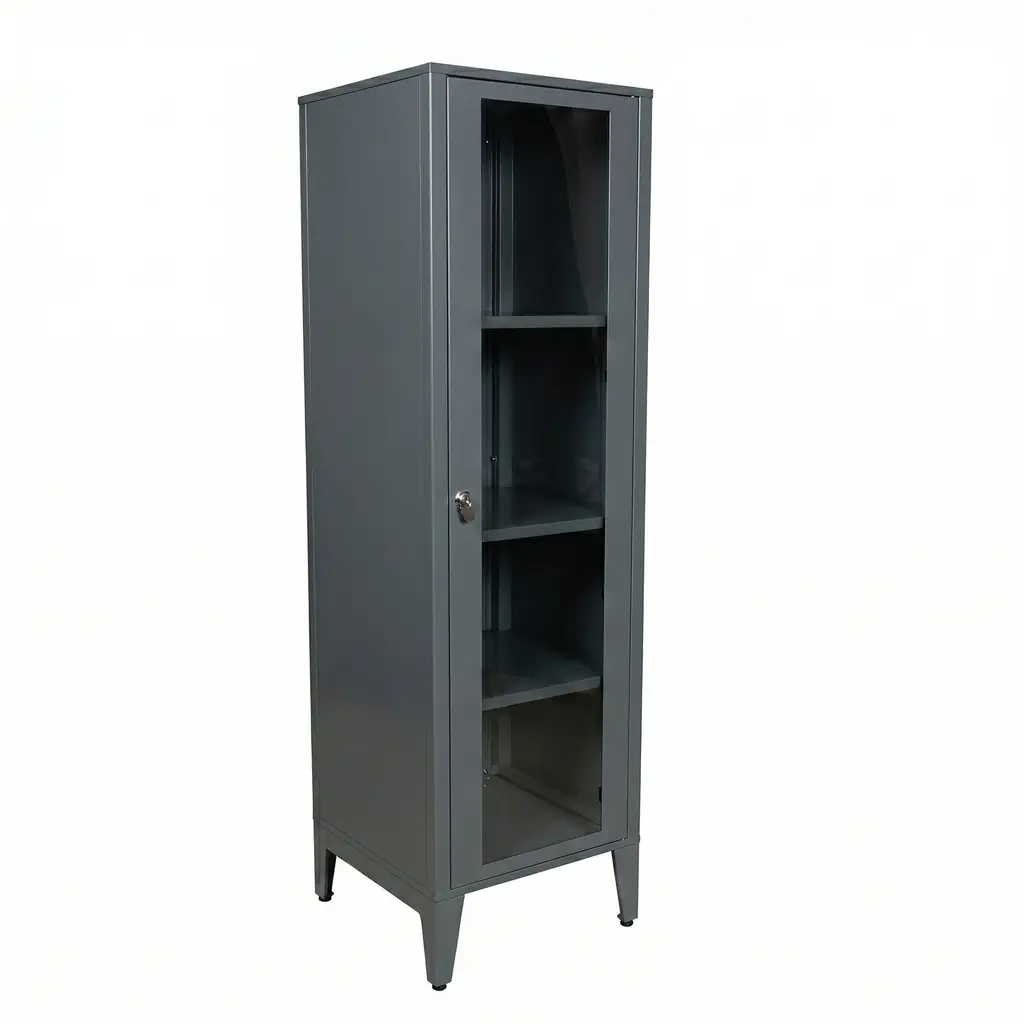
Alfahome Ziglat 1550 Series Glass Door Large Size Lockable Metal Cabinet
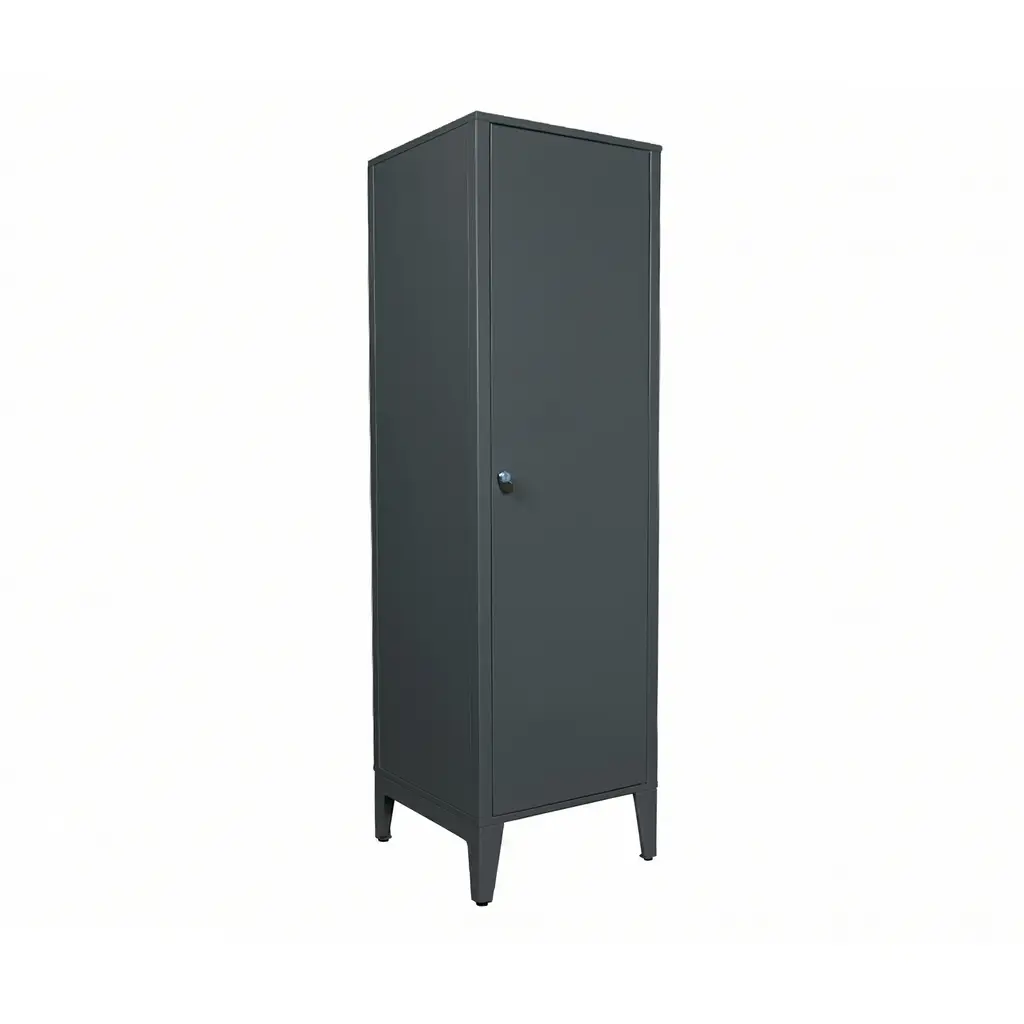
Alfahome Ziglat 1550 Series Metal Door Large Size Lockable Office Cabinet
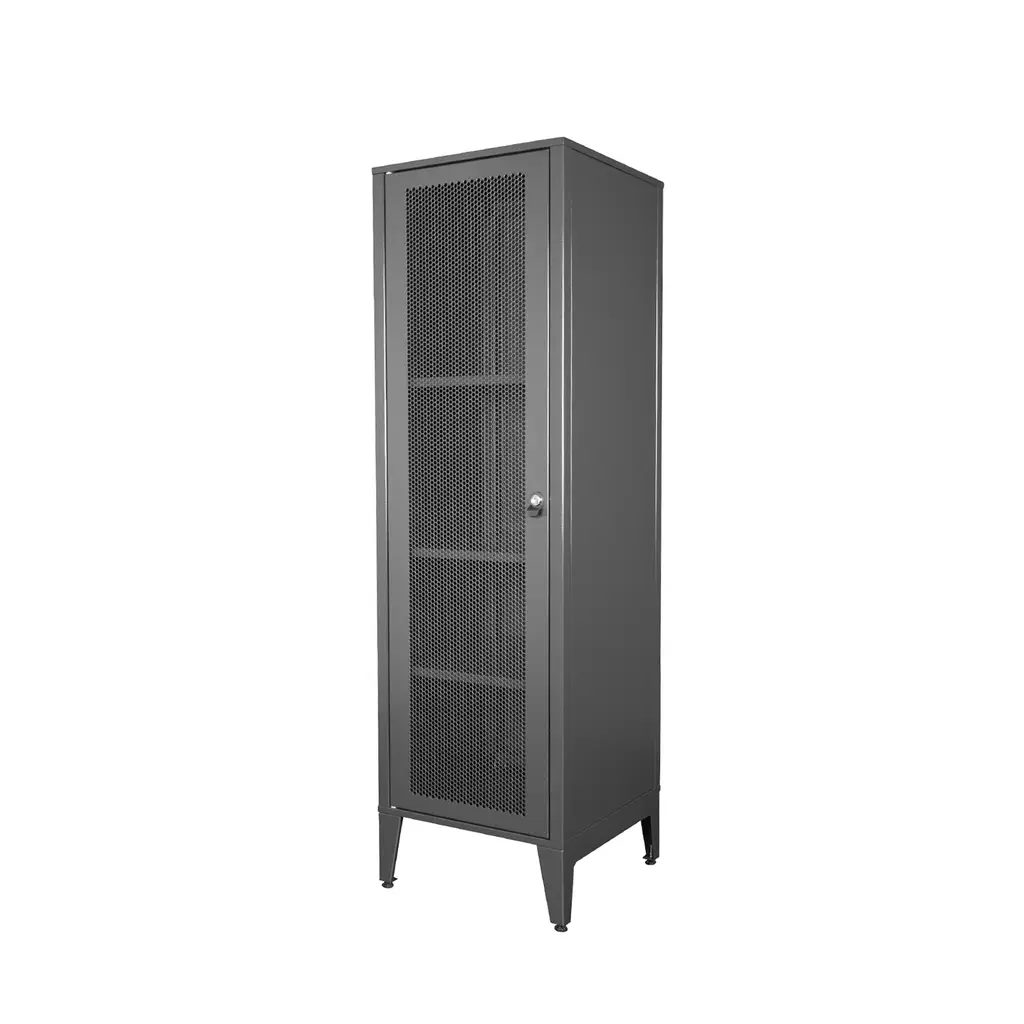
Alfahome Ziglat 1550 Series Perforated Door Large Size Lockable Metal Cabinet
Alfahome Ziglat 655 Series Glass Door Small Size Lockable Metal Cabinet
Alfahome Ziglat 655 Series Metal Door Small Size Lockable Office Cabinet




Alfafonet Complete Connectivity Solutions © 2026 All Rights Reserved.


0
)