×

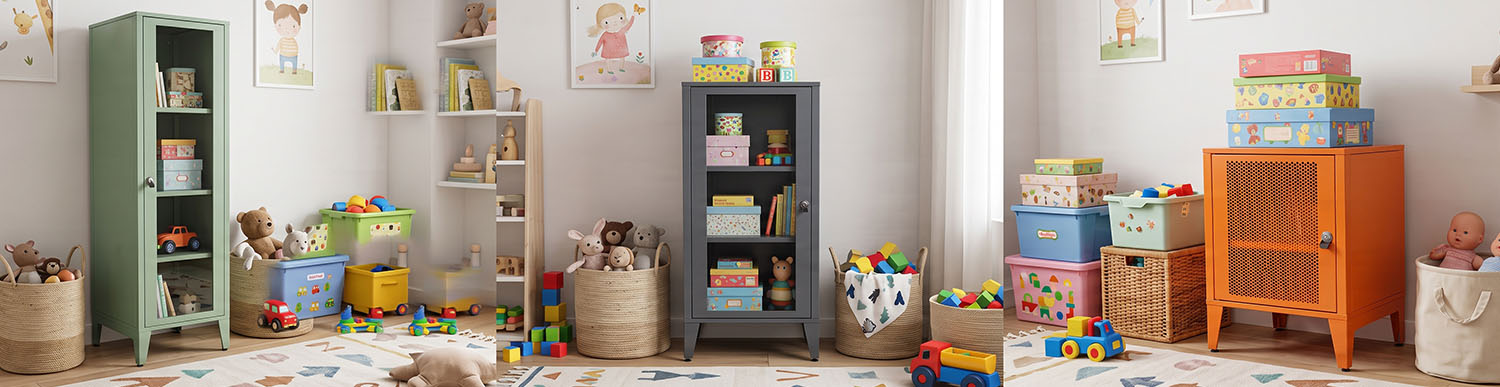
Toy storage cabinets, toy baskets and toy boxes differ in terms of storage capacity, ease of use and space efficiency. In this article, you can compare the advantages of each option and discover the most suitable storage solution for your child’s toys and the layout of their room.
Estimated Reading Time: 4 minutes
Keeping toys organised in a child’s bedroom is important for making efficient use of the available space and simplifying everyday life. Toys of different sizes, boxed games, soft toys and small play pieces can gradually create clutter in a room. Various storage solutions, such as toy storage cabinets, toy baskets and toy boxes, can help keep these items in designated areas.
However, not every storage solution meets the same needs. Toy storage cabinets help organise different items on shelves or in compartments, while baskets and boxes can be used to keep specific groups of toys together.
So, which should you choose for storing toys: a cabinet, a basket or a box? The right choice depends on the number of toys, their sizes, how often they are used and the available space in the room.
Toy storage cabinets, baskets and boxes are designed to meet different storage needs. When choosing between them, consider not only the appearance of the product but also its capacity, placement and ease of use.
| Comparison Criteria | Toy Storage Cabinet | Toy Basket | Toy Box |
|---|---|---|---|
| Storage capacity | Can provide generous storage space, depending on the model’s dimensions. | Generally used to collect a specific group of toys. | Can store small or large items, depending on its size. |
| Organisation | Different items can be separated using shelves and compartments. | Makes it easy to gather toys quickly. | Keeps toys in a designated enclosed or open space. |
| Ease of access | Depends on shelf height and door design. | Open designs can make toys easy to reach. | Depends on whether the design has a lid. |
| Placement | Requires a designated space. | Can be moved to different areas as needed. | Can be used on shelves, inside cabinets or in suitable floor spaces. |
| Purpose | Organising multiple groups of toys | Quick tidying and grouping | Keeping specific items together |
These options can be used as alternatives to one another or combined. For example, boxes can be placed on the shelves of a toy storage cabinet, while frequently used toys can be kept in a separate basket.
When considering storage options, you can also look beyond closed cabinets and explore open shelving systems. ALFAHOME’s wall-mounted shelving models offer alternatives for storing items in an organised and accessible way.
A toy storage cabinet is a storage solution worth considering when you need to keep many items of different types and sizes together. Shelved, drawer-style or cupboard-style designs can help you organise storage space according to your needs.
Toy storage cabinets are particularly useful in the following situations:
Storing different groups of toys: Books, boxed games, toy vehicles and craft supplies can be kept in separate compartments.
Creating an organised layout: Items can be assigned to specific shelves or drawers, making them easier to find.
Making use of vertical space: Cabinets in suitable sizes can provide storage while helping preserve floor space.
Achieving a more streamlined appearance: Cupboard-style models can reduce the visibility of toys.
When choosing a toy storage cabinet, consider its dimensions, shelf spacing, storage capacity and safety features together. Stability, appropriate wall fixing and the safety of moving parts are particularly important for cabinets intended for children’s use.
For more detailed selection criteria, read our article, What Should You Consider When Choosing a Toy Storage Cabinet?
A toy basket can be a practical option for anyone who wants to gather toys quickly and keep them together in a designated area. In open-design baskets, items can be easily seen and accessed. This can make it easier for children to take out and put away frequently used toys throughout the day.
Toy baskets can be particularly useful for the following needs:
Keeping frequently used toys together
Collecting soft toys or larger items
Tidying a play area quickly
Using a storage container that can be moved as needed
However, sorting the toys inside a basket can be difficult without dividers or separate containers. To prevent small pieces from getting mixed together, you can use separate baskets for different groups of toys.
When choosing a basket, consider the durability of the material, ease of cleaning and whether it could pose risks, such as tipping over or having sharp edges. Avoid products with small parts or materials that can be easily damaged if they are unsuitable for your child’s age.
A toy box is a storage solution available in different sizes that allows specific toys to be kept together. Models may have lids or be open at the top. Some boxes can be placed on shelves, while others are designed to sit directly on the floor.
Toy boxes can be used for the following purposes:
Grouping small toys
Keeping building blocks and play pieces separate
Storing boxed games or specific craft supplies
Supporting the internal organisation of a toy storage cabinet
Storing items in suitable spaces when they are not in use
When choosing a toy box, consider its internal capacity, material, lid design and portability. For lidded models, the way the lid opens and closes is important for children’s safety. If boxes are to be stacked, follow the manufacturer’s stacking and handling instructions.
Separating small toys into individual boxes can make it easier to find specific items. Adding labels to the boxes can also help maintain an organised storage system.
The right storage solution can be selected by identifying what needs to be stored and how the available space will be used.
In rooms containing many different types of toys, a toy storage cabinet with multiple shelves or compartments may be a suitable option. Small pieces can be separated into boxes inside the cabinet, while baskets can provide additional storage for toys used every day.
Boxes can be useful for sorting items such as building blocks, small vehicles and play pieces. Separate shelves or drawers in a toy storage cabinet can provide a similar organisational system.
Baskets and boxes with sufficient internal capacity can be suitable for soft toys and large play sets. If more storage space is required, cabinets can also be considered based on their dimensions and shelf layout.
In small rooms, the space required to use a storage solution is just as important as the space it occupies. Baskets and boxes can be positioned in suitable areas. If you choose a cabinet, check its dimensions, the clearance needed to open its doors or drawers, and the room’s walkways.
Those who want to keep toys out of sight can consider cupboard-style cabinets or lidded boxes. Open shelves and baskets, on the other hand, can make frequently used items easier to access. These solutions can also be combined to balance appearance and accessibility.
Toy storage cabinets, baskets and boxes can complement one another within the same storage system. Using each for a different purpose can make it easier to sort items and maintain everyday organisation.
For example:
Books and boxed games can be stored on the shelves of a toy storage cabinet.
Small toys can be sorted into boxes of suitable sizes.
Frequently used toys can be kept in a separate basket.
Boxes can be labelled to make it easier to identify where each item belongs.
Unused toys can be sorted out regularly to make efficient use of the available storage space.
This approach allows you to combine different solutions rather than expecting a single storage product to meet every need.
When choosing a toy storage cabinet, basket or box, consider the following criteria together:
Dimensions: The product should fit the available space and accommodate the sizes of the toys being stored.
Capacity: Consider not only the current number of toys but also how storage needs may change over time.
Ease of access: Frequently used items should be kept in easily accessible places.
Material and cleaning: Check the product’s material, durability and maintenance requirements.
Safety: Consider potential risks associated with tipping, sharp edges, lid mechanisms and small parts.
Placement: The storage solution should not obstruct movement around the room or interfere with the use of other furniture.
These criteria help you do more than simply store additional items; they also make it easier to use the available storage space effectively in everyday life.
Toy storage cabinets, baskets and boxes meet different storage needs. A toy storage cabinet can be used to organise multiple groups of items on shelves and in compartments. A toy basket can make it easier to collect frequently used items quickly, while a toy box can help group small pieces and keep specific toys together.
To determine the most suitable solution, start by assessing the types and quantities of toys you need to store and the space available. Then compare cabinets, baskets and boxes in terms of ease of use, capacity and safety.
It is also possible to combine these solutions according to your needs. This allows you to create a storage system in which toys are easier to find, the available room is used efficiently and organisation can be maintained over time.
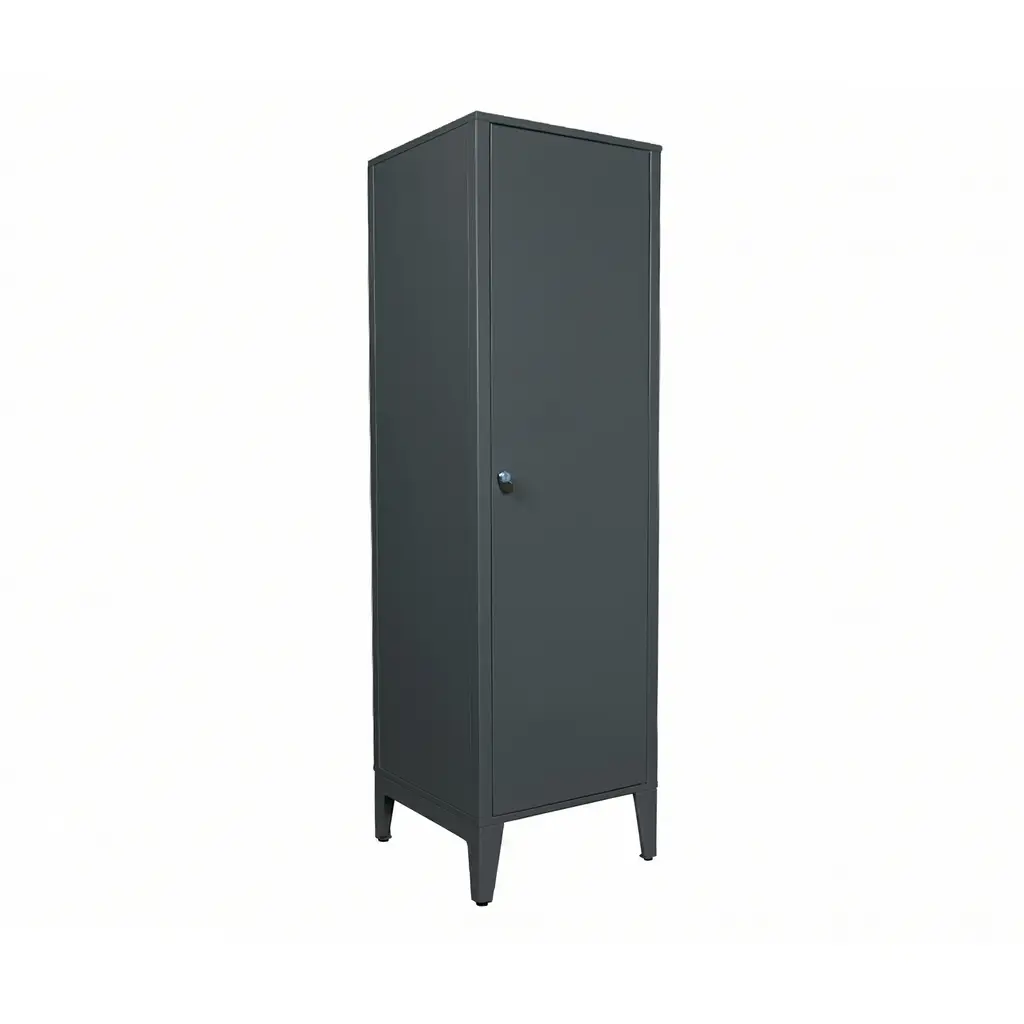
21.10.2026Alfahome Ziglat 1550 Series Metal Door Large Size Lockable Office Cabinet
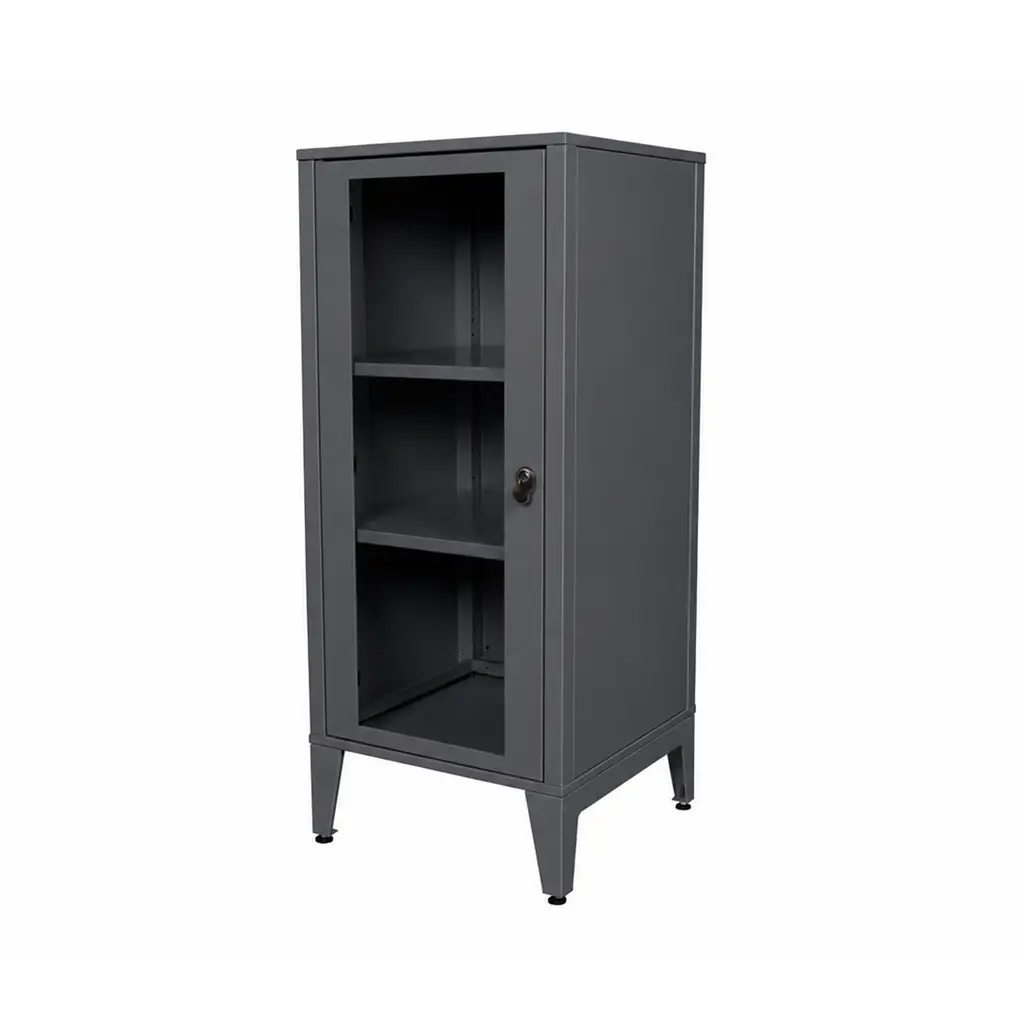
Alfahome Ziglat 1110 Series Glass Door Medium Size Lockable Metal Cabinet
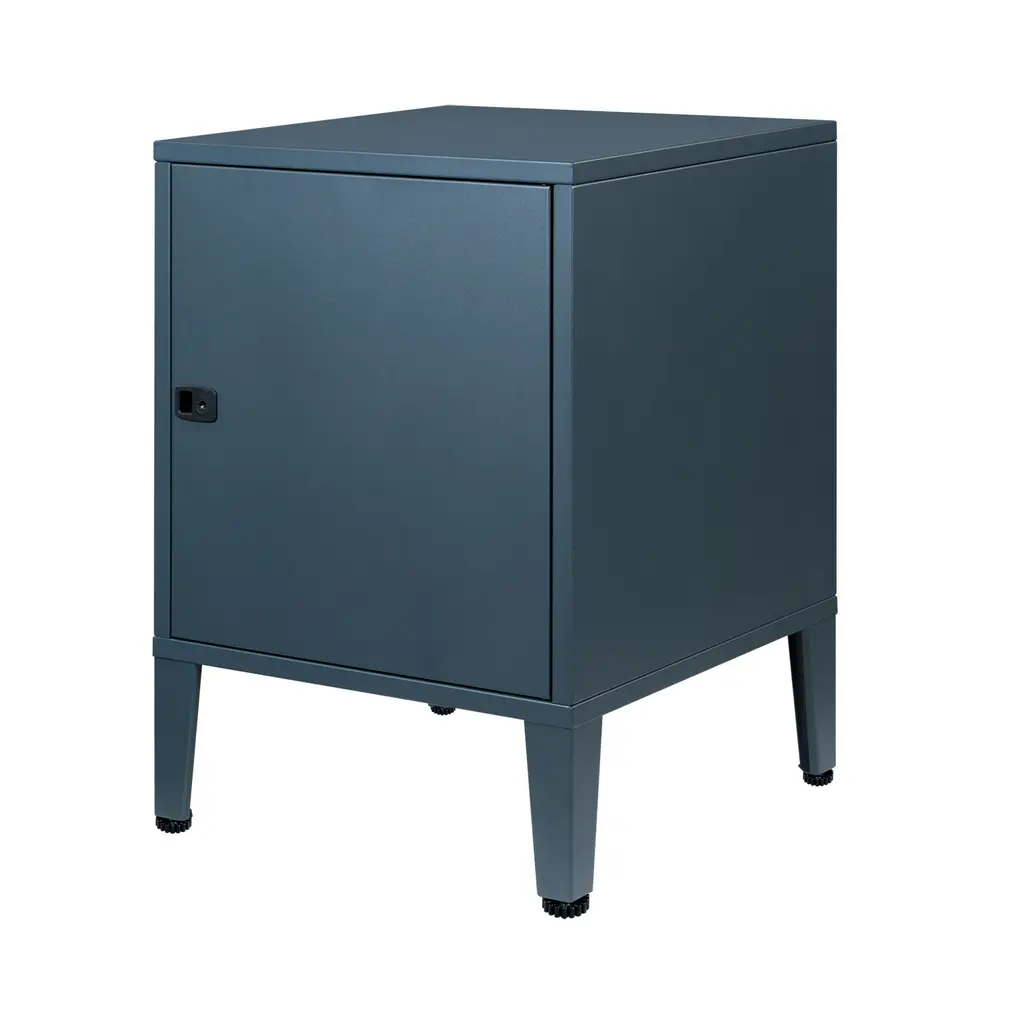
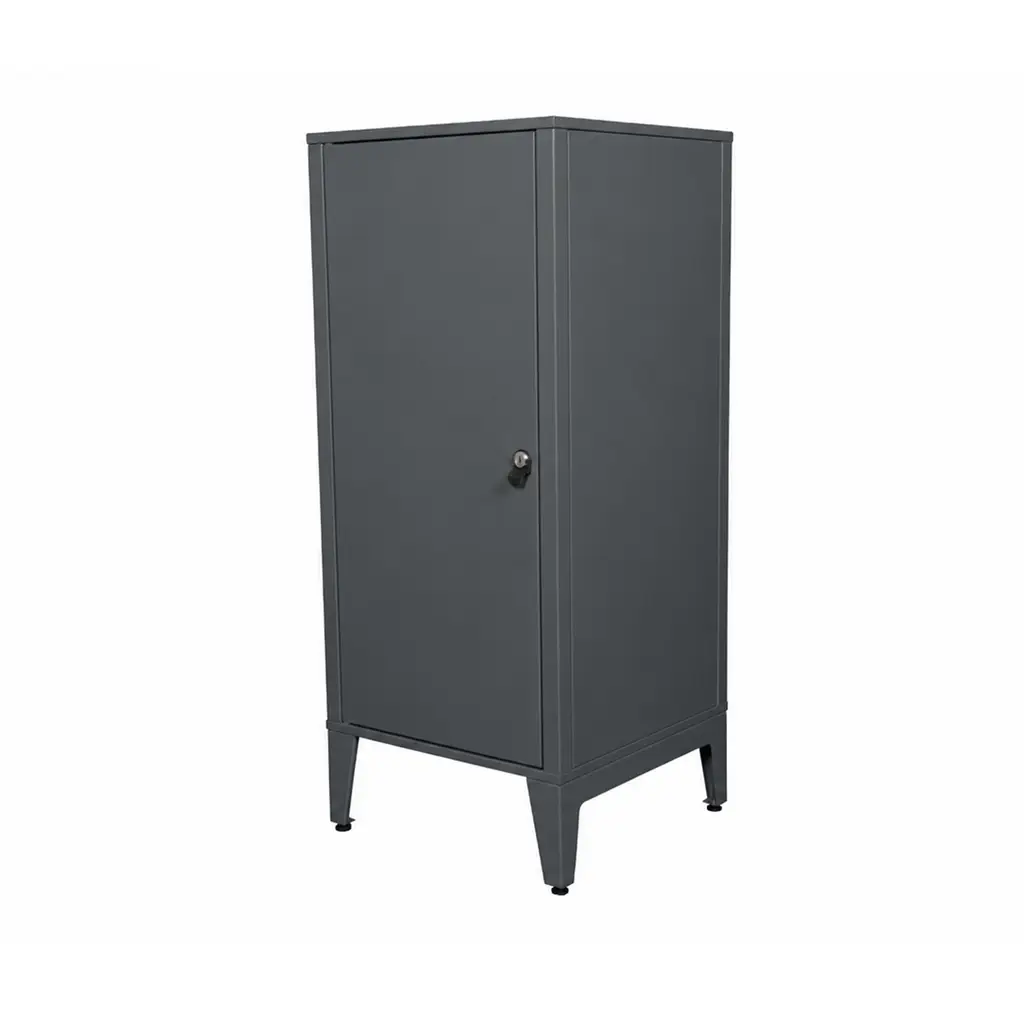
Alfahome Ziglat 655 Series Metal Door Small Size Lockable Office Cabinet
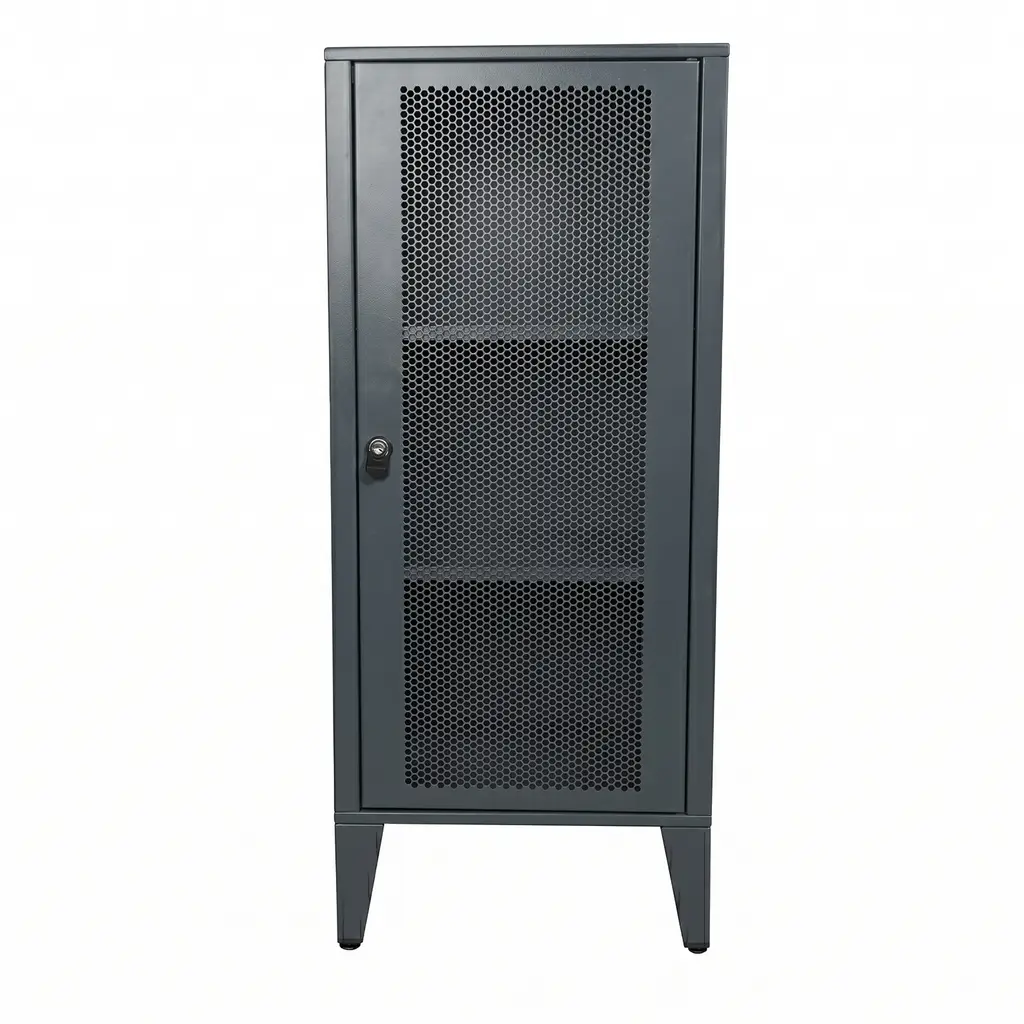
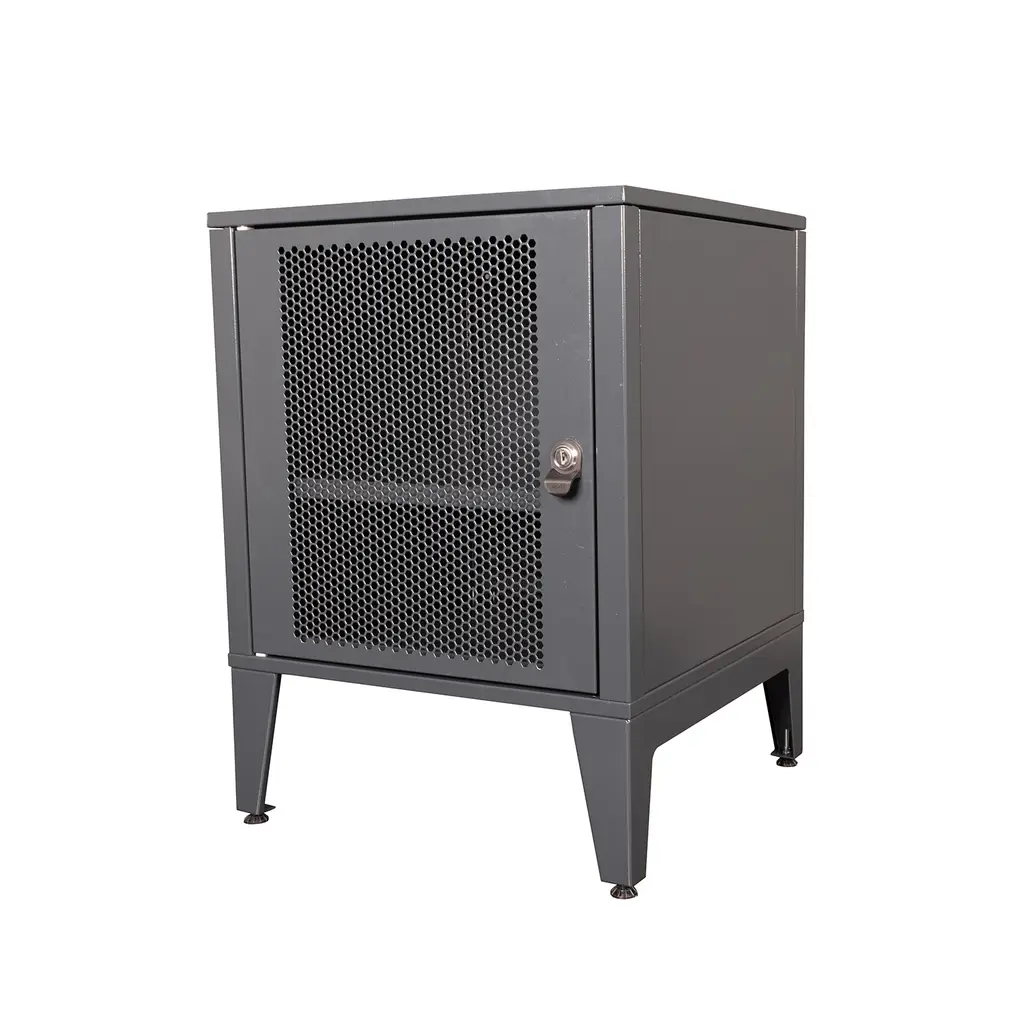
Alfahome Ziglat 1110 Series Perforated Door Medium Size Lockable Metal Cabinet
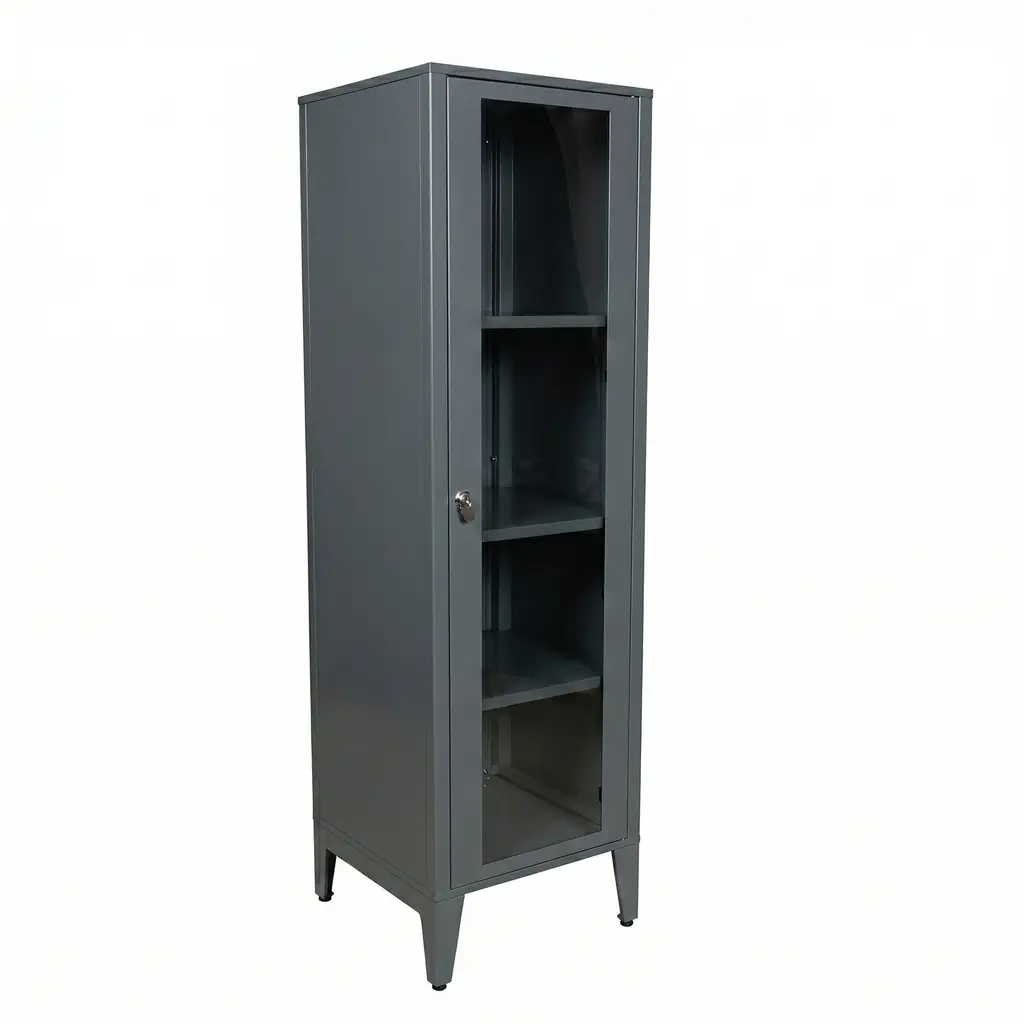
Alfahome Ziglat 1550 Series Glass Door Large Size Lockable Metal Cabinet
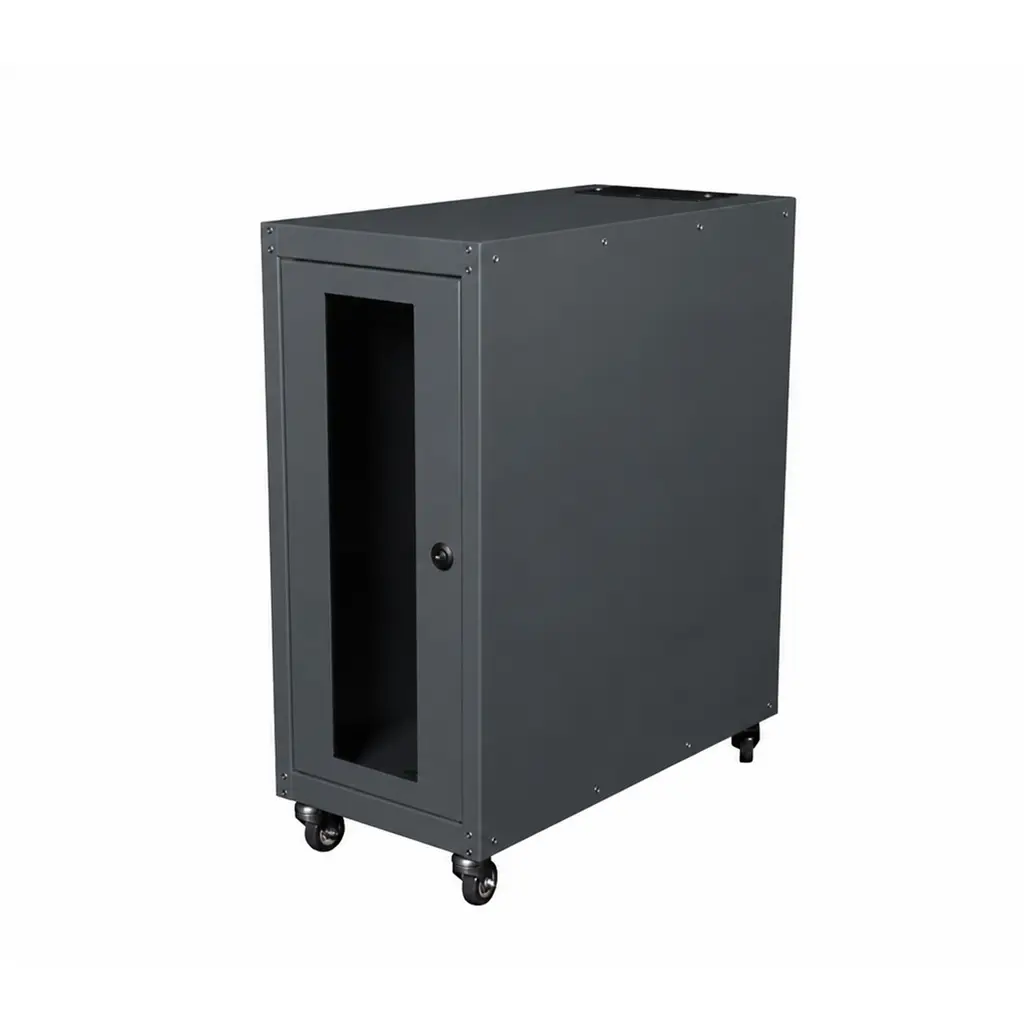
Alfahome Ziglat 600 Series IP20 Pre-assembled Glass Door Wheeled Computer Cabinet
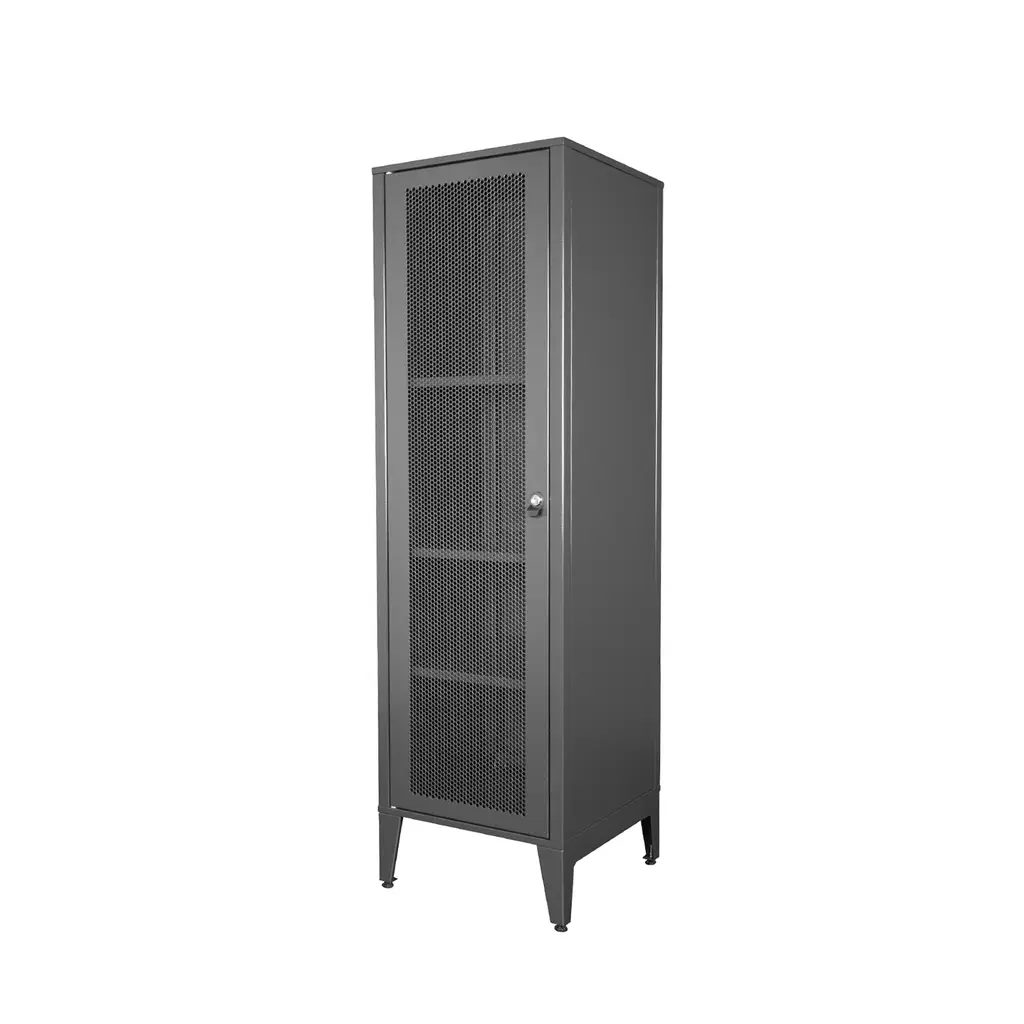
Alfahome Ziglat 1550 Series Perforated Door Large Size Lockable Metal Cabinet
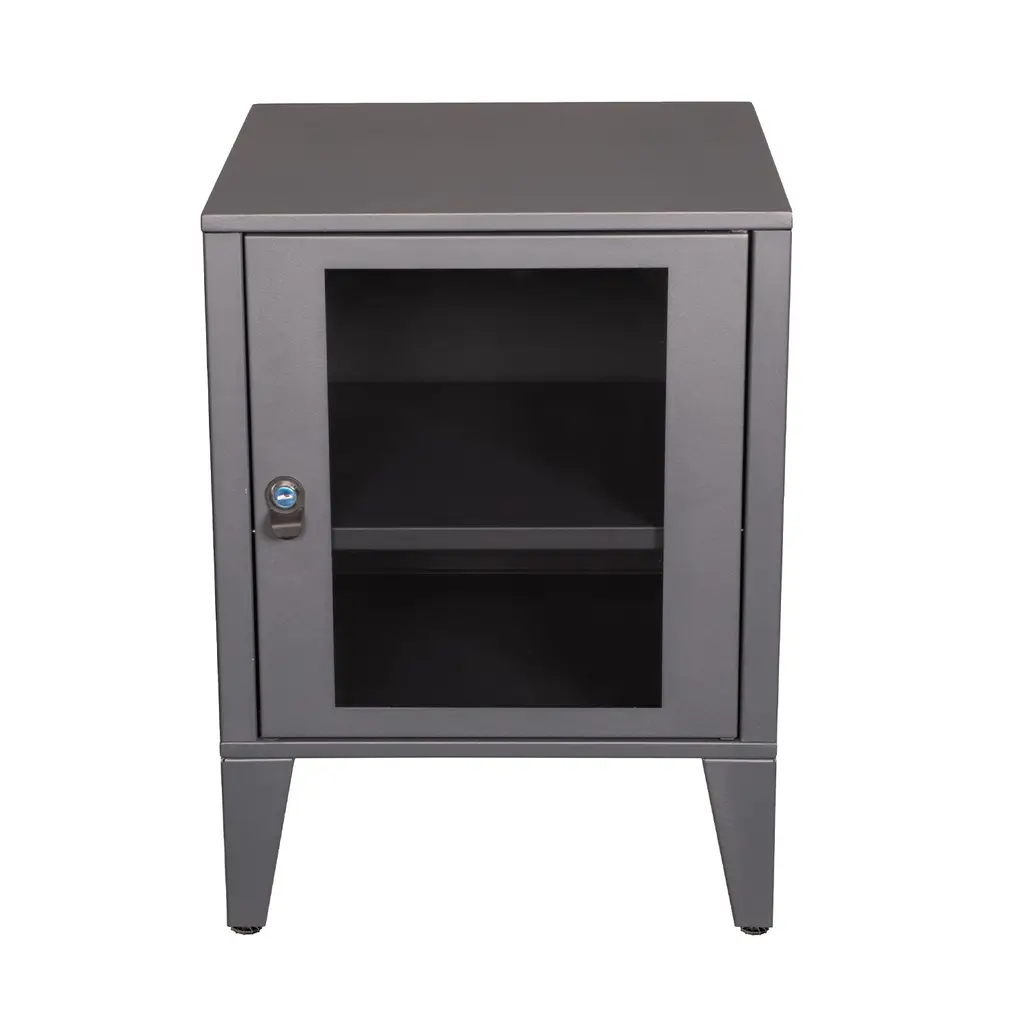
Alfahome Ziglat 655 Series Glass Door Small Size Lockable Metal Cabinet
Alfahome Ziglat 655 Series Perforated Door Small Size Lockable Metal Cabinet
Alfahome Ziglat 1110 Series Metal Door Medium Size Lockable Office Cabinet




Alfafonet Complete Connectivity Solutions © 2026 All Rights Reserved.


0
)